

Impact & Results
A History of Canada Lynx
Canada lynx recovery is shaped by a combination of habitat protection, landscape connectivity, and long-term conservation planning. Understanding the species’ history and ecological needs helps guide efforts to ensure its future in Washington’s mountain forests.
A Threatened Species at the Edge of Its Range
The Habitat Conditions Lynx Need to Survive
Connectivity Is Essential for Long-Term Recovery
A Threatened Species at the Edge of Its Range
Canada lynx are federally listed as Threatened under the Endangered Species Act, and Washington sits at the southern edge of the species’ U.S. range, and holds some of the most important remaining habitat in the Lower 48.
The Habitat Conditions Lynx Need to Survive
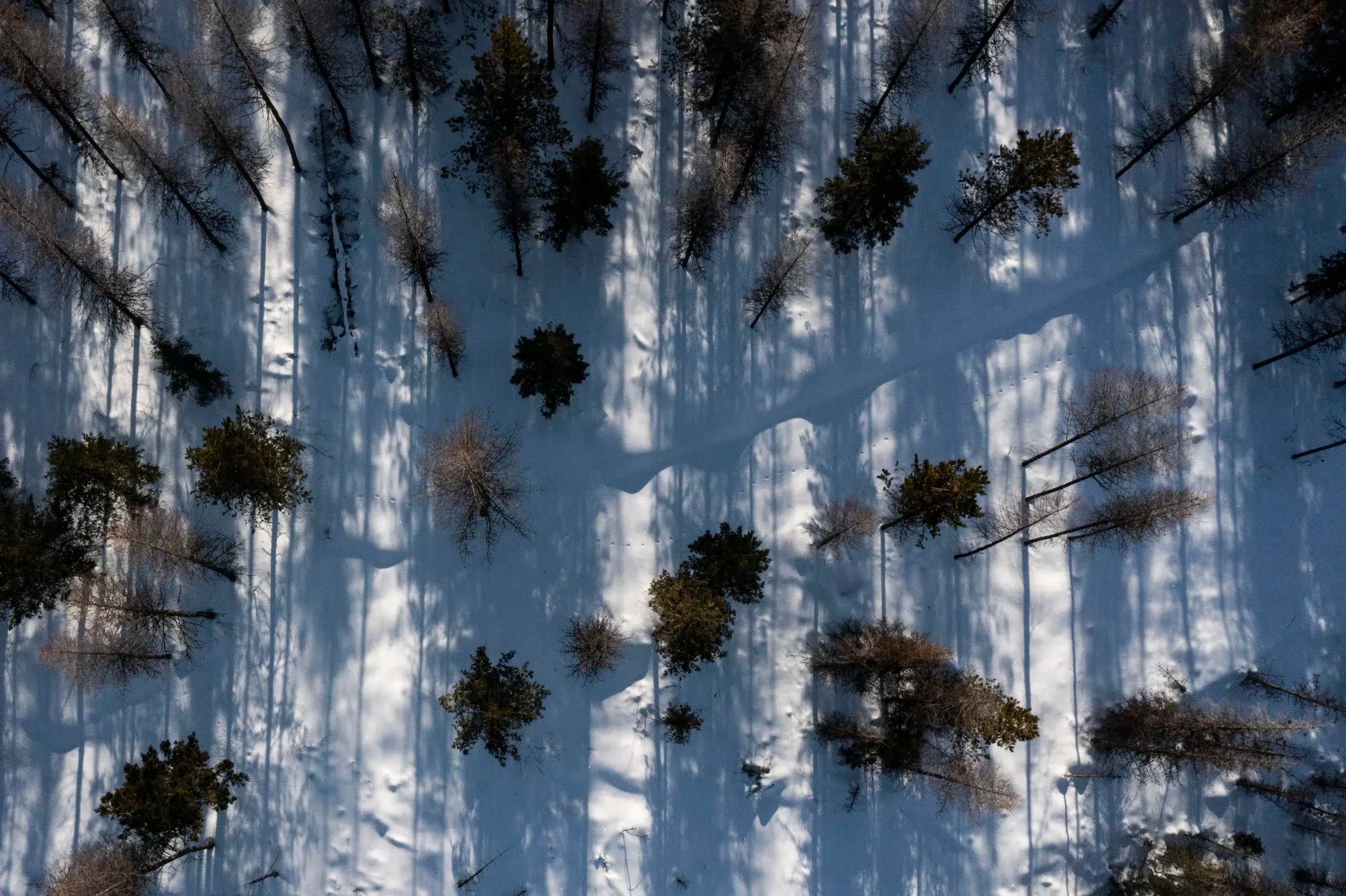
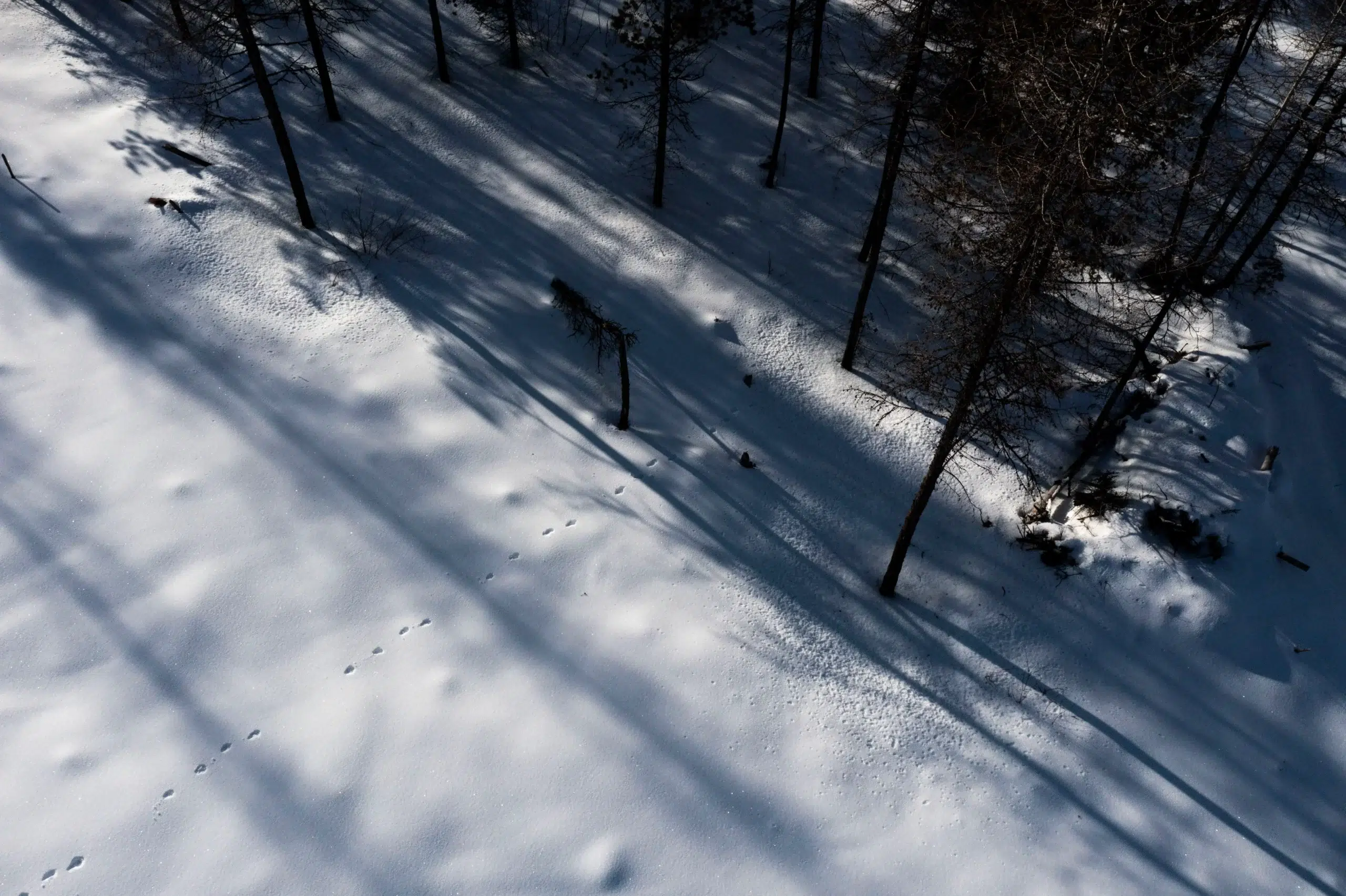
Recovery depends on maintaining cold, high elevation forests with deep, persistent snow and healthy snowshoe hare populations, the ecological conditions lynx rely on for hunting and denning. Increasing wildfire severity, habitat fragmentation, and shifting forest structure in places like the Pasayten Wilderness, Loomis State Forest, and Kettle Range threaten the continuity of these habitats.
Connectivity Is Essential for Long-Term Recovery
Washington’s lynx population is small, isolated, and depends on strong habitat connectivity from the Cascades through the Okanogan Highlands to the Rockies, as well as ecological linkages to source populations in British Columbia that are essential for long term genetic exchange and recovery.
Forest Stewardship
Advancing Science-Based Forest Management and Habitat Protection for Lynx Recovery
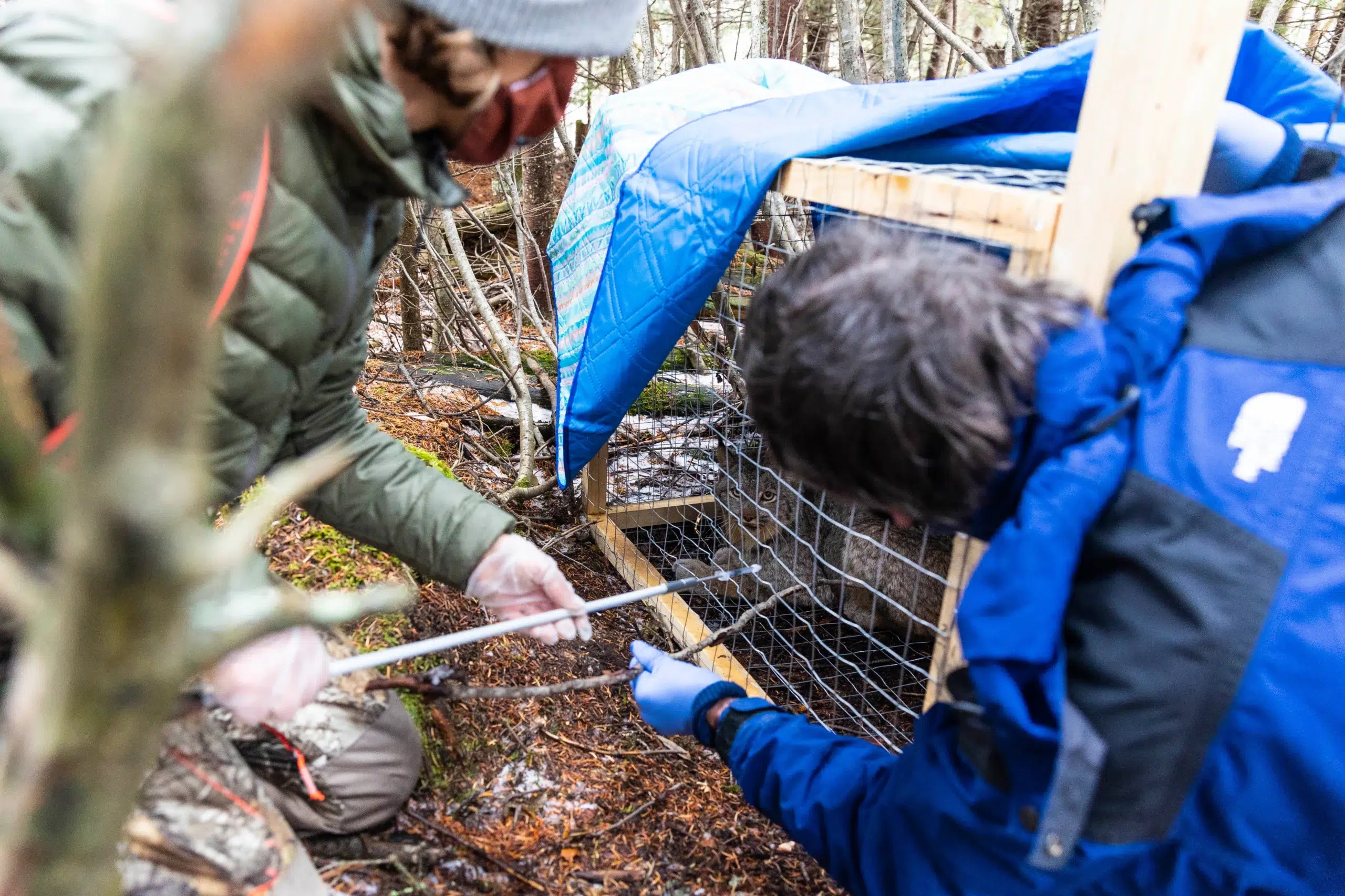
Advanced science based forest management and habitat protections across the Colville and Okanogan Wenatchee National Forests, working with the U.S. Forest Service and partners to maintain and restore high quality lynx habitat. This includes supporting research, camera monitoring, and collaboration with agencies and universities to improve understanding of lynx distribution, habitat use, and recovery needs—ensuring that forest practices align with the ecological conditions required for long term persistence.
Lynx Reintroduction
Supporting Lynx Translocation and Population Recovery in Northeast Washington
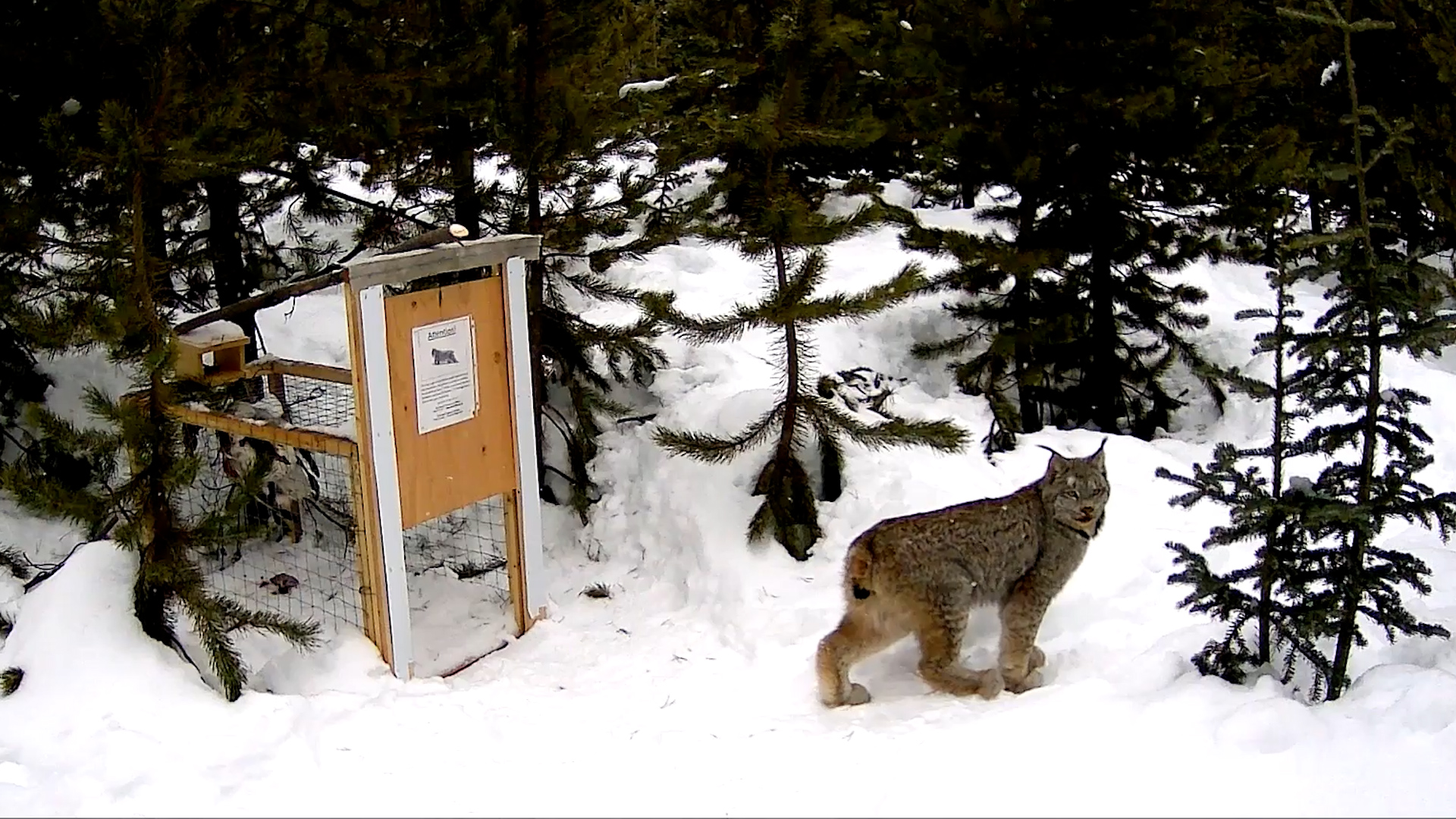
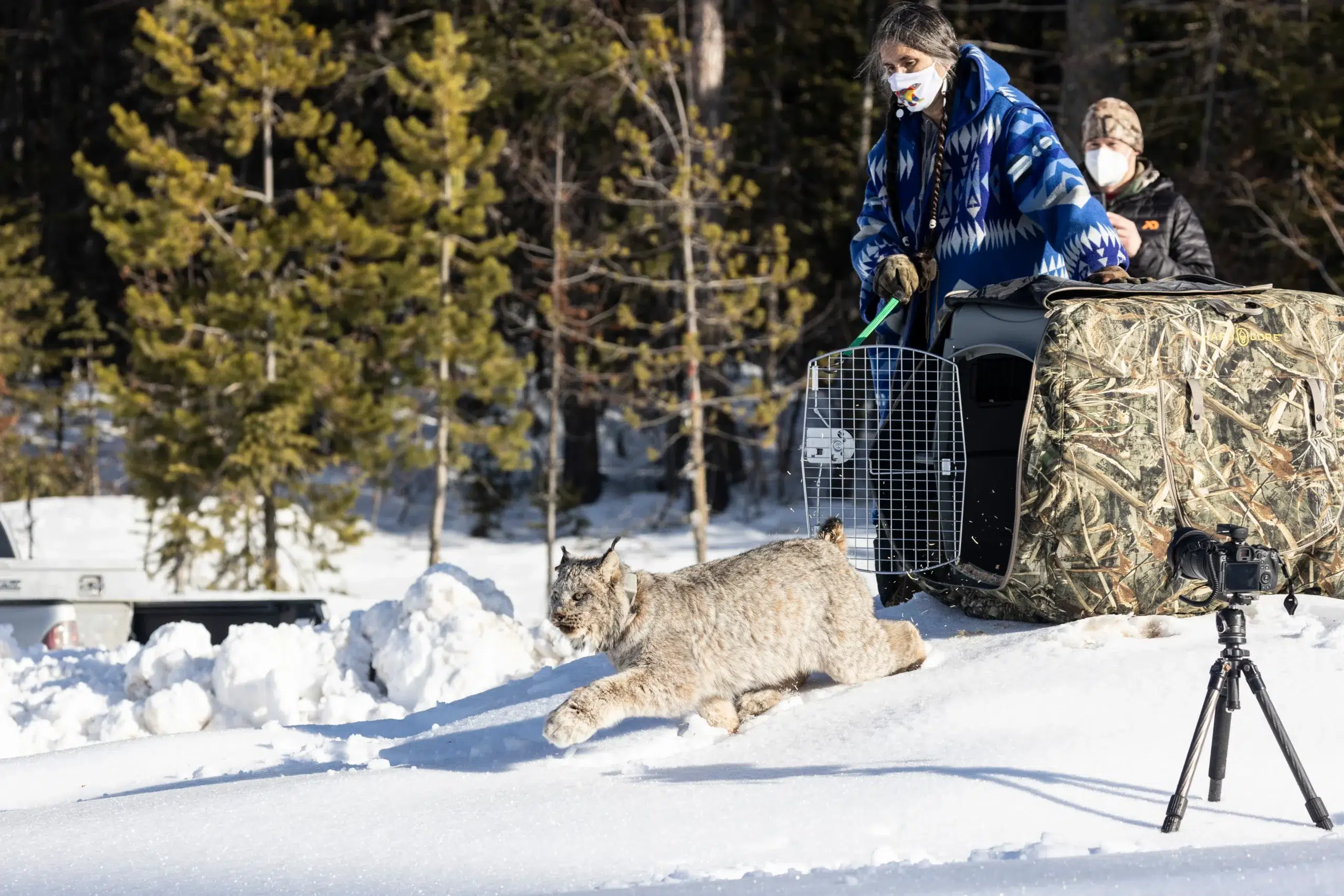
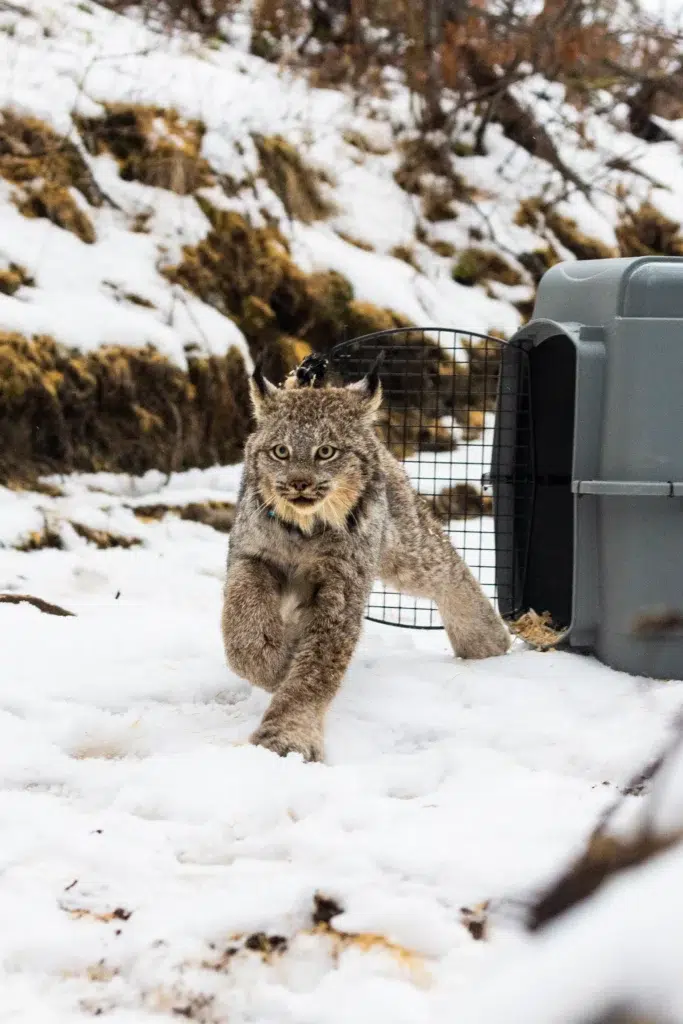
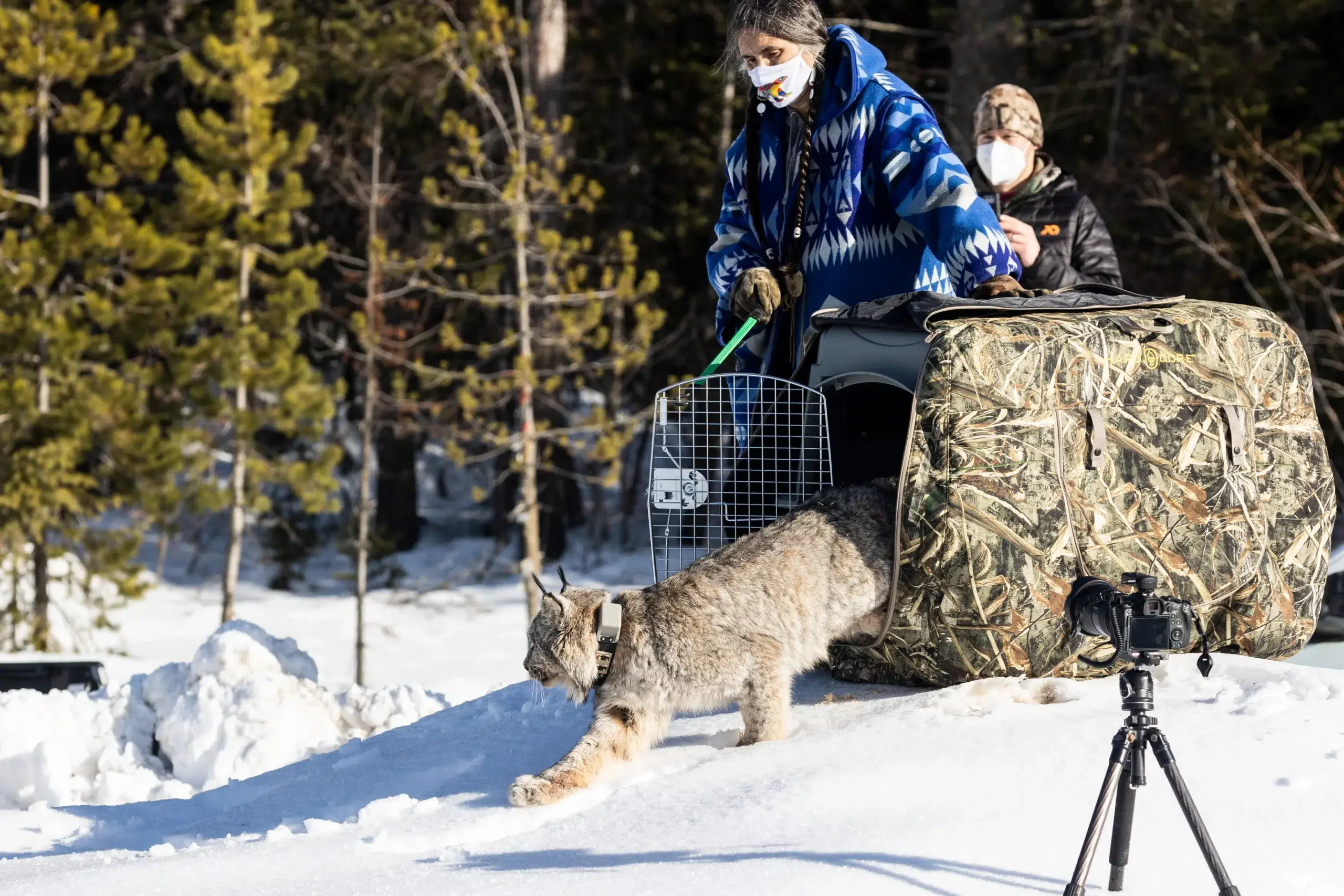
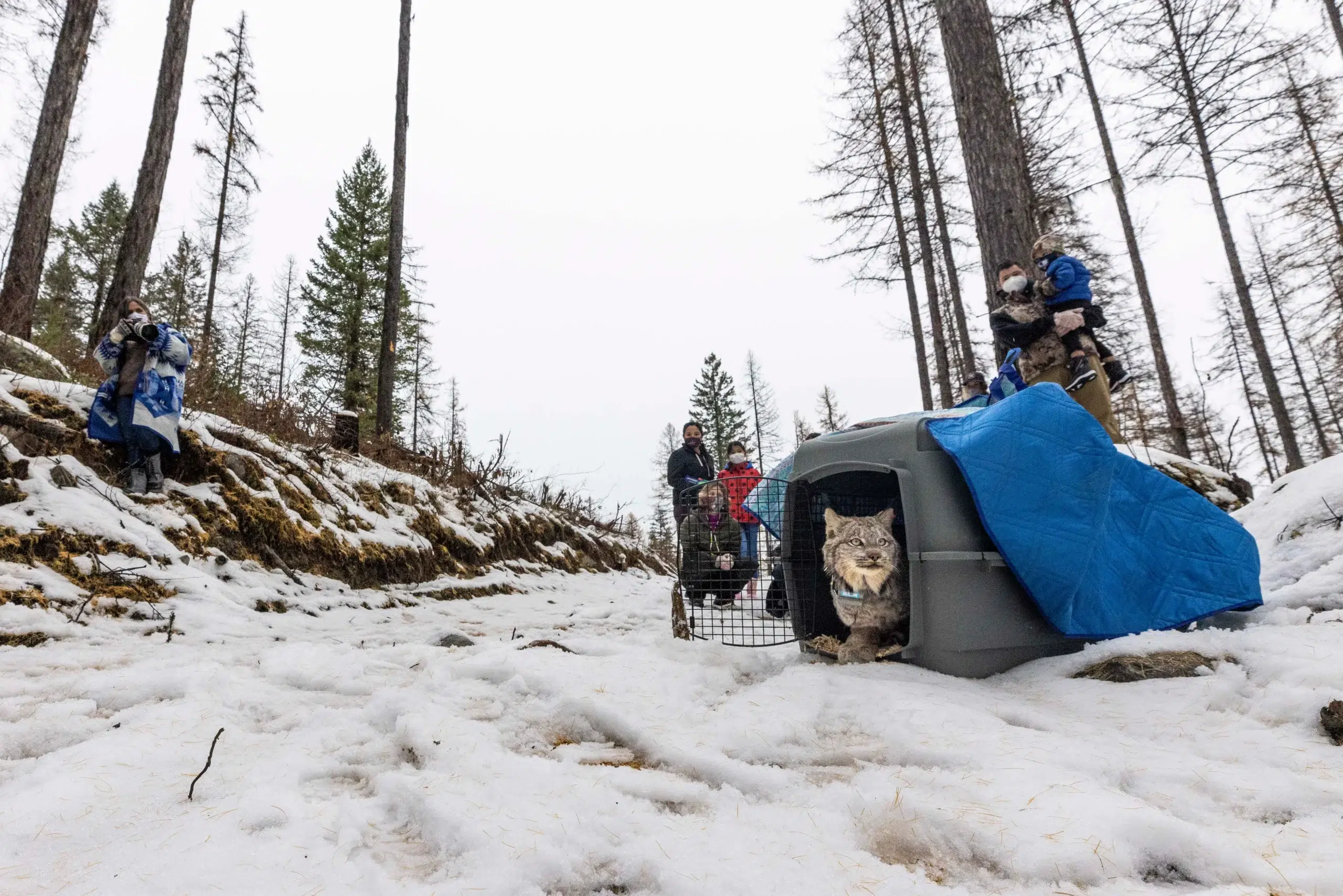
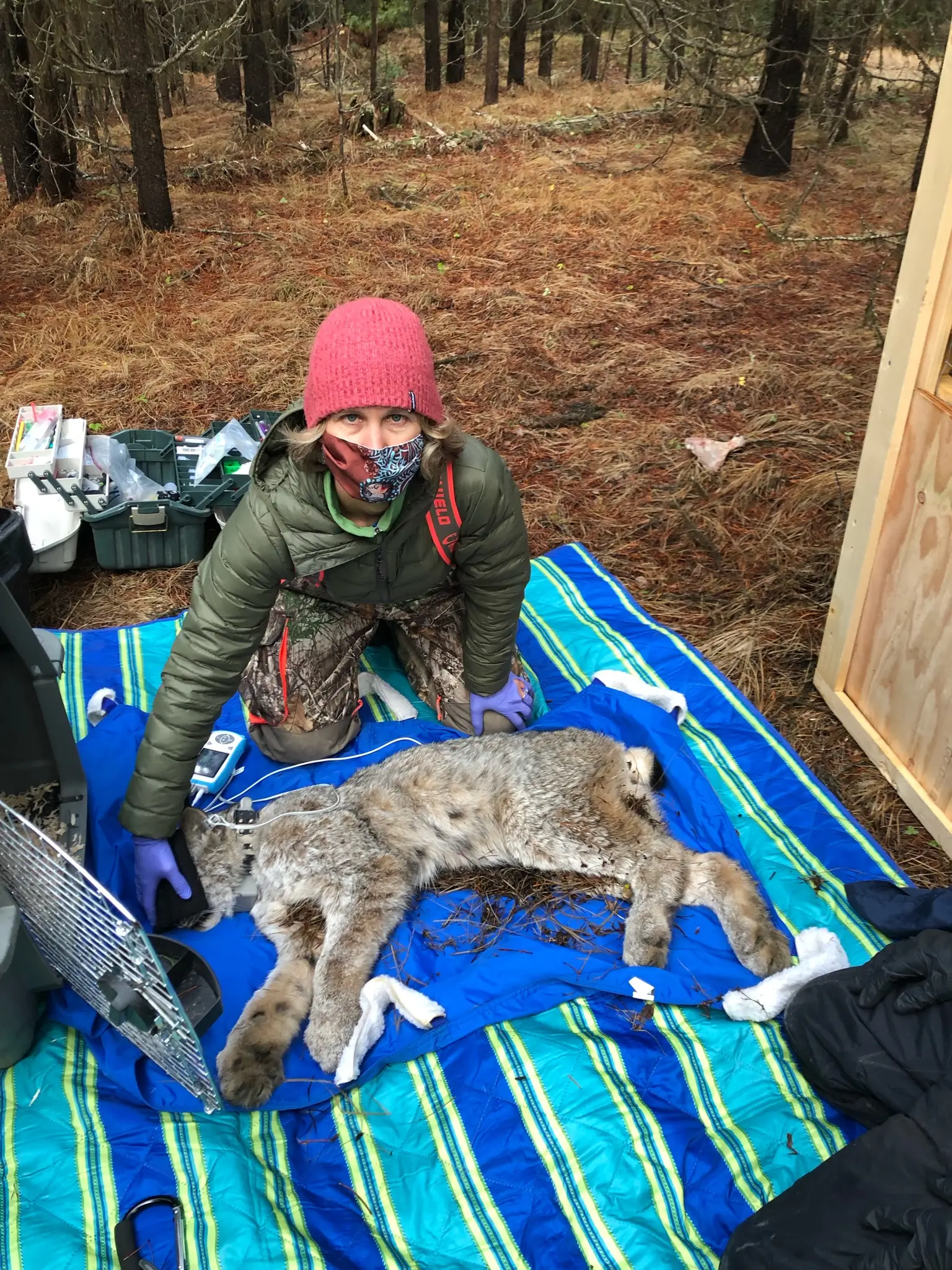
Supported a five-year lynx translocation effort led by the Confederated Tribes of the Colville Reservation, helping relocate 46 lynx from southern British Columbia to release sites on Tribal lands in the Kettle Range. This work has re established a breeding lynx population in northeast Washington, with Tribal biologists confirming the first documented reproduction in the region in decades. With eastern Washington now repopulated, monitoring is underway to track movements and assess whether these animals follow the connectivity pathways restored between the Kettles, central Washington, and the Cascades to strengthen long term genetic diversity.
Lynx Facts
Key Facts About Canada Lynx and the Habitat They Depend On
- Lynx are considered a boreal species. Lynx are specially adapted to the deep snows of northern forests, where their massive paws keep them afloat in their snowy open forest and boreal habitat.
- Smaller than a cougar but bigger than a bobcat, Canada lynx have silvery fur and black ear tufts. Their tails are shorter than a bobcat’s!
- Snowshoe hares, the lynx’s preferred food, thrive in the dense cover of a brushy forest understory. Lynx are adapted to the natural fire cycle of lodgepole pines. Fire opens the cones, which release seeds to create supple new shoots that feed snowshoe hares.
- Lynx need older forests, with plenty of snags, downed logs and woody cover for hunting and denning.
- Lynx are not particularly fast (it’s hard to hunt on snow!), so they have to be sneaky and lie in wait for their prey.