Cascades to Olympics in The Seattle Times: What This Moment Means for Wildlife Connectivity
Published on
Jul 7, 2026

The Seattle Times recently published a feature story on Cascades to Olympics, the landscape-scale effort to reconnect habitat between Washington’s Cascade Range and the Olympic Peninsula.
For Conservation Northwest and our partners, this kind of statewide attention matters. Cascades to Olympics is a long-term vision rooted in a simple idea: wildlife need room to move, and people need safer roads. Across Washington, highways, development, and habitat fragmentation have made it harder for animals to travel between the wild places they depend on. Strategic habitat protection, restoration, and wildlife crossings can help repair those connections.
Because the Seattle Times article is copyrighted and appears on their website, we are sharing the original link rather than reposting the full story. We hope you’ll read it, share it, and help us build momentum for the next chapter of this work.
Below are answers to a few common questions people are asking about Cascades to Olympics and what comes next.
How did Cascades to Olympics happen?
Cascades to Olympics is the result of years of collaboration among Conservation Northwest, Tribes, state agencies, local communities, landowners, conservation partners, scientists, and supporters.
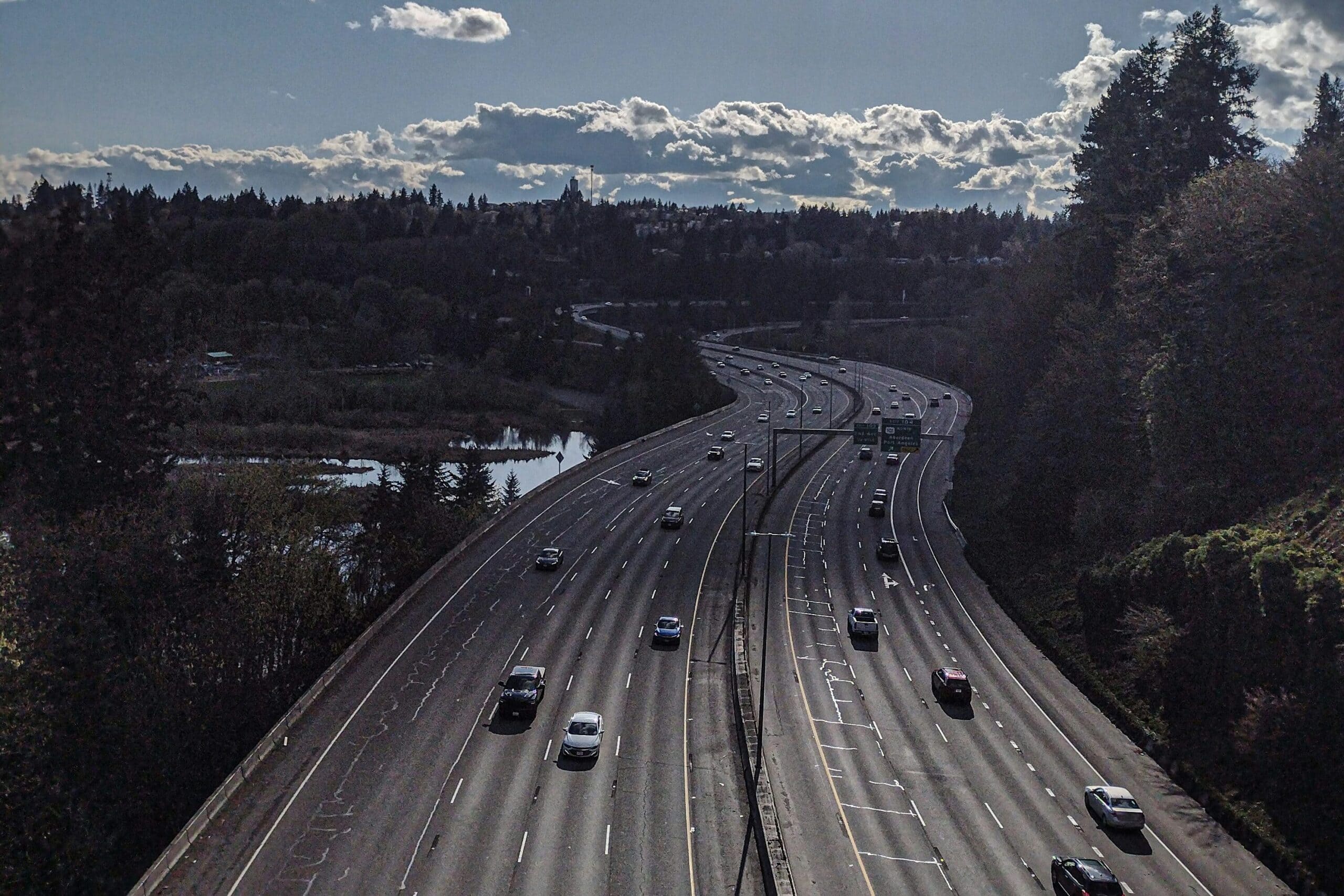
The goal is ambitious: reconnect habitat so wildlife can move more safely between the Cascades, southwest Washington, the Olympic Peninsula, and the Coast Range. That means protecting key lands, restoring habitat, and planning safe crossings where roads and highways cut through important wildlife corridors.
This work does not happen overnight. It takes patient relationship-building, science, public support, land protection, and a willingness to stick with a big vision long enough for the pieces to come together.
How was this work funded? How will an overpass be funded?
Conservation Northwest and our partners have raised private and philanthropic support to protect key habitat and advance the Cascades to Olympics vision. That early investment has helped make this opportunity real. A big thank you to our donors who believe in us and made this vision come to life. We did it!
The next step is different. Designing and eventually building a wildlife overpass will require public investment, likely through a combination of state and federal transportation and wildlife connectivity funding. Wildlife crossings are major infrastructure projects. They require engineering, design, permitting, agency coordination, and sustained funding.
The good news is that Washington already has successful examples showing these investments can work. Now we need to build the public and political support needed to bring that same kind of smart infrastructure to southwest Washington.
Do wildlife overpasses really work?
Yes. When wildlife crossings are built in the right places and designed for the animals that need to use them, they work.
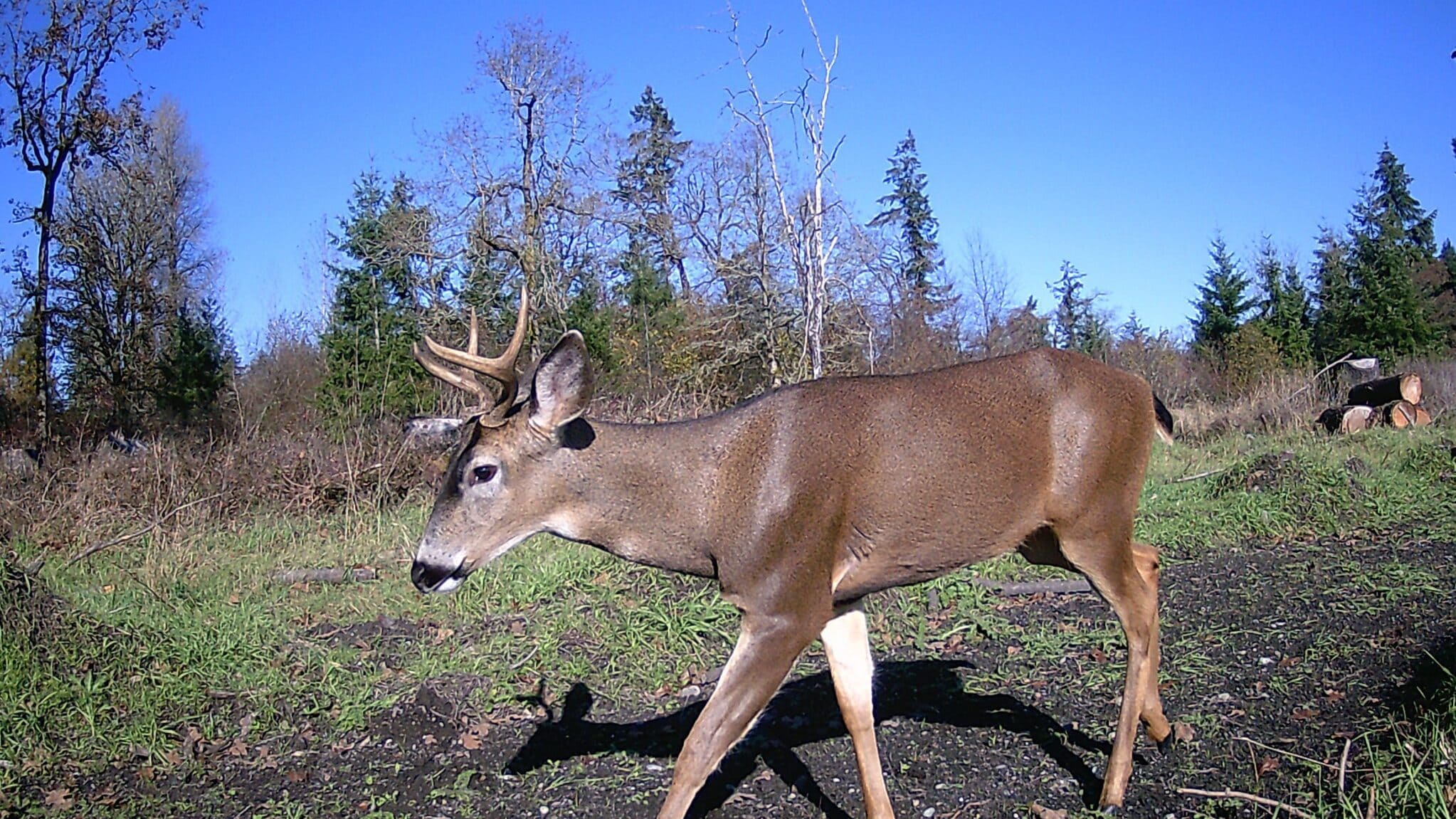
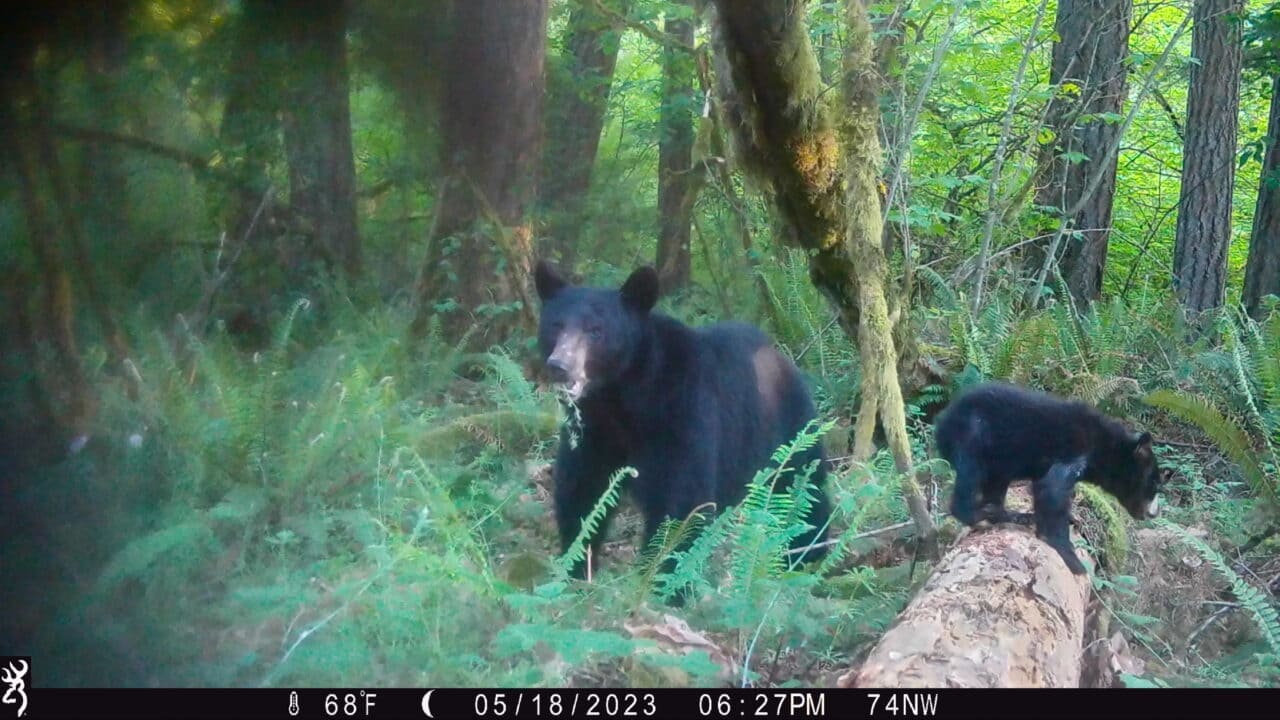
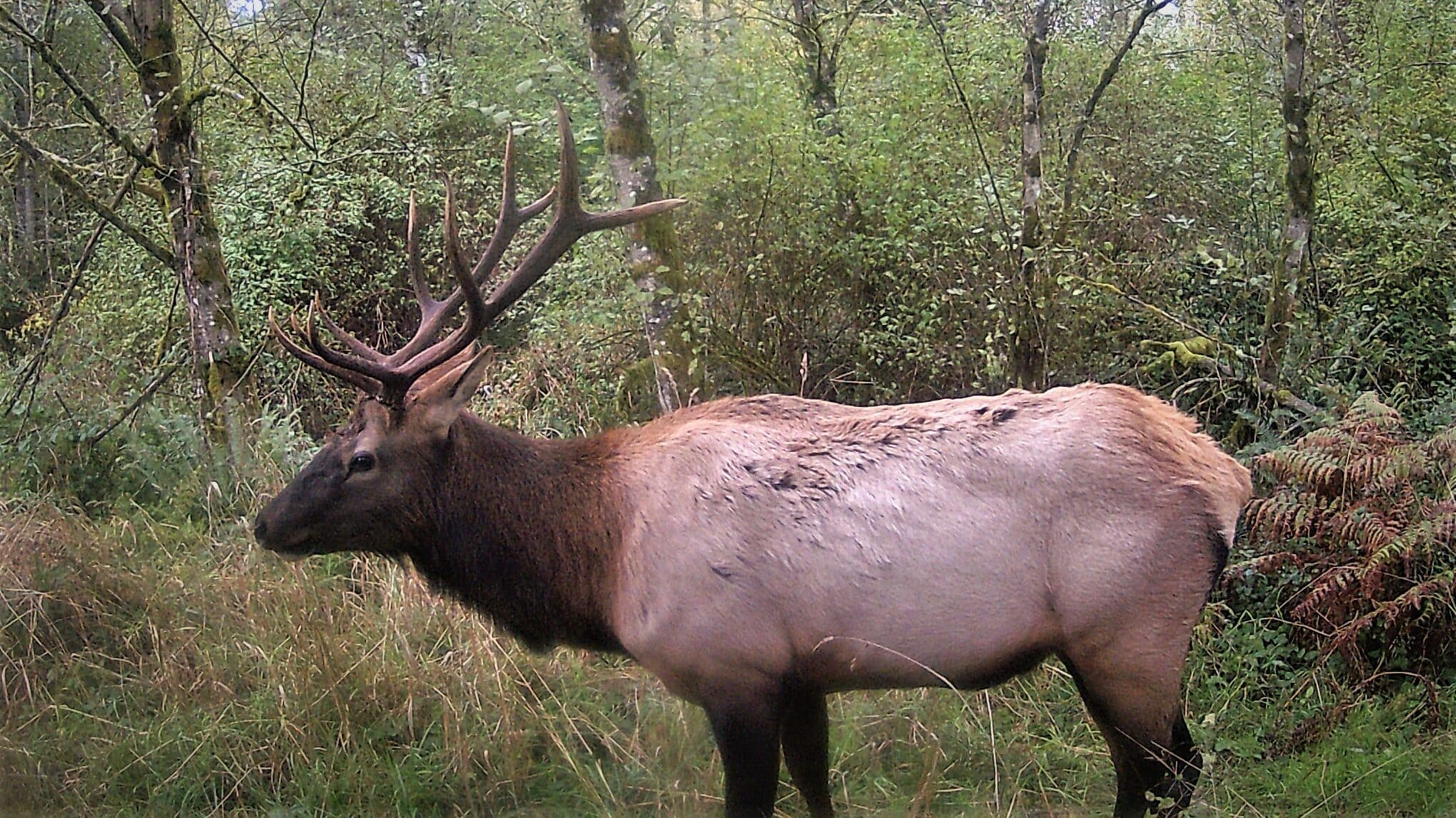
Wildlife crossings help reduce dangerous collisions between vehicles and animals. They also reconnect habitat fragmented by highways, giving animals a safer way to move, find food, reach mates, disperse, and adapt as conditions change.
In Washington, the I-90 wildlife crossings near Snoqualmie Pass have shown what is possible when science, transportation planning, and conservation come together.
The Seattle Times article noted that crossings work:
“Crossings can help humans, too. They have saved Washingtonians an estimated $235,000 to $443,000 each year per structure through reduced vehicle collisions, according to a 2022 study. Wildlife crossings over and under Interstate 90 in Washington have proved successful — with more than 36,000 documented crossings and almost no collisions in the project areas since 2014.”
Cascades to Olympics gives us a chance to bring that same forward-thinking investment to another critical wildlife corridor.
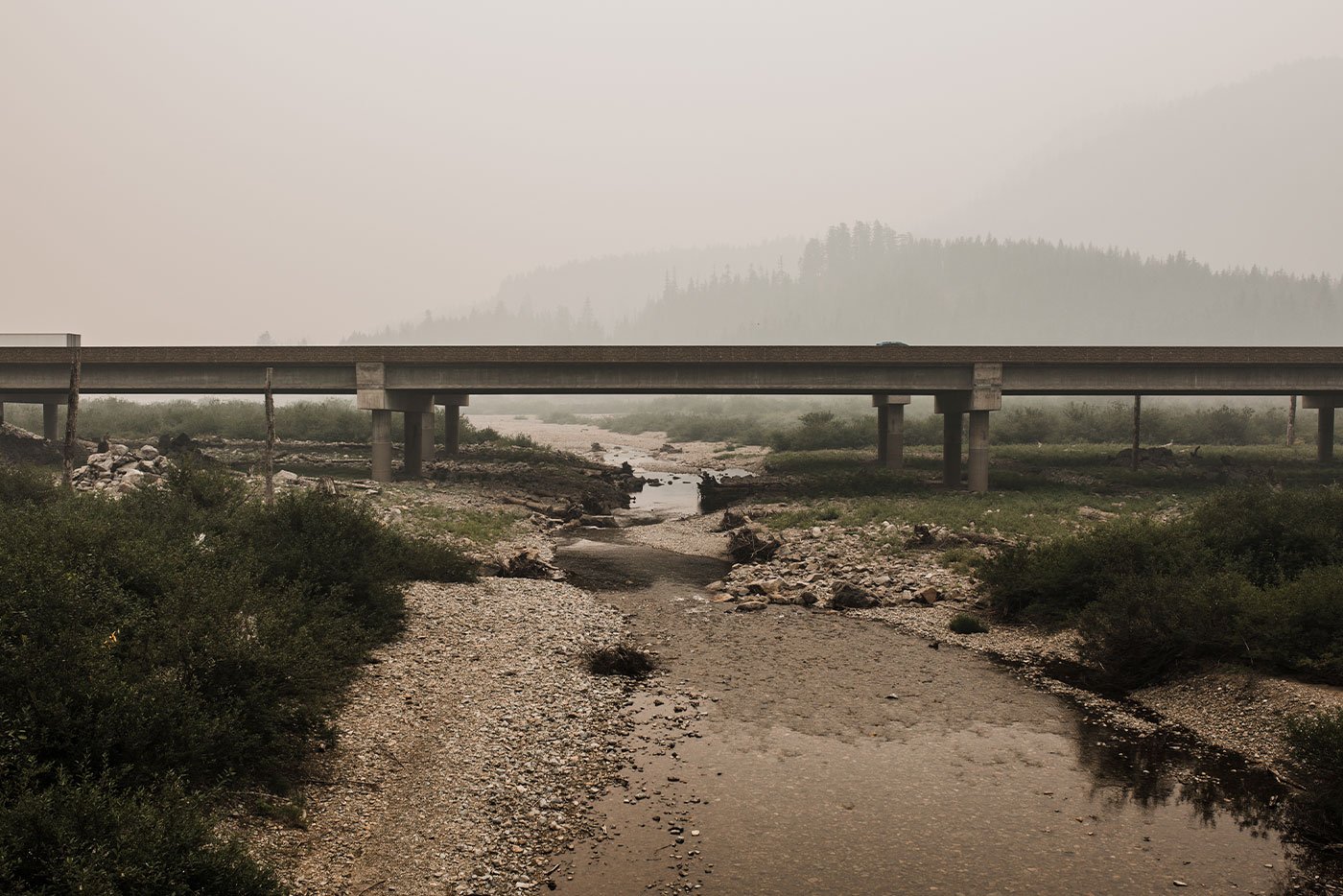

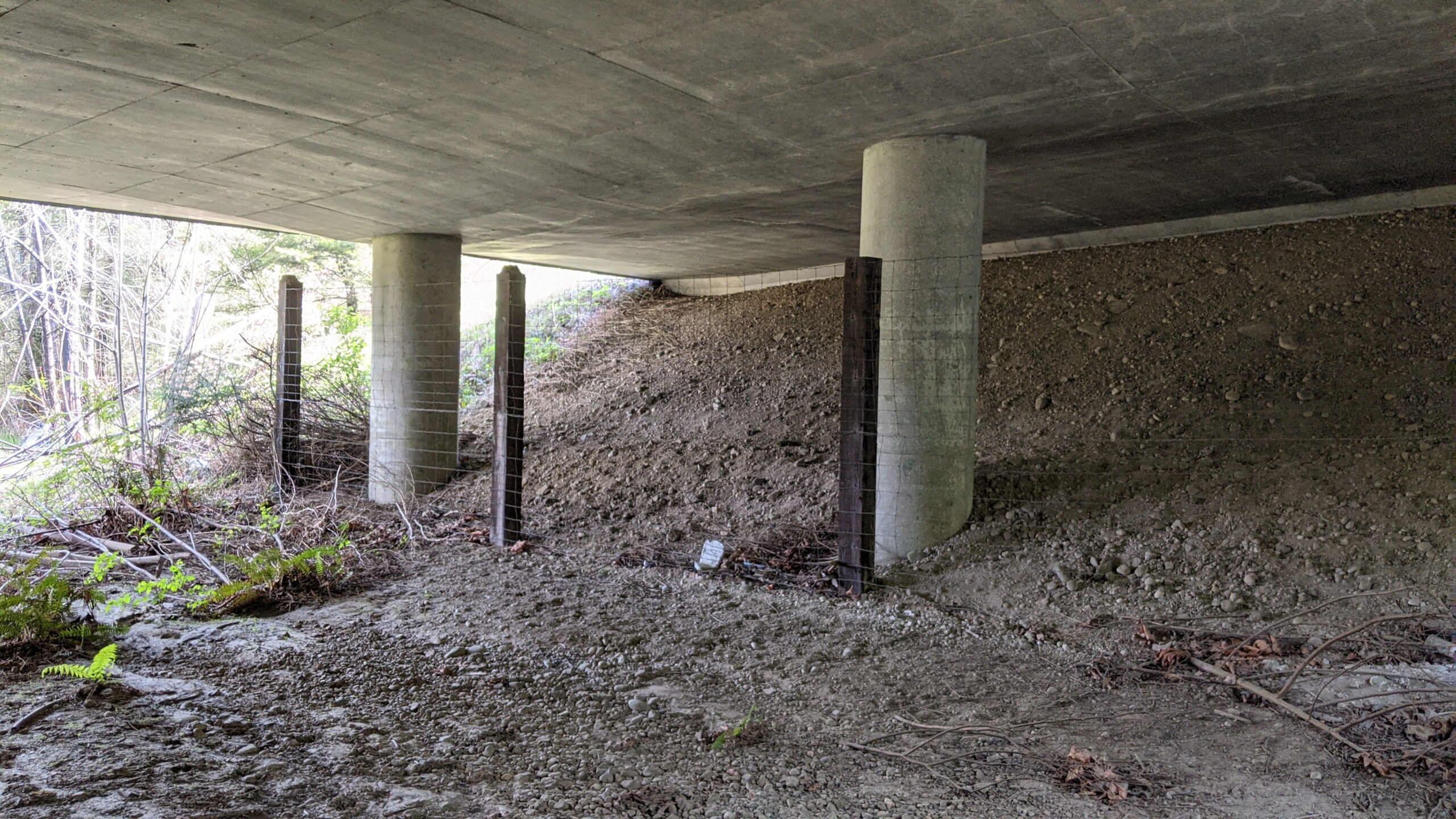
Why an overpass instead of an underpass?
Both overpasses and underpasses can be important tools, depending on the landscape, the highway, and the species that need to move through the area.
In this location, an overpass may provide the best opportunity to reconnect habitat for a wide range of wildlife. Overpasses can be especially useful for species that prefer open, natural-feeling movement corridors and may be less likely to use a dark or narrow underpass.
The final design will depend on engineering, wildlife movement data, road conditions, land ownership, and agency review. The key is to build the right crossing in the right place.
What comes next for Cascades to Olympics?
Now we need to connect the secure habitat with infrastructure that allows wildlife to safely move over I-5. Currently, when they reach I-5, they face a daunting crush of freeway traffic with the possibility of death highly likely.
That means continuing to protect and restore habitat, working with partners and agencies, and building the public and political support needed to fund the design of a wildlife overpass.
The most critical next step is advancing state policy and funding for wildlife connectivity. During the last legislative session, we came close to passing SB 5203, which would have established dedicated accounts for connectivity and wildlife corridors and formalized WDFW–WSDOT collaboration to secure these crossings. As we look to the next biennium, we’ll continue pursuing legislative investment and action so Washington can plan, fund, and build wildlife passages where they are needed most. These tools can help Washington plan, fund, and build safe wildlife passages where they are needed most.
The Seattle Times story helps more people see what is possible. Now we need to make sure that attention turns into action.
How you can help
You can help build momentum for Cascades to Olympics by reading and sharing the Seattle Times story, talking with your community about the importance of wildlife connectivity, and supporting state investments in safe wildlife passage. If you are not already signed up for our newsletter and action alerts, you can do so here.
Together, we can create a wilder, safer, more connected Washington for wildlife and people.