Wildlife Impacts from Recreation

Reducing wildlife disturbance across Washington through science based recreation planning, community education, and partnerships that help people and wildlife coexist on shared landscapes.


conservationnw image
Our Approach

Reducing wildlife disturbance by guiding how people recreate in Washington’s most sensitive habitats.

Outdoor recreation in Washington has surged, bringing more people into landscapes where wildlife are already stressed by habitat loss, climate change, and rapid development. Increased human presence can displace animals, disrupt feeding and breeding, and push sensitive species out of the places they rely on most. Our Wildlife Recreation Coexistence work identifies where these pressures are greatest and partners with recreation groups to build awareness, improve behavior, and reduce disturbance. Through education, outreach, and collaboration with Tribal leaders, scientists, and land managers, we help recreationists understand their impacts and adopt practices that keep wildlife safe. By shaping how and where people recreate, we protect the animals that make Washington’s wildlands truly wild. 

Current Focus

Work We’re Doing to Achieve Wildlife Impact from Recreation Goals

Capa 1 1

Wildlife Research

We work to understand and reduce the impacts of outdoor recreation on Washington’s wildlife by synthesizing published science, conducting innovative analyses, and identifying species and geographies most vulnerable to disturbance.

Our team reviews research on how activities like motorized use, mountain biking, backcountry skiing, and year-round trail traffic affect species such as wolverines, elk, grizzly bears, bighorn sheep, marbled murrelets, and mountain caribou. These findings help inform our engagement on recreation related proposals — from ski area expansions to ebike access — ensuring that wildlife needs are fully considered in planning and decision-making.

We also work closely with Tribes, agencies, and partner organizations to evaluate how increased recreation affects culturally important species, First Foods, and treaty protected activities.

icon 8

Responsible Recreation

To reduce wildlife disturbance, we collaborate with recreation groups to share clear, science-based guidance on how and where to recreate responsibly.

Our education and outreach efforts help recreationists understand the cumulative impacts of human presence and adopt practices that minimize stress on sensitive species. Through both grassroots and grasstops advocacy, we work to shape policies that balance recreation access with wildlife conservation, identifying areas where increased use is appropriate and areas where stronger protections are needed.

This work helps ensure that Washington’s growing outdoor community can enjoy public lands while supporting the long-term recovery and resilience of the wildlife that depend on them.

Impact & Results

A History of Wildlife Impact from Recreation

Outdoor recreation in Washington has rapidly increased in recent years, creating new pressures on wildlife and their habitats. Through research, science synthesis, and early engagement, we’ve worked to understand these impacts and inform more balanced approaches that protect sensitive species while guiding responsible recreation across public lands.
Ebike policy engagement to protect sensitive habitats
Science synthesis on recreation–wildlife interactions
Launching the Wildlife Ambassador Project
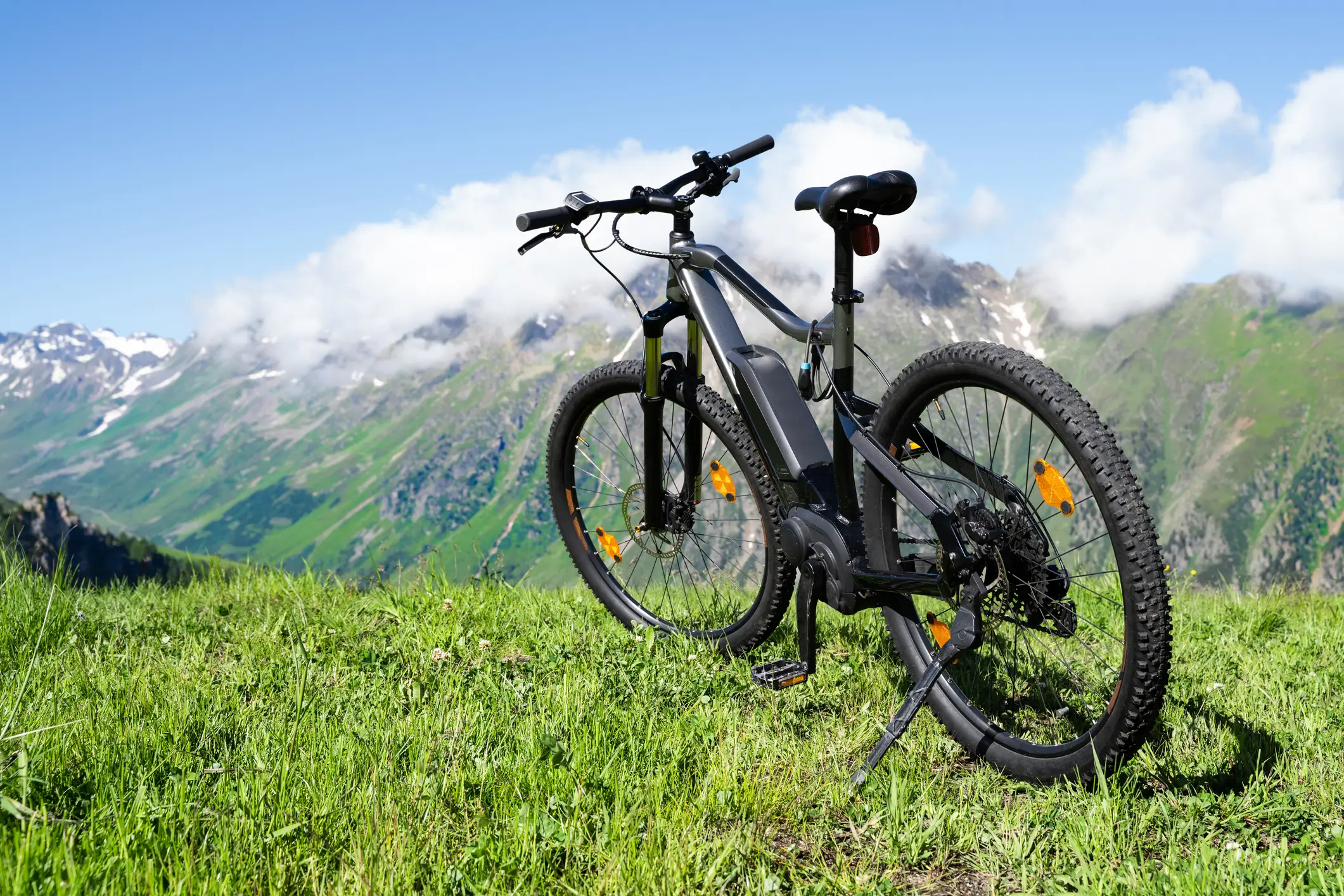
E bike in mountain landscape Photo AndreyPopov

Ebike policy engagement to protect sensitive habitats

In 2021, Conservation Northwest served on a statewide ebike policy advisory committee, emphasizing the need to understand wildlife impacts before expanding ebike access into important public land habitats.
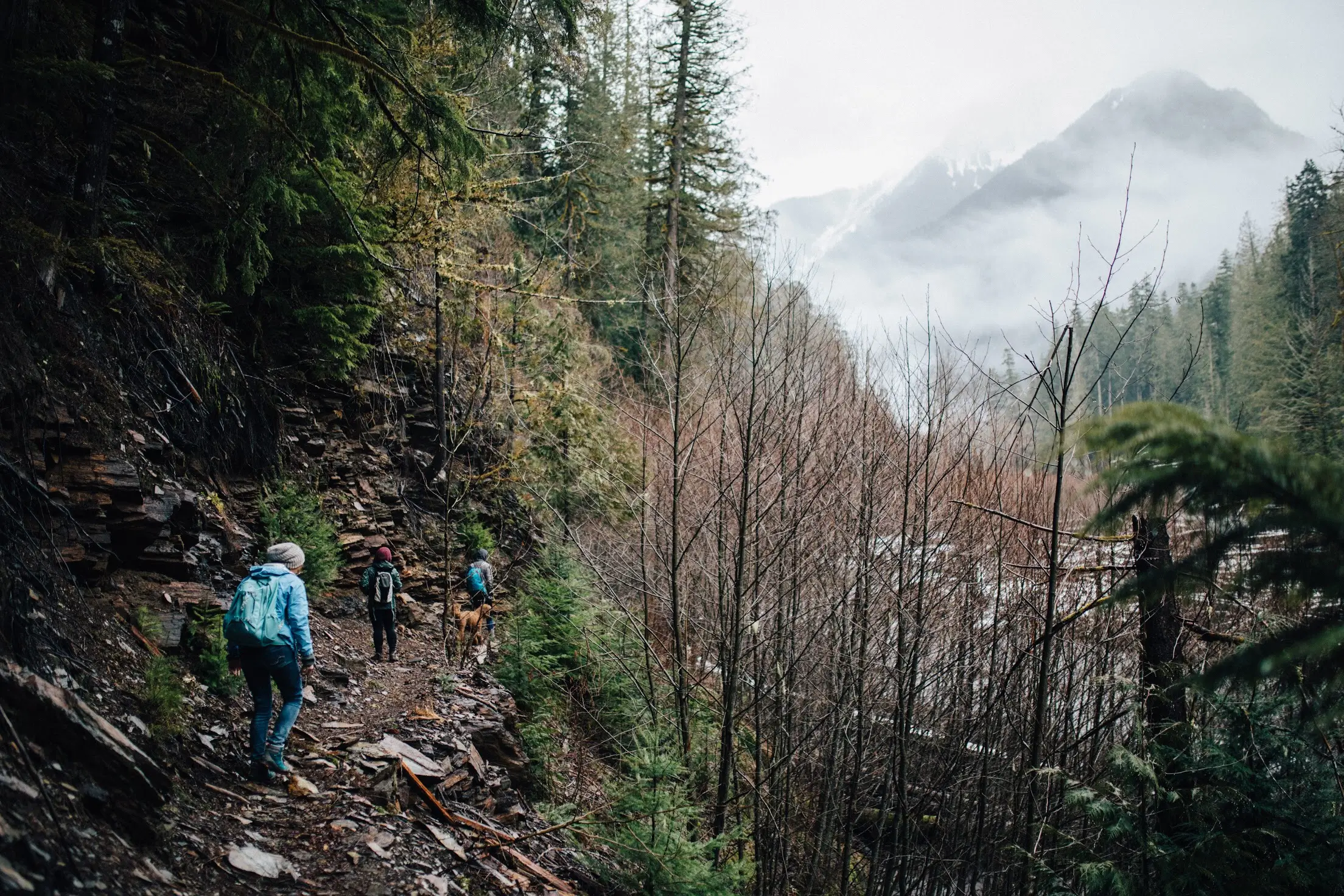
Suiattle River Trail MBSNF Mike Hitchner 21

Science synthesis on recreation–wildlife interactions

In 2022, Conservation Northwest partnered with Home Range Wildlife Research to produce a report summarizing published science on how wildlife respond to recreationists across species and activity types.
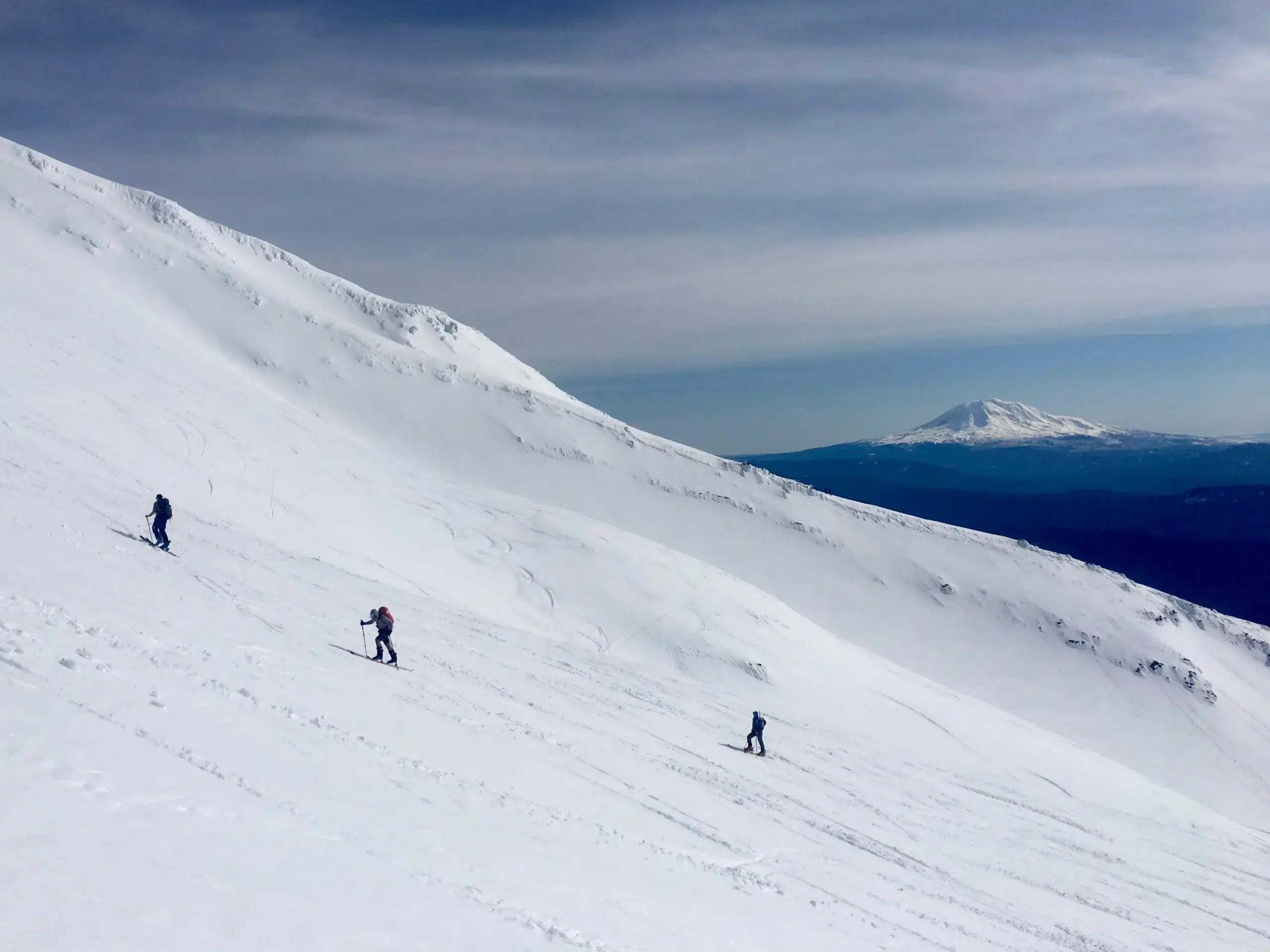
Mount St. Helens Backcountry Skiing Nicole Flores scaled

Launching the Wildlife Ambassador Project

These findings directly informed the creation of the Wildlife Ambassador Project in 2023, grounding its outreach and education work in the best available science.
Impact & Results

Our Key Accomplishments for Wildlife Impact from Recreation

From protecting critical landscapes to advancing collaborative forest restoration, these efforts deliver lasting benefits for wildlife, habitat connectivity, and climate resilience.

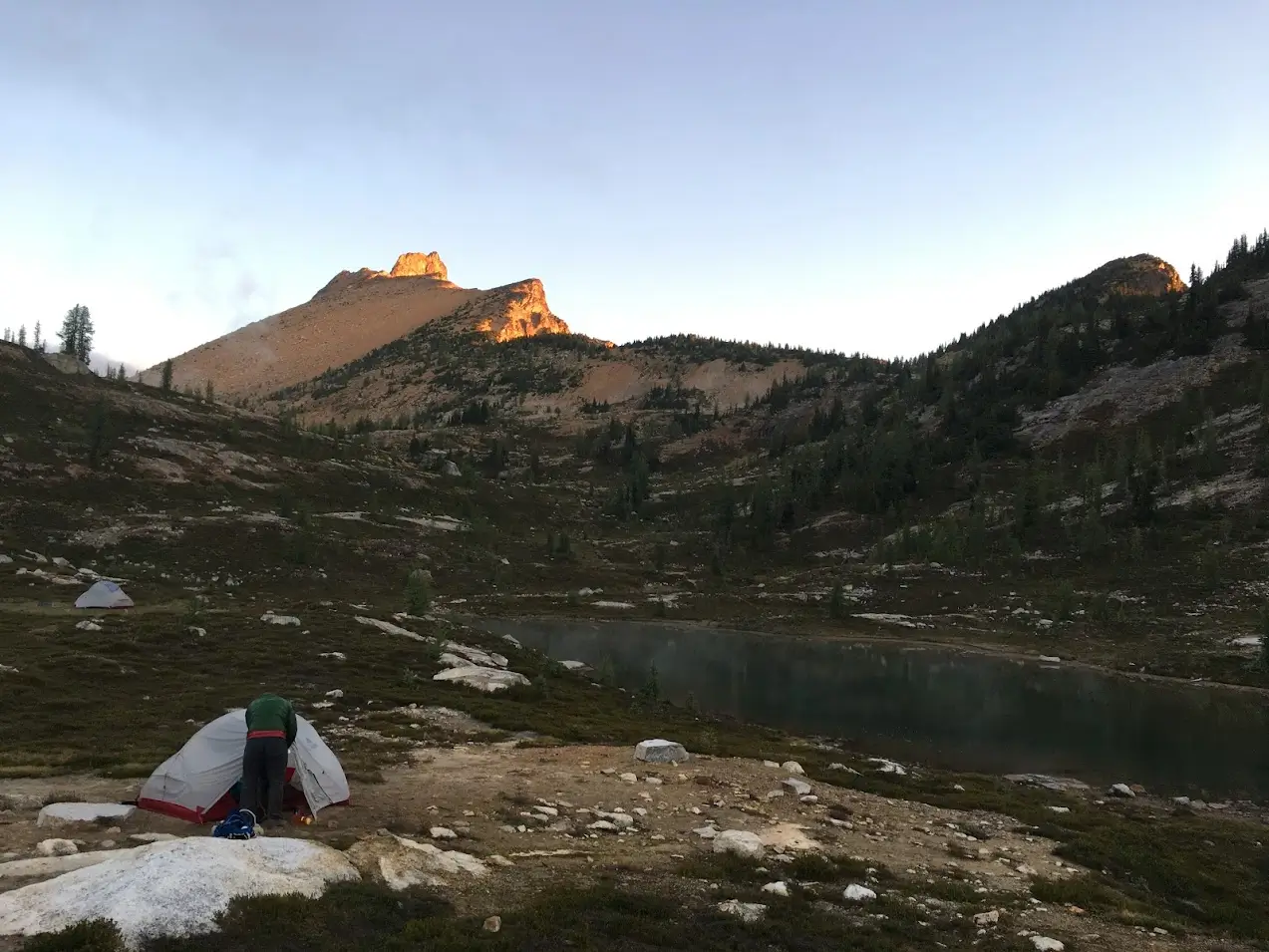
Alpine camping Julia Syi
Britschgi Rob 1 bikers stanwood
Do Not Feed Wildlife NPS