Seattle’s World Cup Moment and the Hidden Strain on Wild Places
Published on
Jun 15, 2026

On June 11th, over a billion soccer fans worldwide tuned into watch the opening match of the 2026 FIFA Men’s World Cup in Mexico City. This year the tournament is being hosted across the United States, Canada, and Mexico, and features 48 teams and 104 matches over 39 days. For the first time ever, Seattle will be a host city, facilitating six matches across the months of June and July. Projected numbers for visitors coming to Seattle for the games are estimated to be around 750,000 people. While the city of Seattle continues to prepare for this spike in visitation through infrastructure improvement and careful planning, less can be said for the trails and wild spaces that will, undoubtedly, also see an increase in visitors.
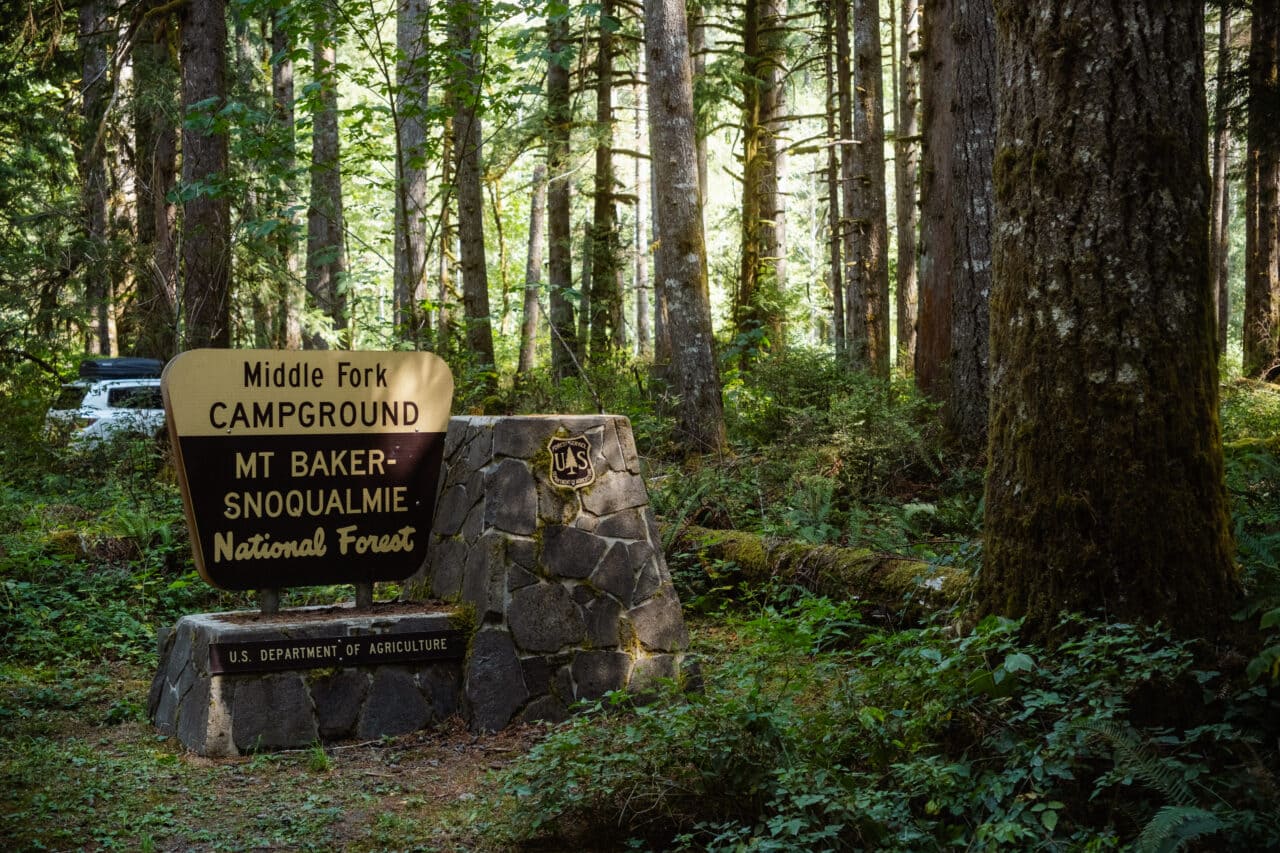
With land managers already stretched thin due to federal and state budget cuts, there is a fair amount of concern surrounding the immediate and lasting impacts this amount of traffic will have on public lands, particularly on sensitive wildlife and their habitats. Recreation science continues to show that outdoor recreation can have serious impacts on wildlife through disturbance and displacement.
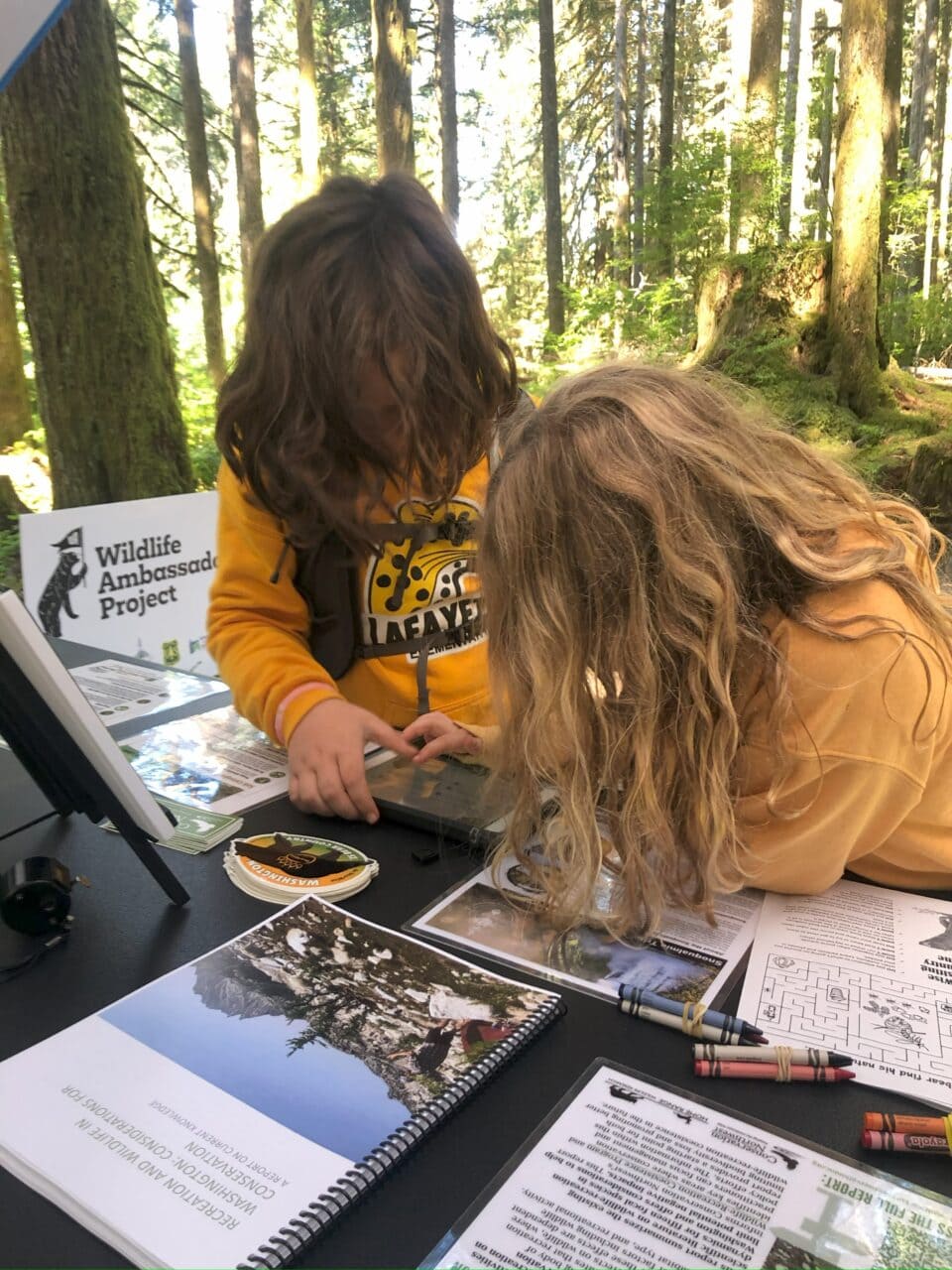
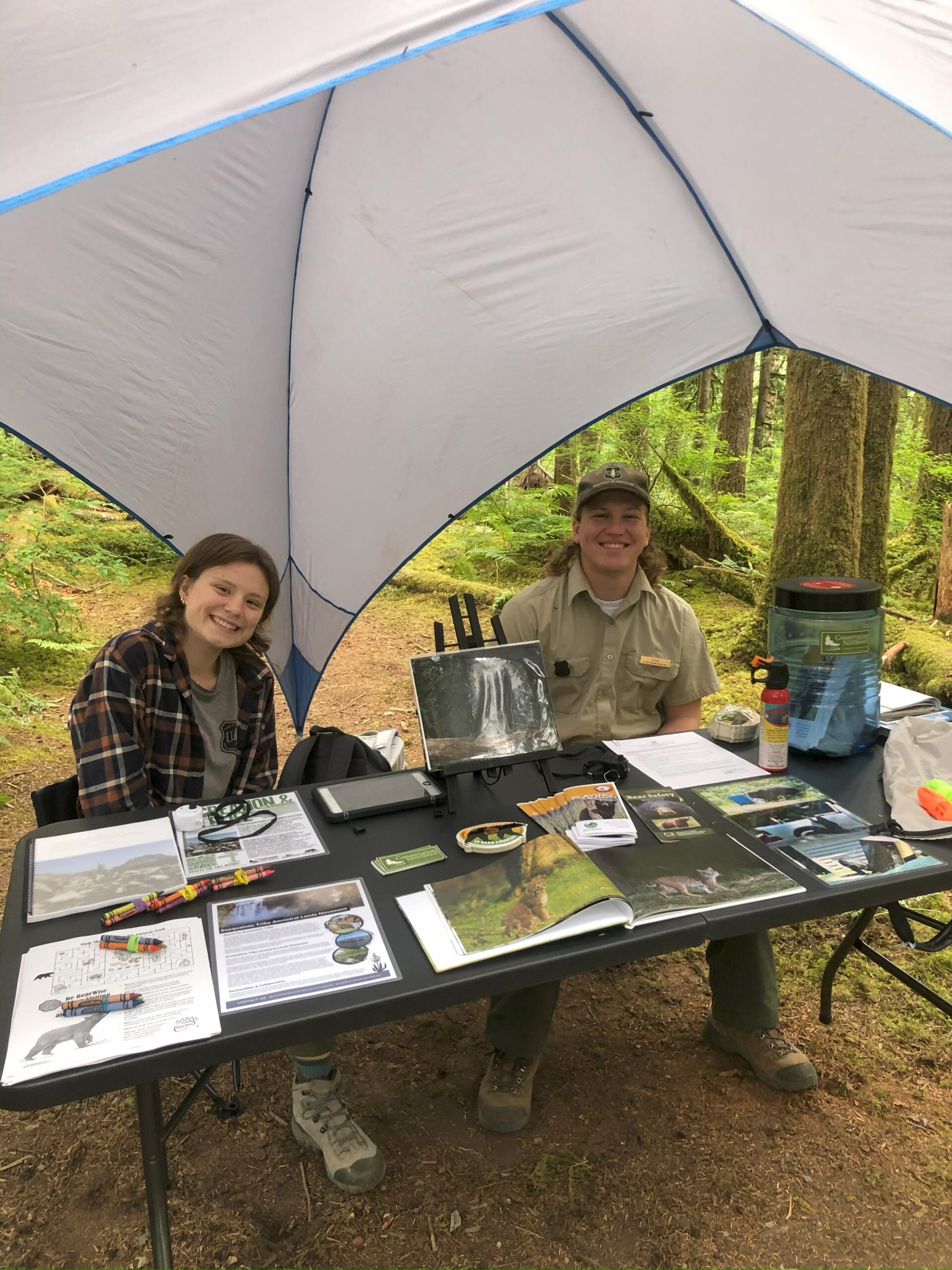
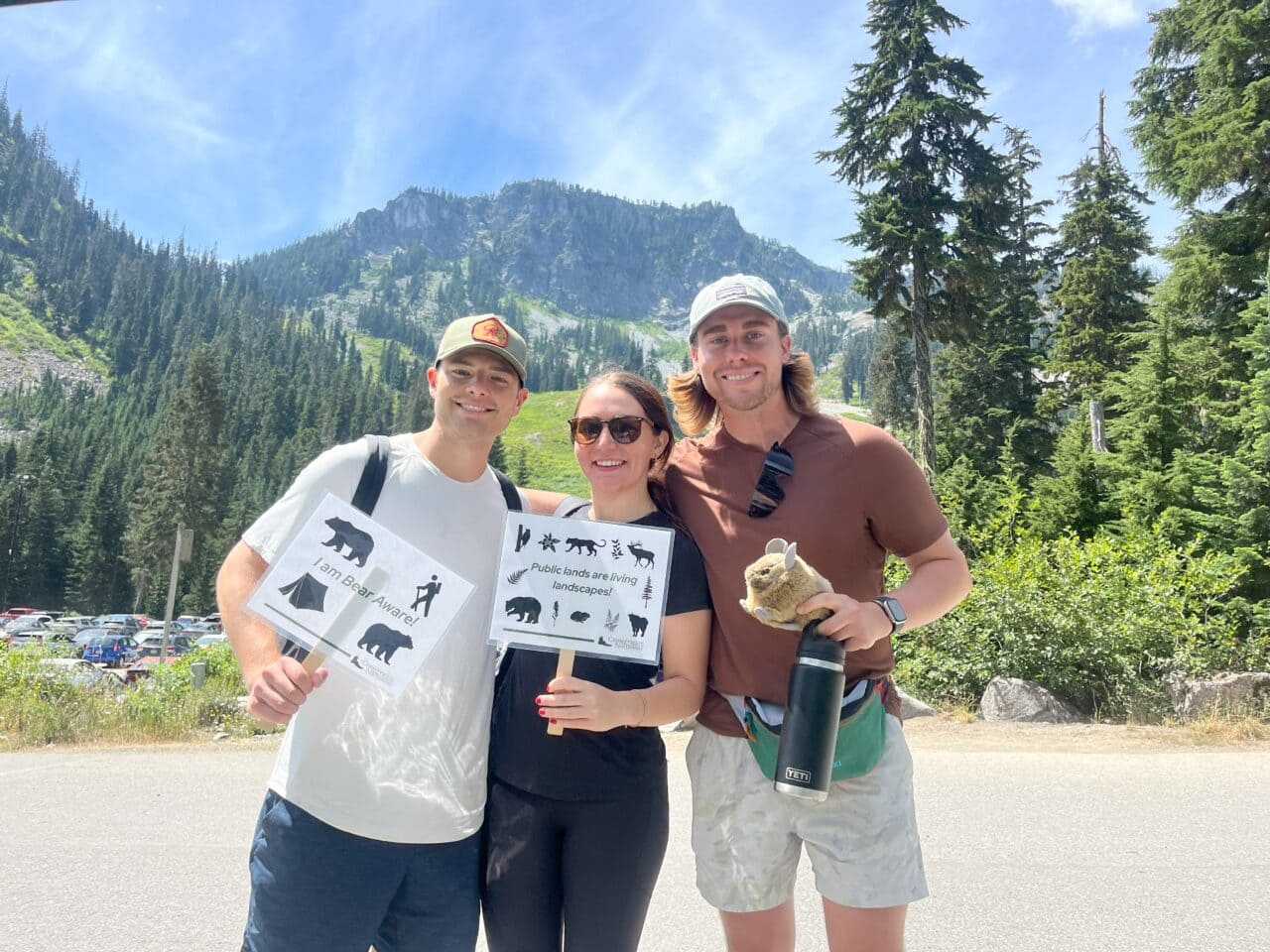
Conservation Northwest’s “Wildlife Ambassador Project,” the outreach arm of the Wildlife-Recreation Coexistence Program, is set to begin trailhead ambassador work at the end of the month and will be focusing on sharing tangible ways in which outdoor recreationists can help curb their individual impact. Principles like staying on designated trails, keeping pets leashed, packing out waste, and properly securing food and trash, when put into cumulative practice, can have positive impacts on ecosystems and the animals that call them home. Other tips such as learning about local wildlife can help better equip outdoor recreationists for wildlife encounters they may have on trails. If you’d like to review some resources on responsible recreation before you take to the field, our blog post has best practices for traveling on trails, wildlife contact, and securing your food and scented items.
For more information about the Wildlife Ambassador Project, or how to become a “wildlife ambassador,” see our website here.