


Impact & Results
A History of Connected Backbone
The Connected Backbone work focuses on protecting and restoring the shrub steppe landscapes that link wildlife habitat across the interior Northwest.
Protecting landscape scale linkages across the shrub steppe
Restoring habitat while partnering with landowners
Monitoring and recovering key shrub steppe species
Protecting landscape scale linkages across the shrub steppe
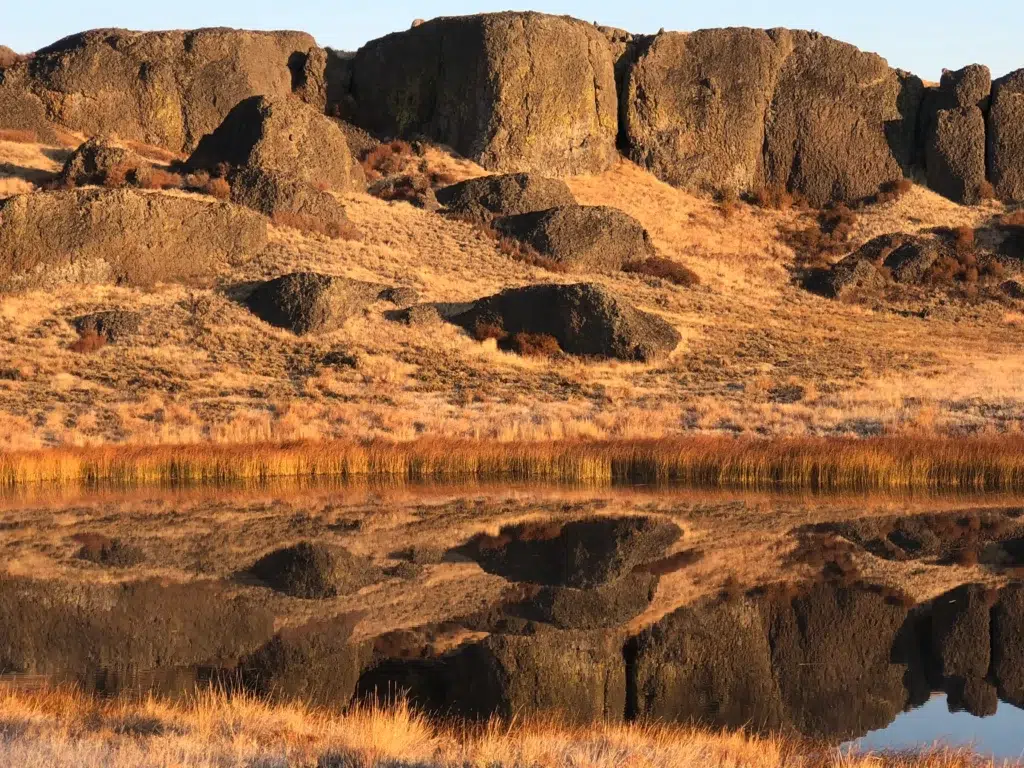
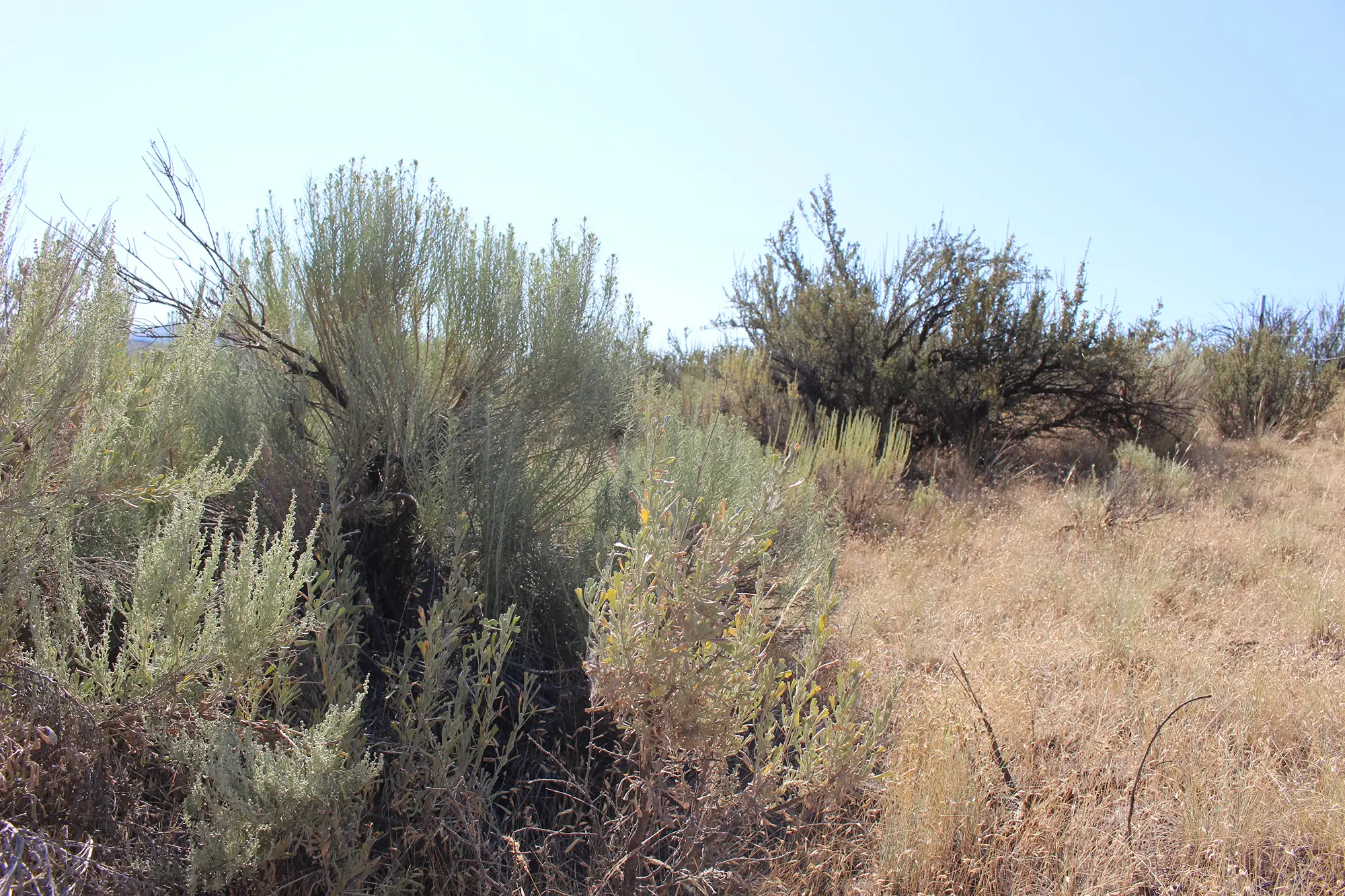
The Sagelands Heritage Program safeguards large, connected shrub steppe habitats by working with land trusts, conservation districts, agencies, Tribes, and industry partners. The focus is maintaining regional ecological connectivity and protecting sensitive landscapes for wildlife and future generations.
Restoring habitat while partnering with landowners
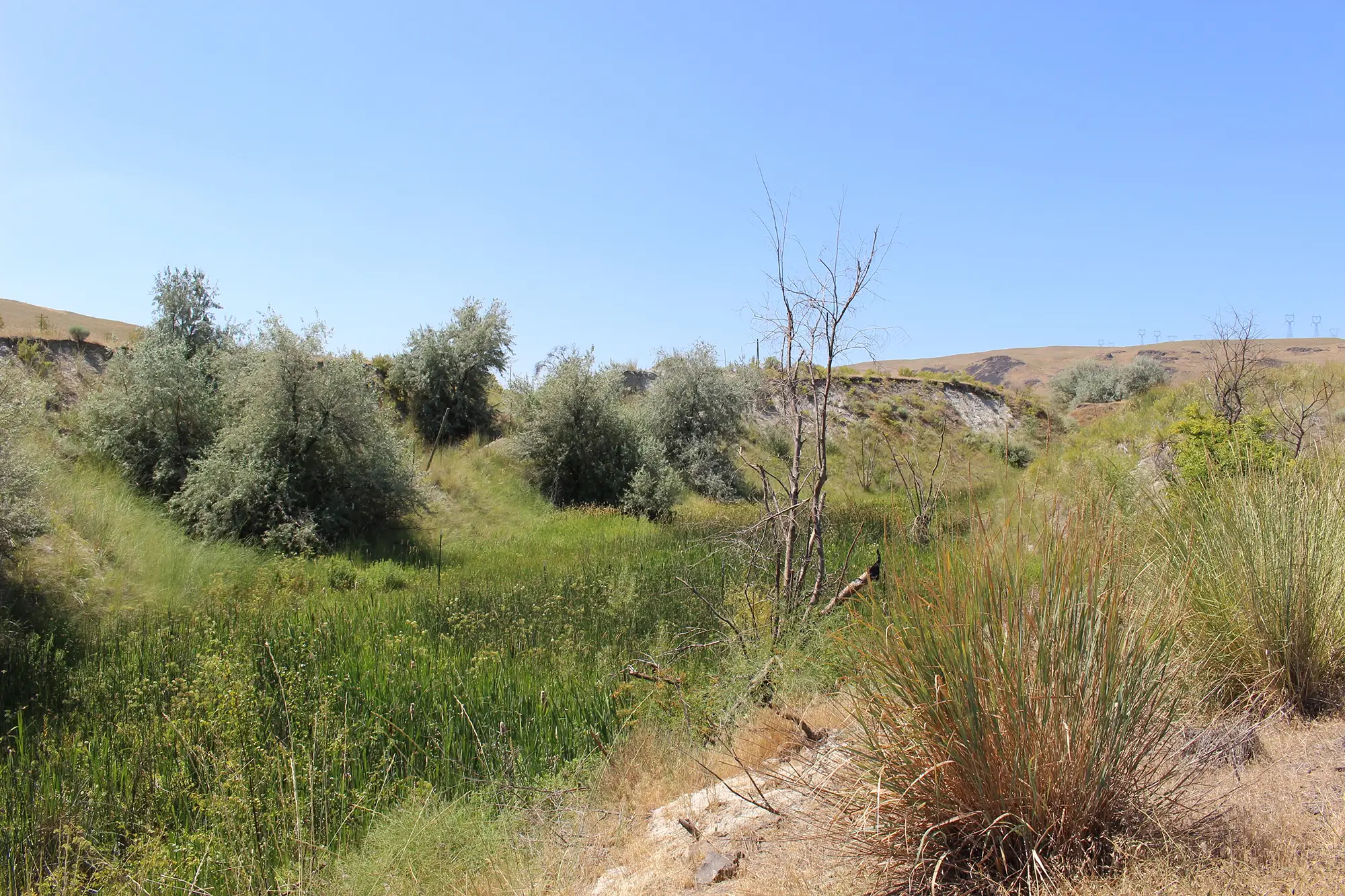
Staff work directly with farmers, ranchers, and other landowners to restore habitat on working lands and support stewardship practices—such as virtual fencing—that improve forage, enhance biodiversity, and connect the mosaic of habitat and agricultural lands across central Washington.
Monitoring and recovering key shrub steppe species
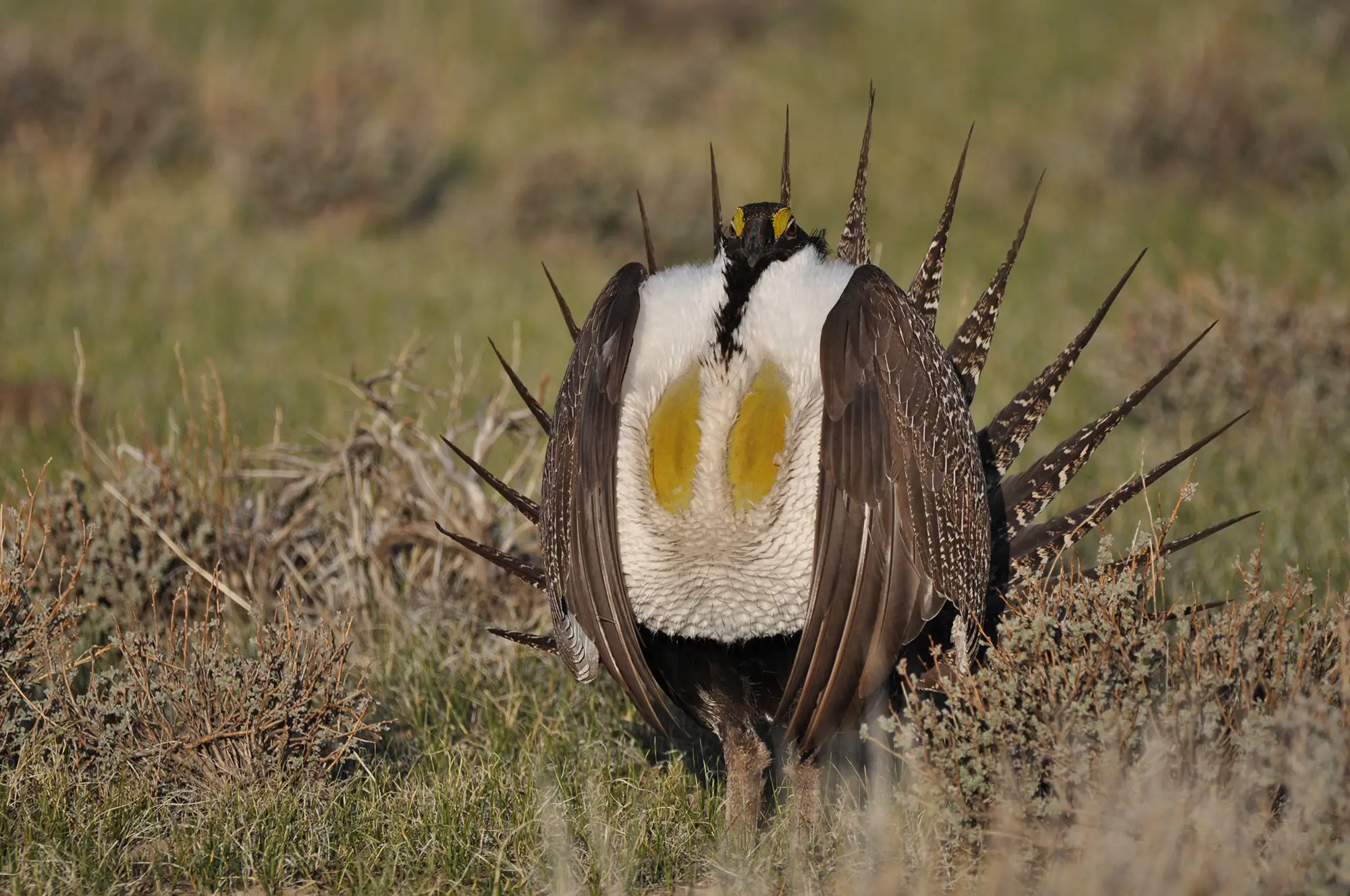
The program tracks and supports recovery of vulnerable species including burrowing owls, ground squirrels, badgers, Columbia Basin pygmy rabbits, mule deer, elk, pronghorn, and sharp tailed grouse. Field studies and partnerships with biologists guide targeted restoration and community education to help these species persist and thrive.
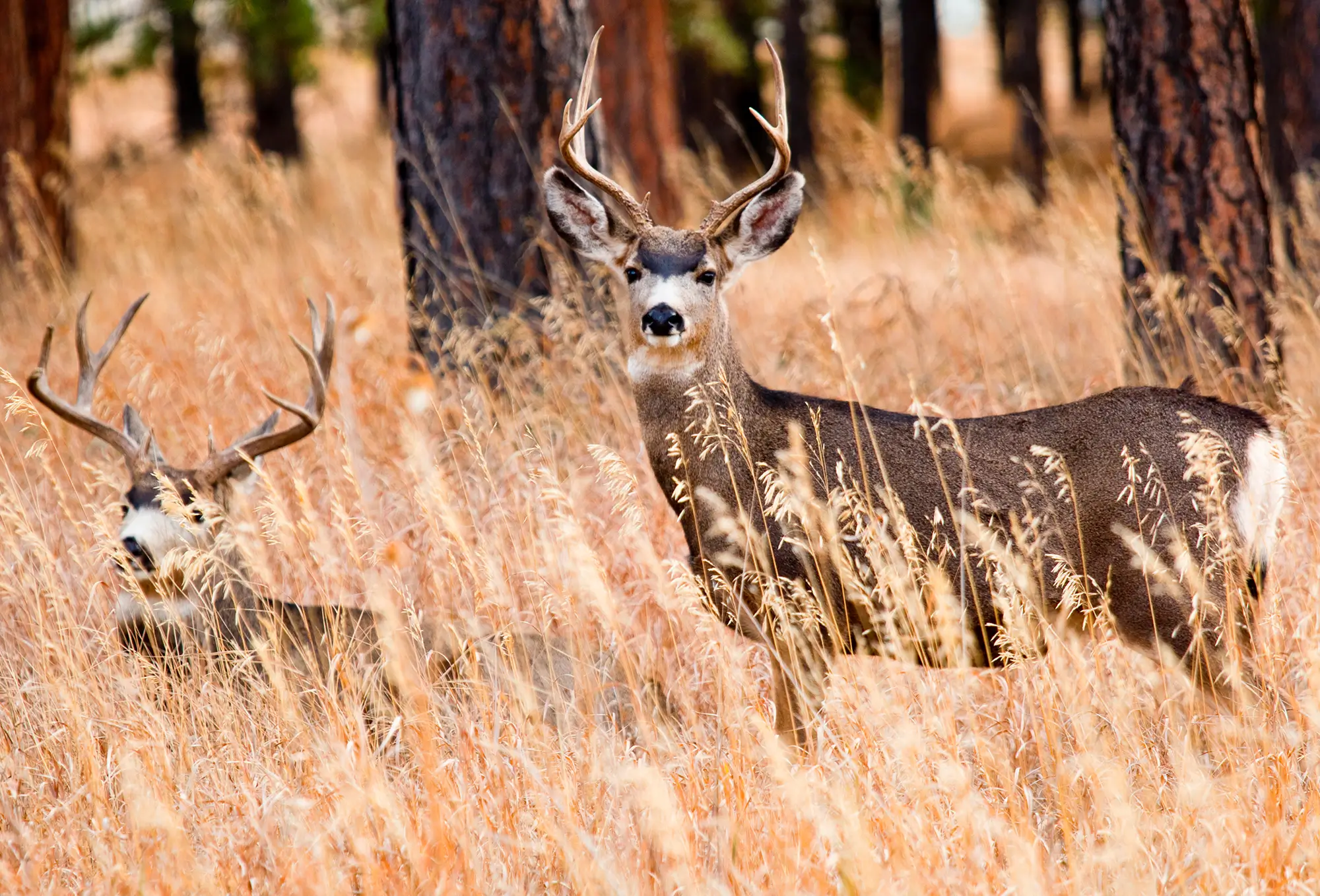
Safe Passage 97
Reducing Wildlife Collisions and Restoring Connectivity
Since the mid 2010s, the program has advanced Safe Passage 97, a multiphase effort to reduce wildlife vehicle collisions and maintain connectivity between the Kettle Crest and the Cascade Mountains along the Highway 97 corridor.
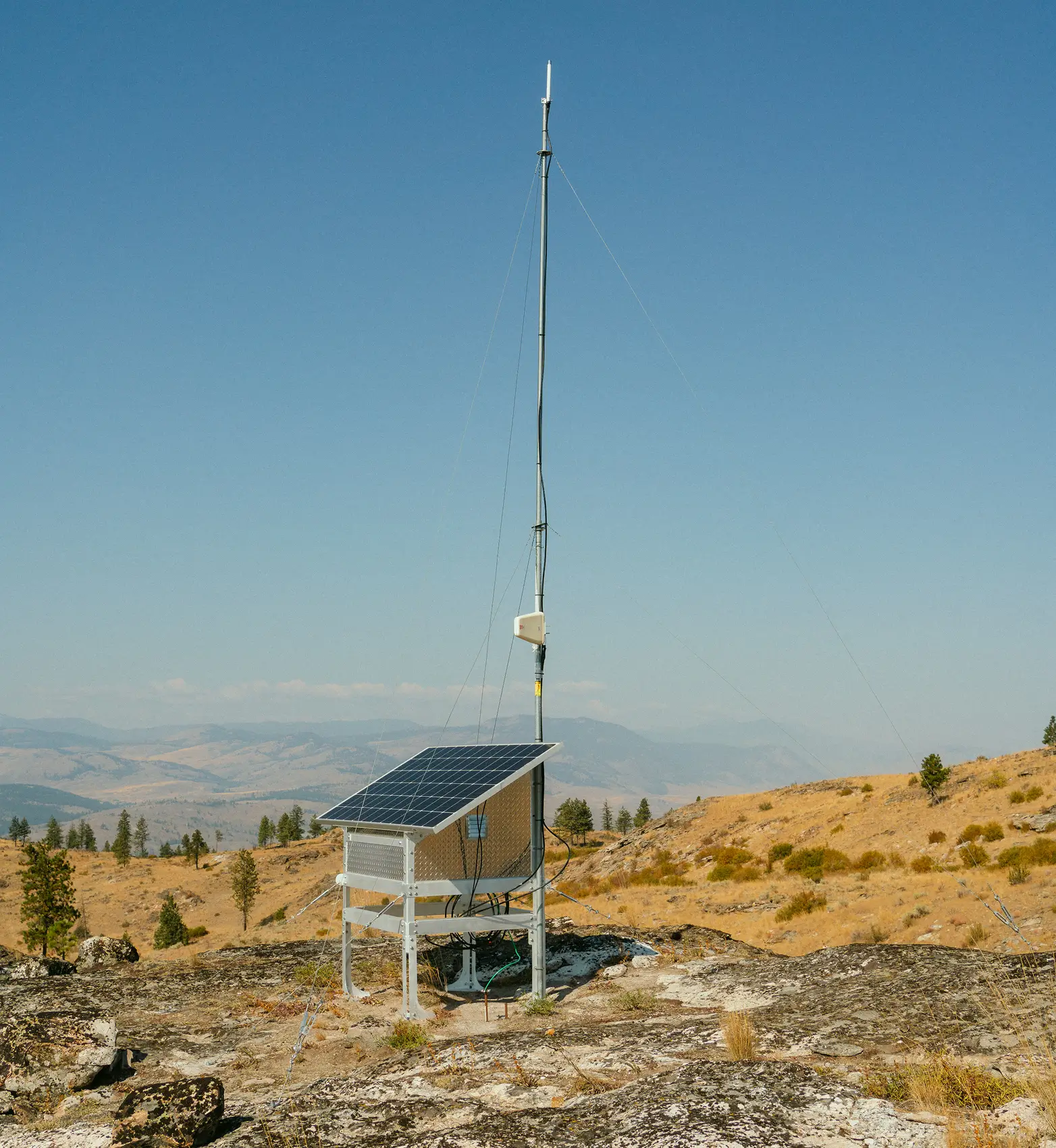
Virtual Fencing Expansion
Supporting Wildlife Friendly Ranching Across Eastern Washington
Over the past decade, the program has catalyzed the adoption of virtual fencing across eastern Washington, partnering with ranchers, Conservation Districts, and landowners to replace hard fencing with wildlife friendly virtual systems in places such as Tunk Valley, Dyer Hill, Kittitas Valley, Moses Coulee, and into British Columbia.
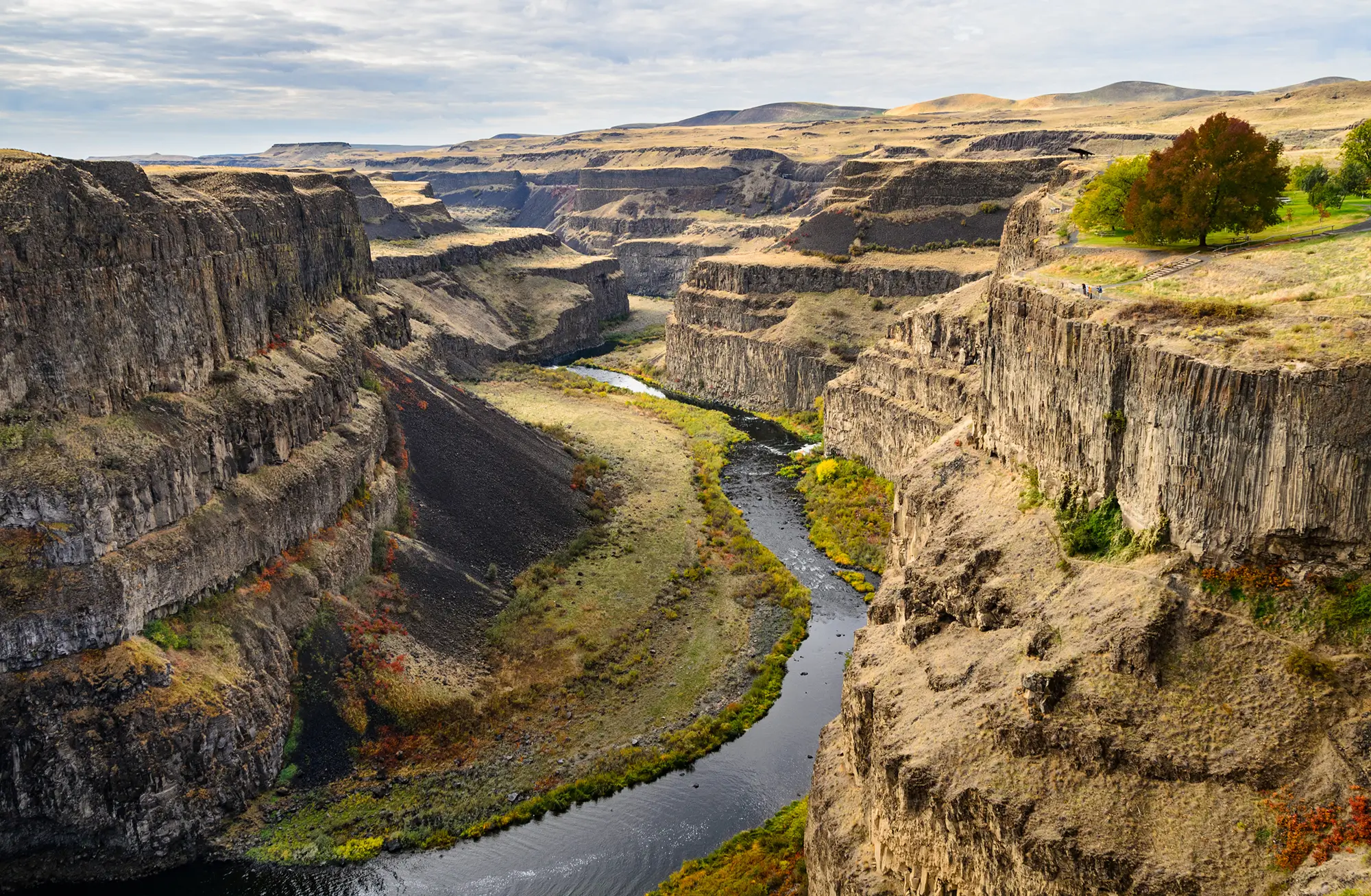
Shrub Steppe Habitat Restoration
Protecting and Reconnecting Core Columbia Plateau Landscapes
The program has protected and restored core shrub steppe habitats across the Columbia Plateau, expanding and reconnecting key areas through restoration and conservation actions at Spiva Butte, Moses Coulee, Dyer Hill, and multiple WDFW wildlife areas including L.T. Murray, Wenas, and Sagebrush Flats.


