Connected Landscapes and Clean Energy: Responsible Clean Energy Planning Starts on the Ground
Published on
Sep 3, 2026

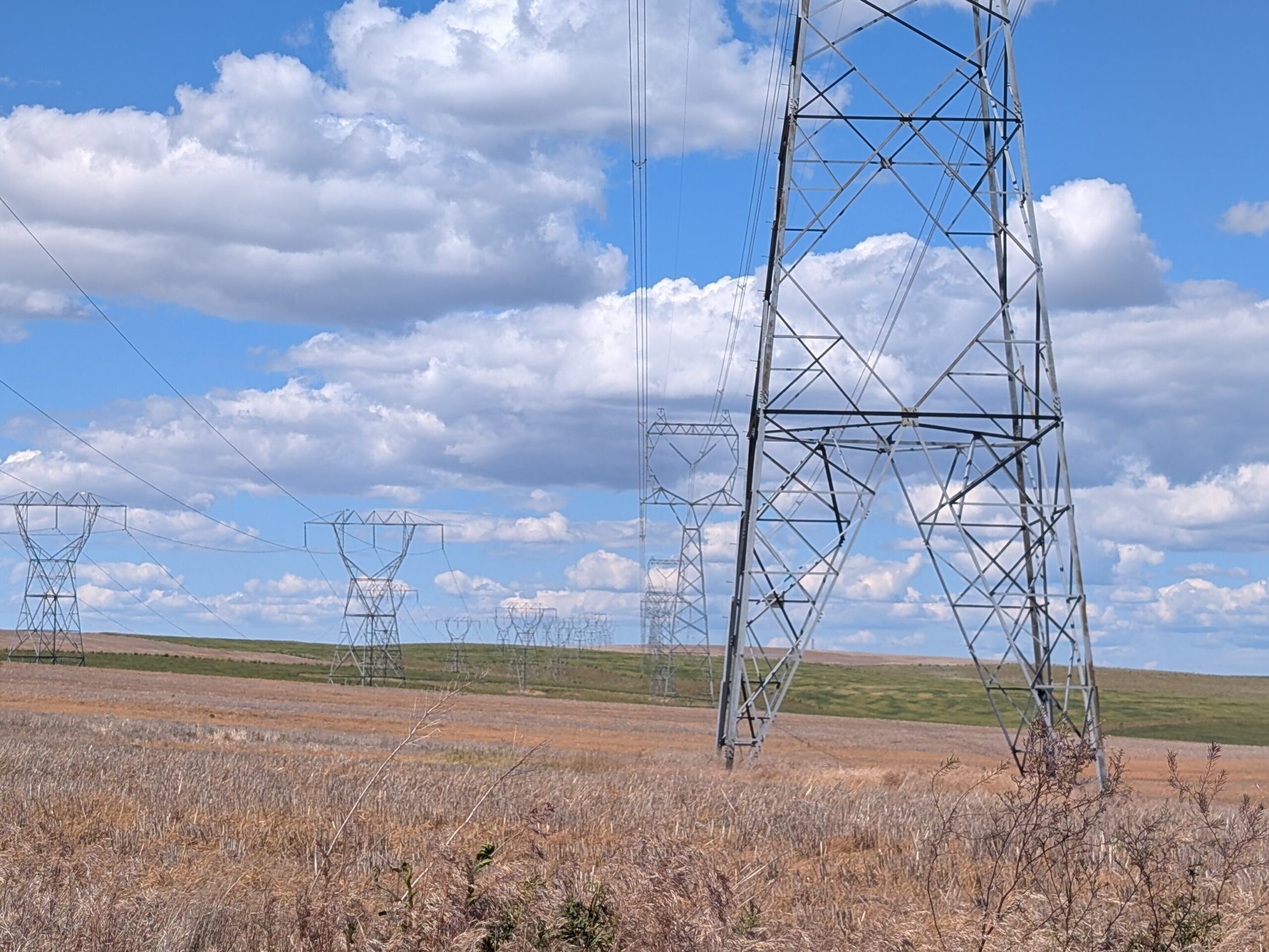
Washington’s clean energy transition is essential – and must be planned with care. Across the Columbia Plateau, Conservation Northwest’s Sagelands Heritage Program is working in coalition to help guide wind, solar, and transmission development toward lower-conflict areas while protecting the shrub-steppe, working farms and ranches, wildlife corridors, and culturally important places that make this region unique.

In June, our Central Washington Clean Energy Field Tour brought together landowners, Tribal staff, county officials, community members, conservation partners, and energy leaders to talk and walk through one of the hardest questions facing Washington State: how do we build the clean energy we need without losing the landscapes and relationships that sustain us?
What stood out most was the value of hearing directly from people and communities living with these decisions. Landowners described the financial pressures shaping farm operations and long-term land-use choices. Tribal staff shared cultural knowledge that reminded participants that places that may look “open” on a map can hold deep history, responsibility, and relationships. County officials spoke about the growing complexity of reviewing utility-scale clean energy proposals at the local level, while community members shared the battle between necessary energy expansion while struggling with so many projects that can feel too large and too fast, or are disconnected from local priorities.
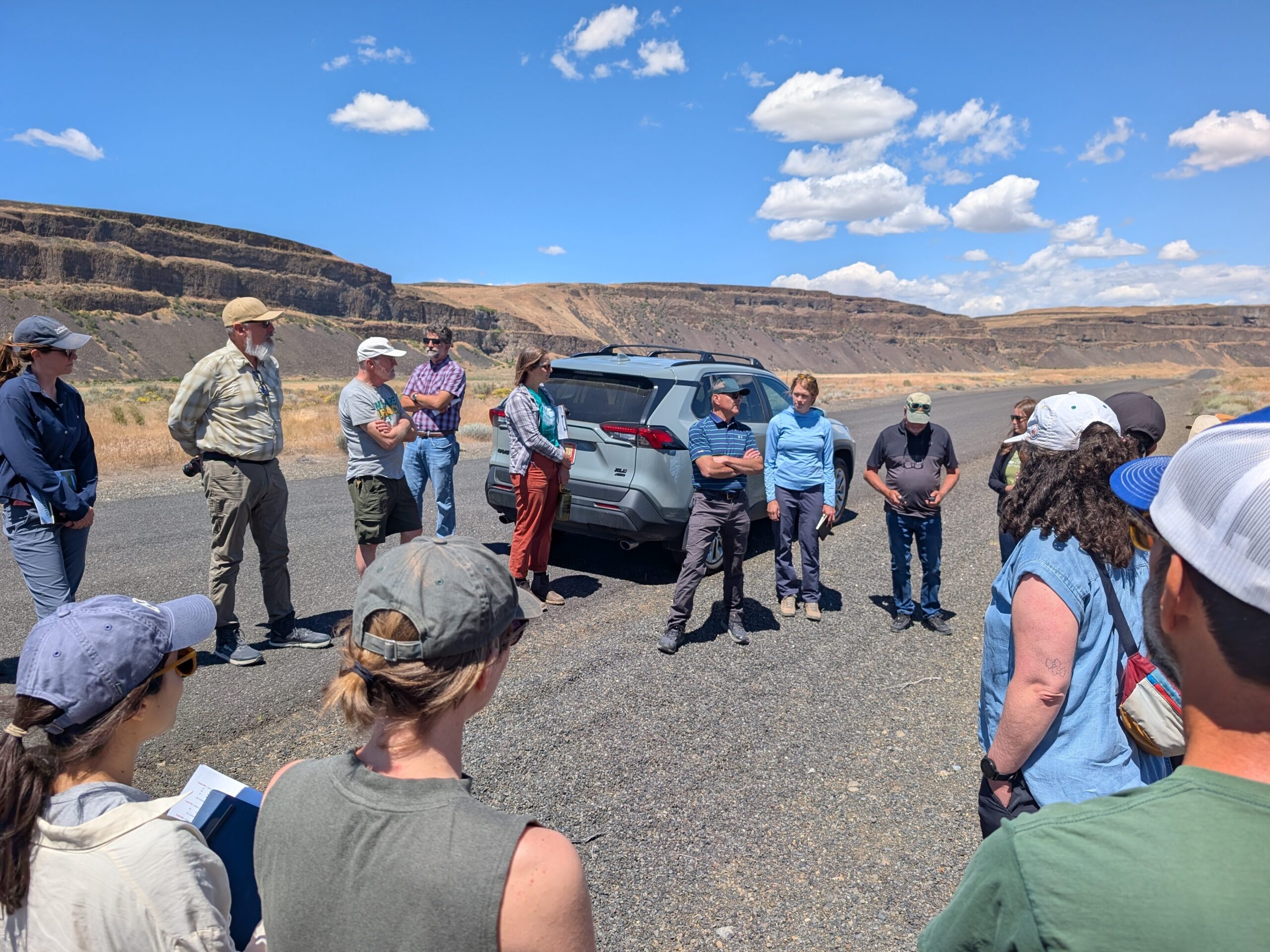
These ongoing conversations continue to reinforce why our team is focused on strategic and collaborative clean energy planning, informed location siting, and policy advocacy to achieve our responsible, sustainable future. Washington has already lost nearly 80 percent of its historic shrub-steppe habitat, and remaining critical areas support struggling species such as greater sage-grouse, Columbia Basin pygmy rabbit, elk, mule deer, sagebrush songbirds and many more. Shrub-steppe is difficult (and often impossible) to replace or restore at meaningful scales once converted, so avoiding impacts to core areas and corridors from the start is critical.
In the last few months, SHP has worked to advance the Energy-Ready Lands Program (ERL) concept, a community-led clean energy siting framework to identify and evaluate suitable sites for clean energy development. Done well, this kind of early, collaborative planning can reduce conflict, protect habitat and cultural resources, support agricultural communities, and help clean energy projects move forward with greater trust and transparency.
One thing was made very clear: clean energy success depends on investing in relationships just as much as infrastructure. Early Tribal consultation, habitat protection, agricultural preservation, transmission planning, and durable community benefits can help shape responsible projects from the very beginning.
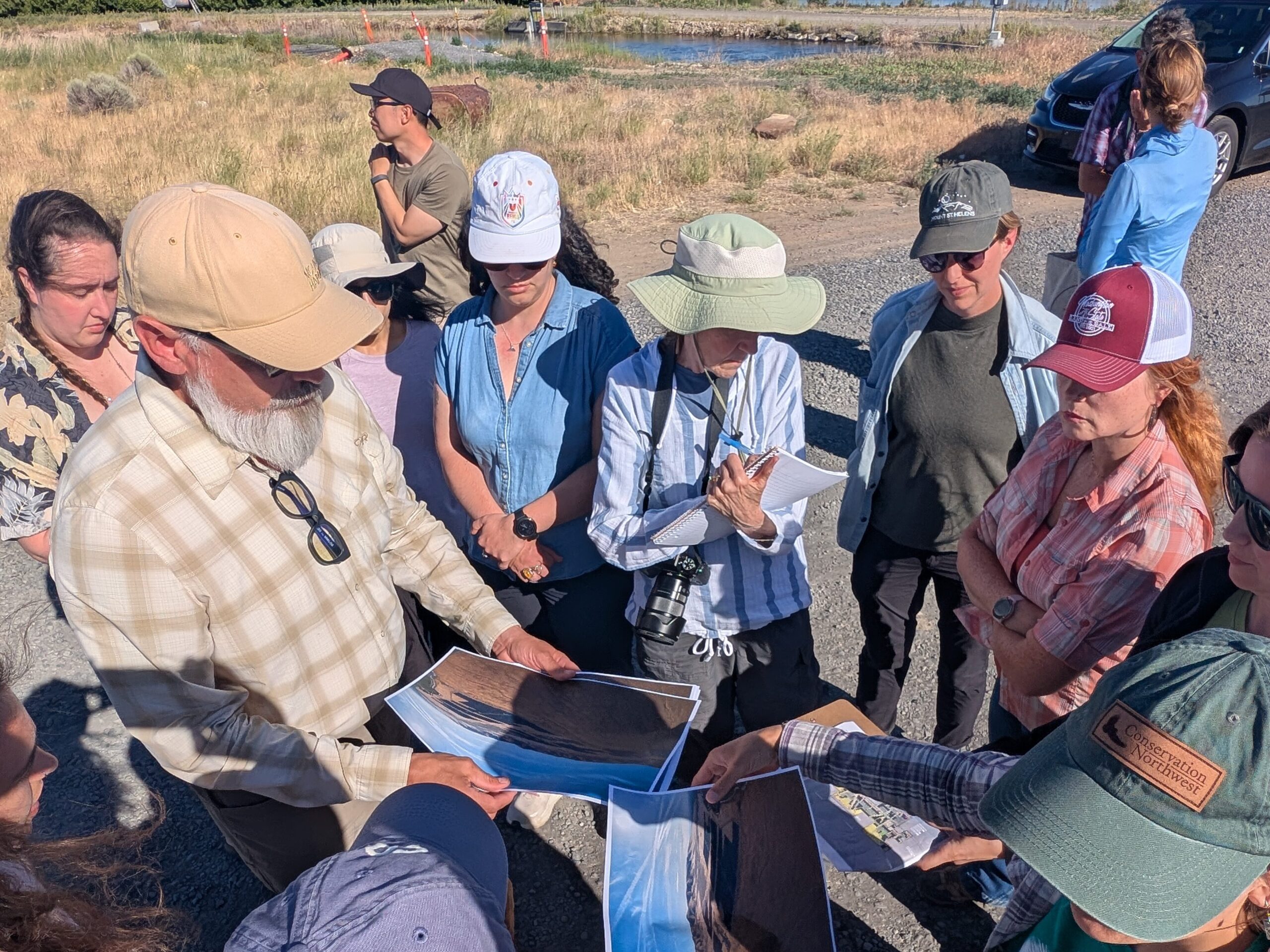
We are grateful to everyone who joined the tour with openness, hard questions, and a willingness to listen. The path ahead will not be simple, but by planning early and working together, Washington can build clean energy in the right way and in the right places—honoring both the urgency of climate action and the landscapes and communities of the Columbia Plateau.