Wildfires, Community and Conservation in the Summer of 2026
Published on
Sep 10, 2026

An unprecedented fire season strained our staff, battered our networks, and reshaped ecosystems. Across three blog posts, we’ll take a look into the last few months for Conservation Northwest and an eye towards the coming restoration.
Part 1: Fire on Our Doorsteps
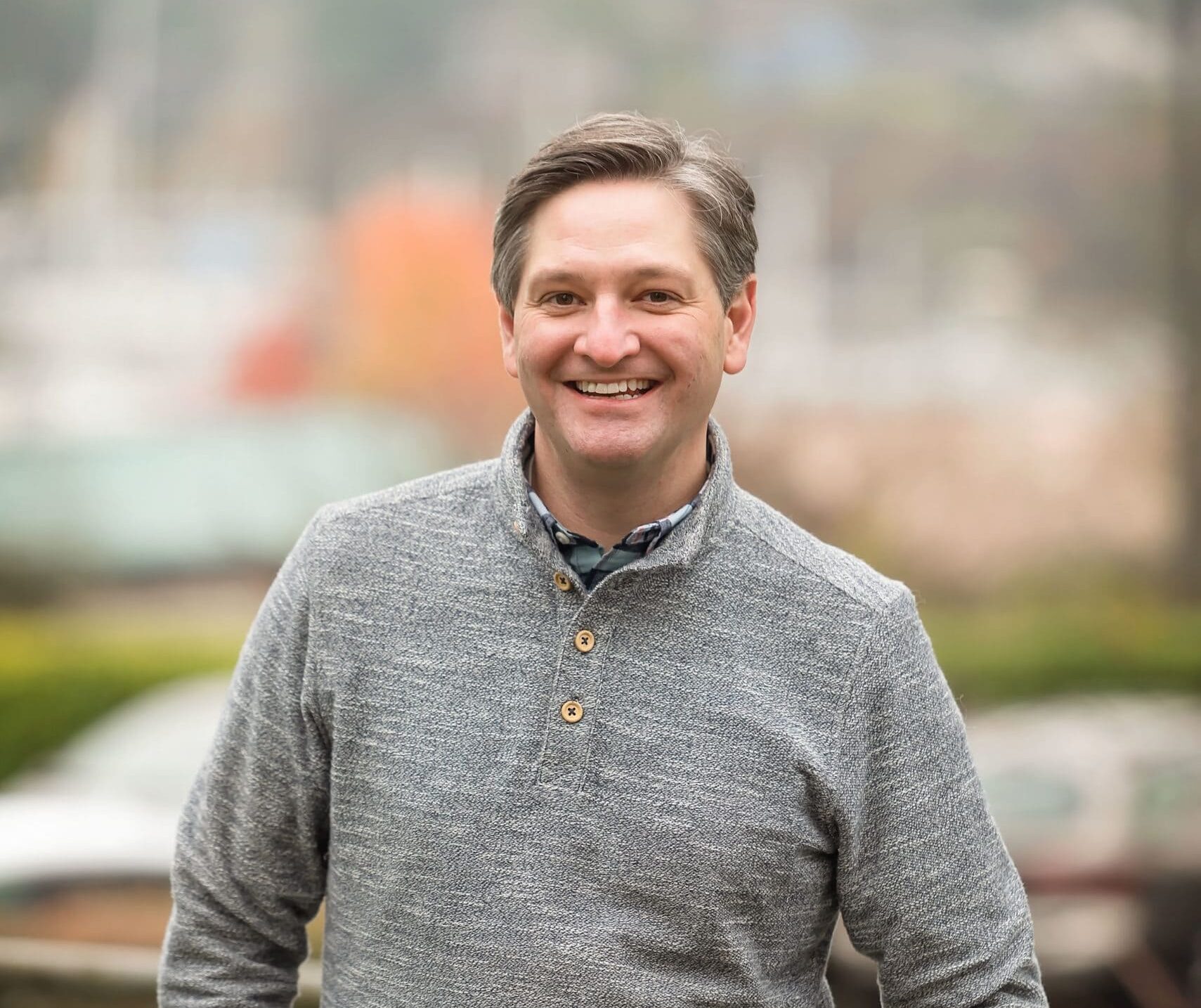
by Dan Wilson, External Affairs Senior Manager
For the staff and programs at Conservation Northwest, wildfire is a constant. We pull burned barbed wire fence across rangeland and discuss salvage operations within forest collaboratives. We design restoration projects to support habitat recovery across the dry pine forests of eastern Washington. We advocate for the return of fire as part of a healthier forest, through cultural burning and expanded prescribed burning across vast swaths of the state. We respect wildfire and the role it serves in ecology. But we also have to live with its devastating impacts when it reaches into our communities.
For some staff in North Central Washington, evacuation preparedness has become standard throughout the summer. Experience hones and sharpens, allowing us to react to circumstances we recognize and understand. This summer was not Washington’s first fire rodeo.
In many ways, August 1st shattered much of Washington’s perceptions about wildfire as the Autumn Lane, Old Trails, and Fairview fires ripped into central Spokane. Even in Spokane, we had seen fire before. The Oregon and Gray fires of 2023 skirted around the city, impacting the bedroom communities of Medical Lake and Elk. This time, though, in a matter of a few hours, fire descended into my own neighborhood, and I, like thousands of my neighbors in Spokane’s Indian Trail neighborhood, scrambled under a hastily issued Level 3 evacuation, loading what we could into our cars even as planes dropped retardant across the treeline to the south.
Is it still a wildfire once it moves out of the wildland-urban interface and torches neighborhoods?
Faced with a split-second decision of where to go, I called a friend in Colville, someone I’d come to know through my work on the Northeast Washington Forest Coalition. He insisted I bring my family to his house and stayed on the phone almost the entire drive, guiding me around the fire now barreling down on my neighborhood too. Throughout my evacuation, I heard every day from people across my conservation-centric network- were we okay, did we need anything, how could they help? The evacuation revealed the depth of my conservation community, relationships and partners focused on wildlife and wildland recovery, but never forgetting the human side of our work.

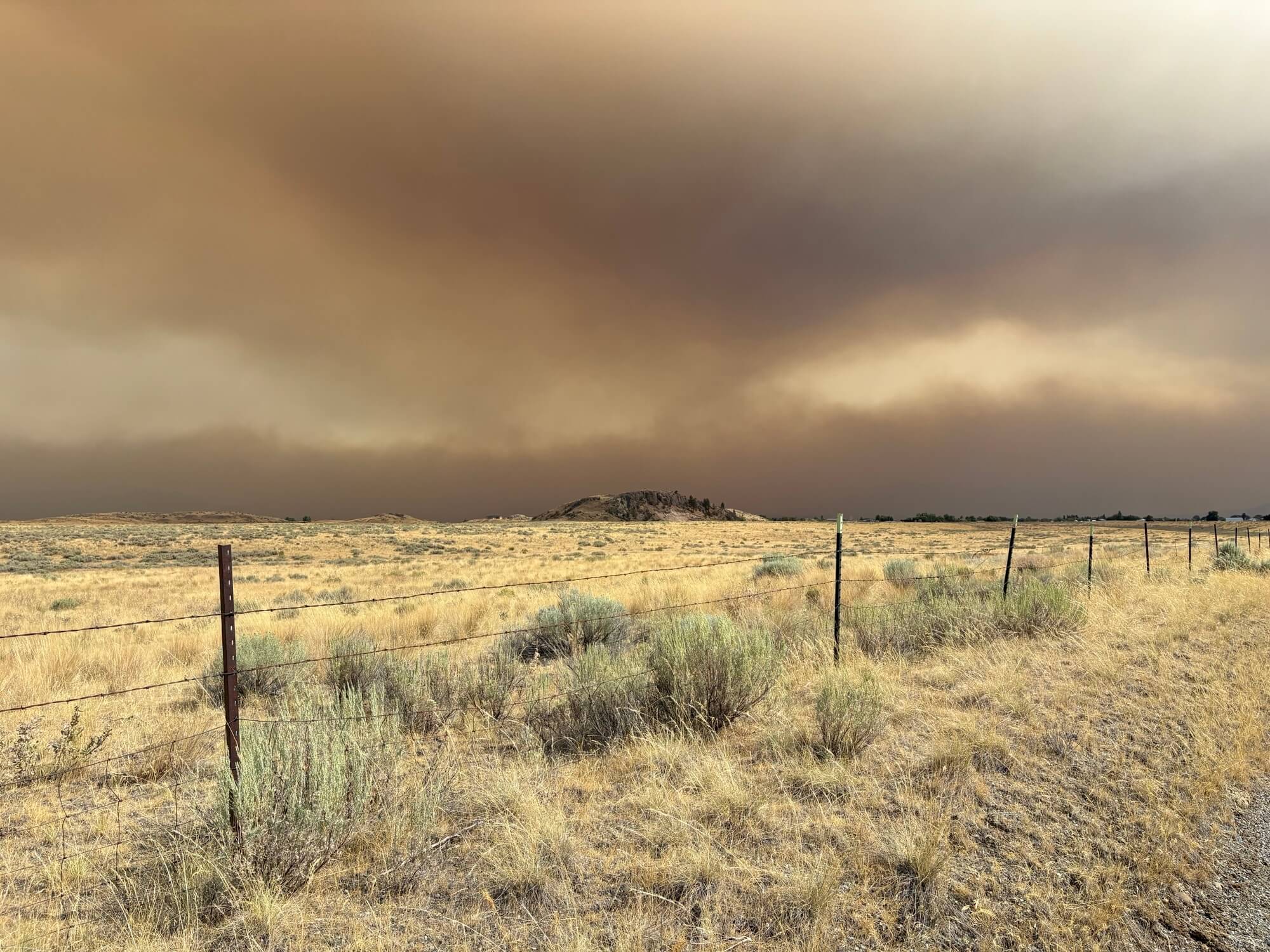
While the Spokane fires captured state and national media attention, many in eastern Washington were already straining under a busy fire season. By the time the first spark hit Spokane County that day, the Kaiser Canyon Fire had already torched more than 100,000 acres of the Colville Reservation. In doing so, it had nearly encircled the town and government seat of Nespelem and forced mass evacuations that extended for weeks and spread across a huge portion of the reservation. To their credit, both the Tribal government and local communities organized to make sure basic needs were being met as well as they could, but these rural communities have their own challenges. Stores, services, and support can be hours away, and these are semi-isolated, smaller towns.
The term polycrisis gets used a lot these days, but context matters here: the Spokane fires burned around 10,000 acres. So far this season, Washington has seen more than 600,000 acres burn statewide. Across central and eastern Washington, the frontlines showed up on everyone’s doorstep. The unsung heroes of this fire season have been the rapid response connectors: people with bottomless energy making supply runs, pivoting to the newest crisis, then moving on to the next town, the next need, the next threat. Community takes everyone contributing, but these are the people who made sure no one was forgotten in the chaos.
At Conservation Northwest, I think we’re lucky to work closely with rural and tribal communities. We get to see how they engage in stewardship- and in learned resilience. As state and federal resources fought fires across the state, the Bradeen Fire bore down on the communities of Gifford and Addy. Firefighters were redeployed to try to hold the lines there, but it was the timber company that ran equipment and staff down to dig fire lines around homes. And while the firefighters and response teams from across the country deserve real credit for their work this season, that doesn’t replace or negate the need for community action to take care of each other in emergencies like these.
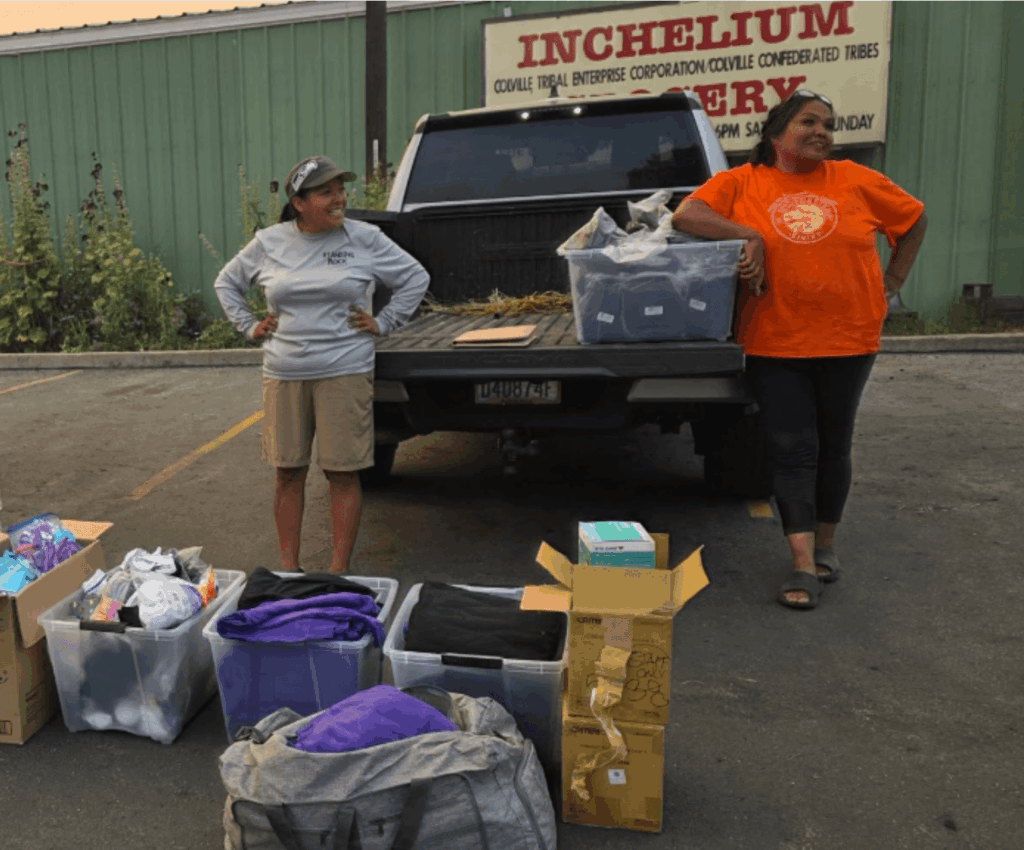
A similar story played out in Inchelium during the Moldrite Fire on the eastern flank of the Colville Reservation. The entire town was outlined with a freshly dug fireline, as if someone had taken an Etch-A-Sketch and drawn a border around every block and parcel — the collective work of Tribal members and other locals doing their own community defense. My heart breaks over the dramatic footage of my hometown, but these are stories that deserve just as much media attention. Not simply because they’re heroic, or because they demonstrate community, but because they demonstrate a community that has developed to respond to the reality on the ground. Spokane residents doing donation drives for critical items, the Kalispel Tribe sending portable showers and bathrooms to displaced communities, the River Warriors NGO standing by at gas stations to top off evacuees. Fire happens, and when it does, we all have a role to play- and these communities demonstrate what that looks like.
Can you do conservation without community?
Conservation Northwest may not have ready access to a backhoe or grizzled red-card holders, but we still have a role to play during these times. I was able to make two supply runs to the Colville Reservation from Spokane: one to the donation drop point for the Kaiser Canyon Fire, and one to the ad-hoc fire response hub operating out of a church in Inchelium. Normally when I head toward Nespelem, I’m carrying maps, research documents, or other papers; this time I was loaded down with diapers, bottled water, toothbrushes from my dentist, and pet food donated by our partners and friends in Spokane. That was a week before the Spokane fires. Three days into my own evacuation, I headed to Inchelium with gas cans, shelf-stable food, and personal care items to help that community sustain until some return to normalcy could come. And while that wasn’t conservation work in itself, it was still the right place to be, the right way to show up, and the best thing I could do with my time in those moments, as our friends, partners, and network were struggling to simply get to the next day.
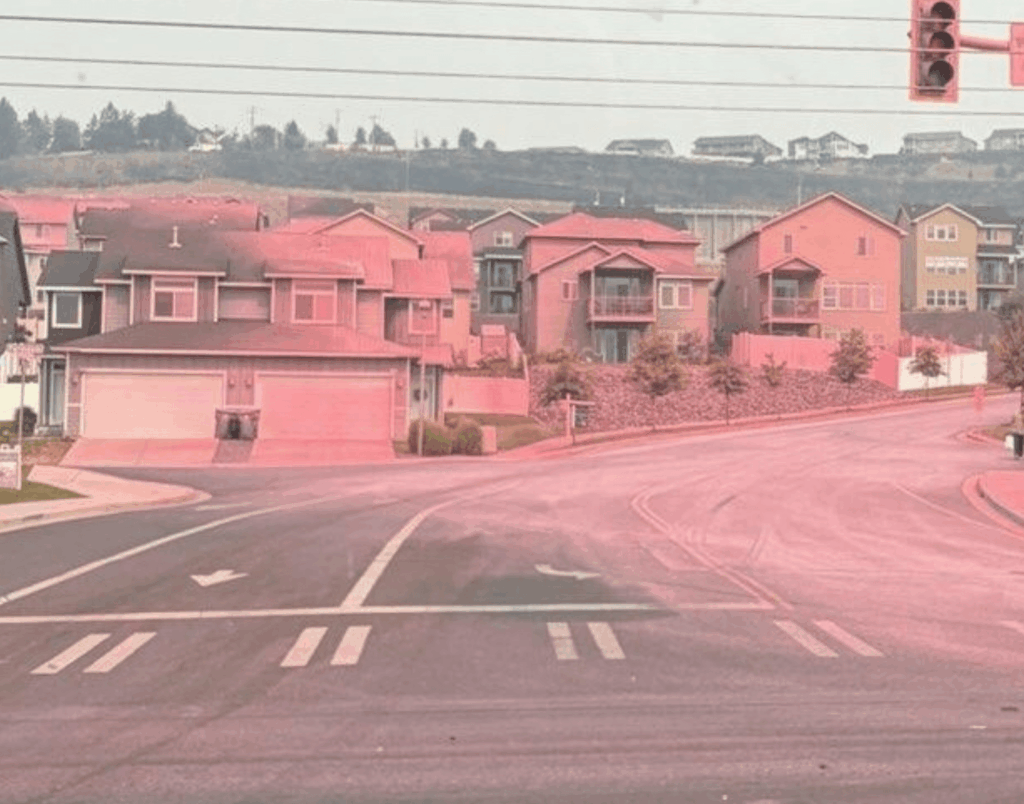
In the end, my family was lucky, our home ended up just on the right side of the fire line. It took nine days to return home, and while Spokane might physically recover once the smoke clears, the debris is removed, and new houses begin to rise, I do think our psyche is permanently altered. Some of that is certainly traumatic, but I have hope we’ll also learn something from what I watched, participated in, and experienced across our communities that have lived through fire, throughout central and eastern Washington. Fire can and will happen to us. What matters on those days is how we show up for each other and how we pick up the pieces together.
Just a few months earlier, I had walked through the fire scar from last year in the Colville National Forest. Now I drive by a fresh one every day in my own neighborhood. And while I know fire is part of this landscape, I also know this is a new and unnatural pattern. Longer drought conditions, development pushing deeper into the wildland-urban interface, hotter summers, warmer winters, and disrupted seasons aren’t part of a normal climate. And I know Spokane, and other communities, are going to have to learn and practice the lessons we can glean from our rural networks if we’re going to adapt to these changes. We’ll need to depend on each other, increase our resilience, and recognize that fire isn’t some far-off thing that happens to others. It happens to all of us, and to confront it properly, we’ll have to be there for each other.
In part two of this series, we’ll explore the immediate fallout from this fire season and how Conservation Northwest is responding to critical needs across Washington’s working lands.