

Impact & Results
A History of Wolf Field Work
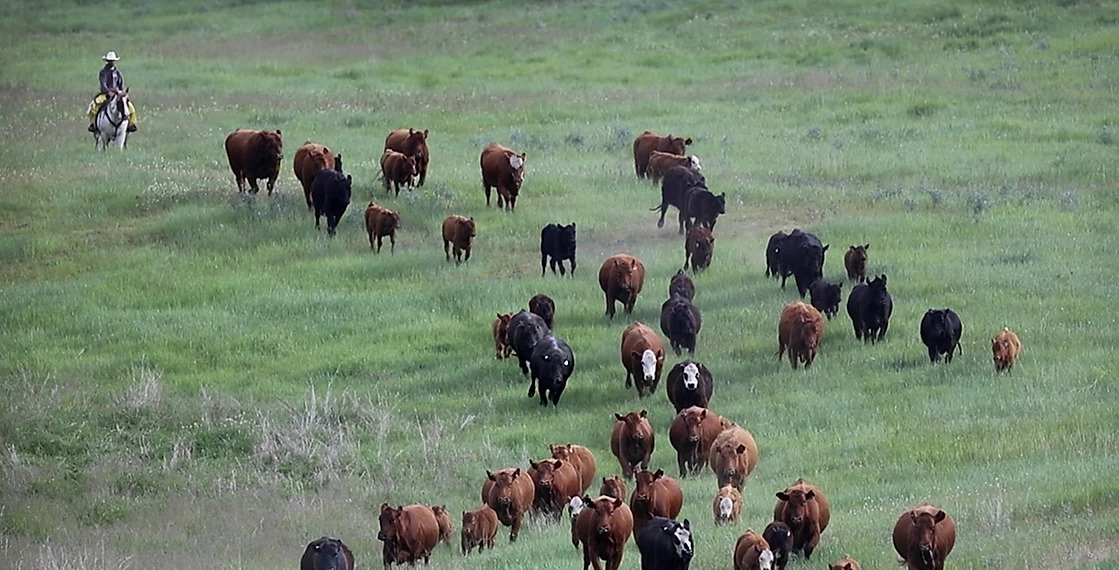
Wolf recovery in Washington has been closely tied to early and ongoing efforts to reduce conflict between wolves and livestock. From the beginning, proactive field-based tools and collaboration with ranchers have been essential to supporting coexistence and long-term recovery success.
Early Foundations of Wolf Coexistence and Proactive Conflict Prevention
Launching and Scaling the First Range Rider Program for Field-Based Wolf Management
Expanding Integrated Strategies to Support Long-Term Wolf Recovery
Early Foundations of Wolf Coexistence and Proactive Conflict Prevention
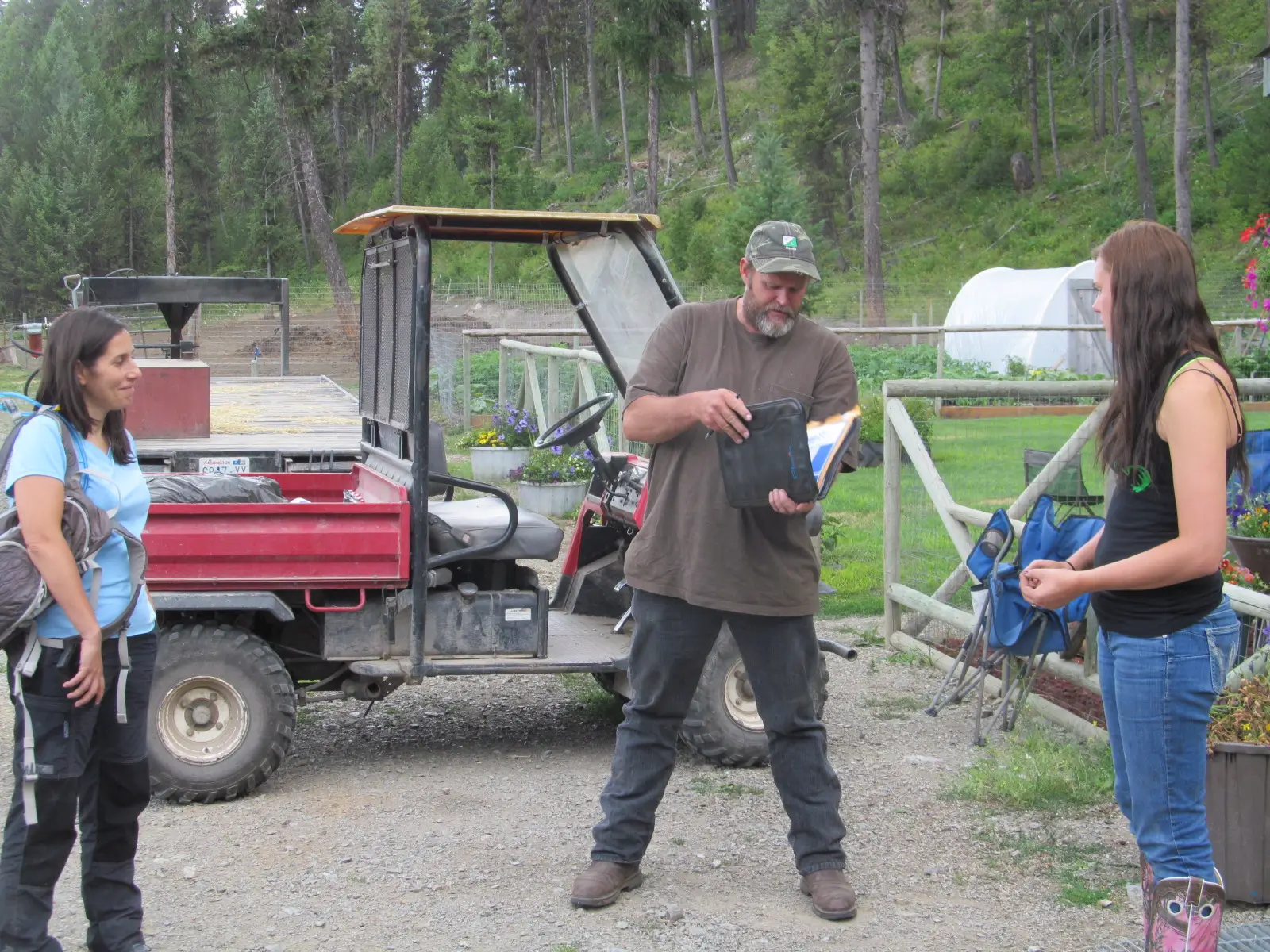
Washington’s wolf recovery began alongside early investment in proactive conflict deterrence, as wolves naturally returned to the state in the late 2000s. Conservation Northwest recognized that reducing livestock conflicts before they occur is essential for maintaining public tolerance and long-term support for wolf recovery.
Launching and Scaling the First Range Rider Program for Field-Based Wolf Management
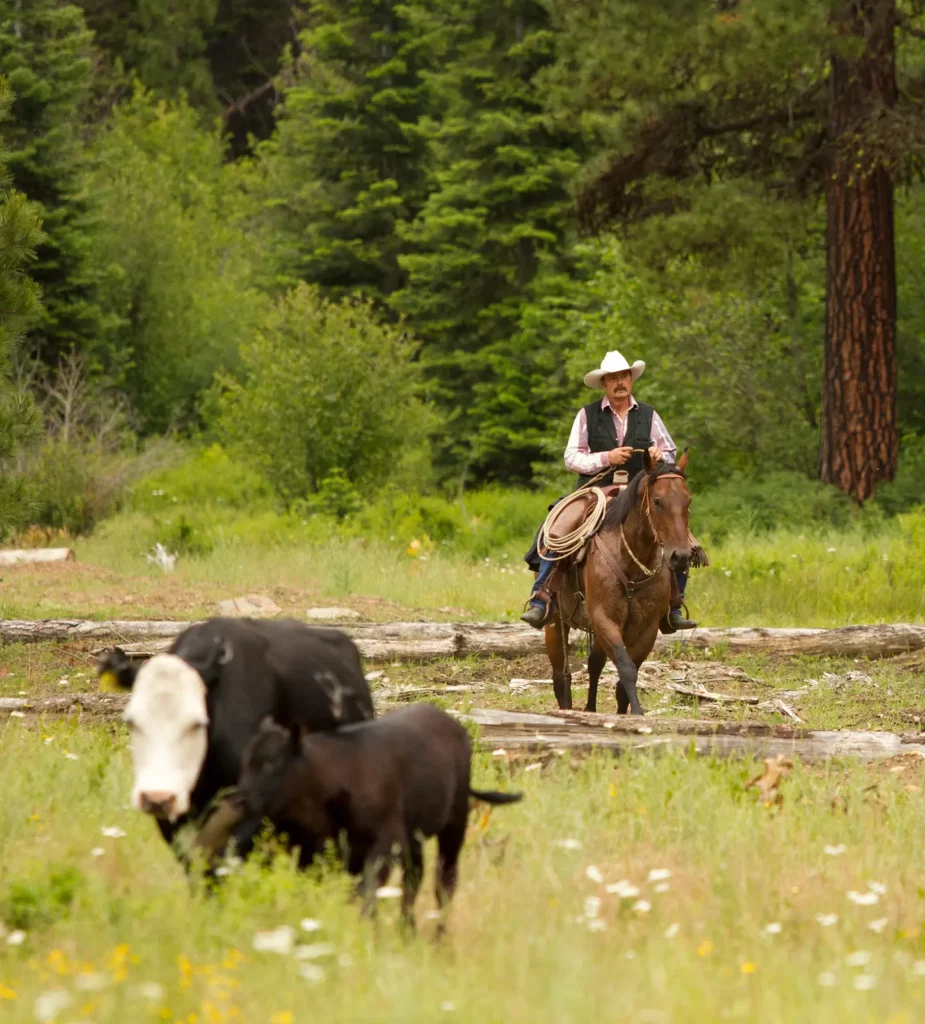
In 2011, Conservation Northwest launched the state’s first Range Rider Pilot Project, partnering directly with ranchers to place trained riders in areas where wolves and cattle overlap. This field-based approach established a model for consistent human presence, herd monitoring, and rapid response to wolf activity during the grazing season.
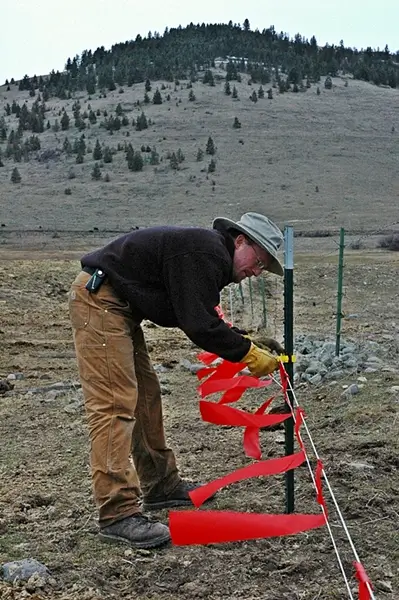
Expanding Integrated Strategies to Support Long-Term Wolf Recovery
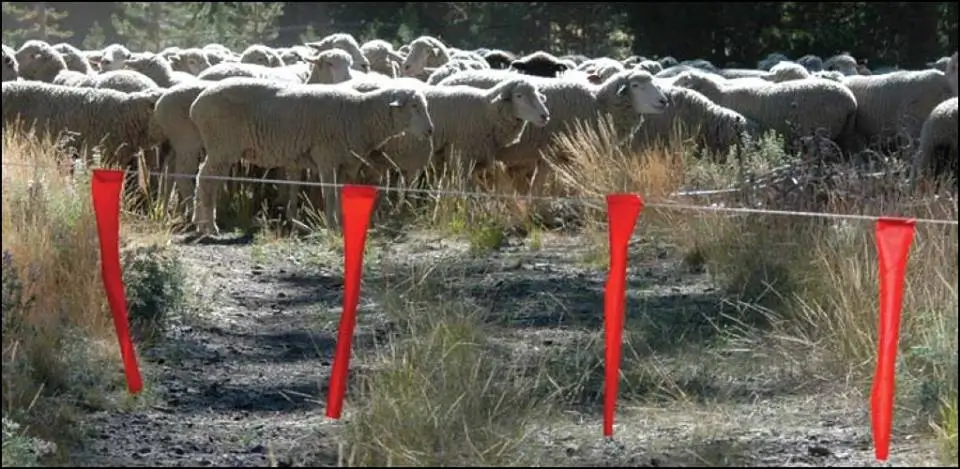
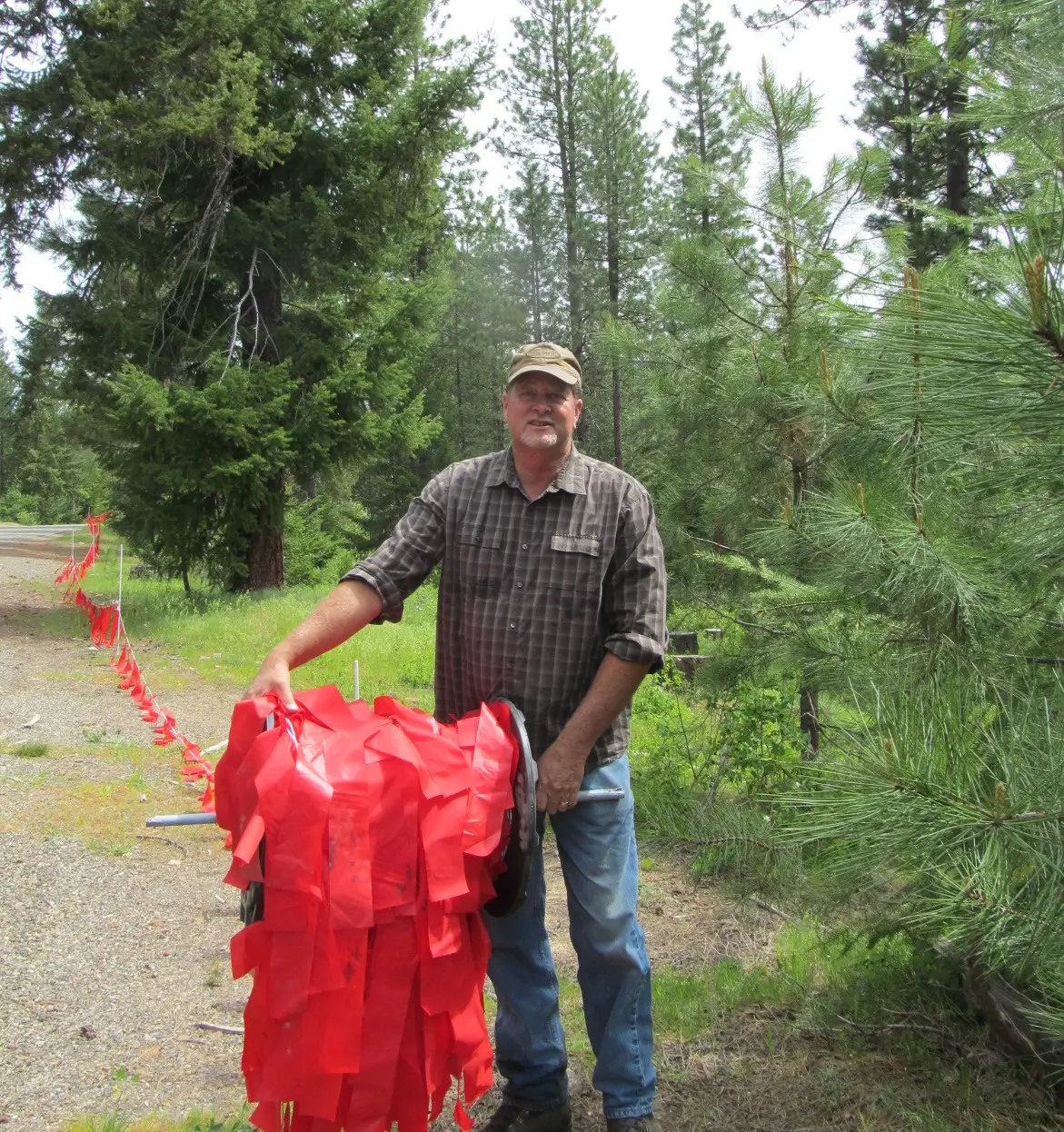
A broad toolbox of non-lethal deterrence methods now complements range riding, including fladry, guard dogs, carcass management, hazing tools, and improved livestock husbandry. These strategies work together to reduce depredation risk while allowing wolves to persist on working landscapes.
Range Rider Program
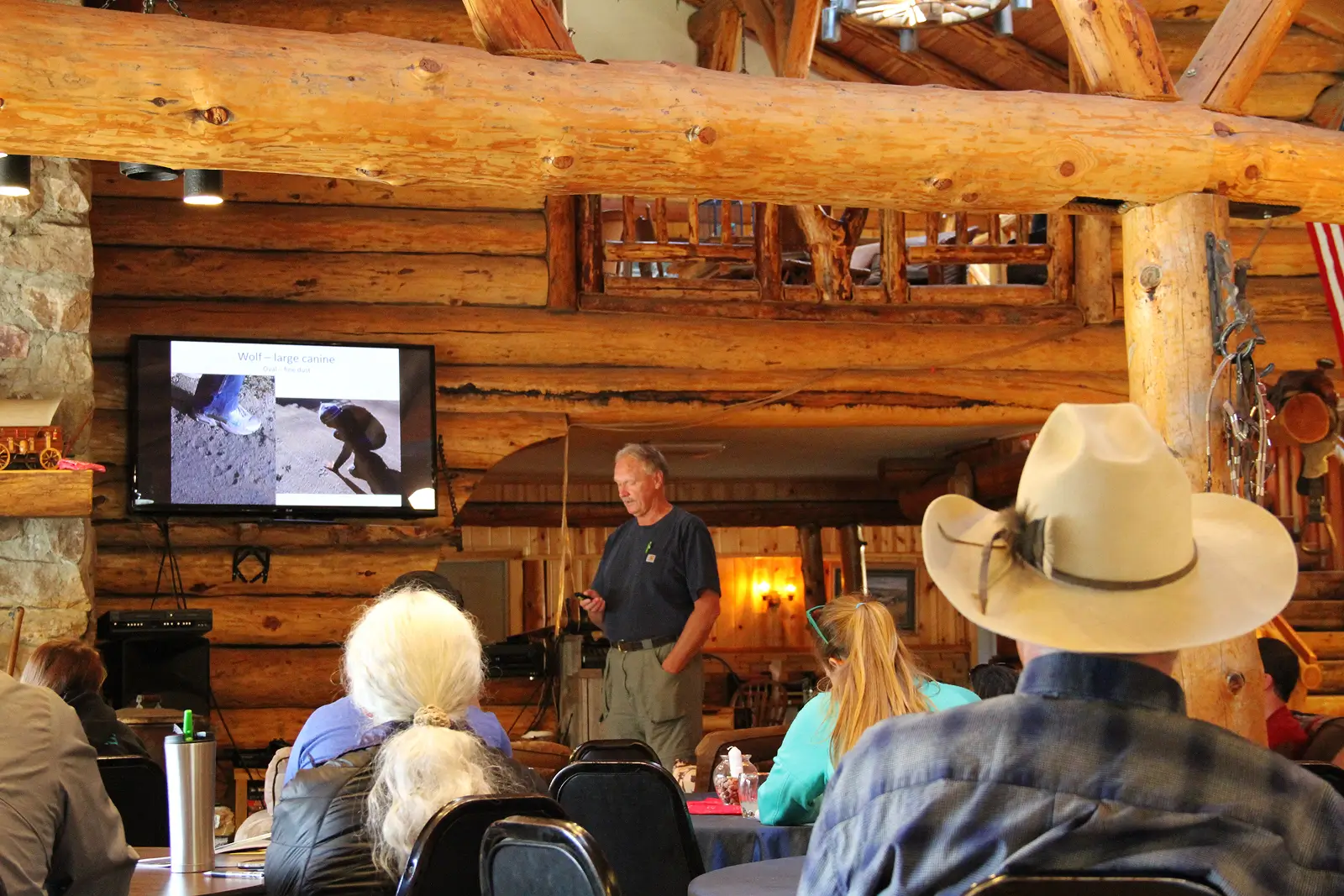
Launching one of Washington’s first nonprofit range rider programs through a 2011 pilot
Established one of Washington’s first nonprofit supported range rider programs, launching the pilot in 2011 and demonstrating that consistent human presence and proactive livestock monitoring can meaningfully reduce conflicts between ranchers and recovering wolf populations. This work helped build what is now the largest contingent of conflict focused range riders operating anywhere in the western United States.
Coexistence Expansion
Scaling a range rider model across multiple wolf recovery areas in Washington
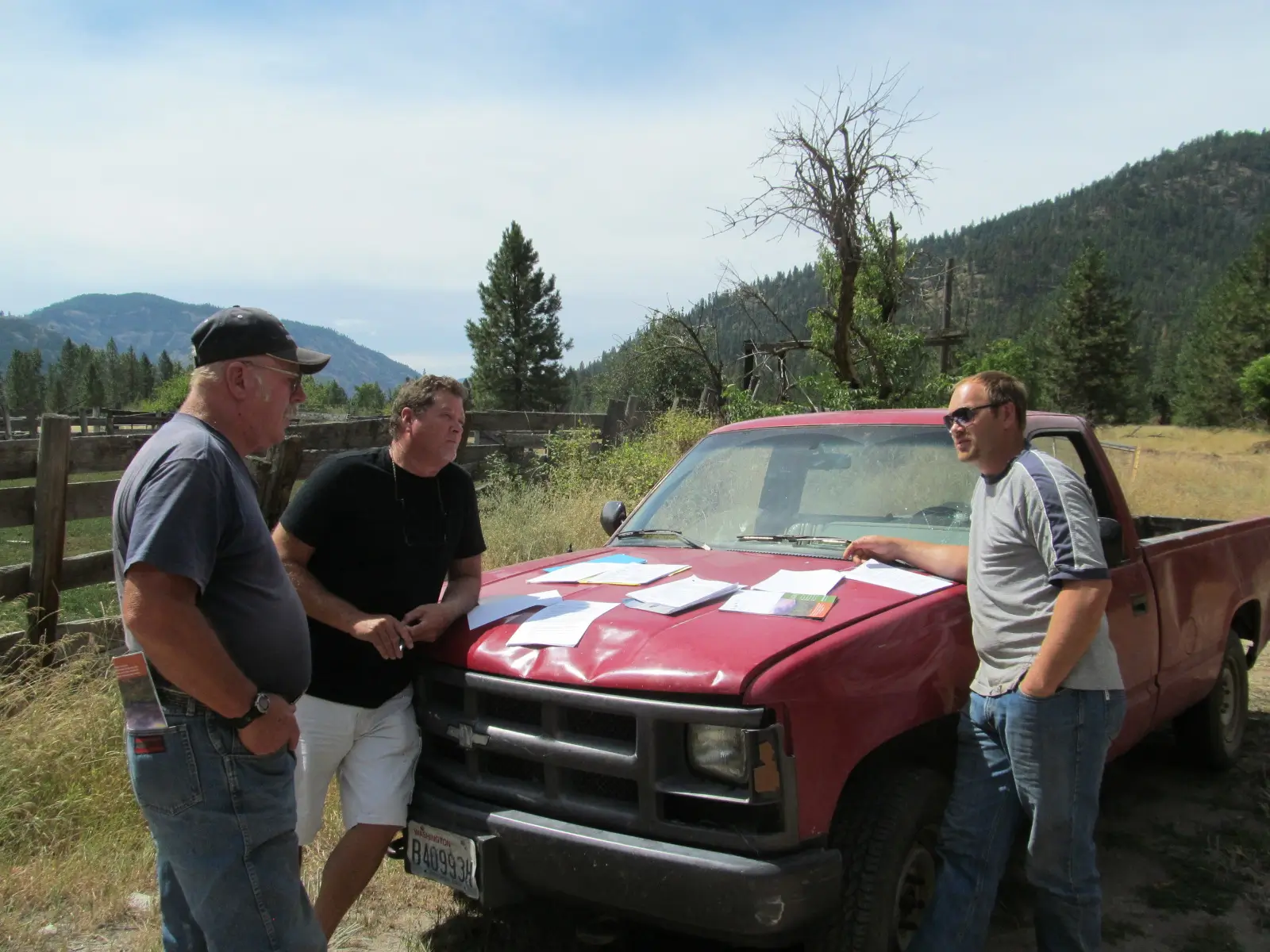
Scaled a proven coexistence model across multiple wolf recovery areas, expanding from a small pilot into a broader program that now supports riders, livestock producers, and collaborative partnerships across northeast and north central Washington.
Non-Lethal Tools
Advancing field-tested non-lethal tools for wolf coexistence and conflict reduction
Advanced practical, field tested non-lethal deterrence tools, helping deploy and refine strategies such as range riding, fladry, carcass removal, and rapid response to wolf activity—reducing depredation risk while strengthening tolerance for wolf recovery in rural communities.