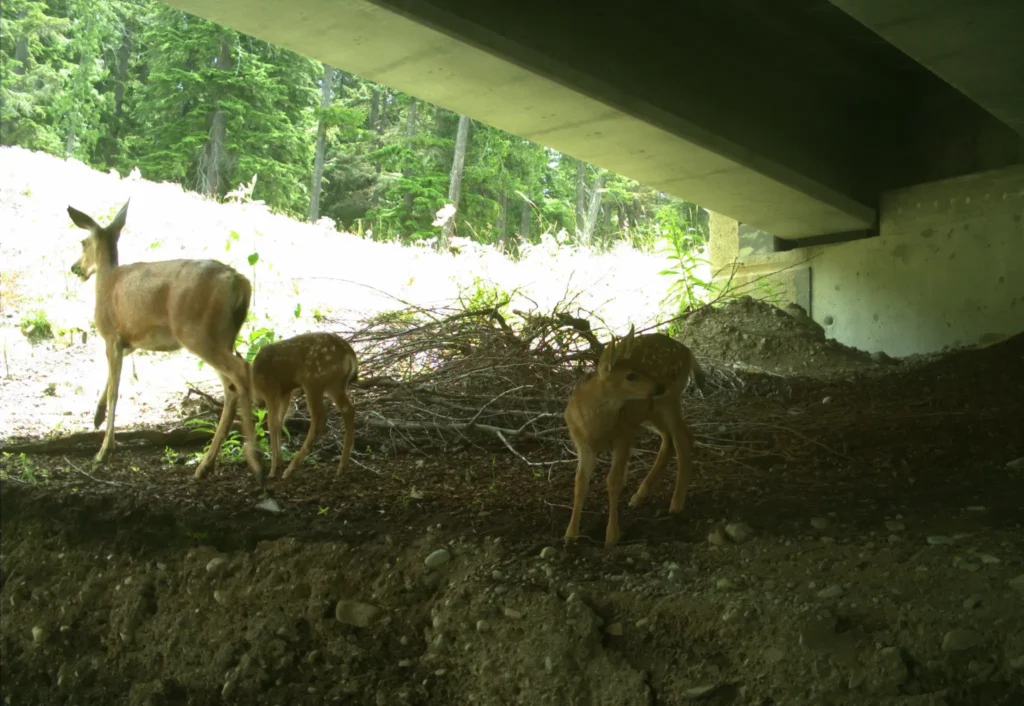
Community Wildlife Monitoring Project - Interstate 90
The Interstate 90 corridor is a key wildlife movement route in the Central Cascades. Our monitoring helps understand animal movement and improve habitat connectivity across the landscape.
Tracking wildlife movement through the I 90 corridor to guide habitat connectivity and evaluate crossing structure success.
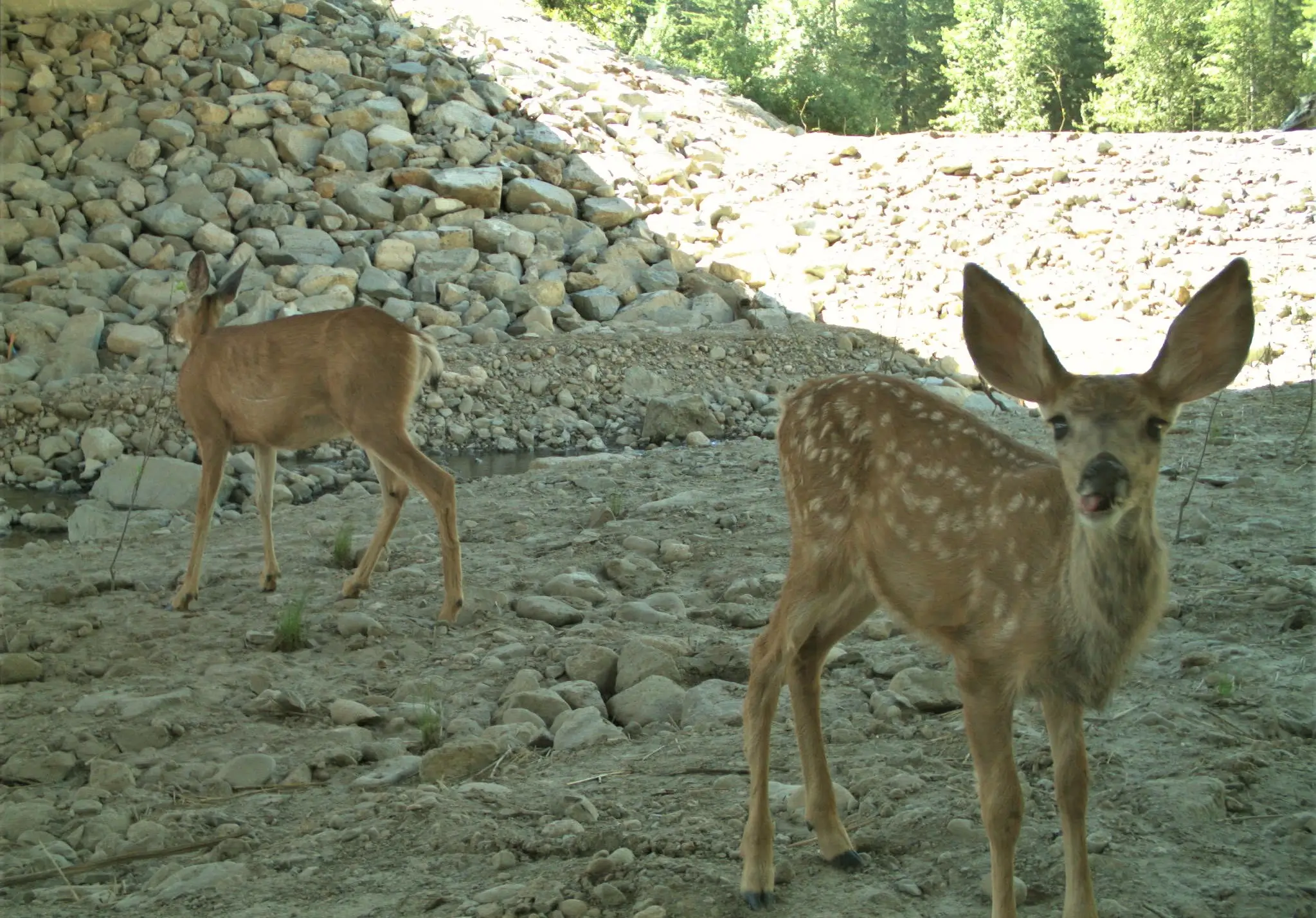
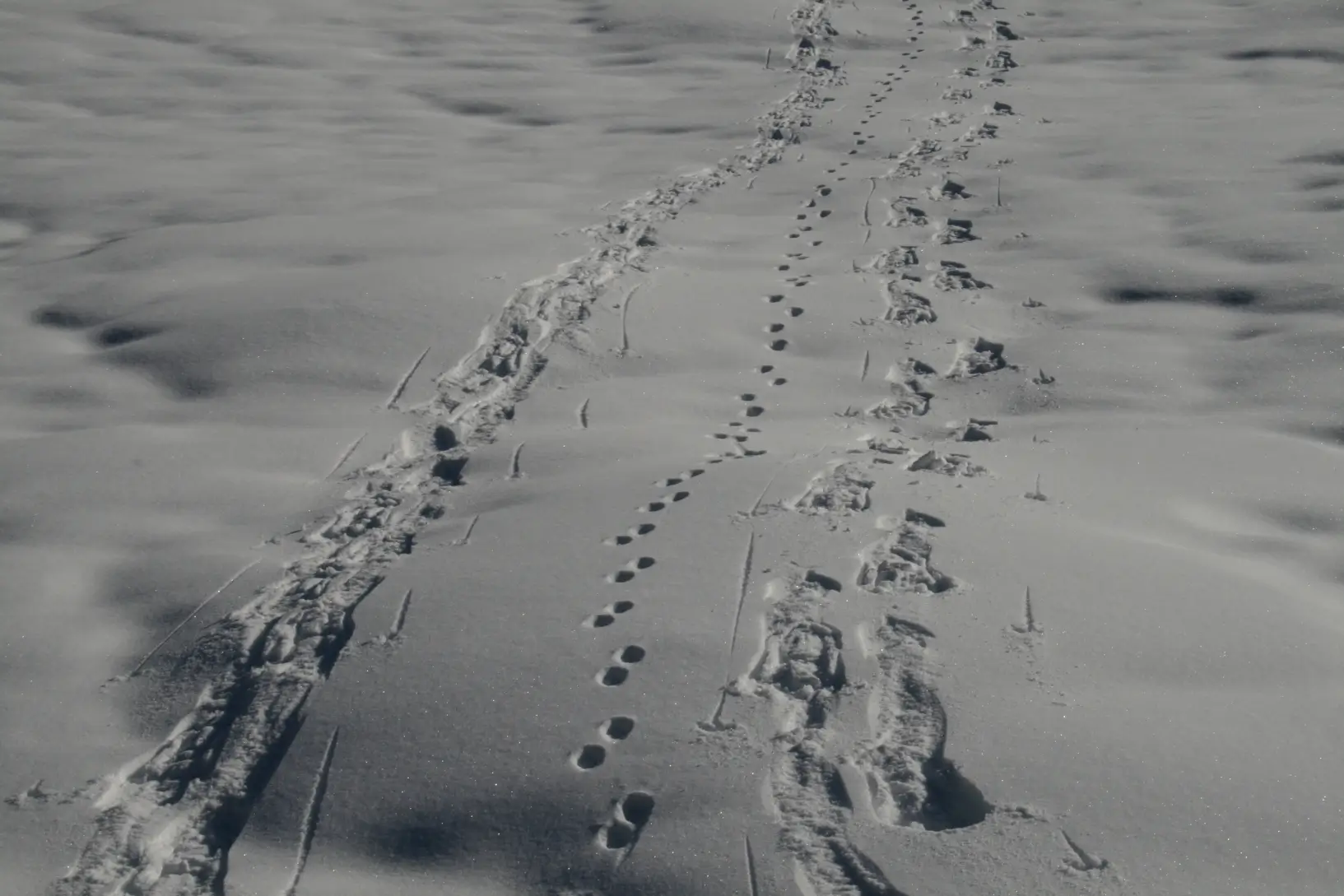
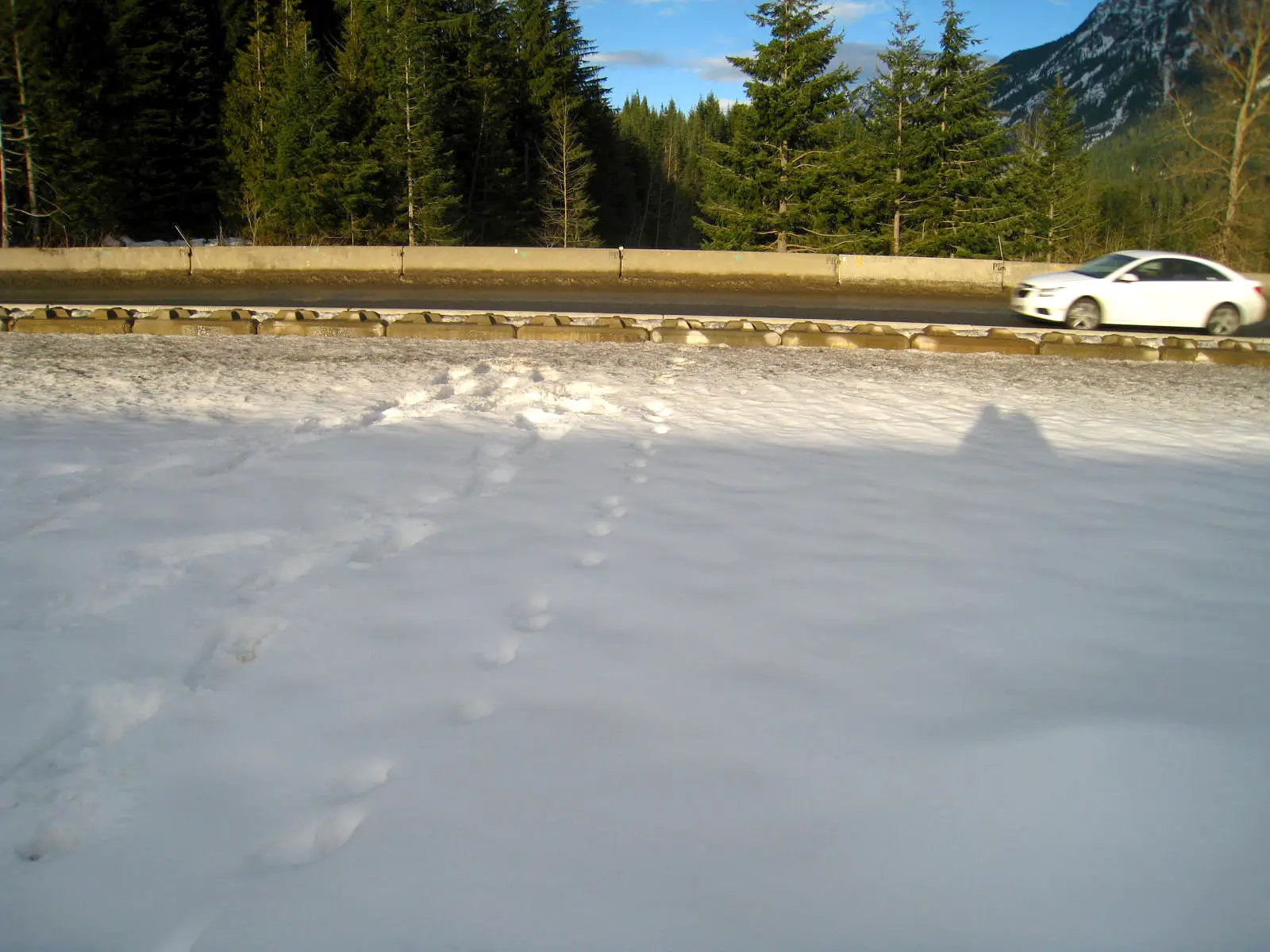
The I 90 corridor cuts through one of the most important wildlife movement routes in the Central Cascades, and understanding how animals navigate this landscape is essential for reconnecting habitat. Our monitoring work deploys trained volunteers to deploy remote cameras, conduct winter snow tracking surveys, and document species using the area around Snoqualmie Pass.
These data help agencies and researchers assess how well new crossing structures function and where additional connectivity investments are needed. By coordinating community based monitoring grounded in rigorous scientific protocols, we provide the information needed understand the role this crossing provides for our wildlife and informs best practices for future efforts.
Work We’re Doing to Achieve Interstate 90 Goals
Volunteer Monitoring
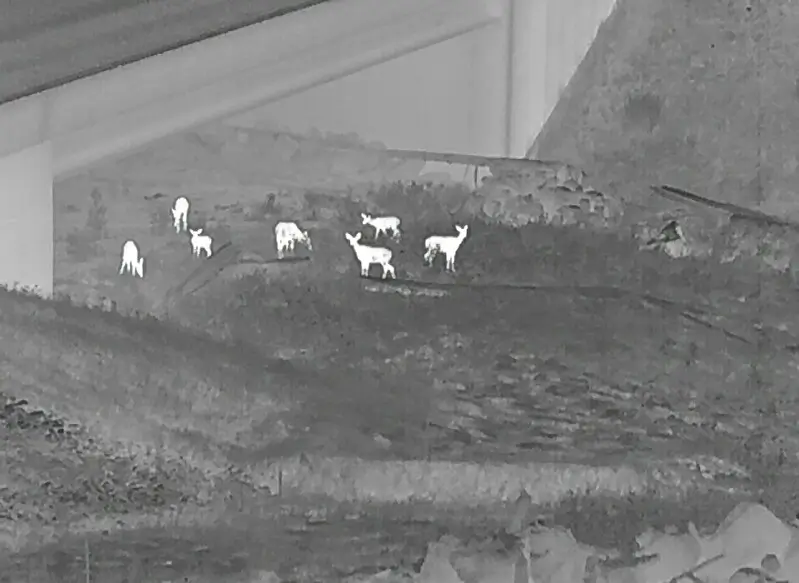
We engage hundreds of volunteers in monitoring wildlife movement across the I-90 corridor, generating data that has directly informed the design and placement of wildlife crossings in the Snoqualmie Pass East Project.
Led by Senior Coordinator Tanner Humphries and guided by wildlife biologist David Moskowitz, our program brings together CNW staff, agency partners, and independent scientists to design and implement monitoring strategies that support long-term connectivity goals.
Although volunteer opportunities are limited due to high demand, we continue to train and mentor new participants through our Wildlife Monitoring Apprenticeship, a seasonal field-based program that builds skills in winter tracking, research methods, and outdoor safety.
Training & Legacy
Our apprenticeship program strengthens the next generation of conservation leaders by providing mentorship, field certifications, and hands-on experience in wildlife monitoring.
We prioritize participation from communities historically underrepresented in conservation and help outfit apprentices with the gear needed to succeed in winter field conditions. While our I-90 Wildlife Watch program has concluded, the data collected played a critical role in helping WSDOT identify key crossing locations along the 15-mile corridor.
Through the I-90 Wildlife Corridor Campaign and the I-90 Wildlife Bridges Coalition, which we administer and fiscally sponsor, we continue working with WSDOT, elected officials, and community partners to make this vital stretch of highway safer for both people and wildlife.
A History of of Interstate 90 Work
Snowshoe tracking surveys
Camera trapping
Wildlife Watch
Our Key Accomplishments in Forest Habitat
From protecting critical landscapes to advancing collaborative forest restoration, these efforts deliver lasting benefits for wildlife, habitat connectivity, and climate resilience.
Scientific Reporting Outputs
Producing consistent semi-annual reports that advance wildlife corridor science and movement analysis
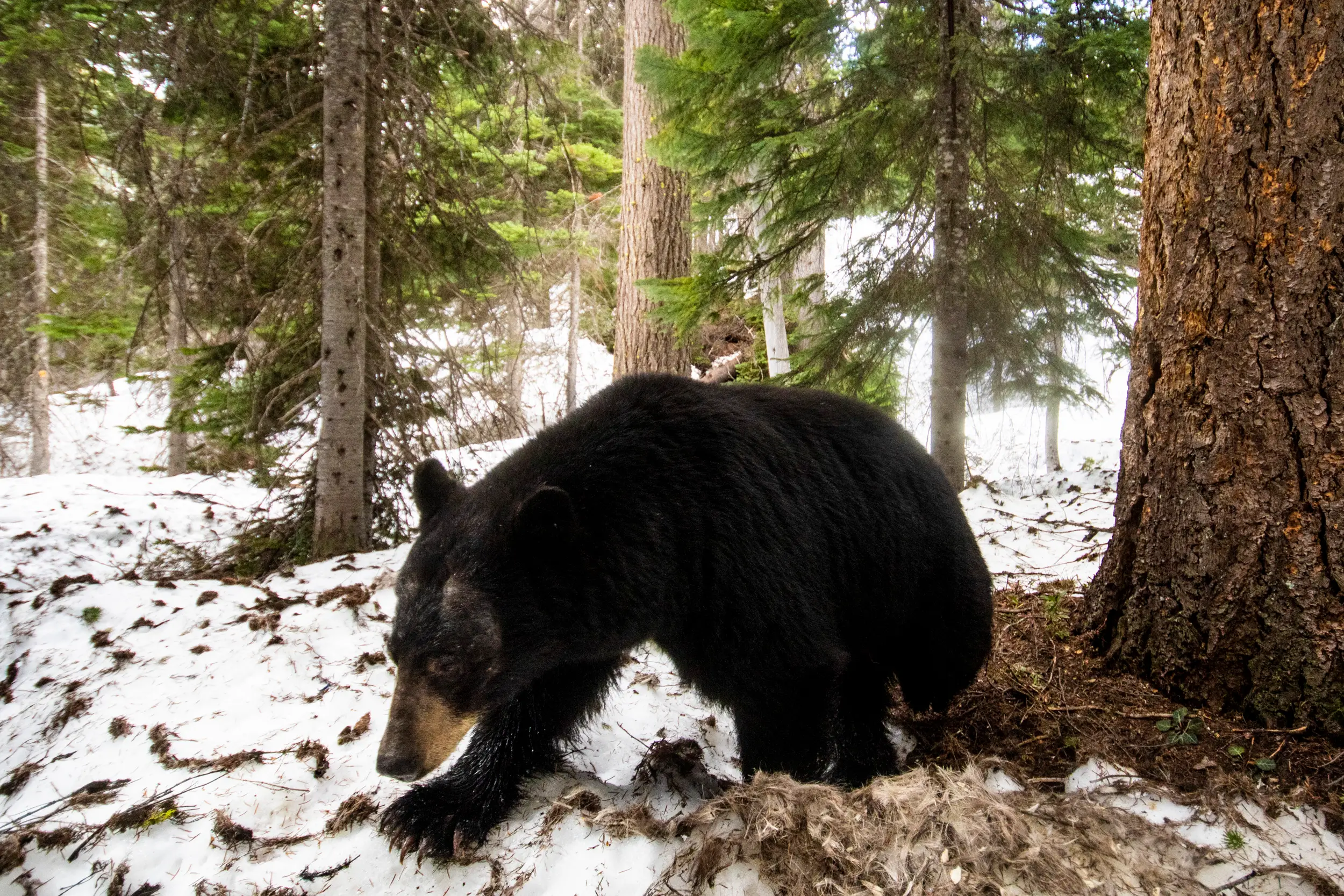
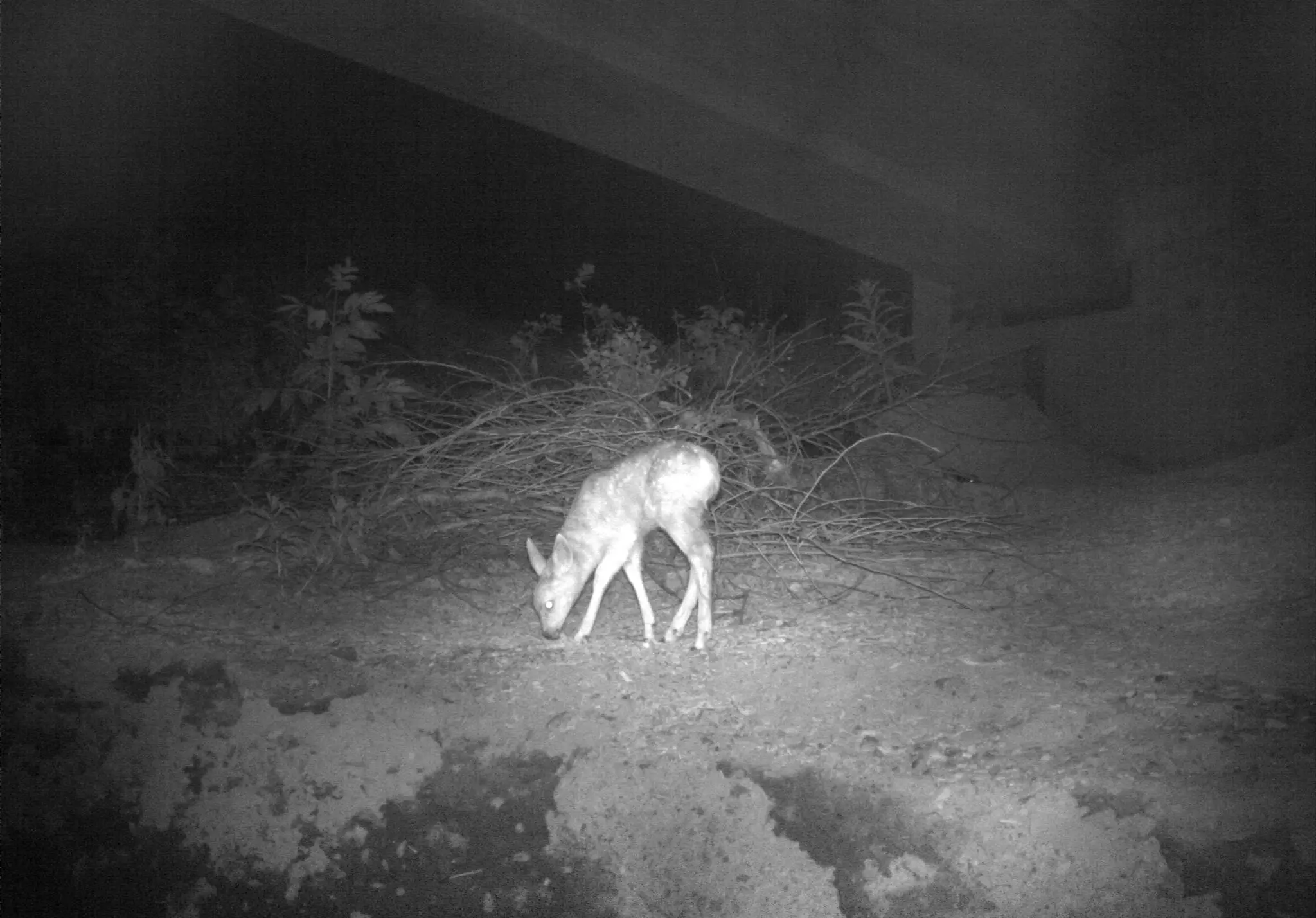
The Project produces semi-annual reports using scientific best practices and data compilation techniques that contribute to wildlife corridor science, wildlife movement patterns, and trends in wildlife population and area-use. Images from each monitoring season are available on our {flicker} page, and past reports are available by request.
Research Publications
Sharing monitoring findings and training new conservation professionals through hands-on field experience
Recent publications
- 2020-2021 Winter Field Season Community Wildlife Monitoring Project Report (snowtracking, PDF)
- 2019-2020 Winter Field Season Community Wildlife Monitoring Project Report (snowtracking, PDF)
Launched a paid Wildlife Monitoring Apprenticeship to support diverse emerging conservation professionals, providing hands on field training in camera deployment, snow tracking, data collection, and outdoor safety while expanding the program’s monitoring capacity across the Cascades and Northeast Washington.
Seasonal Reporting
Documenting wildlife activity through seasonal monitoring cycles and publicly available image archives
The annual cycle of monitoring is divided into two project sections: our annual remote camera field season and our Winter snow tracking season. We report on results at the end of each season. Albums of images from each monitoring season are also available on our Flickr page.
Related News
There are no posts to show at this time. Please check back soon.
Additional Resources
Media & Archive Resources