Bear Aware

Helping communities, recreationists, and youth across Washington learn practical bear safety and coexistence practices that reduce human–bear conflict and support healthy black bear and future grizzly populations.

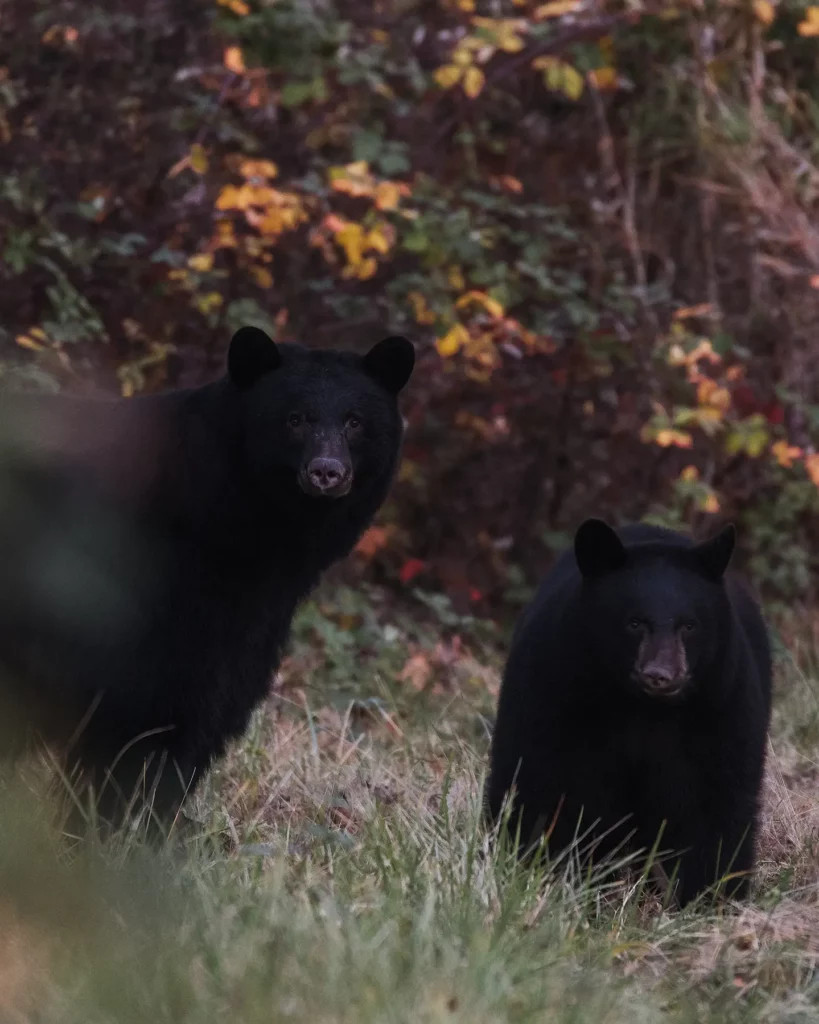
Black Bears in Carnation 3 1
Our Approach

Educating recreationists, frontline communities, and the next generation about safe behavior, proper food storage and appropriate behavior in the outdoors to prevent human-bear conflict.

As more people explore Washington’s public lands, bears are increasingly drawn to unsecured food and garbage, creating risks for both wildlife and visitors. Our outreach focuses on practical steps and trainings that reduce conflict before it occurs.

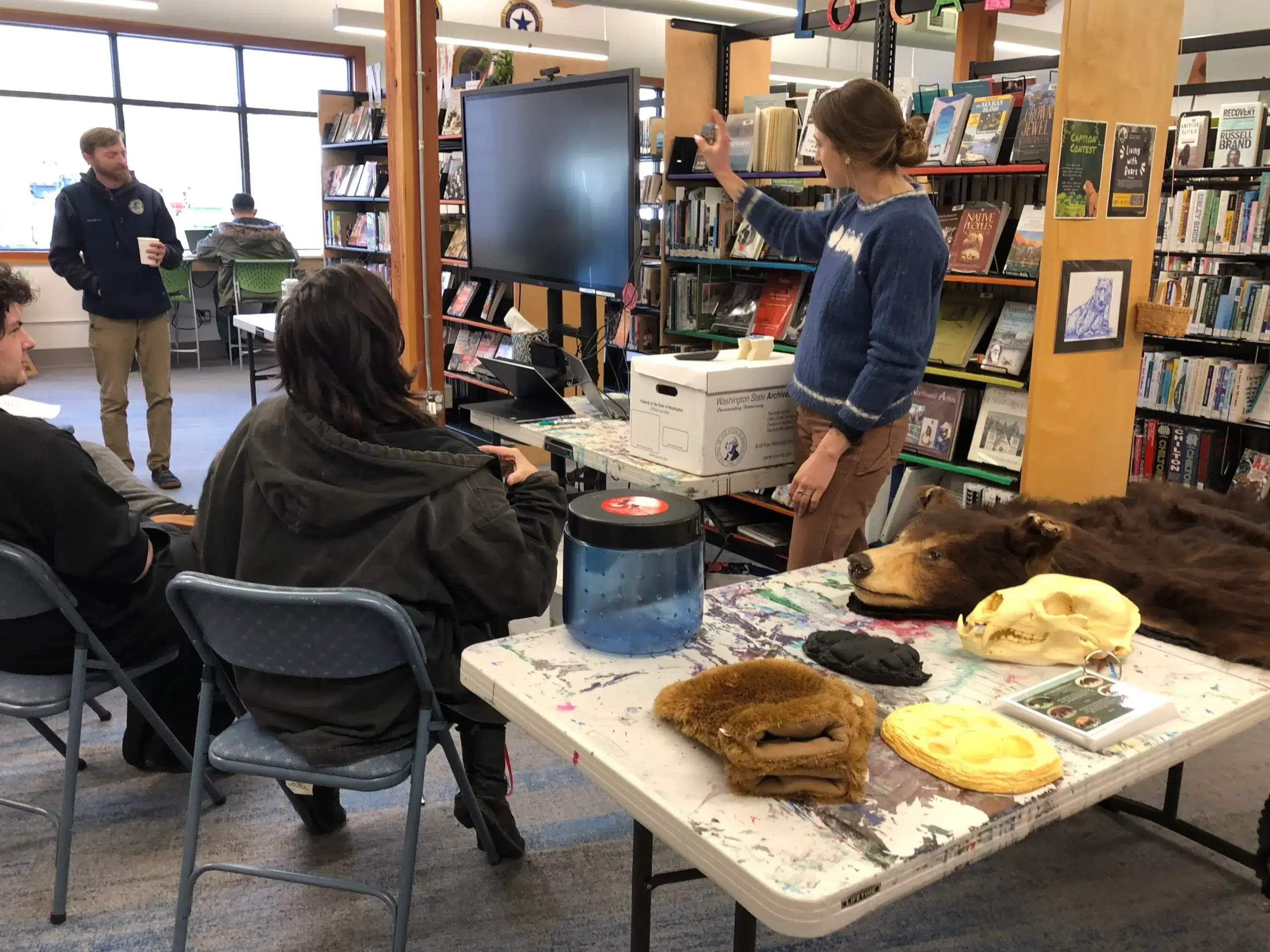
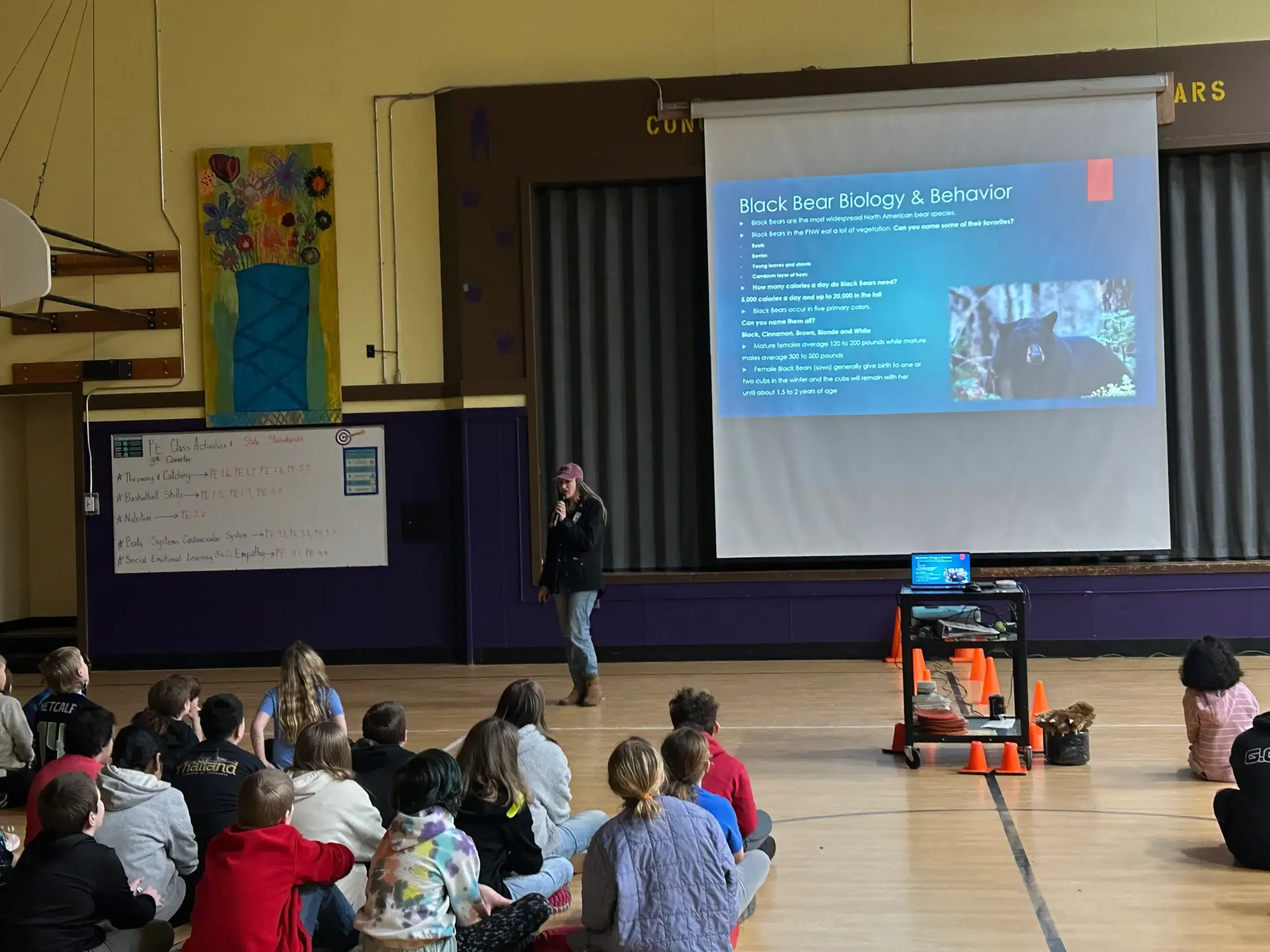
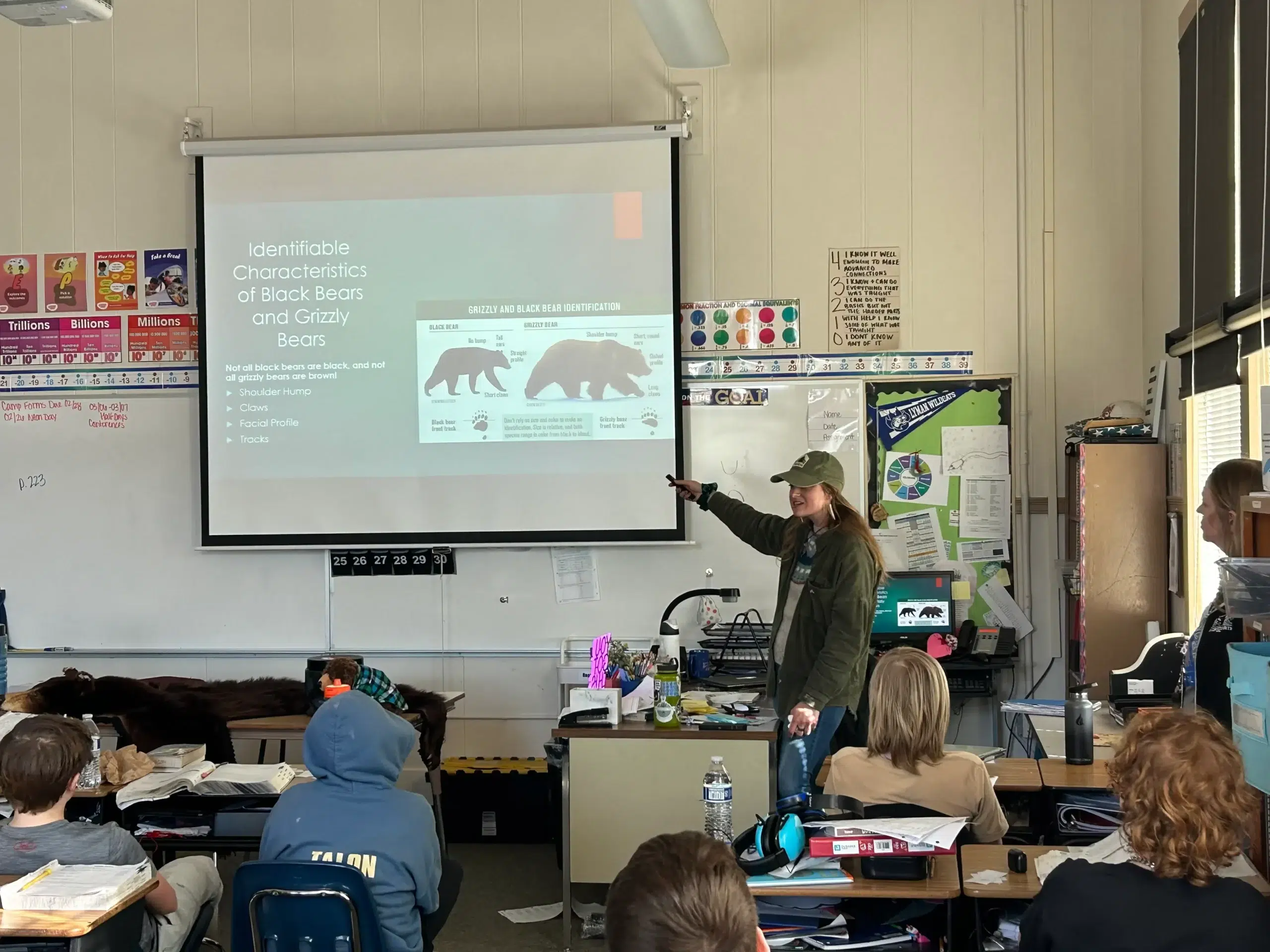
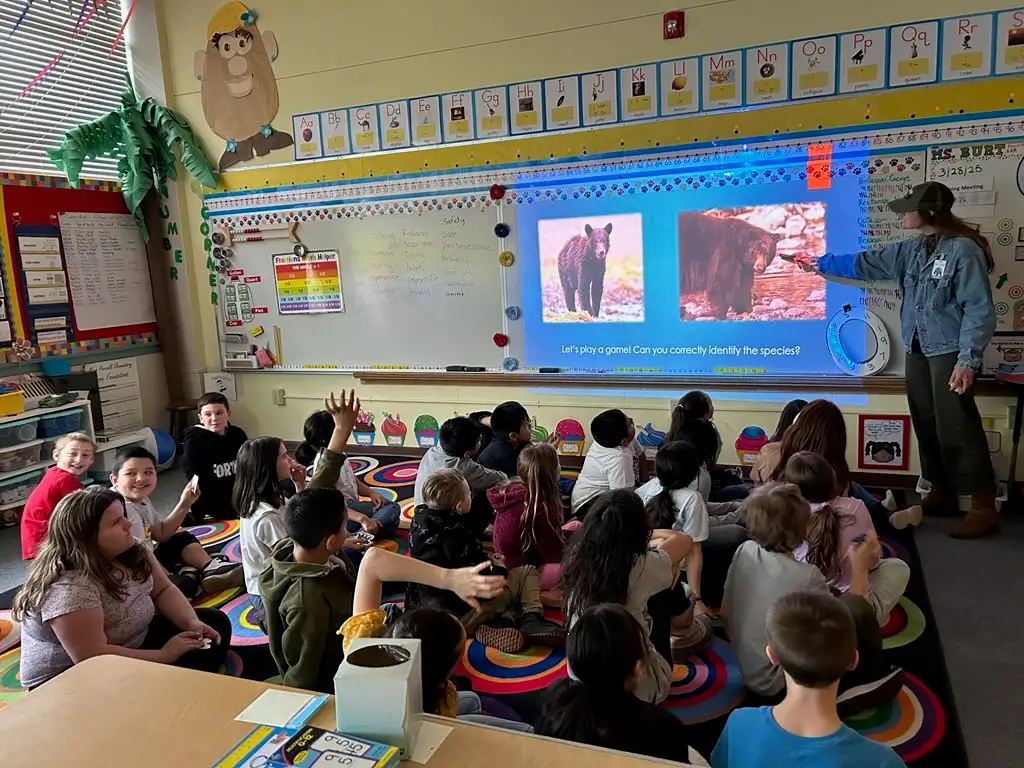
We provide on‑site guidance at busy trailheads and campgrounds, community events, and classroom presentations to help people build the knowledge and confidence needed to recreate safely in bear country. By promoting prevention and respect, we protect bears, support public safety, and maintain access to the wild places people love.

Current Focus

Work We’re Doing to Achieve Bear Aware Goals

Capa 1 1

Bear Safety Outreach

The Bear Aware program focuses on reducing human–bear conflict by helping people understand how their everyday choices affect bear behavior and safety.

Staff and trained ambassadors provide direct outreach at trailheads, campgrounds, schools, and community events, sharing clear guidance on food storage, attractant management, dog control, and how to respond appropriately during bear encounters. This work emphasizes practical, repeatable actions—securing garbage, using bear resistant containers, keeping camps clean, and giving wildlife space—that prevent conflicts before they occur.

By meeting people where they are and normalizing safe practices, the program builds a more informed recreation culture that supports both public safety and healthy bear populations.

icon 8

Coexistence Systems

Alongside public education, the program works with land managers, Tribes, and local communities to strengthen the infrastructure and systems that make coexistence possible.

This includes supporting the installation of bear resistant dumpsters, improving signage and visitor information, and helping agencies identify high conflict areas where additional tools or outreach are needed. Staff also provide technical assistance to communities and partner organizations, ensuring that coexistence strategies are grounded in science and tailored to local conditions.

Through this combination of education, infrastructure improvements, and collaborative problem solving, the Bear Aware program helps create landscapes where people and bears can safely share the same spaces.

Impact & Results

A History of of Bear Aware Advancement

Bear Aware work in Washington has evolved in response to changing bear populations, increasing human recreation, and growing overlap between people and wildlife. As grizzly restoration progresses and black bear encounters rise, proactive education and prevention have become essential tools for reducing conflict and supporting coexistence.
North Cascades grizzly restoration decision (2024)
Black Bears are widespread across Washington state
Human Behavior increases bear conflict risks
conservationnw image

North Cascades grizzly restoration decision (2024)

In April 2024, the National Park Service and U.S. Fish and Wildlife Service announced they would move forward with restoring grizzly bears to the North Cascades. With translocations expected in the future, communities across the region now need clear, practical preparation for living safely in grizzly country.
conservationnw image

Black Bears are widespread across Washington state

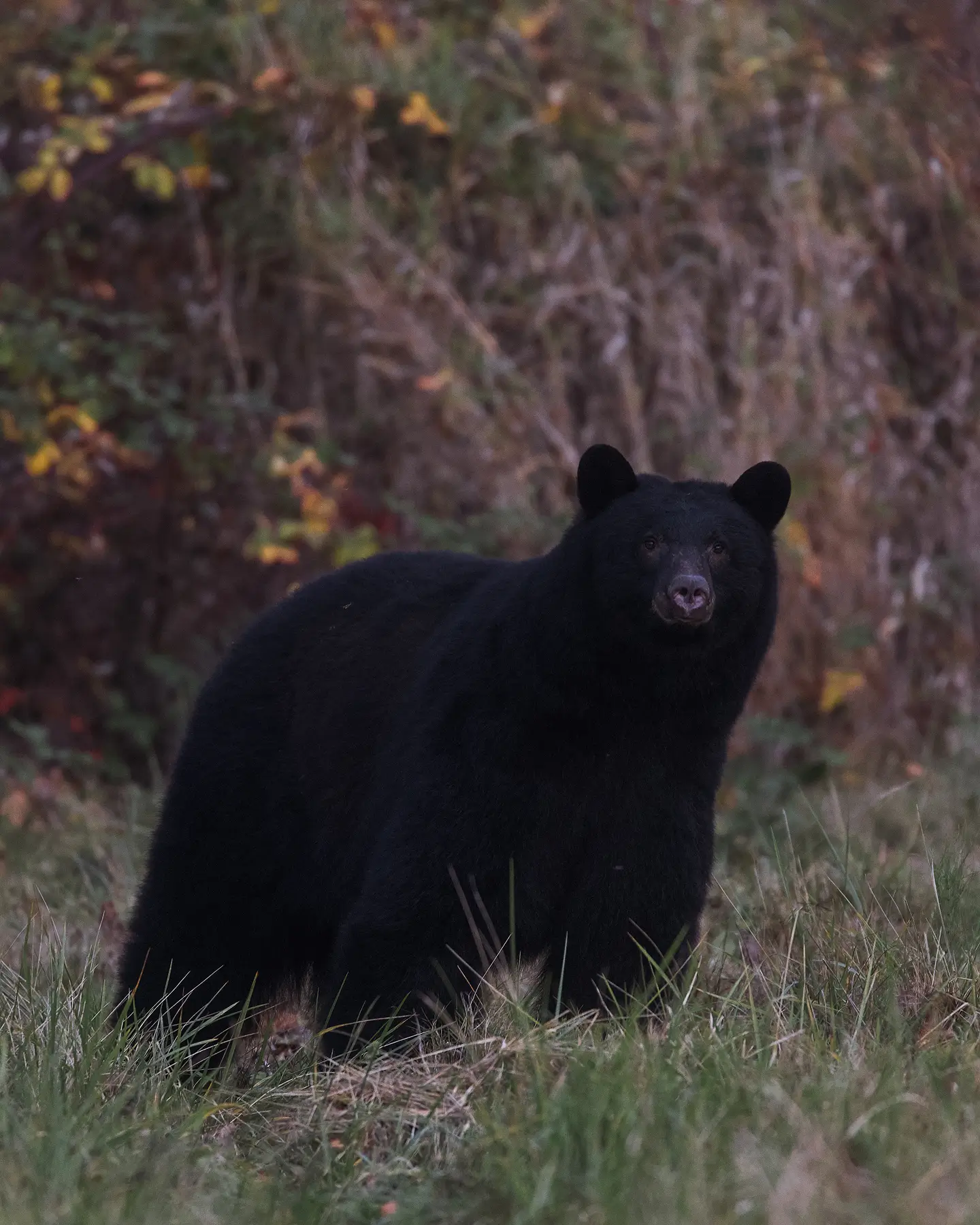
American black bear populations are widely distributed across Washington and are generally healthy and expanding into areas where human communities, recreation, and development continue to grow. As the wildland–urban interface expands, encounters between bears and people are becoming more common, making proactive education and conflict prevention increasingly important.
Black Bears in Carnation 1 1

Human Behavior increases bear conflict risks

Many conflicts arise when bears gain access to unsecured garbage, livestock feed, bird feeders, or improperly stored food at campsites and homes. Once bears become food-conditioned, conflicts can escalate and often result in bears being relocated or killed—making early education and bear-aware practices one of the most effective tools for protecting both people and bears.
Impact & Results

Our Key Bear Aware Accomplishments

From protecting critical landscapes to advancing collaborative forest restoration, these efforts deliver lasting benefits for wildlife, habitat connectivity, and climate resilience.

conservationnw image

There are no posts to show at this time. Please check back soon.