


Impact & Results
A History of of Bear Aware Advancement
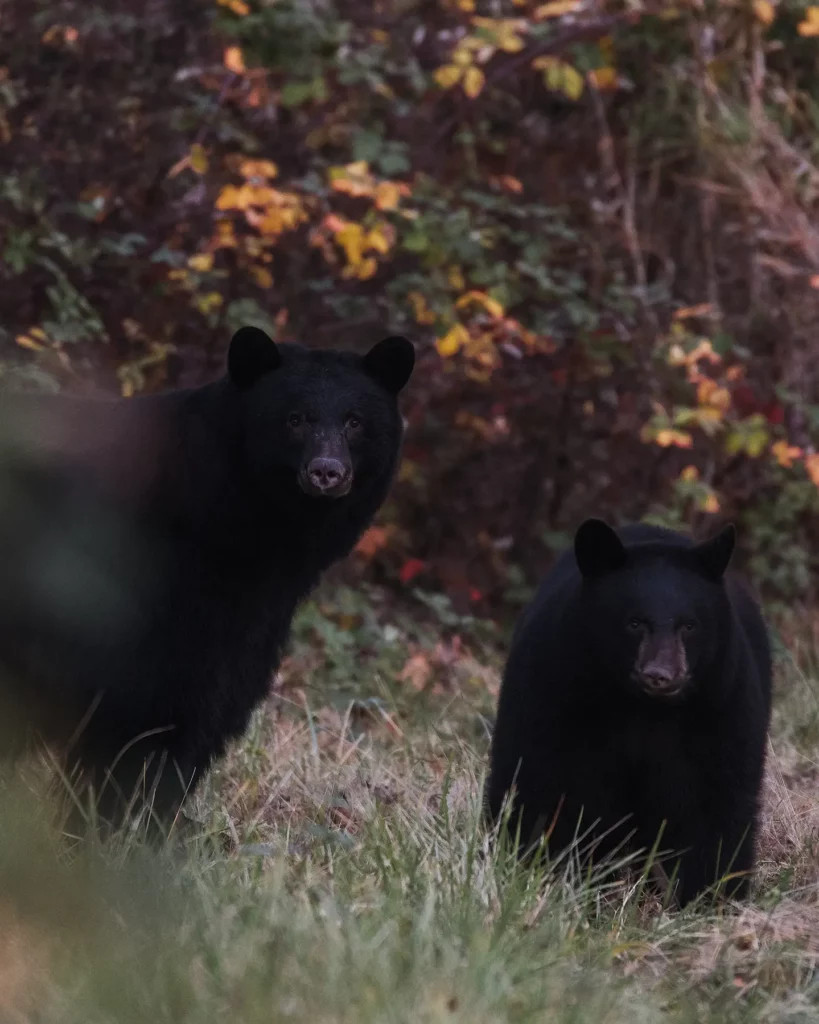
Bear Aware work in Washington has evolved in response to changing bear populations, increasing human recreation, and growing overlap between people and wildlife. As grizzly restoration progresses and black bear encounters rise, proactive education and prevention have become essential tools for reducing conflict and supporting coexistence.
North Cascades grizzly restoration decision (2024)
Black Bears are widespread across Washington state
Human Behavior increases bear conflict risks
North Cascades grizzly restoration decision (2024)
In April 2024, the National Park Service and U.S. Fish and Wildlife Service announced they would move forward with restoring grizzly bears to the North Cascades. With translocations expected in the future, communities across the region now need clear, practical preparation for living safely in grizzly country.
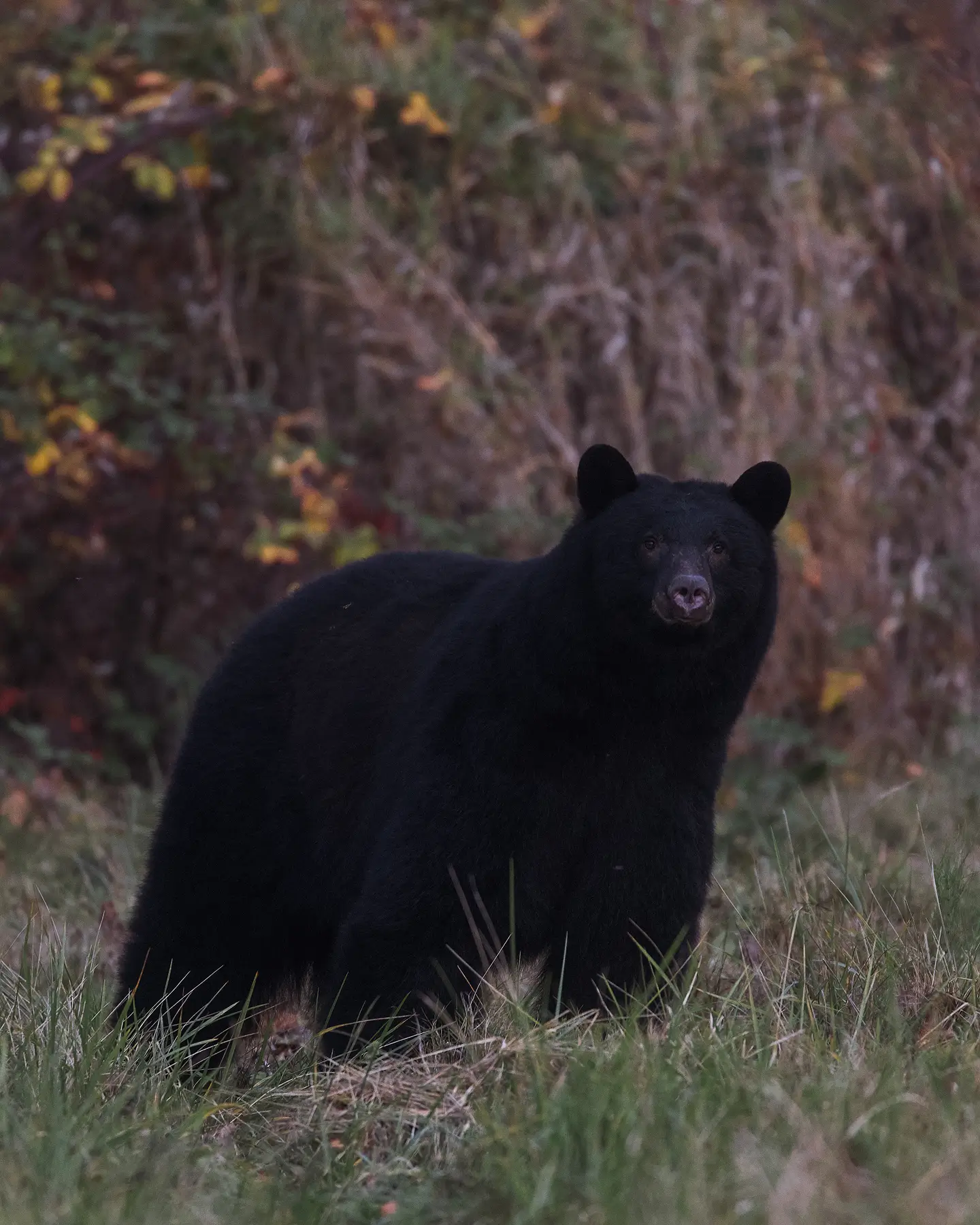
Black Bears are widespread across Washington state
American black bear populations are widely distributed across Washington and are generally healthy and expanding into areas where human communities, recreation, and development continue to grow. As the wildland–urban interface expands, encounters between bears and people are becoming more common, making proactive education and conflict prevention increasingly important.
Human Behavior increases bear conflict risks
Many conflicts arise when bears gain access to unsecured garbage, livestock feed, bird feeders, or improperly stored food at campsites and homes. Once bears become food-conditioned, conflicts can escalate and often result in bears being relocated or killed—making early education and bear-aware practices one of the most effective tools for protecting both people and bears.
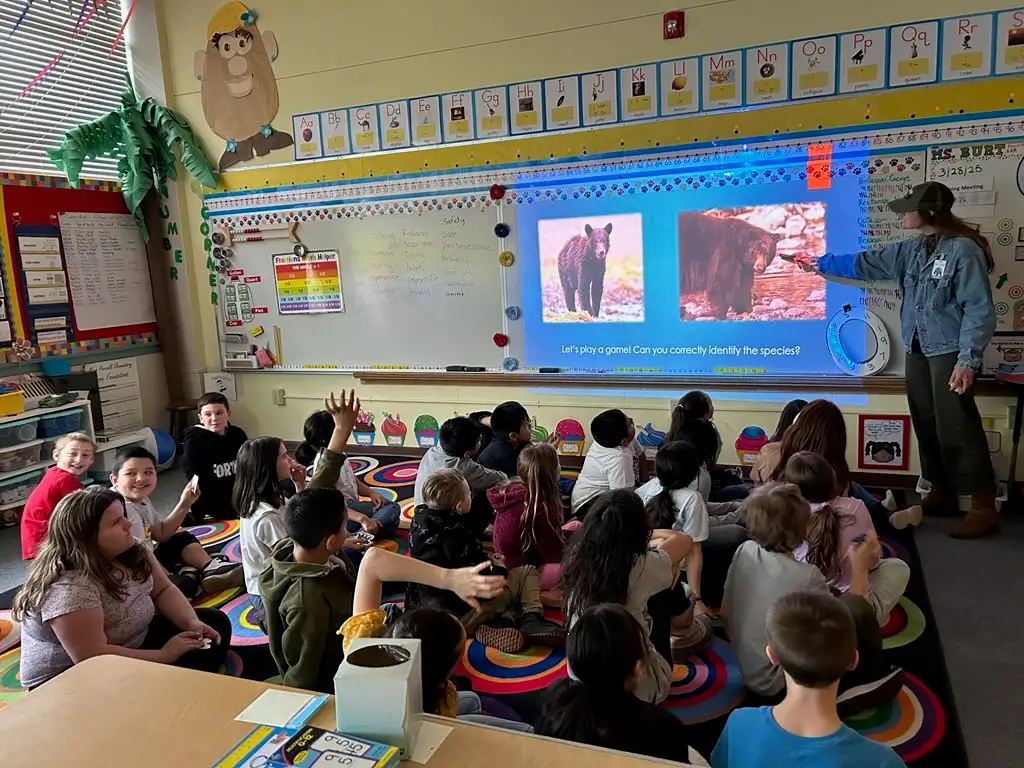
School Outreach Expansion
School based outreach in Skagit and Snohomish Counties (2025)
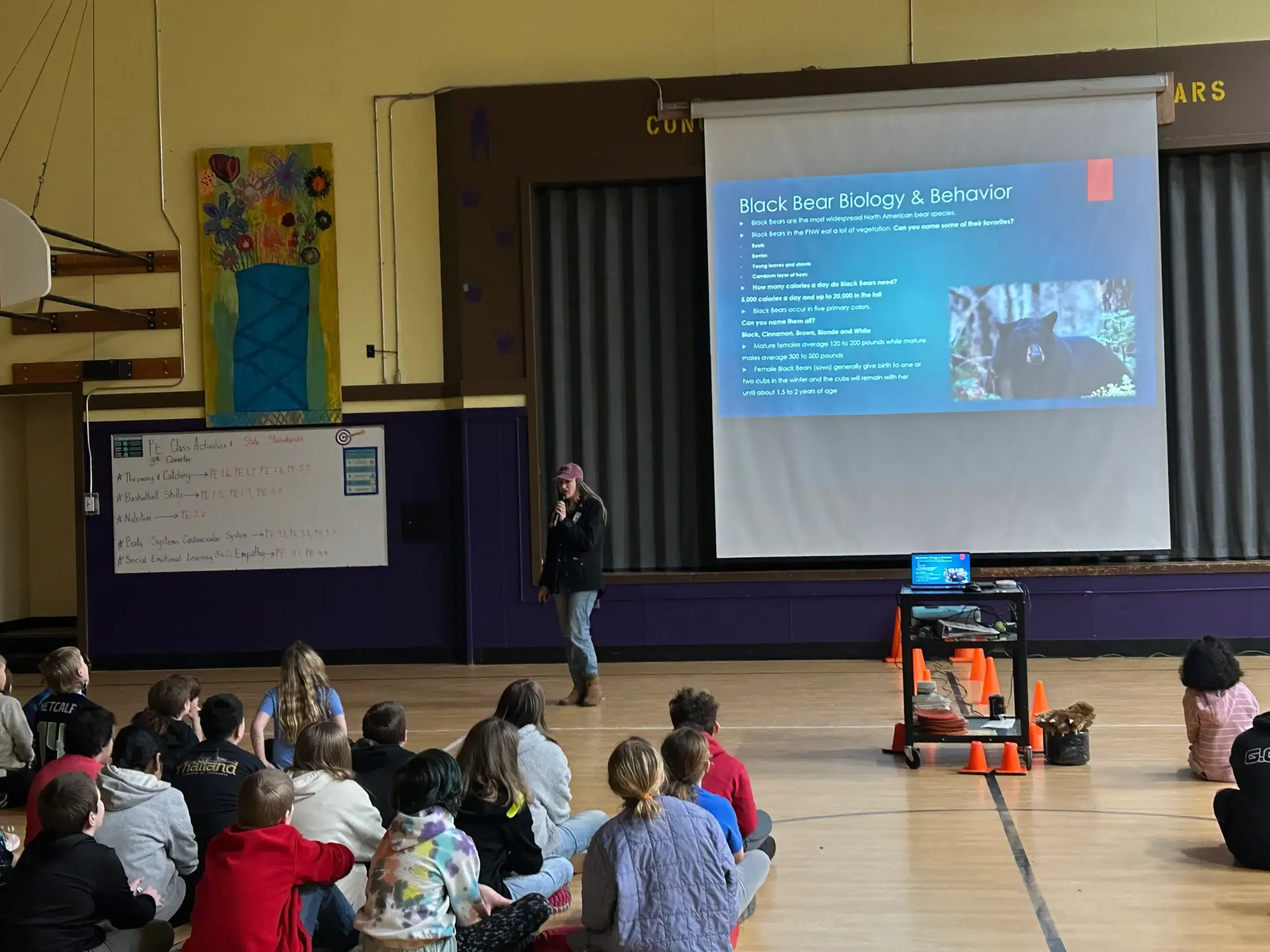
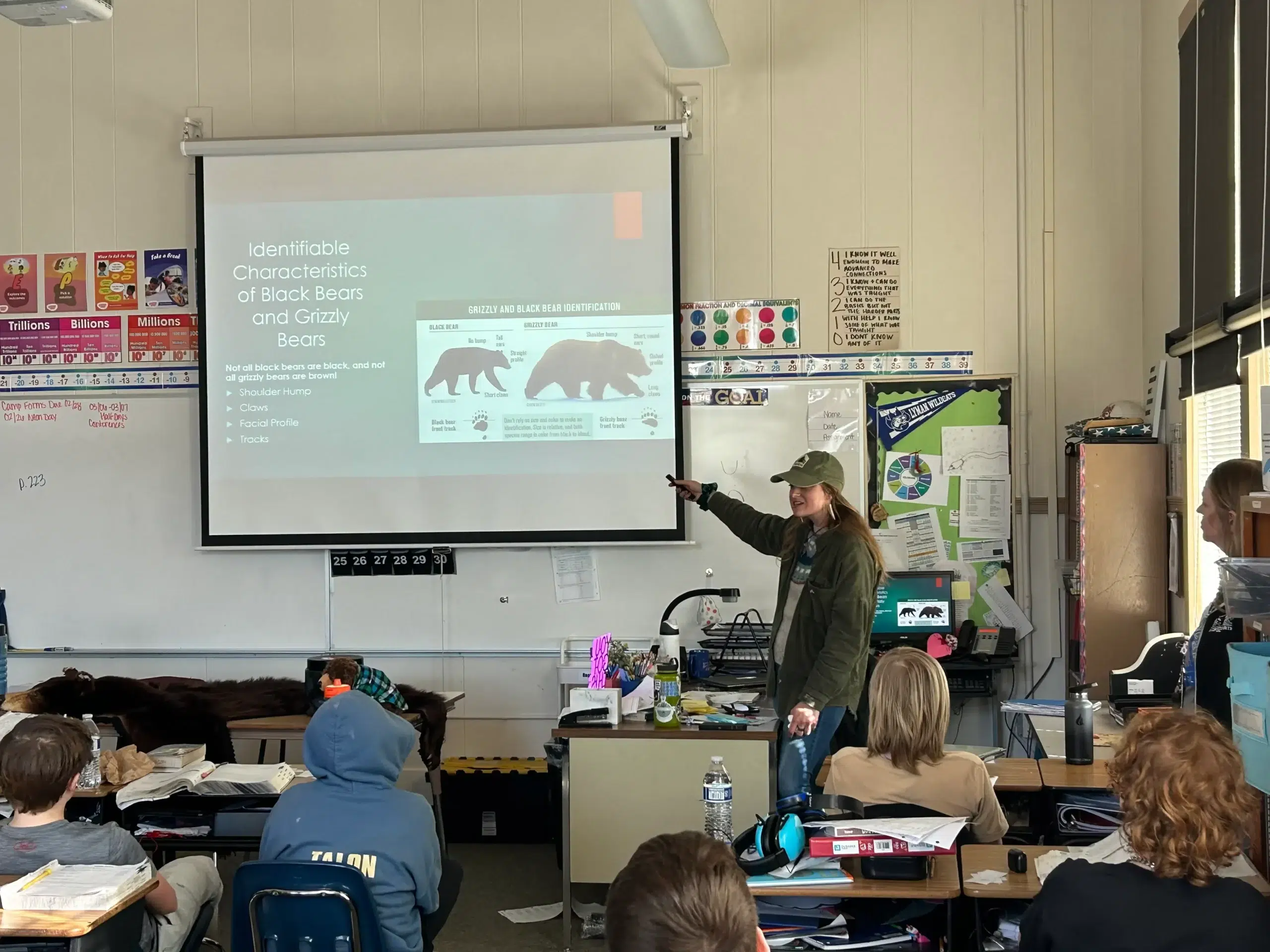
In 2025, Bear Aware outreach began in local schools, reaching nearly 700 students and 50 teachers with education on coexistence, attractant management, and safe practices in bear country.
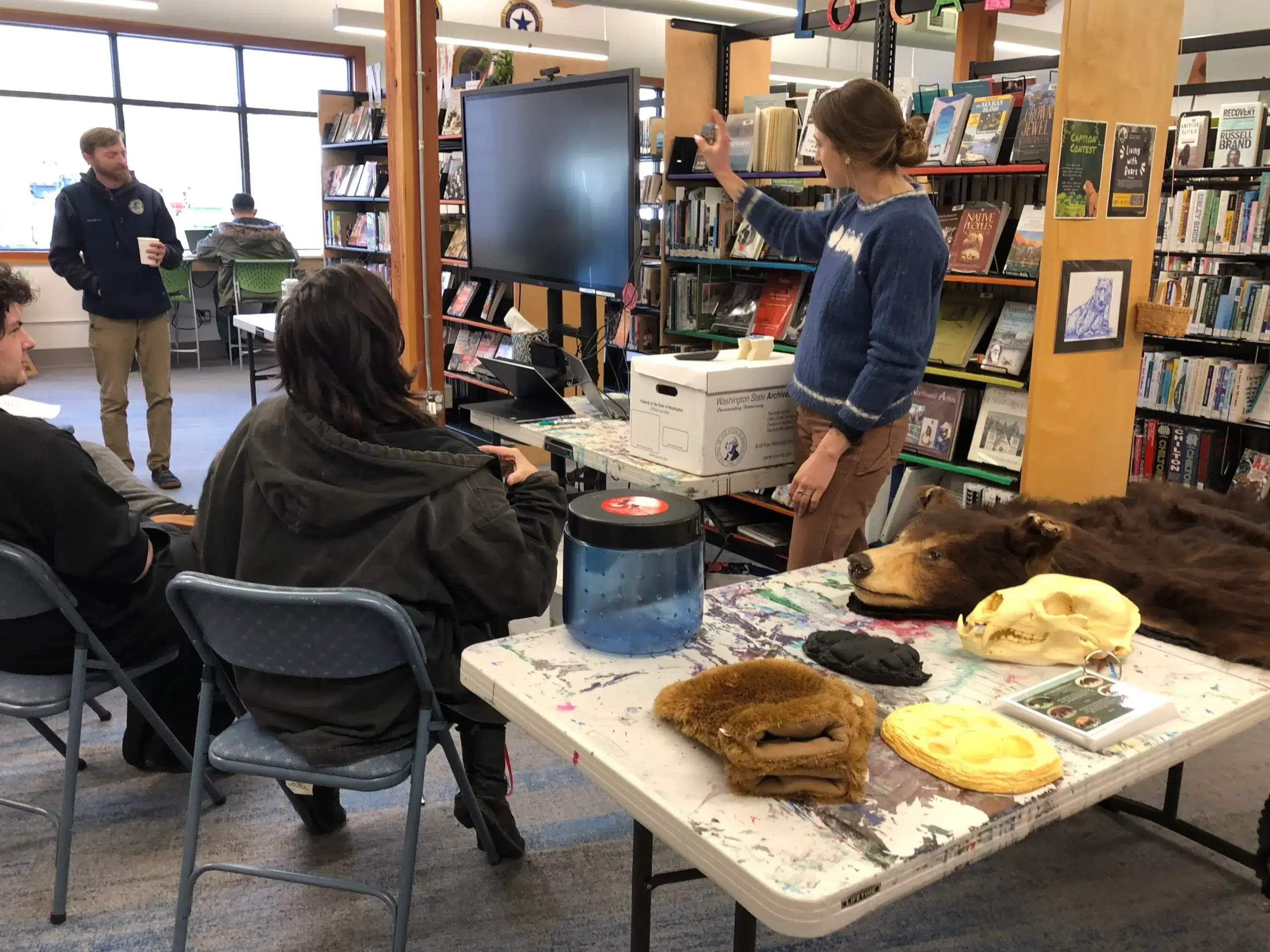
Community Engagement
Expansion into community libraries (2025)
Outreach broadened beyond schools in 2025, including a public presentation at the Upper Skagit Library in Concrete delivered by Conservation Northwest and WDFW staff, joined by Upper Skagit Tribe elder Scott Schuyler, who shared the Tribe’s cultural history and relationship with grizzly bears.