

Impact & Results
A History of Habitat Impact from Recreation
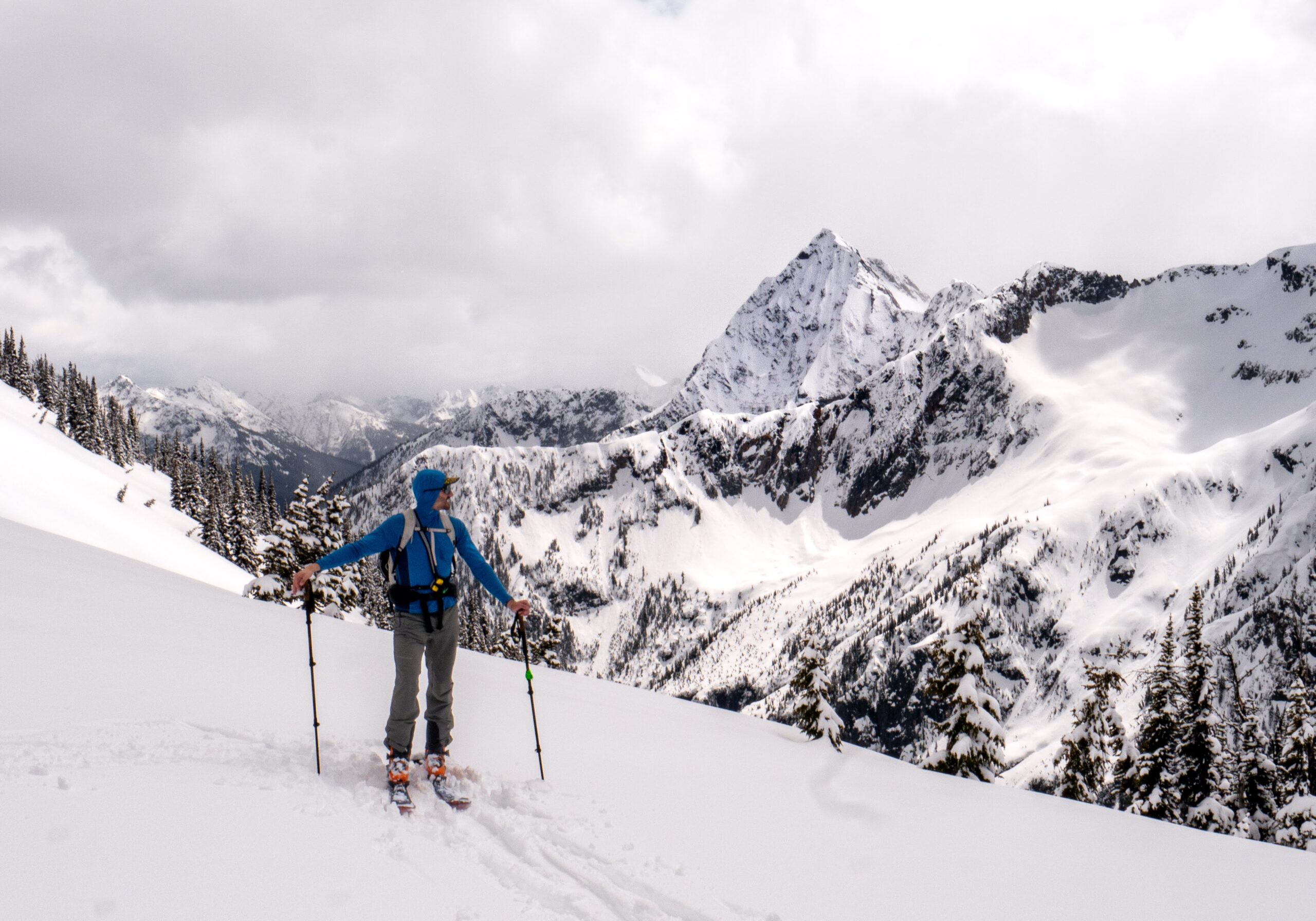
Recreation in Washington’s public lands has steadily increased, placing greater pressure on sensitive habitats through trails, infrastructure, and concentrated use. Over time, research and field observations have revealed key soil, vegetation, and watershed impacts, improving understanding of recreation’s ecological effects and informing more sustainable management approaches.
Trail use and concentrated recreation lead to soil compaction and erosion.
Recreation infrastructure fragments and alters native vegetation.
Recreation increases spread of invasive species.
Cumulative pressure from high-use areas can degrade sensitive ecosystems.
Trail use and concentrated recreation lead to soil compaction and erosion.
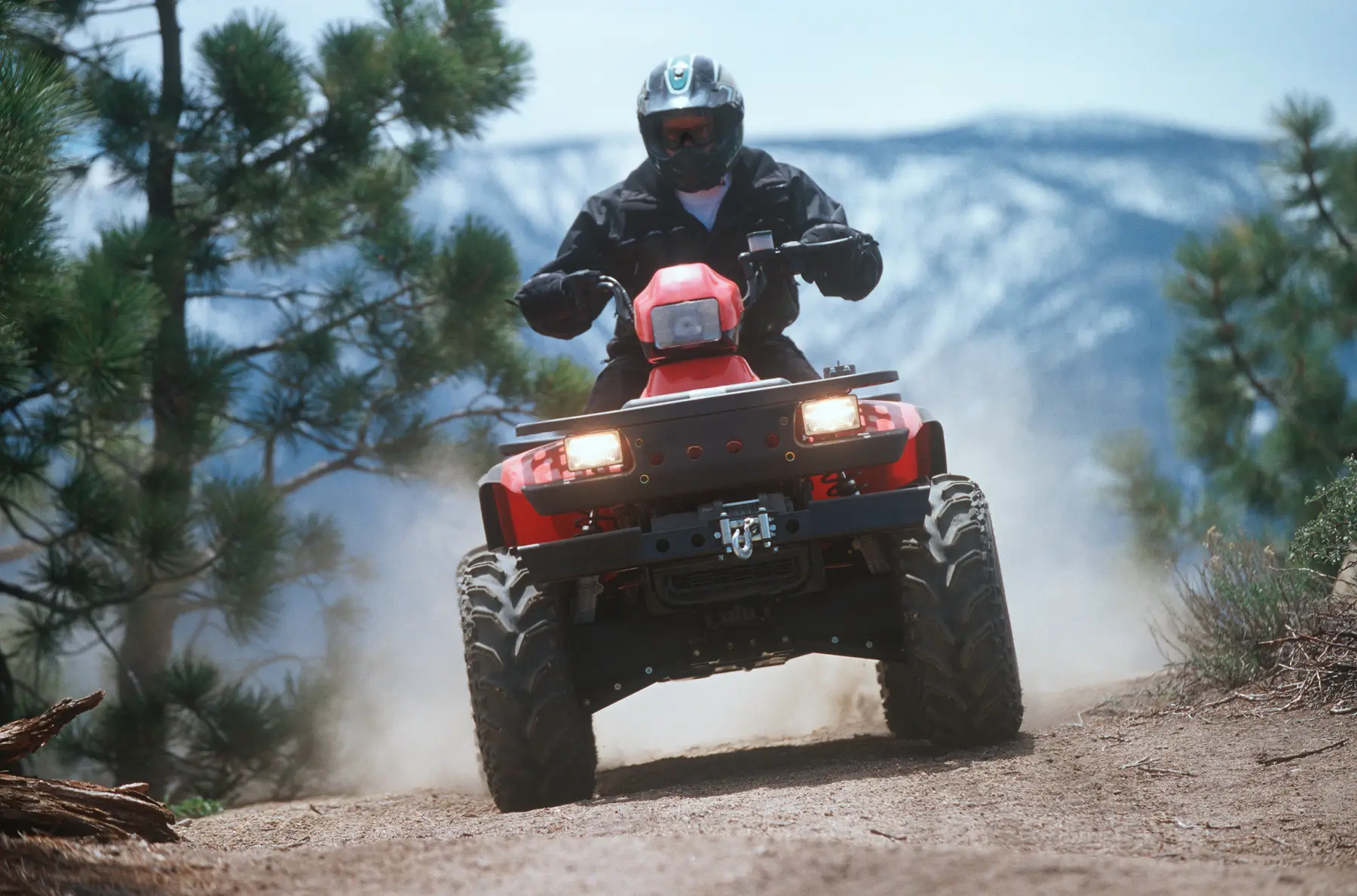
Hiking, biking, and offroad vehicles compress soil, reducing infiltration and water retention. On steep or sensitive slopes, this accelerates erosion, degrades riparian areas, and alters stream sedimentation patterns, impacting both terrestrial and aquatic habitats. In some heavily used trail systems, compaction can persist for years, reducing native plant regeneration.
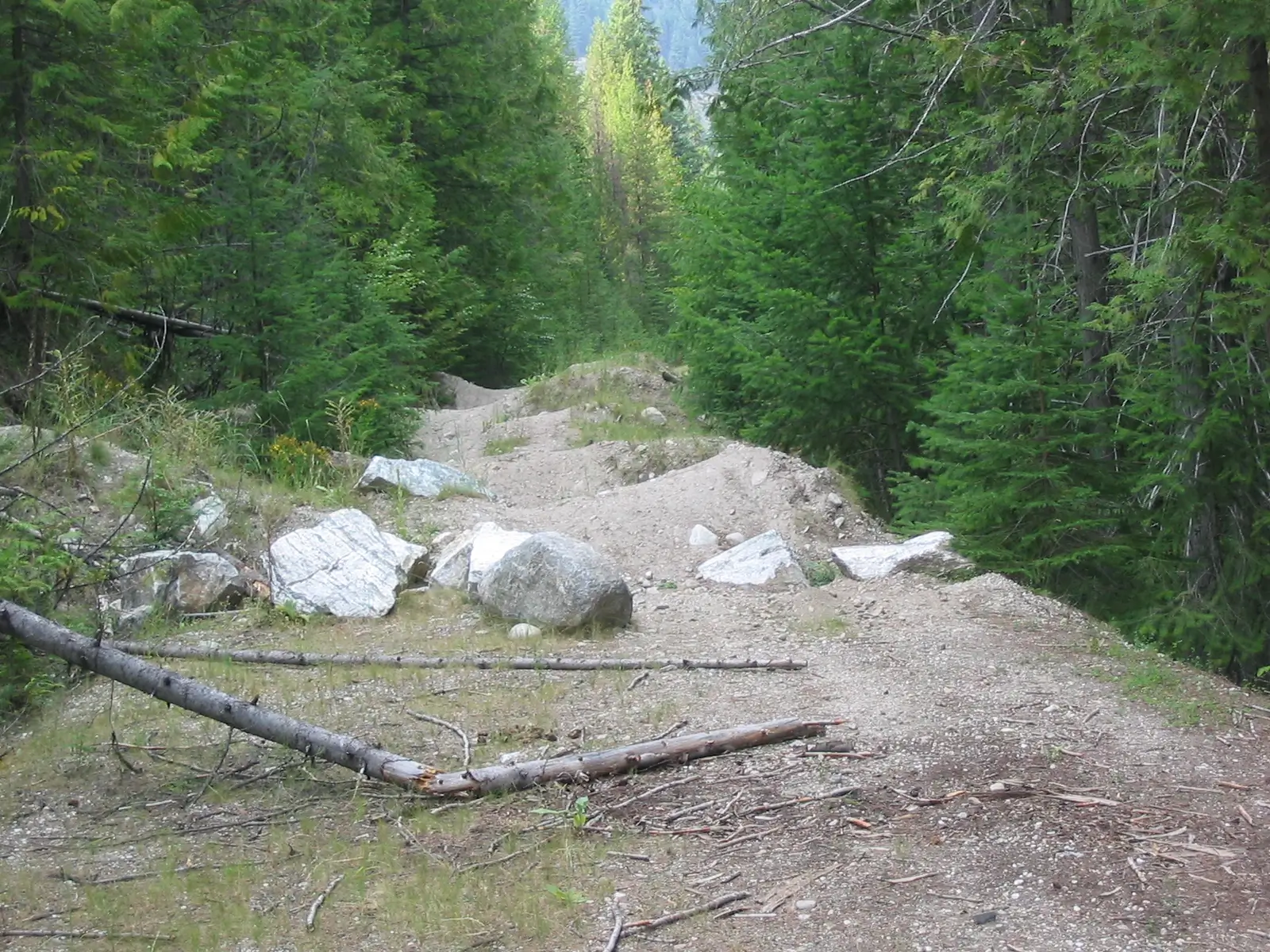
Recreation infrastructure fragments and alters native vegetation.
Campgrounds, parking areas, ski runs, and mountain biking trails remove or degrade native vegetation. Repeated use creates “social trails” and informal paths, which expand habitat loss beyond the designed recreation footprint and can disrupt sensitive plant communities, including rare alpine and riparian species.
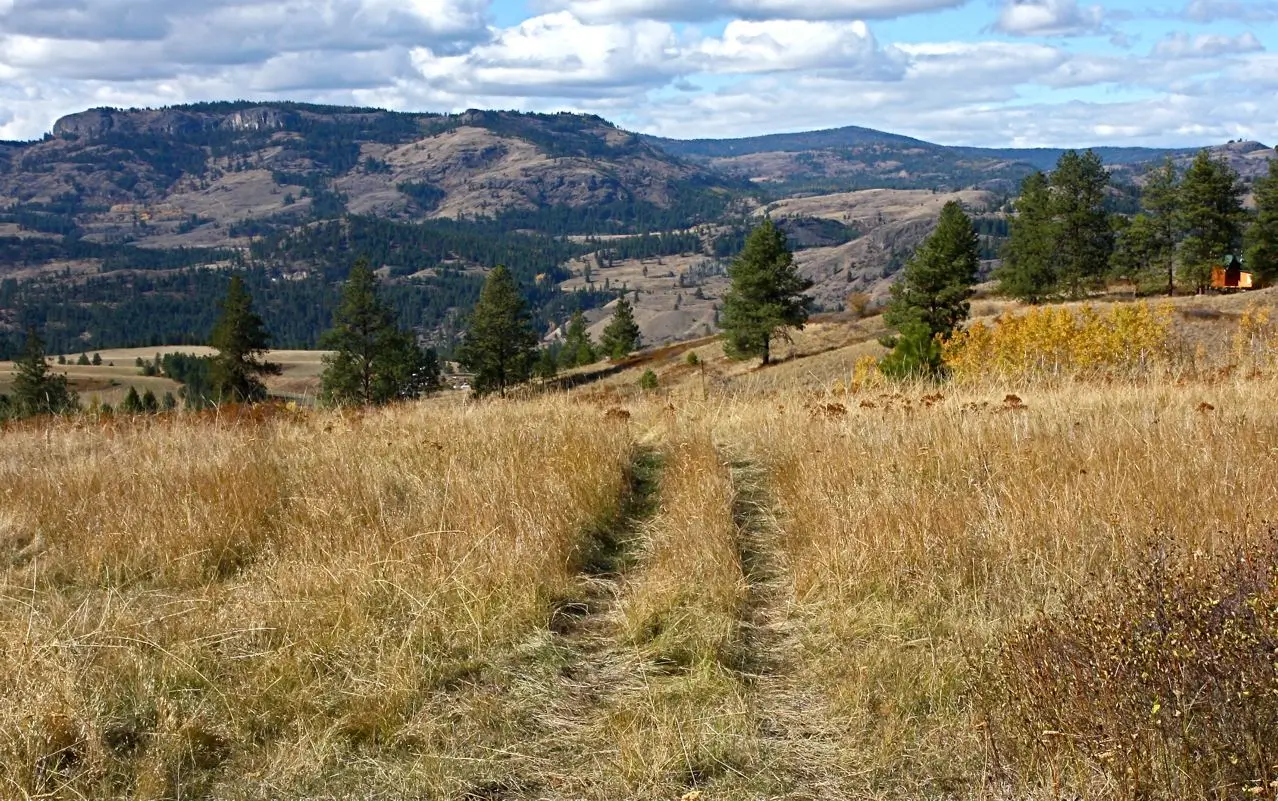
Recreation increases spread of invasive species.
Foot traffic, bikes, horses, and boats can transport seeds of invasive plants, such as knotweed or cheatgrass, into high-quality habitats. This not only replaces native flora but also alters soil chemistry, fire regimes, and the structure of forests, meadows, and riparian zones, affecting habitat quality for wildlife.
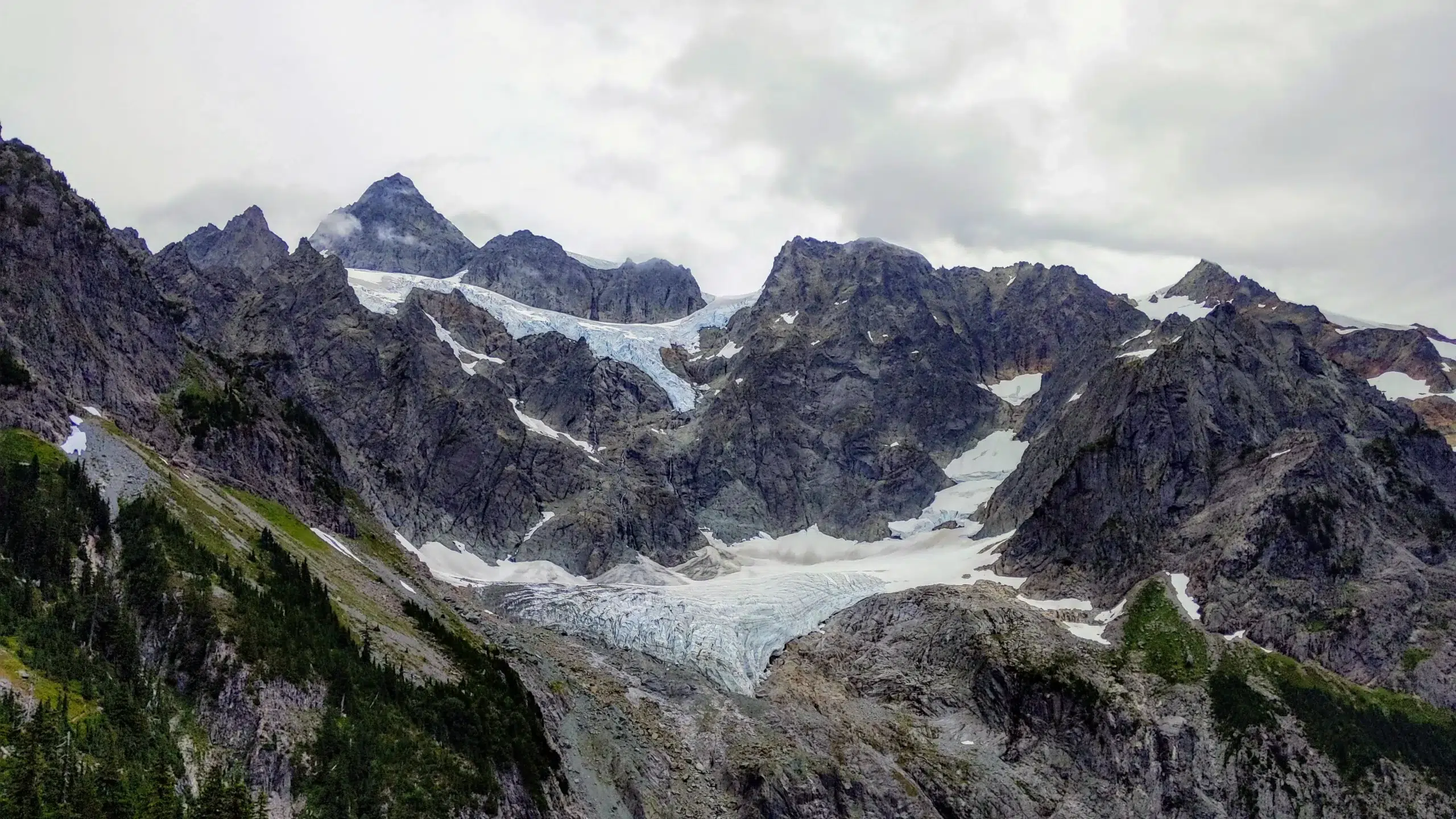
Cumulative pressure from high-use areas can degrade sensitive ecosystems.
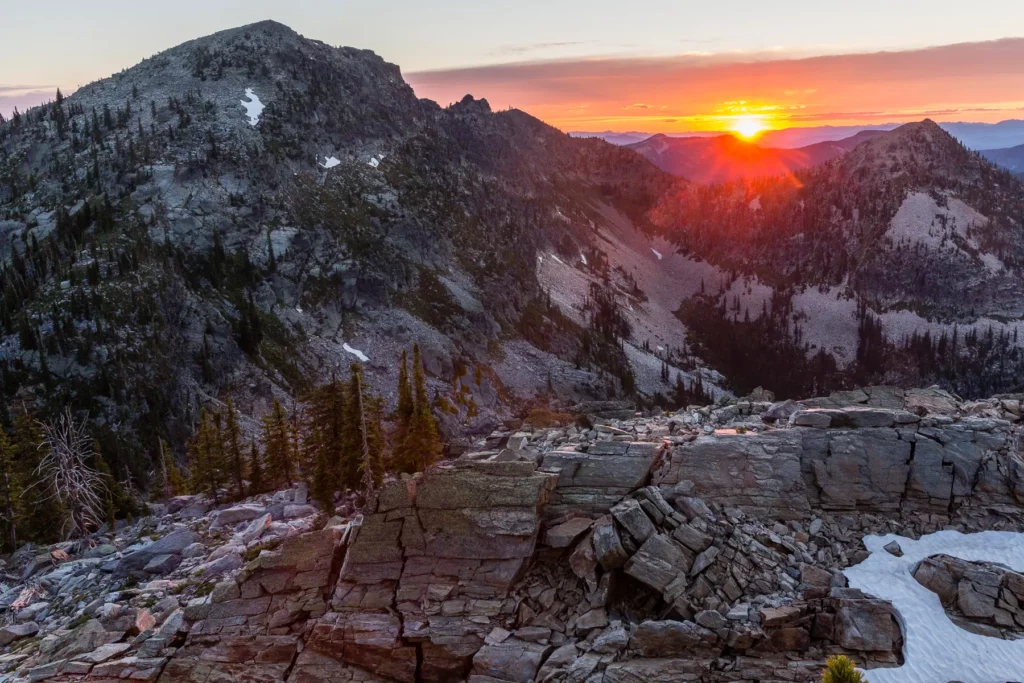
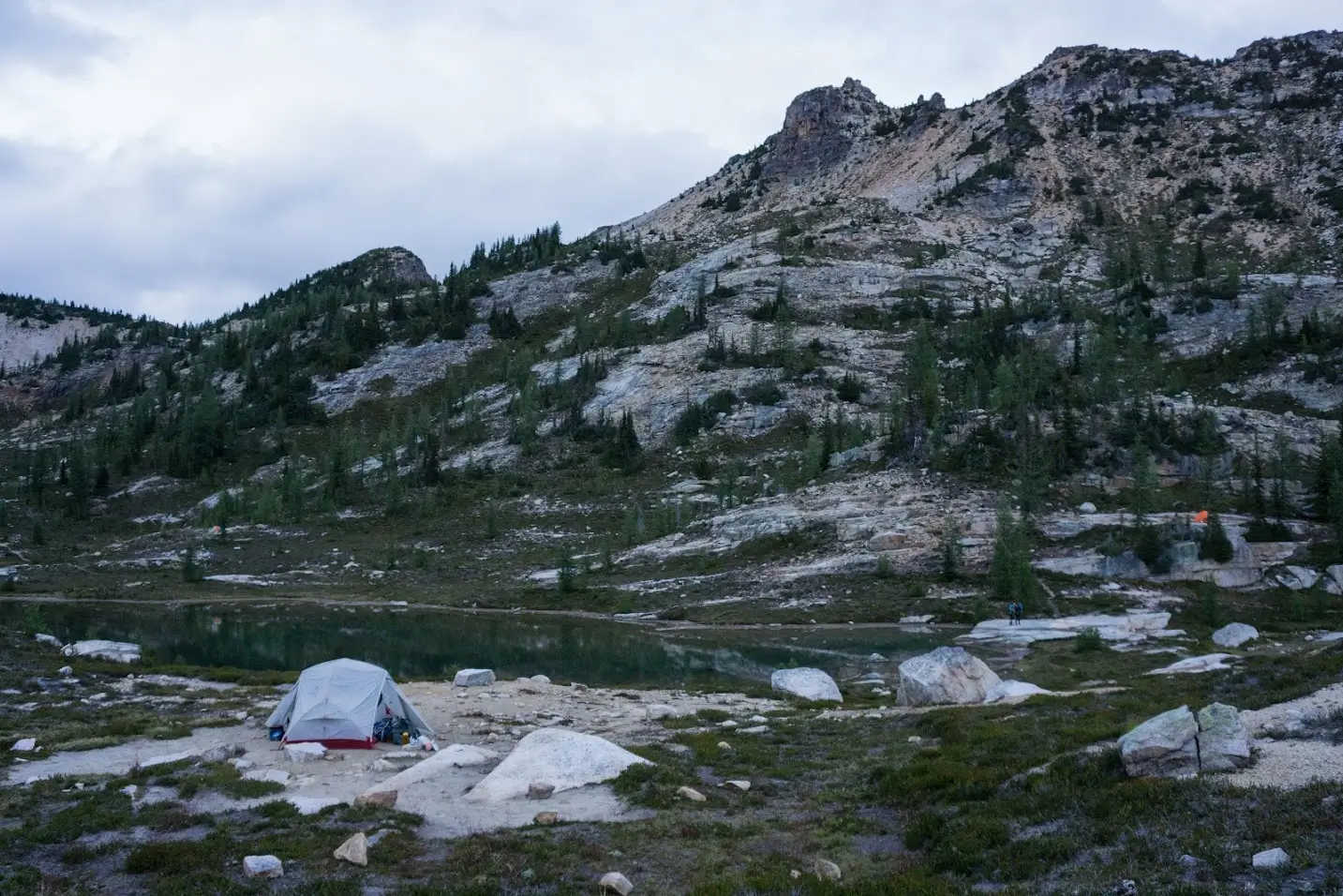
In Washington, popular wilderness areas in the Cascades, Olympics, and northeast forests experience repeated disturbance, especially during summer and winter recreation seasons. Alpine meadows, riparian zones, and subalpine wetlands are particularly vulnerable, with recovery from trampling often taking decades.
Science and Policy Initiative
Launched an applied science and policy initiative to address recreation impacts on habitat.
Conservation Northwest created the WildlifeRecreation Coexistence Program to explicitly reduce outdoor recreation impacts on both wildlife and sensitive habitats through a combination of scientific review, outreach to user communities, and engagement in policy development relating to recreation access and management.
Research and Planning Partnerships
Partnered on research and science reviews to inform sustainable recreation planning.
Through collaborations with partners like Home Range Wildlife Research, CNW has helped compile and apply scientific literature on how different recreational activities affect habitats — from sensitive meadows and grasslands to watershed areas — and shared those findings to guide land management decisions and advocacy.
Low Impact Recreation Outreach
Supported outreach that encourages low impact recreation practices to protect habitat.
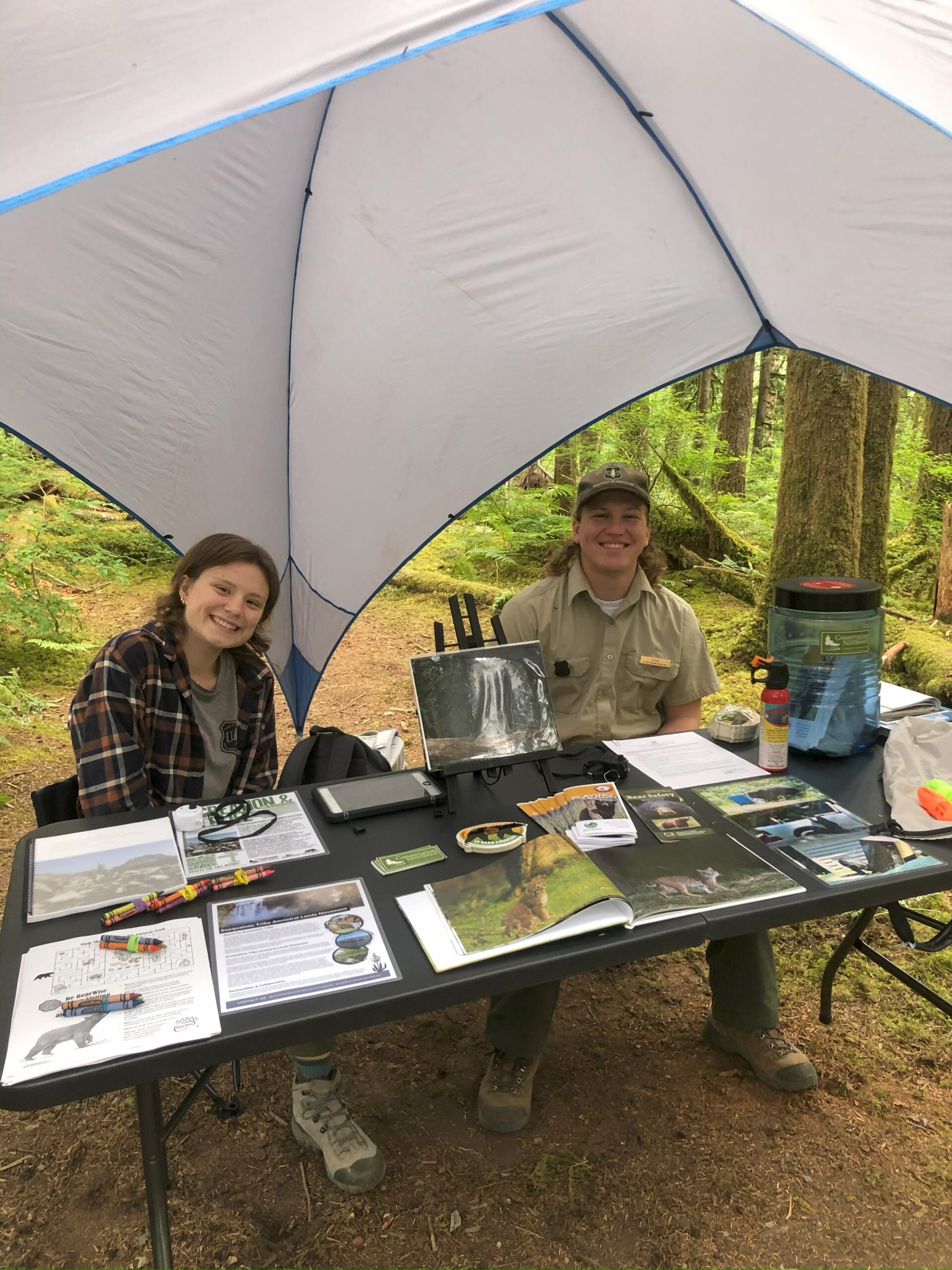
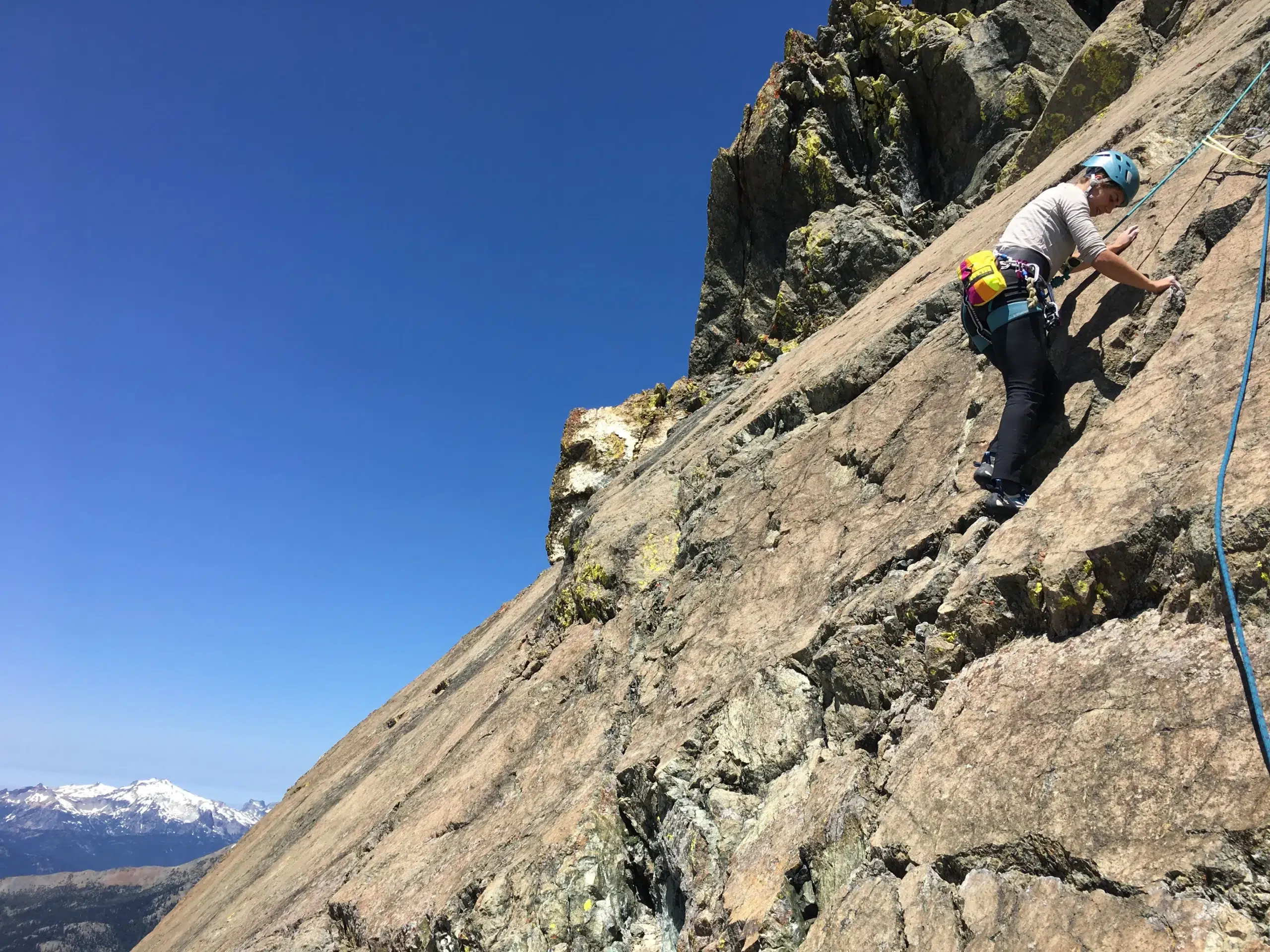
The Wildlife Ambassador Project — part of the broader WREC initiative — engages with recreationists at trailheads and campgrounds, promoting respectful recreation behavior (such as staying on durable surfaces, adhering to Leave No Trace practices, and understanding how off trail use can degrade soils and vegetation). This proactive engagement helps reduce habitat trampling and vegetation loss associated with increasing visitation.