

Impact & Results
A History of Forest Habitat Goals
Our forest habitat management strategy is rooted in collaboration with federal, state, and regional conservation leaders and strategy. Together, we aim to conserve diverse forest habitat through science-based work and community partnerships.
Engaging in major forest planning frameworks
Supporting Washington’s 20 Year Forest Health Strategic Plan
Shaping restoration and management across Washington’s forest landscapes
Engaging in major forest planning frameworks
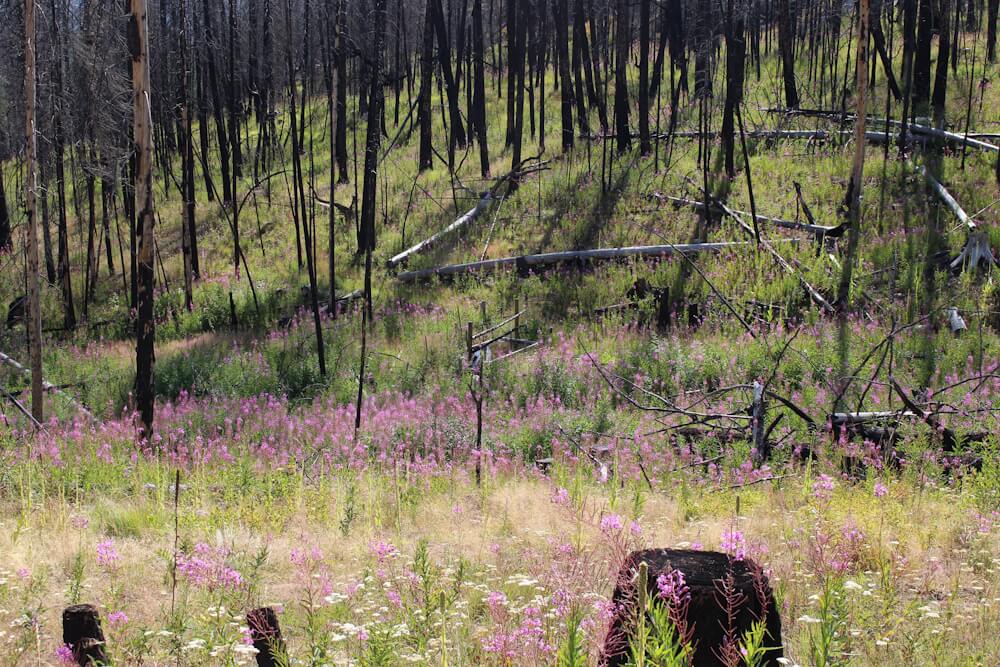
Work in forest habitat is anchored in the Northwest Forest Plan and related federal and state planning processes that shape how mature forests, old growth, and critical wildlife habitat are managed across Washington. Engagement focuses on ensuring these plans protect ecological integrity and maintain habitat connectivity.

Supporting Washington’s 20 Year Forest Health Strategic Plan
Participation in the state’s long term forest health strategy helps guide restoration, thinning, and fire adaptation work across eastern Washington. The emphasis is on science based treatments that improve forest resilience and sustain habitat for species that depend on these landscapes.

Shaping restoration and management across Washington’s forest landscapes
Staff engage broadly across Washington’s forest plans, collaboratives, and project level processes - from the Okanogan Wenatchee to the Colville, Mt. Baker -Snoqualmie, Gifford Pinchot, and state managed forests. This includes involvement in multi stakeholder groups, commenting on forest plans and projects, and supporting restoration that improves habitat quality and connectivity across the state’s diverse forest ecosystems.
2025 WildLinks Outcomes
Building Shared Infrastructure for Lasting Connectivity Implementation in Washington
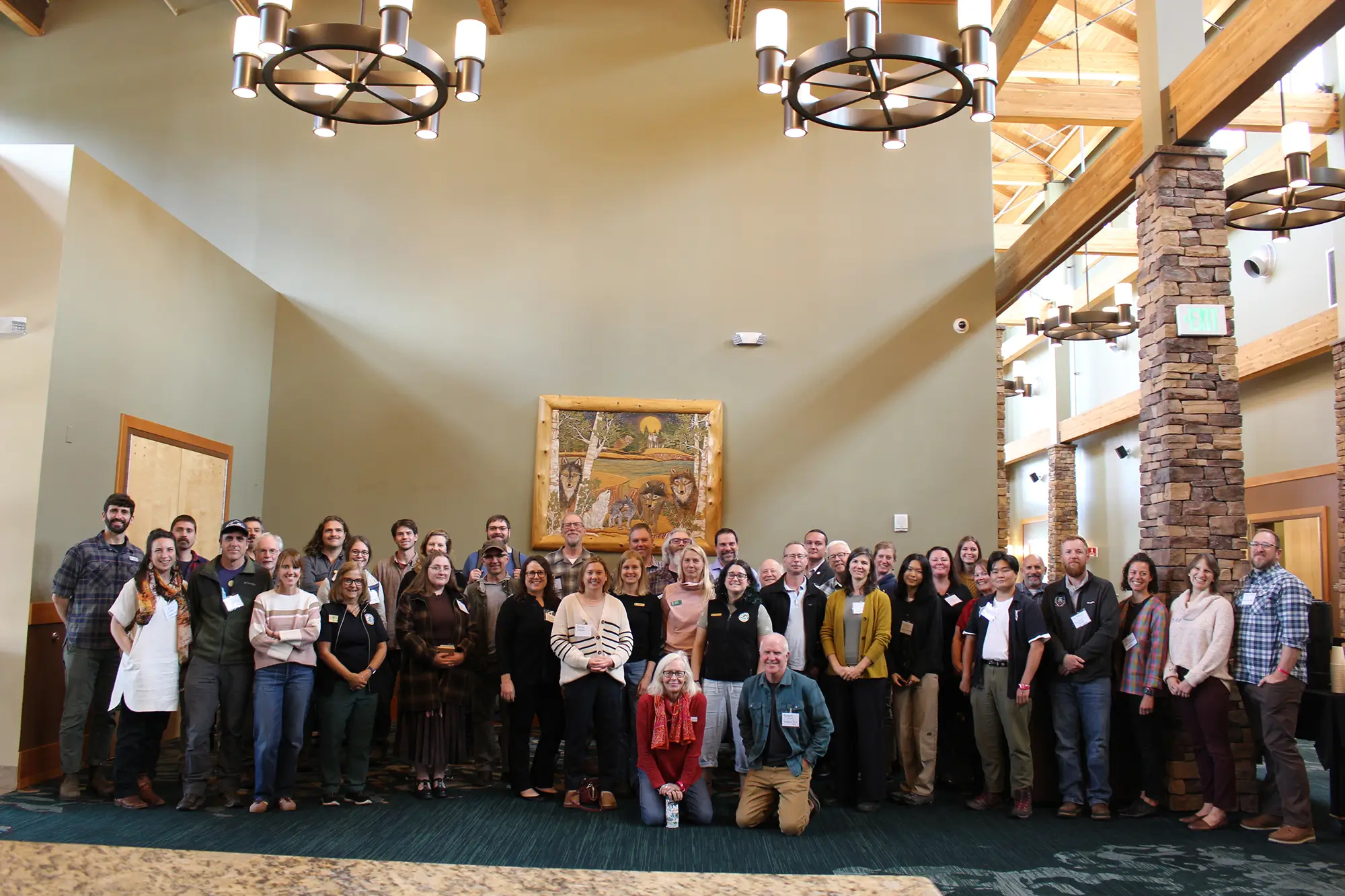
The 2025 WildLinks gathering centered on building the shared infrastructure needed to make connectivity implementation durable in Washington, giving partners space to celebrate the release of the Washington Habitat Connectivity Action Plan, align around feasibility needs, and strengthen momentum for coordinated action. A comprehensive summary of the meeting can be read here, and additional conference resources are compiled here.