


Impact & Results
A History of Safe Passage - Interstate 5
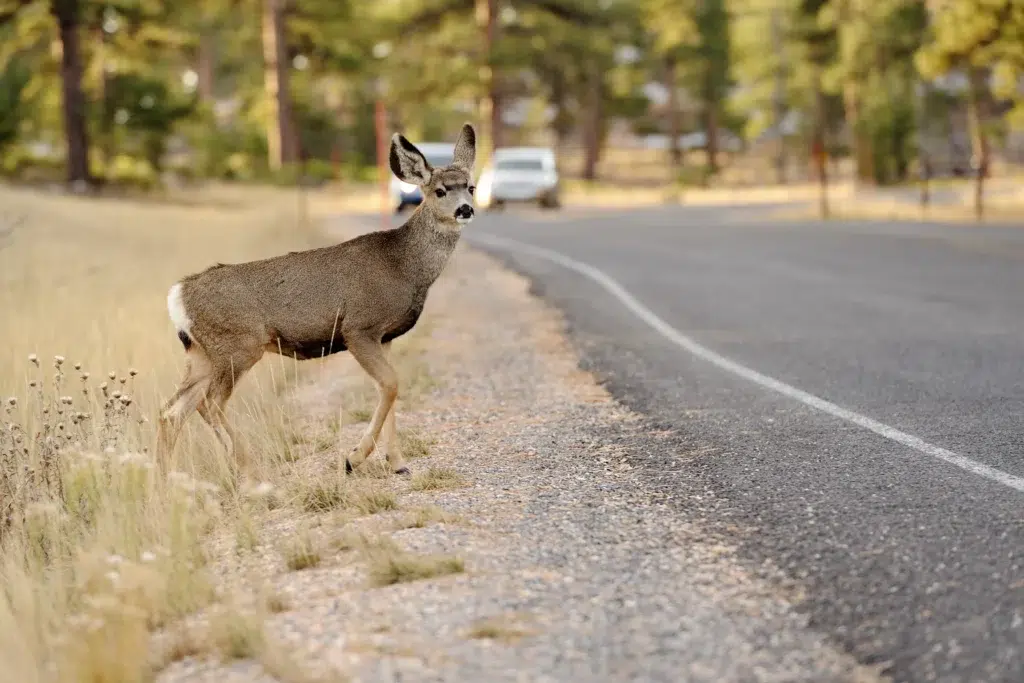
Interstate 5 is a major barrier between the Cascade Mountains and the Olympic Peninsula, fragmenting key ecosystems and limiting wildlife movement. Increasing development and traffic make restoring connectivity increasingly urgent.
Interstate 5 is a major barrier between two of Washington’s most important ecosystems.
A wide range of species depend on connected habitat across the Southwest Washington lowlands.
Rapid development is closing the window for effective crossing infrastructure.
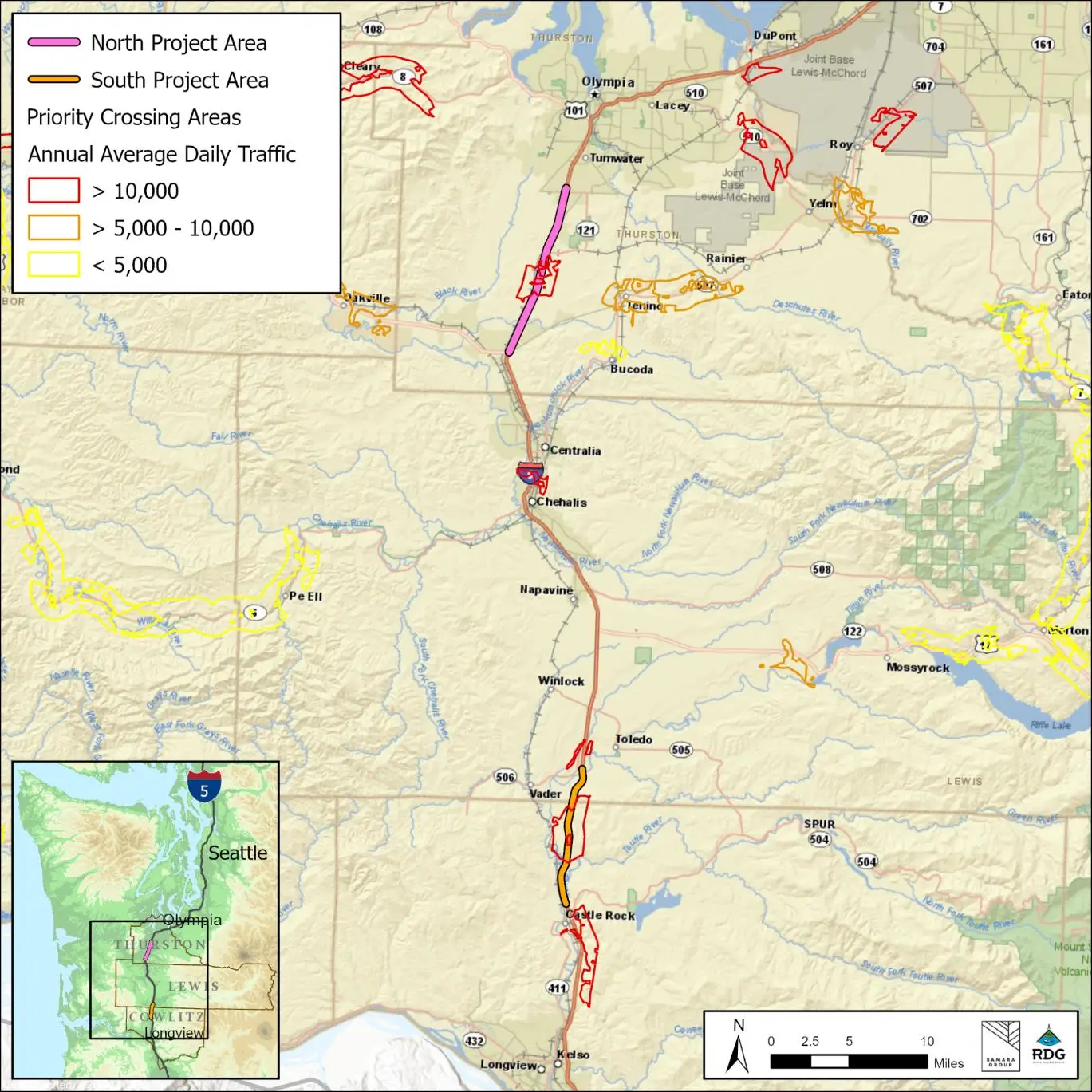
Interstate 5 is a major barrier between two of Washington’s most important ecosystems.
The I-5 corridor disrupts ecological connectivity between the Cascade Mountains and the Olympic Peninsula, fragmenting habitat and limiting wildlife movement across southwest Washington. This break in connectivity affects some of the most biodiverse landscapes in the state.
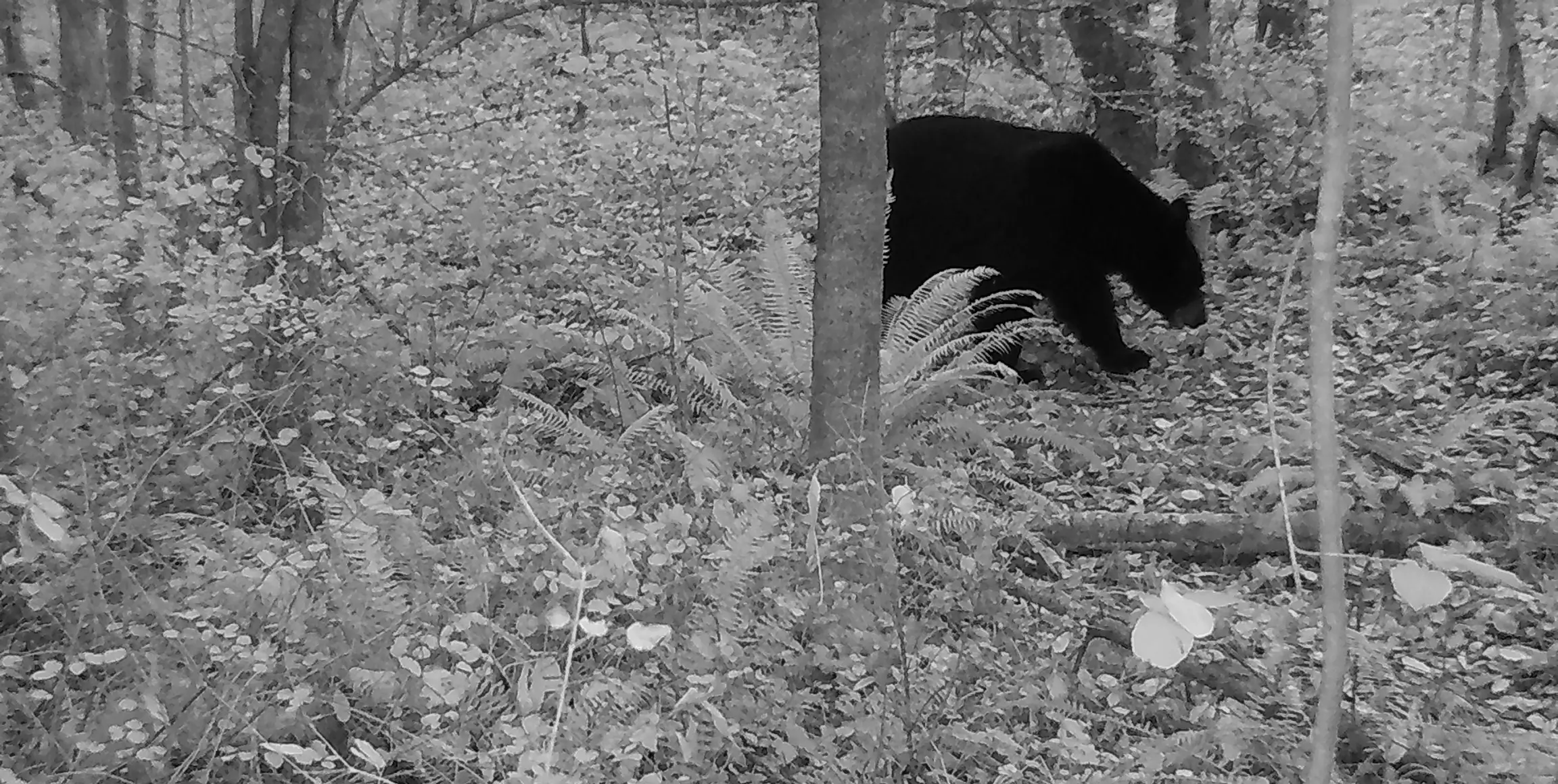
A wide range of species depend on connected habitat across the Southwest Washington lowlands.
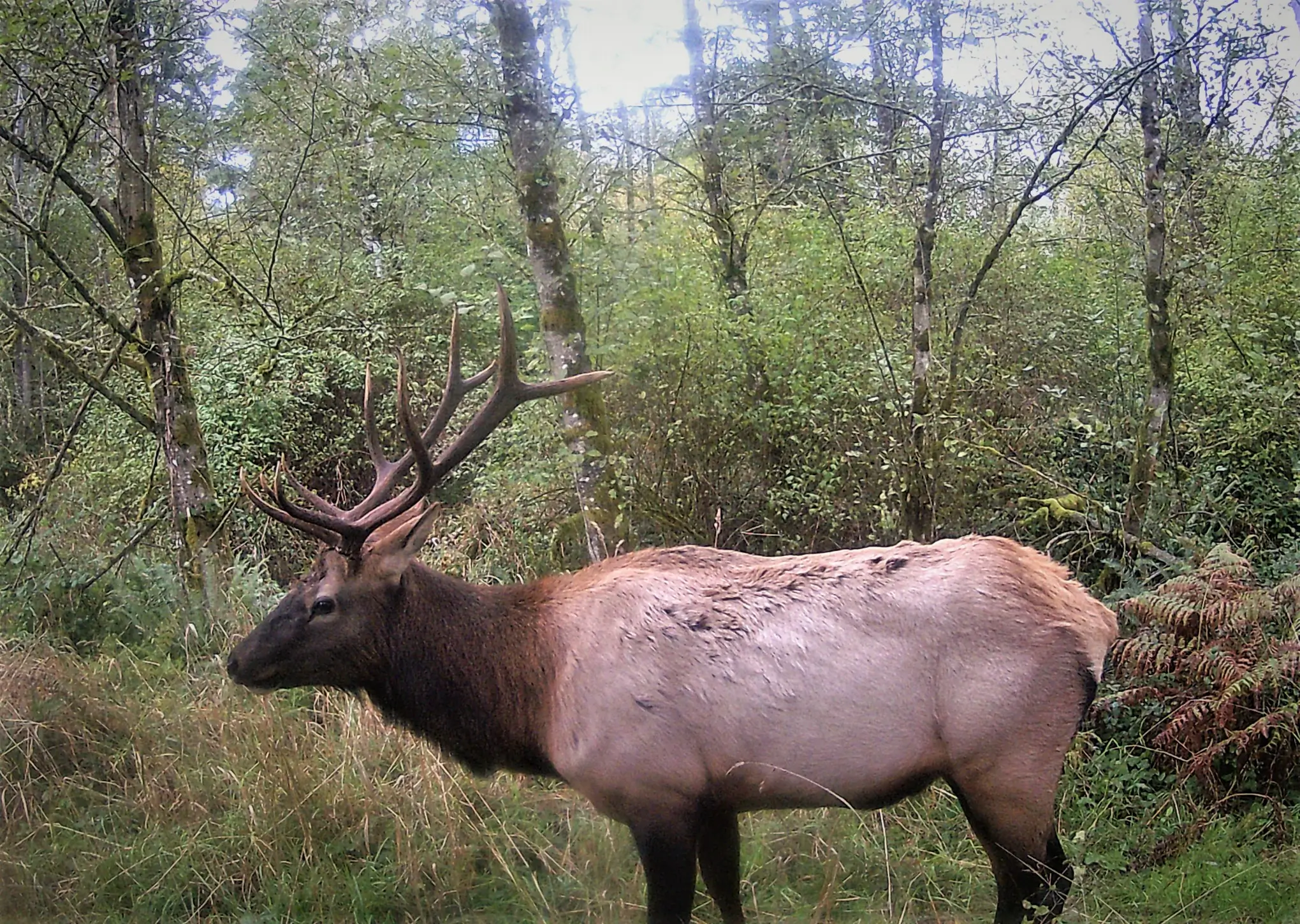
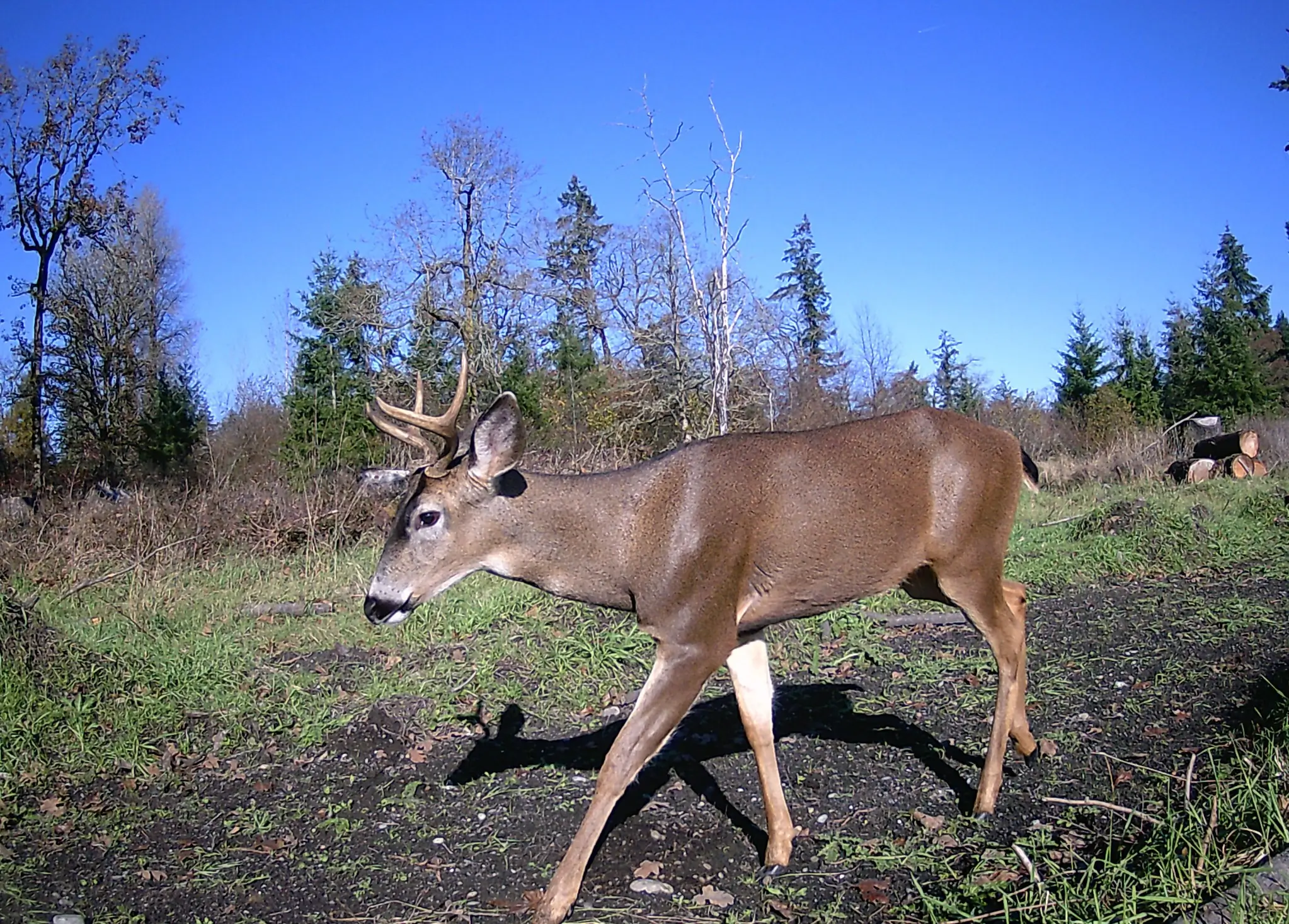
Roosevelt and Rocky Mountain elk, cougar, black tailed deer, black bear, fisher, and western gray squirrel all rely on the ability to move across the landscape for seasonal foraging, dispersal, and long term population resilience. Tens of thousands of vehicles travel I-5 each day, creating a significant barrier and increasing wildlife vehicle collision risk.
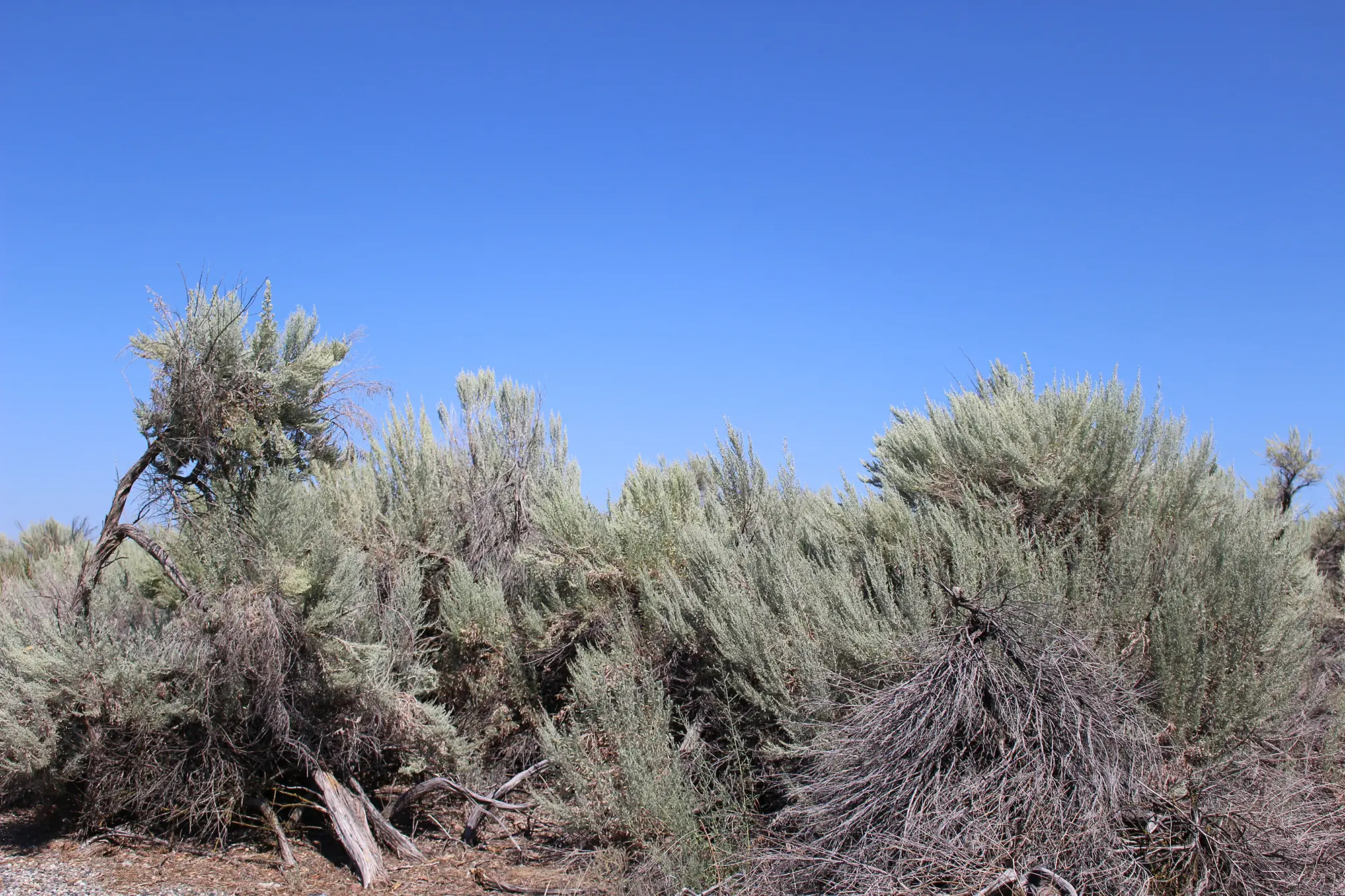
Rapid development is closing the window for effective crossing infrastructure.
Industrial growth and new infrastructure from the Chehalis Basin to the Columbia River are narrowing the last viable locations for wildlife crossings. Without proactive planning and protection, key linkage zones could be lost, making it far more difficult to restore connectivity between the Cascades and the Olympics.
Phase One Planning
Securing Initial Funding for Science-Based Wildlife Crossing Design
Obtained initial funding to begin Phase One planning for wildlife crossings, supporting analysis of development trends, land use change, and corridor protection needs across southwest Washington. This work is laying the foundation for engineering studies, wildlife monitoring, and design development to make priority crossing sites shovel ready for state and federal infrastructure investment.
Priority Connectivity Zones
Identifying Key Linkages for Cascades–Olympics Wildlife Movement
