

Impact & Results
A History of Habitat Restoration
Habitat restoration in eastern Washington and central Washington has focused on rebuilding shrub steppe, improving riparian areas, and supporting post-fire recovery. Through partnerships and long-term coordination, the program has helped strengthen regional resilience across working and wild lands.
Restoring riparian shrub steppe with innovative techniques
Supporting post fire restoration across eastern and central Washington
Strengthening long term restoration through WSRRI leadership
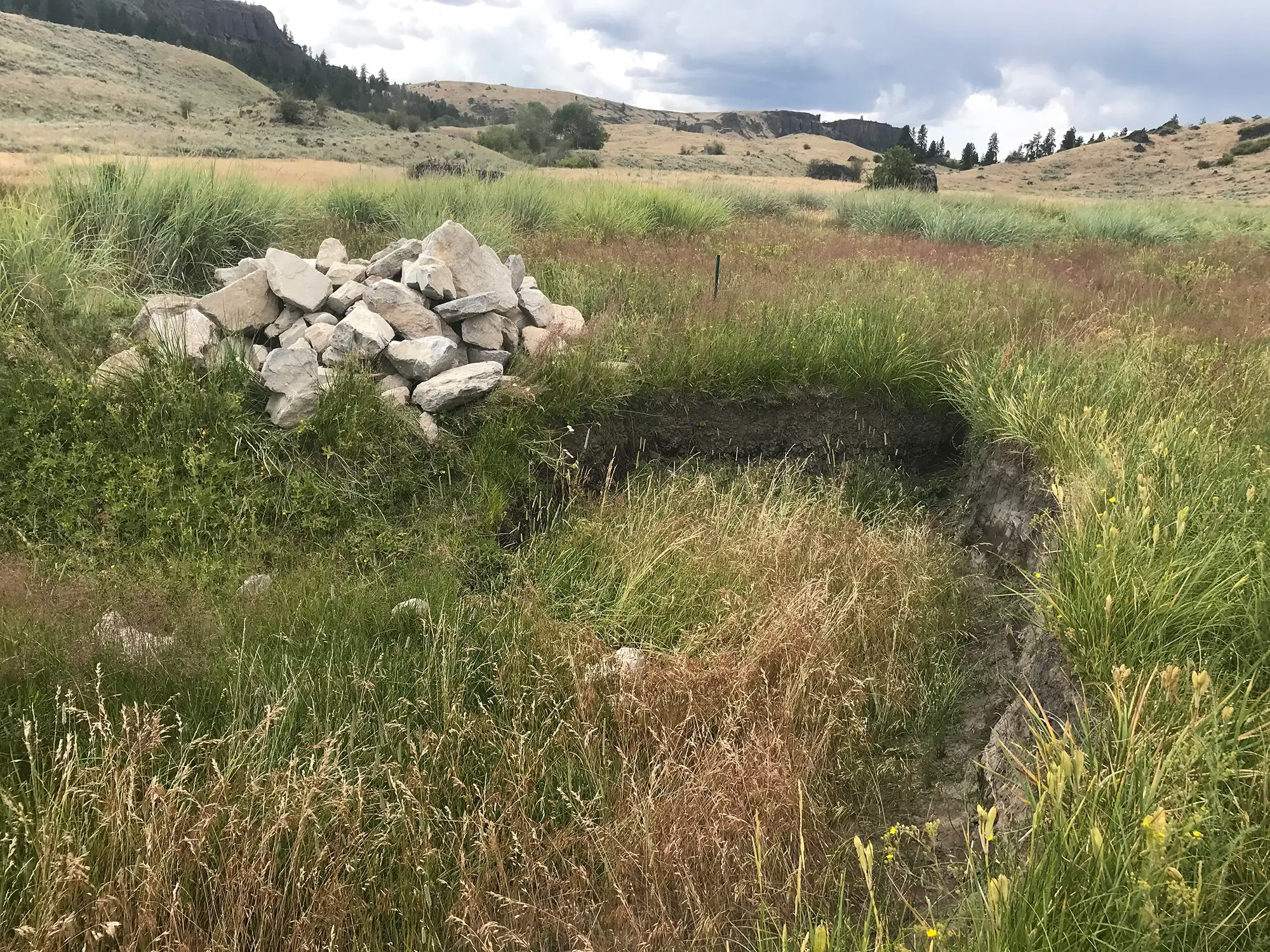
Restoring riparian shrub steppe with innovative techniques
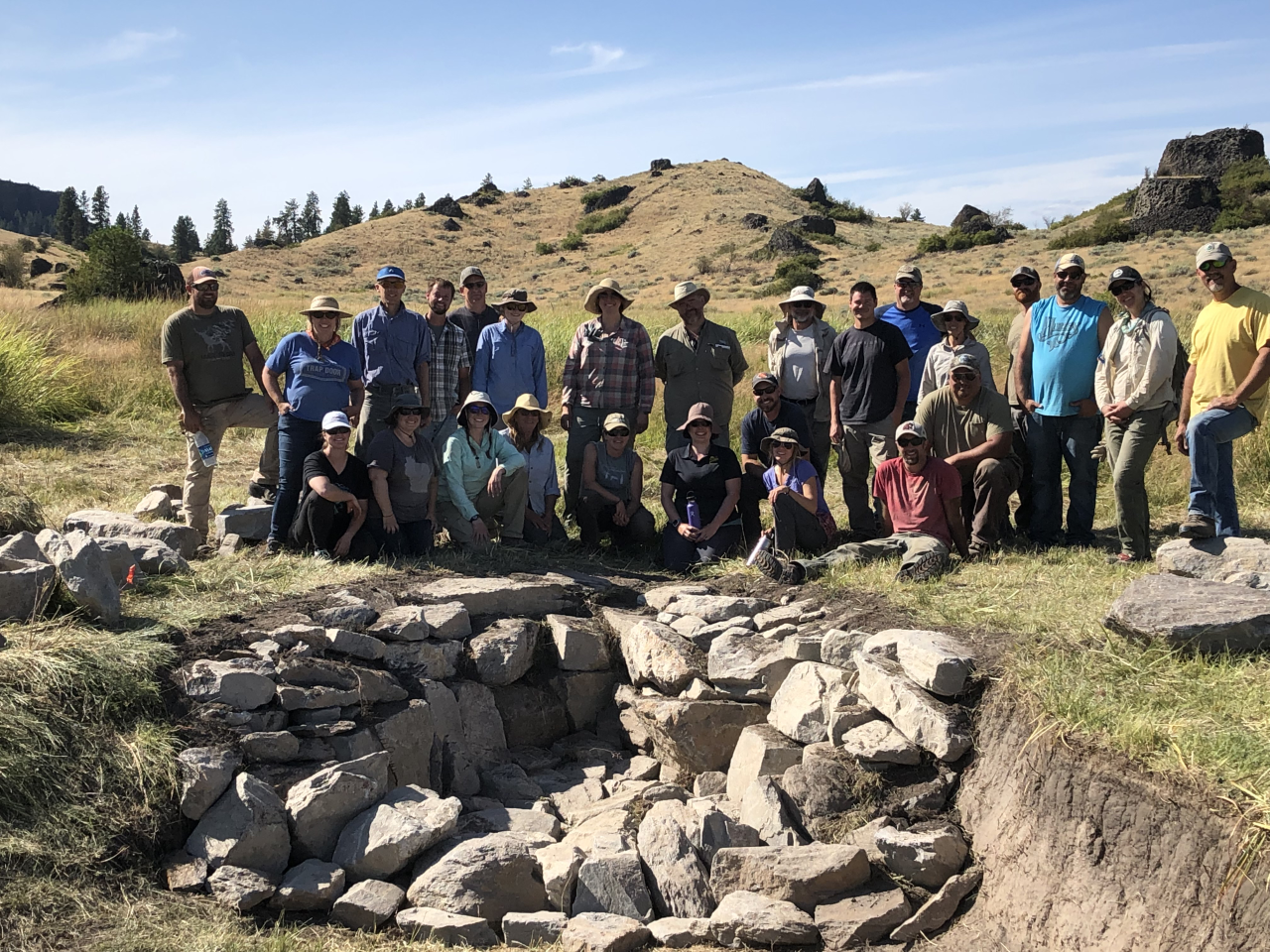
In 2019, SHP hosted hands on workshops at the Big Bend Wildlife Area and Foster Creek, where experts from NRCS and Anabranch Consulting trained more than 60 participants in building beaver dam analogs (BDAs) and Zeedyk structures. These installations are still functioning today, improving riparian shrub steppe habitat. SHP continues to host and attend tours that highlight the restoration successes led by Conservation Districts and partners in Foster Creek, Douglas County.
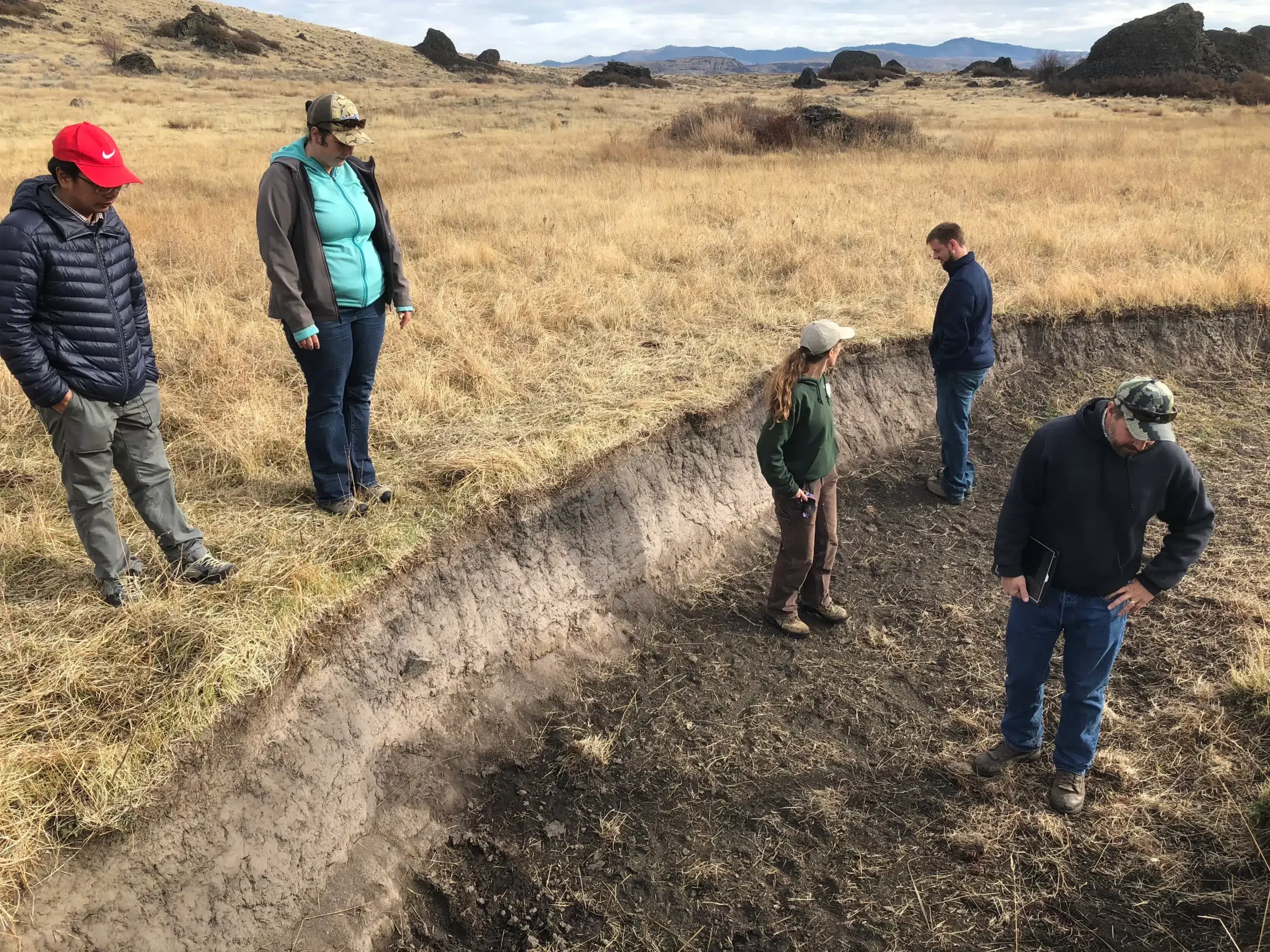
Supporting post fire restoration across eastern and central Washington
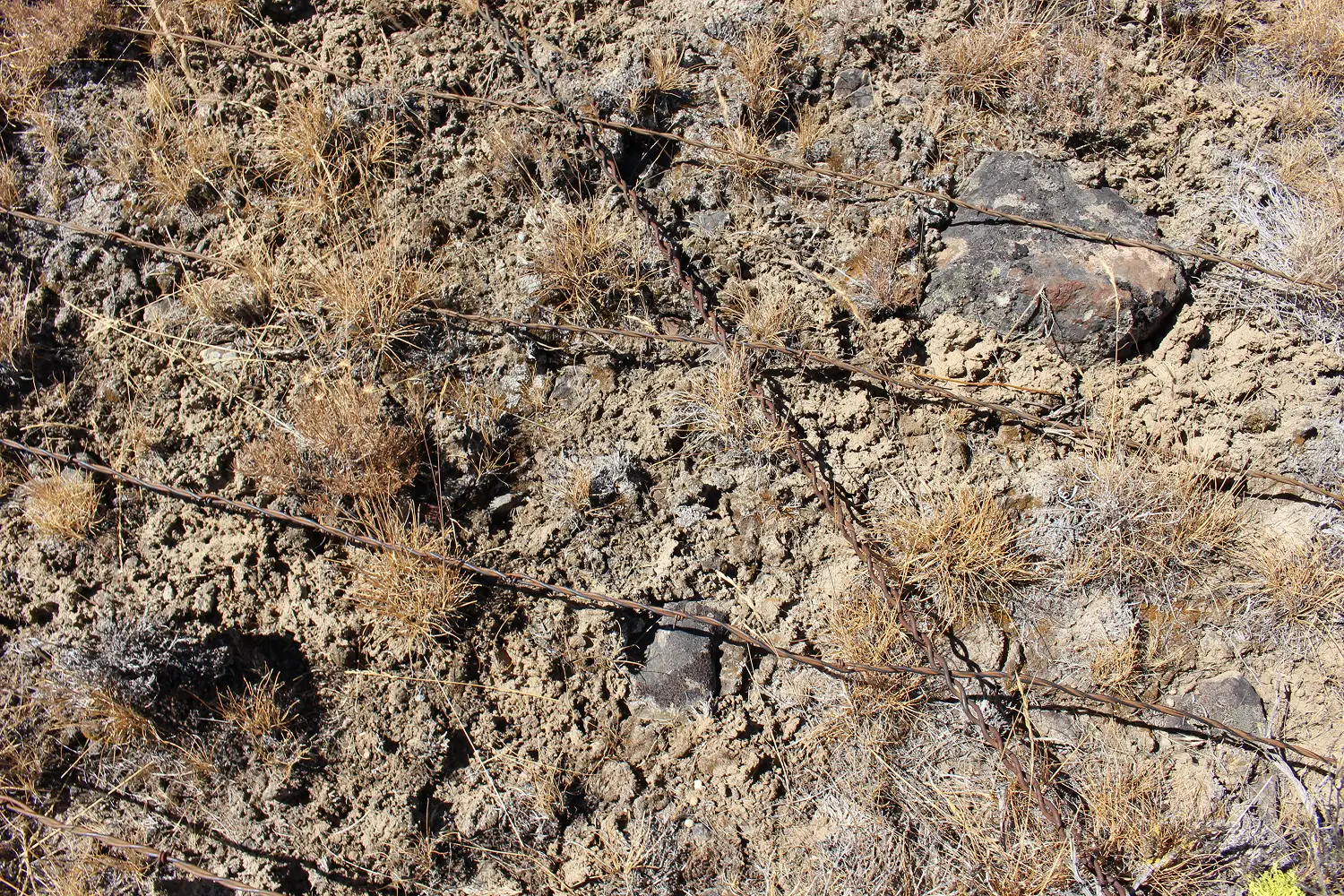
After the 2020 wildfires that burned nearly 400,000 acres of shrub steppe, SHP helped launch the Washington Shrub Steppe Restoration and Resiliency Initiative (WSRRI), a legislatively funded effort to support landowners and wildlife recovery. Staff assisted WDFW, DNR, and the Conservation Commission by serving on recovery panels, providing on the ground support, and helping identify lands and landowners in need of funding for wildlife friendly fencing, deferred grazing, and habitat restoration.
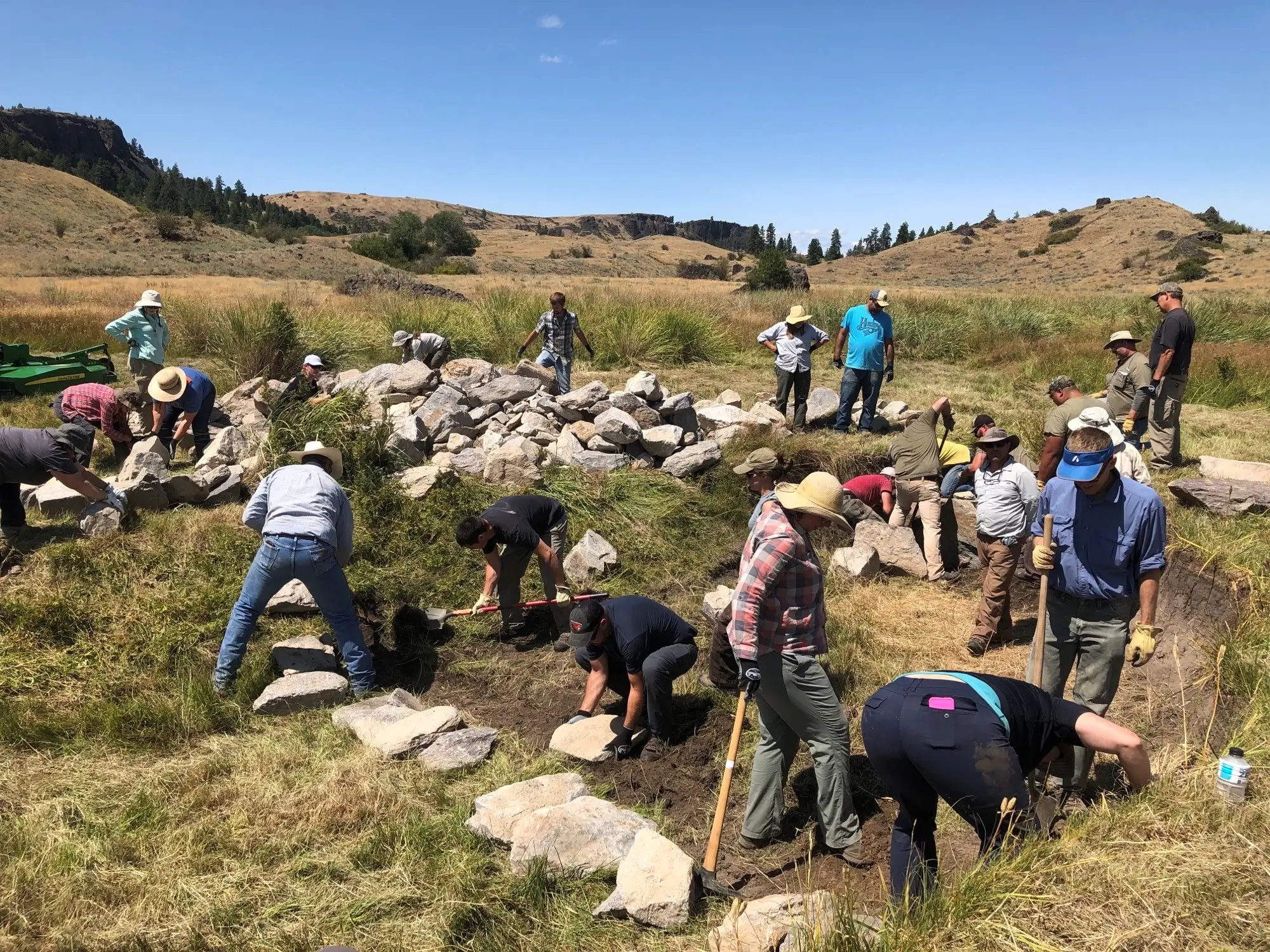
Strengthening long term restoration through WSRRI leadership
SHP continues to contribute staff time to local Conservation Districts during project selection and implementation, and supports WSRRI by evaluating restoration programs and advising on future direction. This ongoing involvement helps ensure that funding and restoration actions are directed toward priority connectivity habitats across all landownerships.
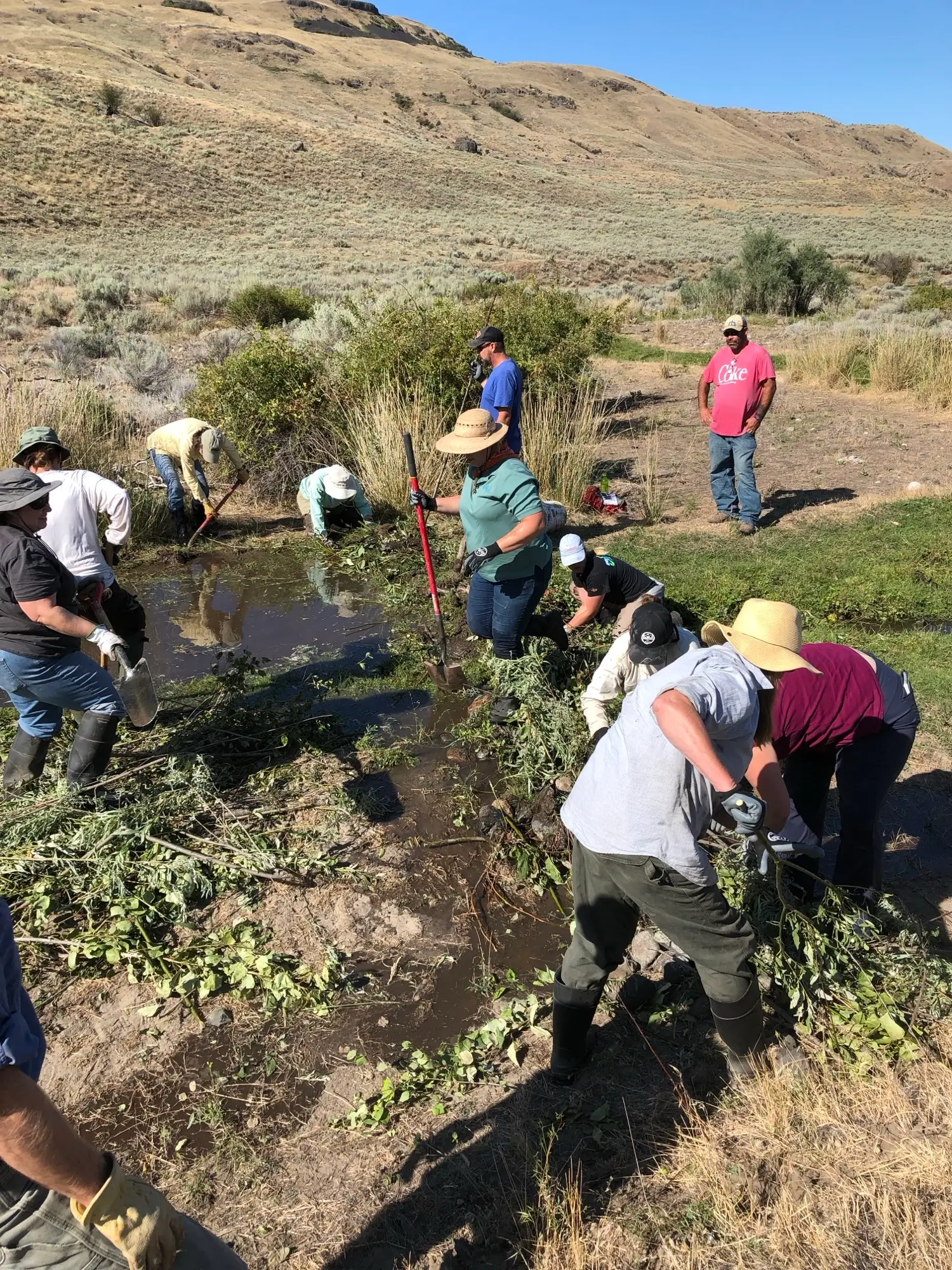
Connectivity Funding
Securing a Three-Year NFWF Grant for Landscape-Scale Restoration
In 2025, the program secured a three-year National Fish & Wildlife Foundation connectivity grant to support the Twisp Uplands Ecological Restoration Project, advancing upland and riparian plantings, beaver-based restoration, and improved grazing management to benefit mule deer, beavers, badgers, songbirds, and other shrub steppe species.
Priority Site Restoration
Advancing Habitat Recovery at Spiva Butte and Key Landscapes
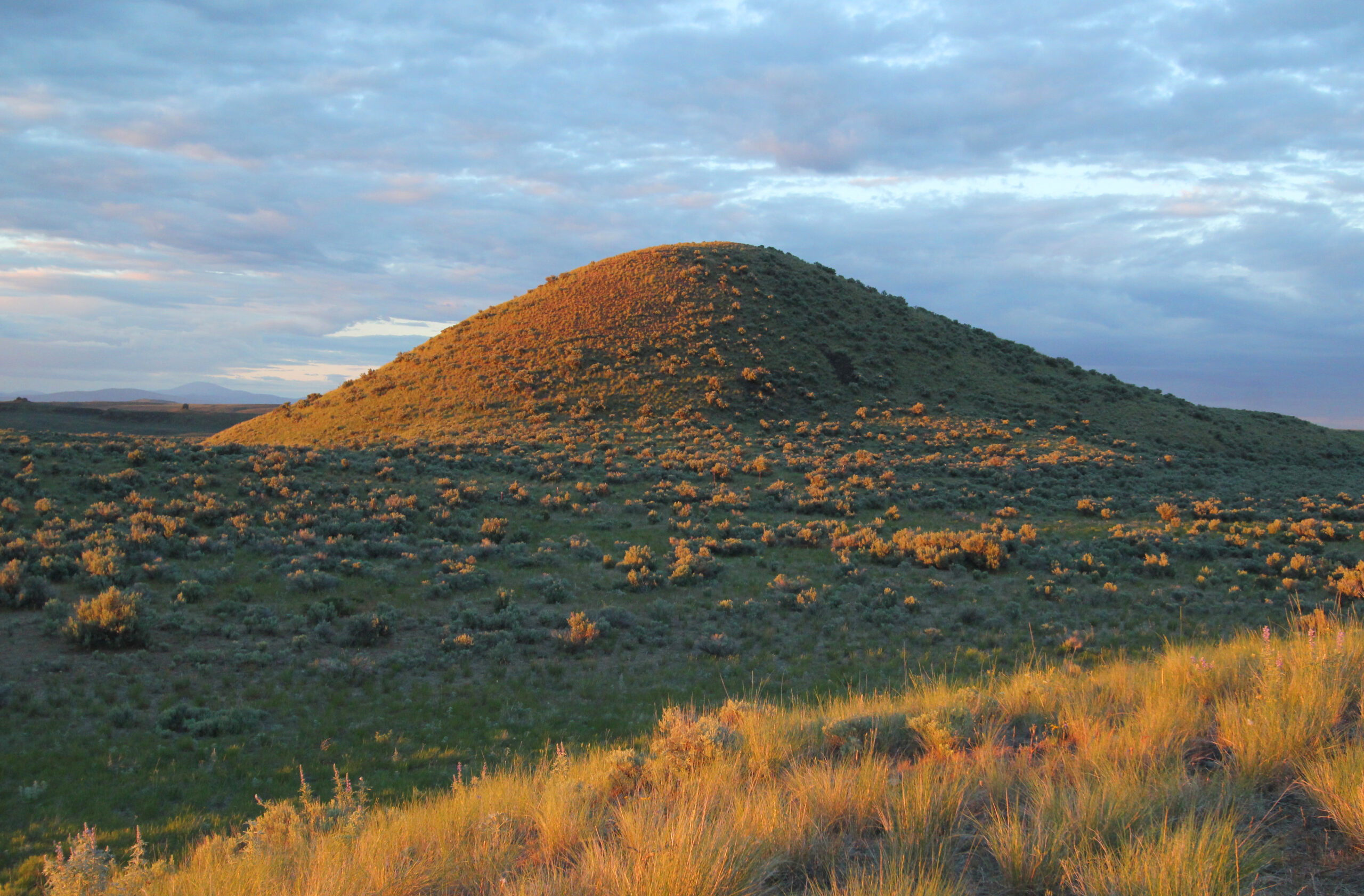
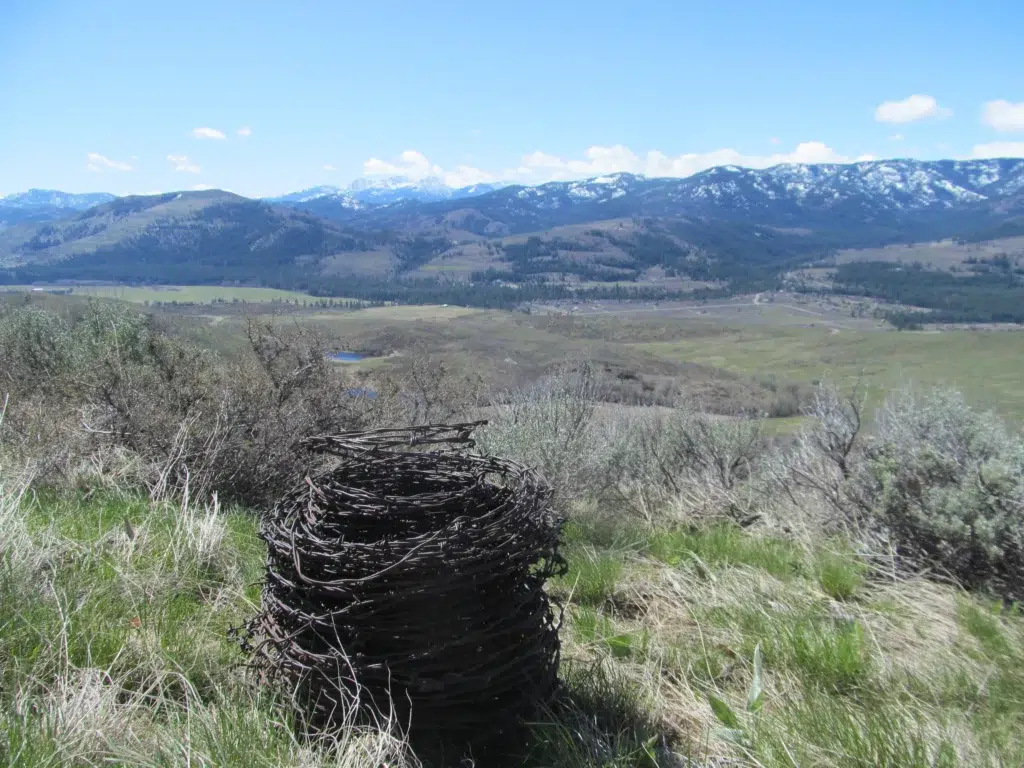
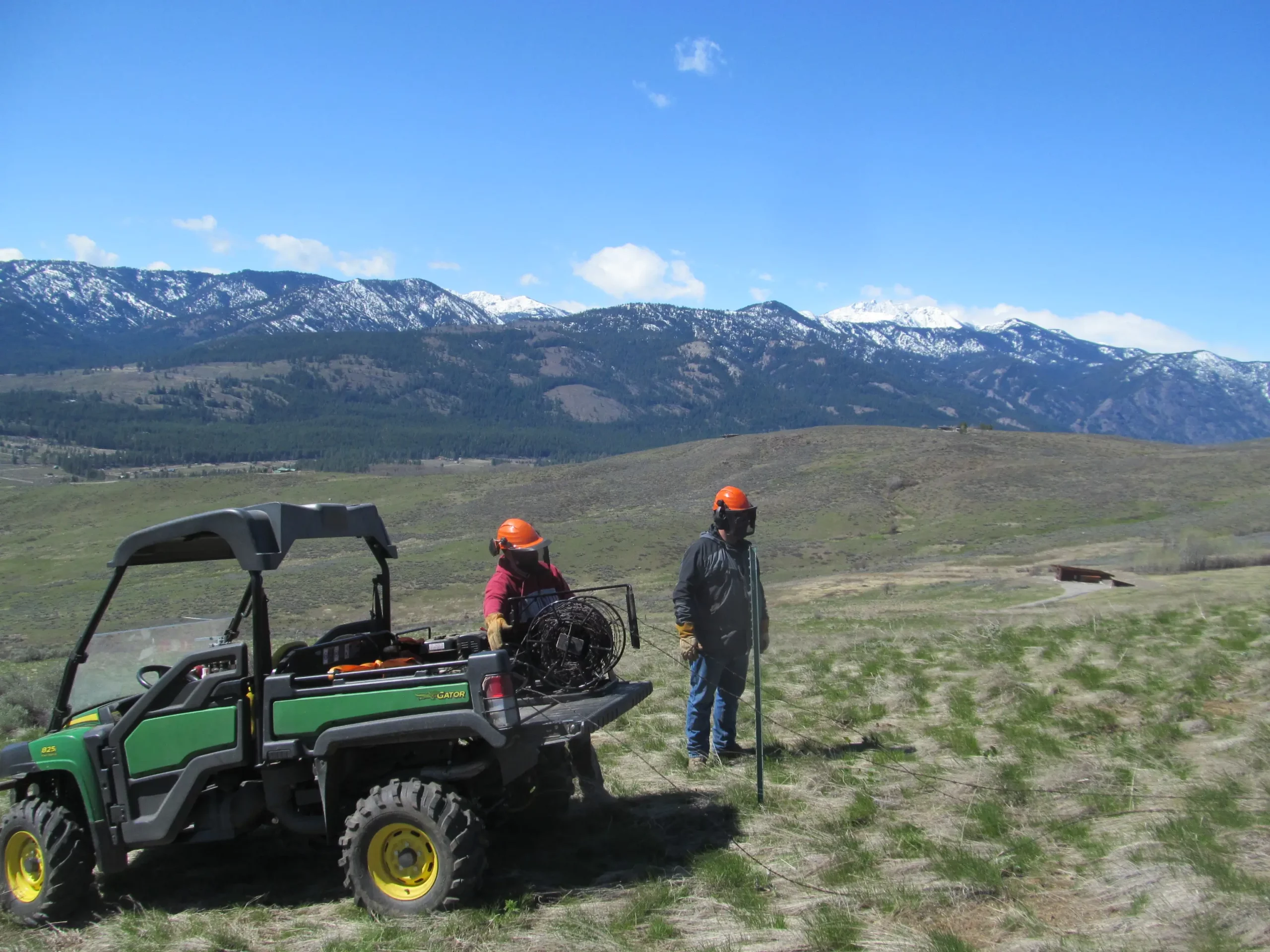
Since the early 2020s, the program has advanced habitat restoration at Spiva Butte and other priority sites, supporting reseeding, sagebrush recovery, fence removal, and collaborative work with partners such as the Chelan Douglas Land Trust.