
Fall is a time of transition, a sort of liminal space, a deep breath before winter’s plunge. It is a time of gathering and preparation, of topping off the larder’s stores to ensure enough sustenance for the colder months. Fall harvest is commonly associated with agrarian life and the rich bounty associated with summer’s end. Farmers take to the fields to pull in great yields of carrots and squash, golden corn, apples full and ripe. Others lean into the bounty of nature with foraging, wild cranberry harvest or hunting of wild game. Since time immemorial, indigenous peoples have lived with the land, practicing reciprocity and restraint in harvests, taking only what is needed and sharing amongst communities. There is a long and sometimes complex history of humans and harvest; however, we are not the only ones who utilize it.
Long before the marriage of plow and soil, animals were hunting, gathering and storing food in preparation for scarcity. In the months before true winter descends, beavers spend their time cutting branches and saplings, anchoring them beneath the water in pond beds or mud. Acorn Woodpeckers harvest and store acorns in communal granary trees to sustain family groups throughout the winter. Pikas collect grasses, sedges, leaves and wildflowers, allowing them to dry for a period before storing them away in sheltered rock crevices or under boulders.


Bears behave in similar fashions, though the means by which they store food looks a little different. In the fall months, many species (including black and grizzly) will enter a state of extreme hunger and excessive eating called “hyperphagia.” During this time, a bear might spend up to 22 hours a day looking for food and consume up to 20,000 calories. Because many bears go into a state of reduced activity (torpor) during the winter months, they must store up enough fat to sustain themselves for the time they are in their dens. Bears can lose up to 33% of their bodyweight by the time they emerge in the spring.

Bears depend on a variety of natural food sources to sustain them. Berries, sedges and grasses, nuts, fungi, insects, mammals, fish and even soil are important parts of a bear’s diet. Huckleberries are a large source of food for bears in the northwest and contribute to a significant portion of their weight gain. Unfortunately, huckleberry yields this year were extremely low due to higher seasonal temperatures, high intensity wildfire, and disease. Over 60 percent of the continental United States was in drought last May, making it one of the more extensive drought periods on record. The loss of such important food sources caused many bears to seek calories elsewhere, sometimes at the expense of conflict with humans.
Conflicts with people can come from attractants like unsecured trash, dirty barbecue grills, bird feeders, compost piles or pet and livestock feed stored outside. Bears who gain consistent access to human food sources can behave more aggressively and are sometimes lethally removed by wildlife agencies or landowners. Finding natural food sources takes a lot of time and energy, both of which are in finite supply for bears. It’s little wonder that easy access to high fat human foods would be so appealing.

Here are some ways individuals can help reduce human-bear conflict at home:
- Securing attractants like garbage and livestock feed
- Removing bird feeders and feeding pets indoors
- Keeping barbecue grills clean and free of grease
- Harvesting ripe fruits, nuts and garden produces
- Avoiding adding pungent items like meat, melon rinds or sweet-smelling food to compost.
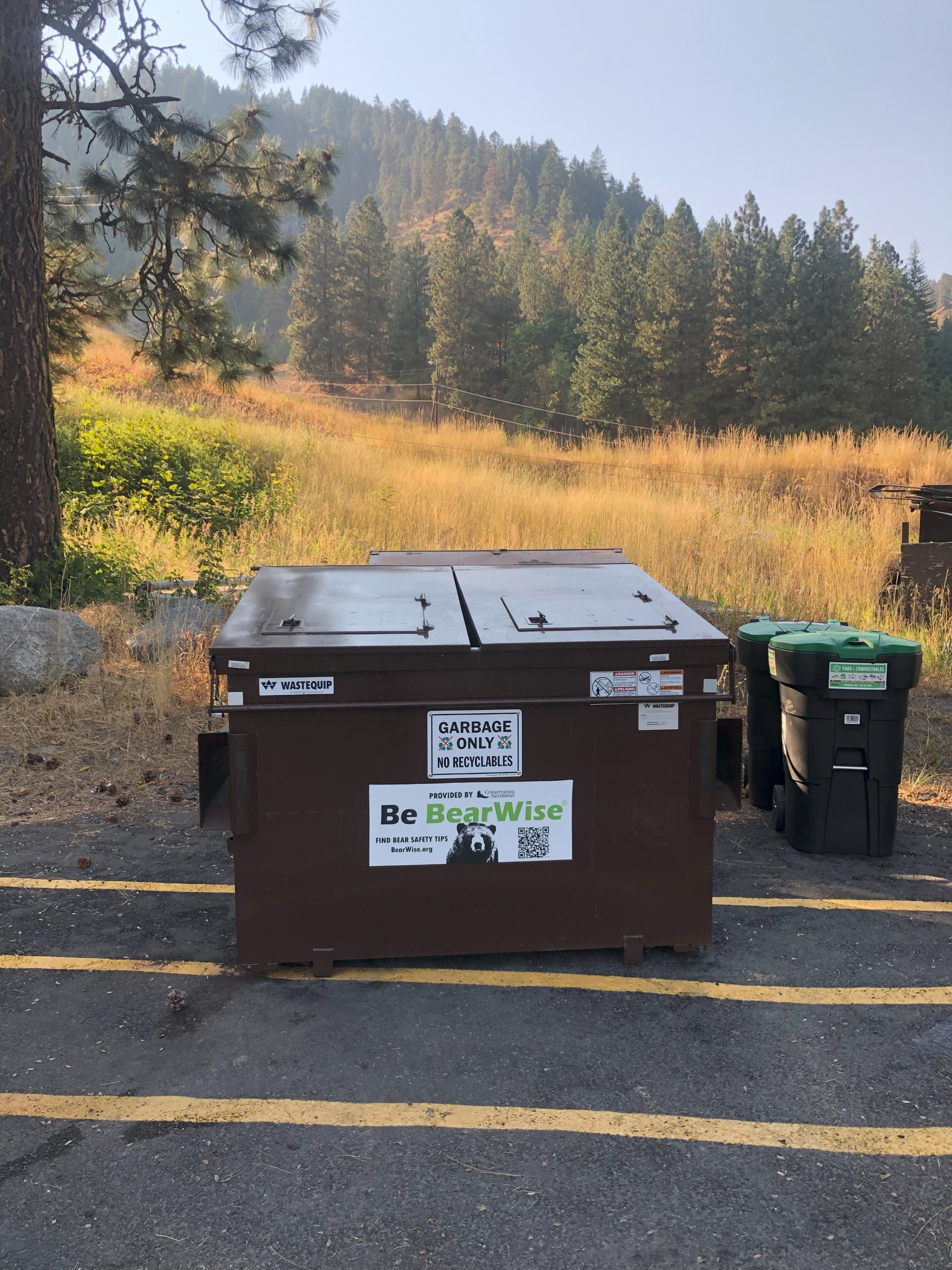
Businesses that produce a lot of food waste (such as restaurants or hotels) should have bear-resistant dumpsters and should always keep them properly locked.
Similarly, when camping in bear country, it is best practice to:
- Store food, trash and scented products (including toiletries) away from tents and in an approved bear-resistant locker or canister.
- Avoid burning food scraps or trash as odors can attract bears.
- Keep dogs on short, non-retractable leashes in camp and on trail to help minimize possible encounters.
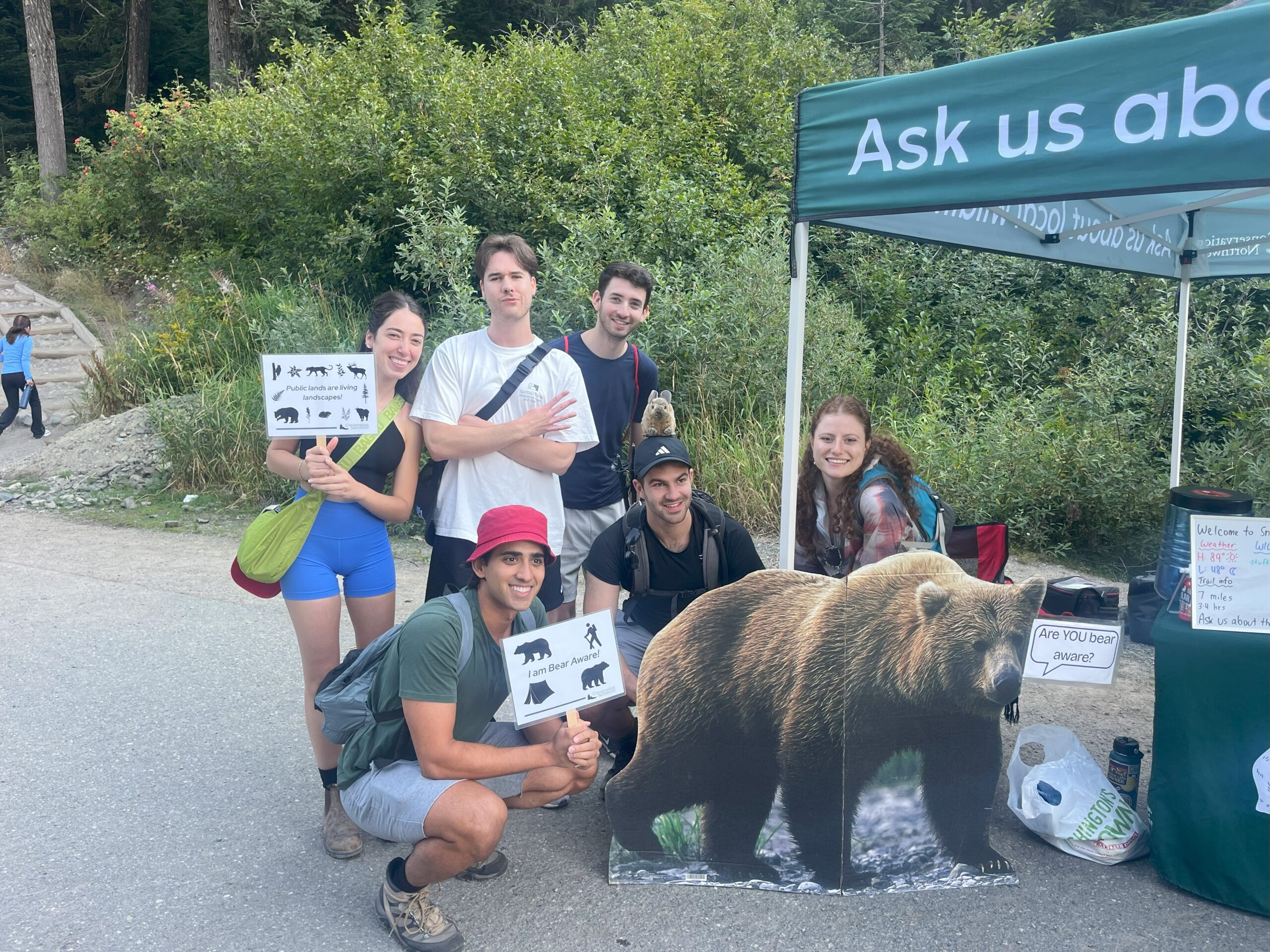
For additional tips on keeping bears away from homes, businesses and camps, you can visit bearwise.org.
As the seasons change and winter draws near, bears will continue doing what nature has equipped them to do: prepare for the months ahead. By understanding the challenges they face and adopting a few simple precautions, we can help ensure that bears have the space and resources they need to remain wild. After all, sharing the landscape means recognizing that fall’s harvest is not ours alone, and that a little consideration can go a long way toward keeping both people and wildlife safe.