Wildlife Ambassador Project

Engaging recreationists in high-use areas through trained volunteers and staff to promote responsible recreation, reduce human–wildlife conflict, and protect sensitive habitats across Washington’s public lands.

conservationnw image
Our Approach

Promoting coexistence and stewardship by engaging recreationists directly at high use sites and helping individuals adopt practices that reduce habitat disturbance and wildlife impacts.

As outdoor recreation grows across Washington, wildlife in popular areas face increasing pressure from noise, displacement, off trail travel, unsecured food, and close encounters. Through in person outreach led by seasonal staff and trained volunteers, the Wildlife Ambassador Project shares practical guidance on respecting wildlife, minimizing impact, and recreating responsibly in sensitive habitats.

This work reduces stress on flora and fauna, supports sustainable recreation access, and strengthens public understanding of how everyday choices affect wildlife. By fostering a recreation ethic rooted in respect, we seek to ensure that our public lands are enjoyed responsibly.

Current Focus

Work We’re Doing to Achieve Wildlife Ambassador Project Goals

Capa 1 1

On-Site Engagement

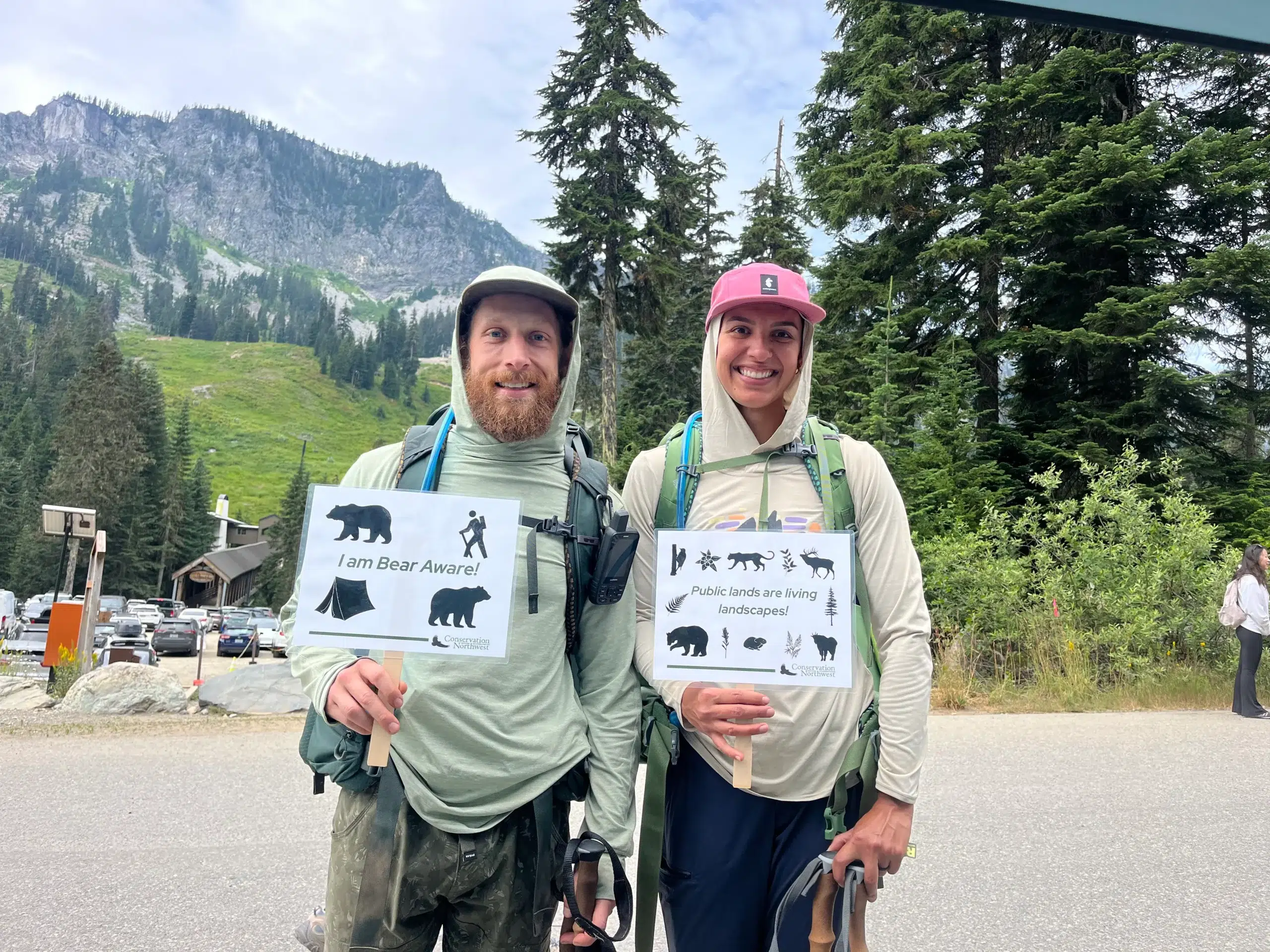
The Wildlife Ambassador Program focuses on reducing human–wildlife conflict by training volunteers to engage directly with recreationists in places where disturbance to wildlife is most likely.

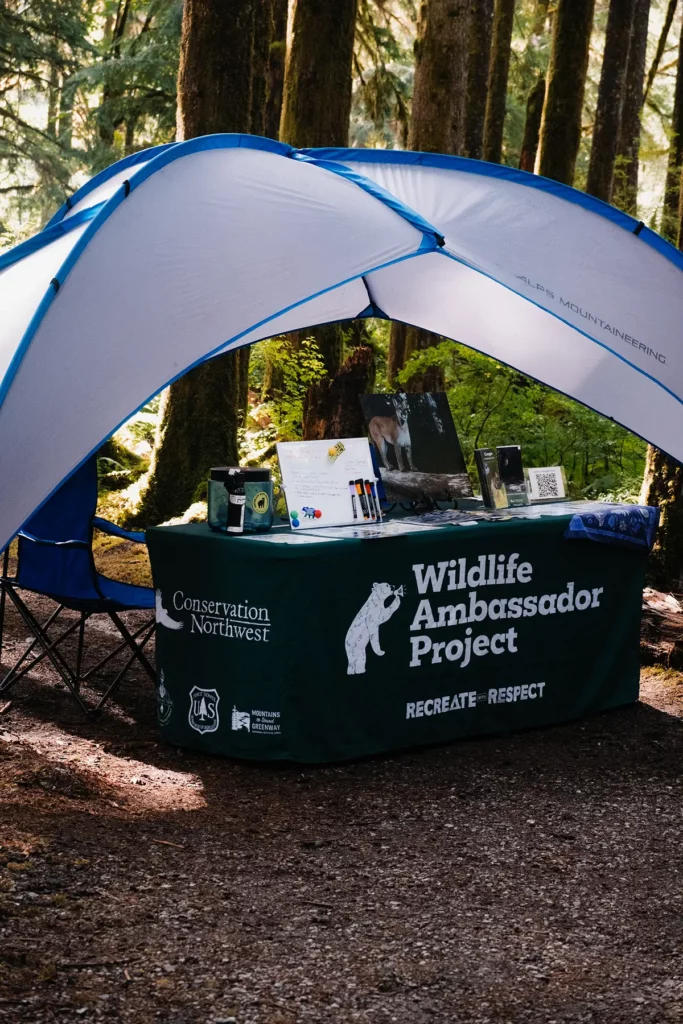
Volunteers spend time at trailheads, campgrounds, and high use recreation areas sharing practical guidance on wildlife safety, responsible recreation, and how human presence affects sensitive species. They help visitors understand behaviors that can unintentionally stress wildlife and offer clear, friendly alternatives that keep both people and wildlife safe.

This field presence also creates a feedback loop: ambassadors report emerging issues, visitor patterns, and habitat pressures that help staff and land managers adapt outreach and management strategies throughout the season.

icon 8

Community Stewardship

The program also builds community capacity by partnering with Tribes, land managers, and local organizations to deliver consistent, science based messaging across the landscape.

Volunteers receive training in wildlife behavior, communication skills, and conflict prevention techniques so they can confidently support visitors in real time. Their presence helps normalize coexistence practices, reduce negative encounters, and strengthen public understanding of how recreation intersects with wildlife needs.

By combining education, on the ground engagement, and community partnership, the Wildlife Ambassador Program helps create safer conditions for wildlife while fostering a more informed and responsible recreation culture across Washington.

Impact & Results

A History of Wildlife Ambassador Project
The Wildlife Ambassador Project was developed in response to growing recreation pressure on Washington’s public lands and the need for proactive, on-the-ground education to reduce wildlife disturbance and human–wildlife conflict.
Recreation–wildlife impact research (2022)
Rapid expansion of ambassador outreach (since 2023)
Reducing human–wildlife conflict through education and infrastructure
conservationnw image

Recreation–wildlife impact research (2022)

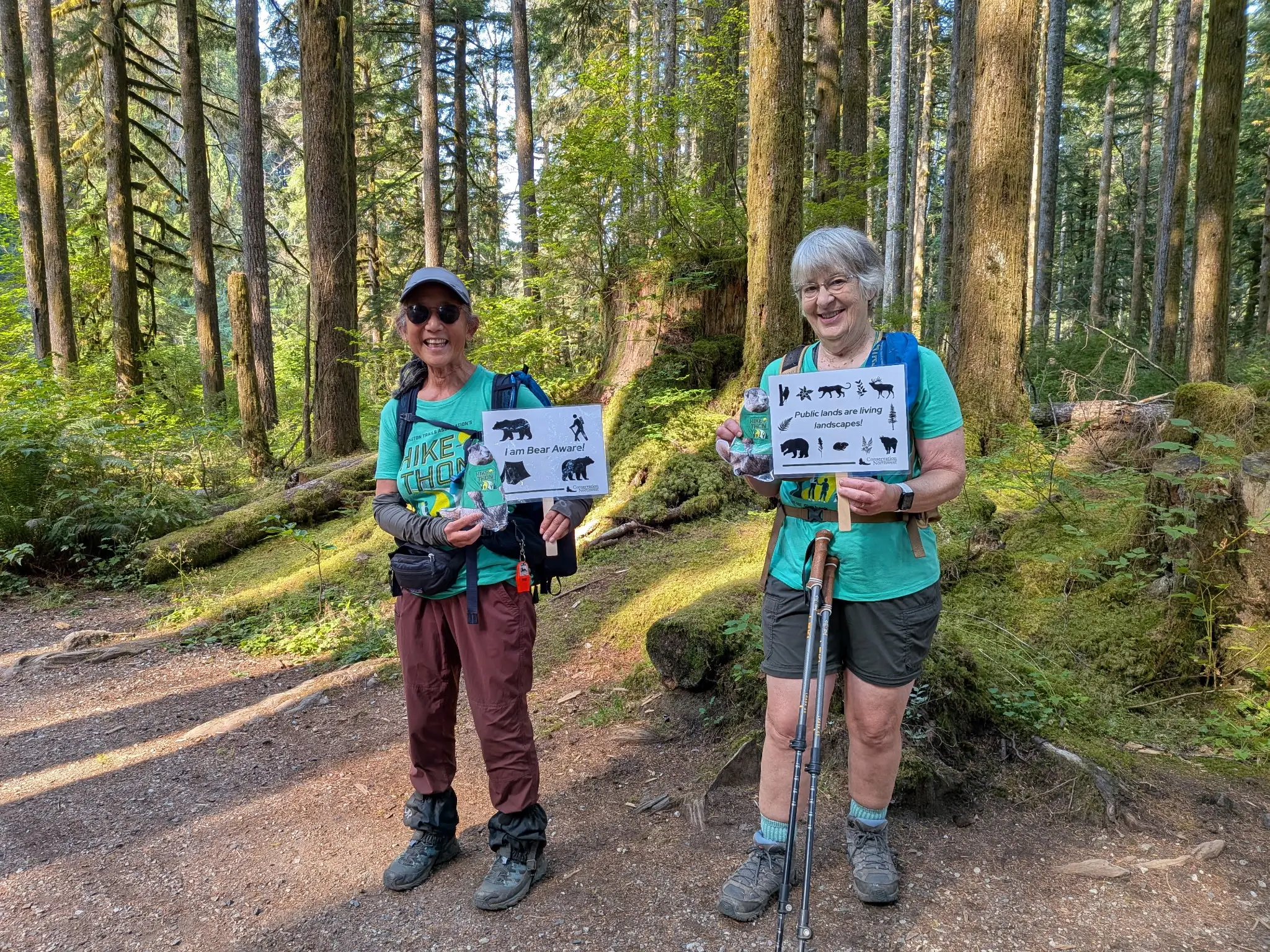
In 2022, Conservation Northwest and Home Range Wildlife Research published a study examining how recreation affects a wide range of species—including ungulates, large carnivores, and sensitive birds. While responses varied by species, the overall pattern showed consistently negative impacts from both motorized and non motorized recreation, including behavioral changes and spatial and temporal displacement.
conservationnw image

Rapid expansion of ambassador outreach (since 2023)

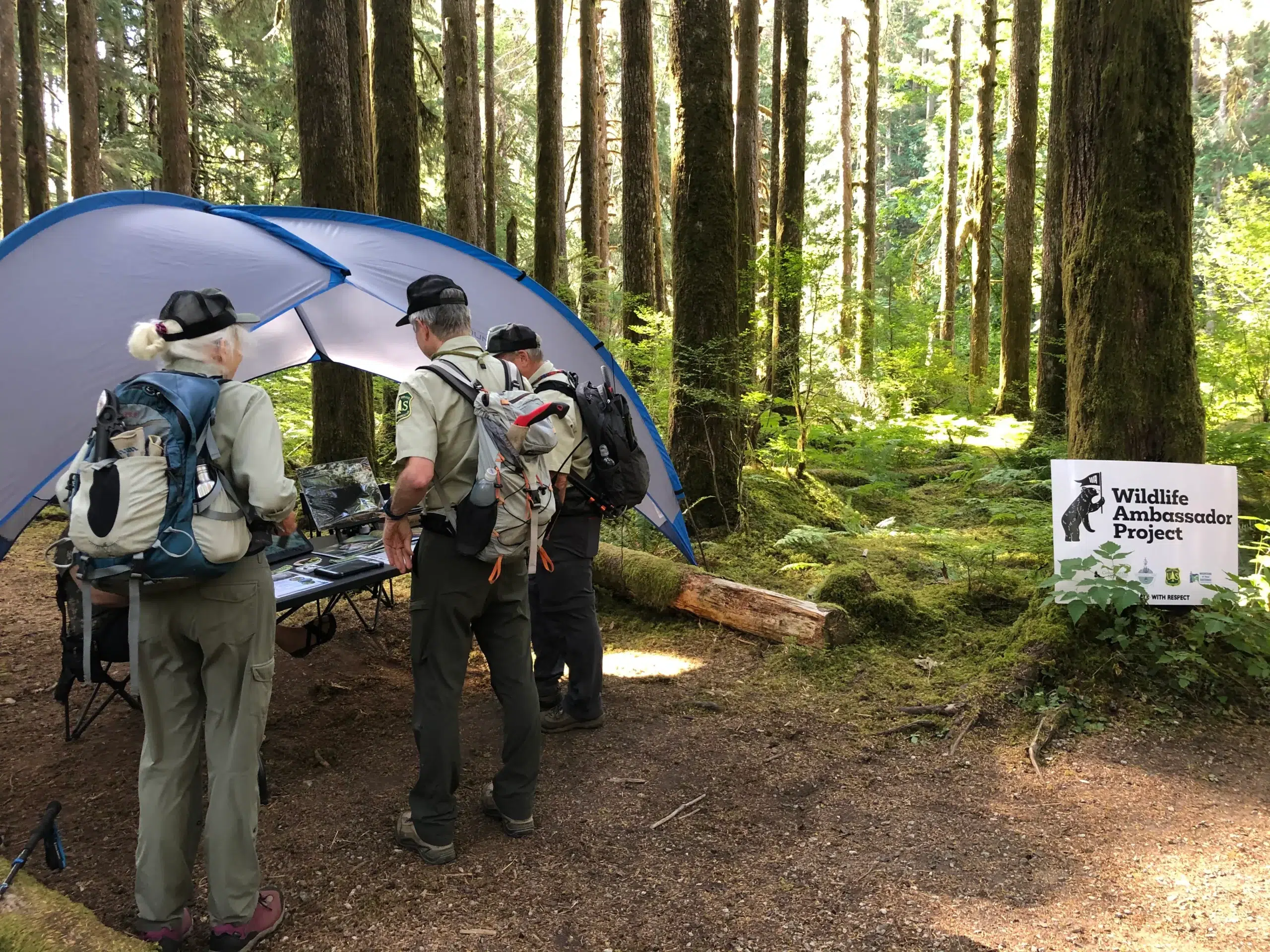
Since launching in 2023, the Wildlife Ambassador Project has facilitated more than 30,000 in person engagements with outdoor recreationists and expanded from a single Middle Fork Snoqualmie site to three outreach locations.
Forest Service Volunteers scaled

Reducing human–wildlife conflict through education and infrastructure

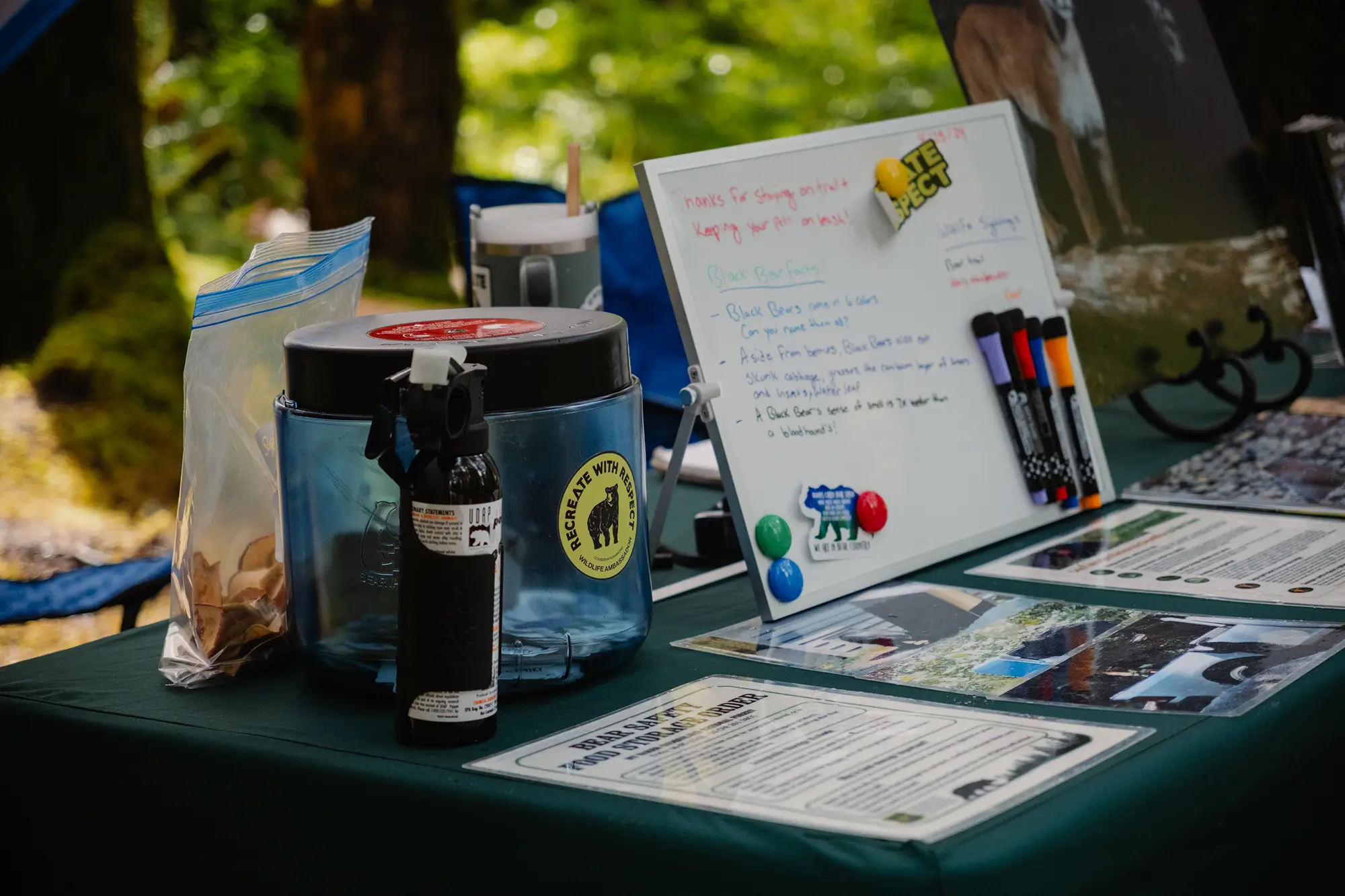
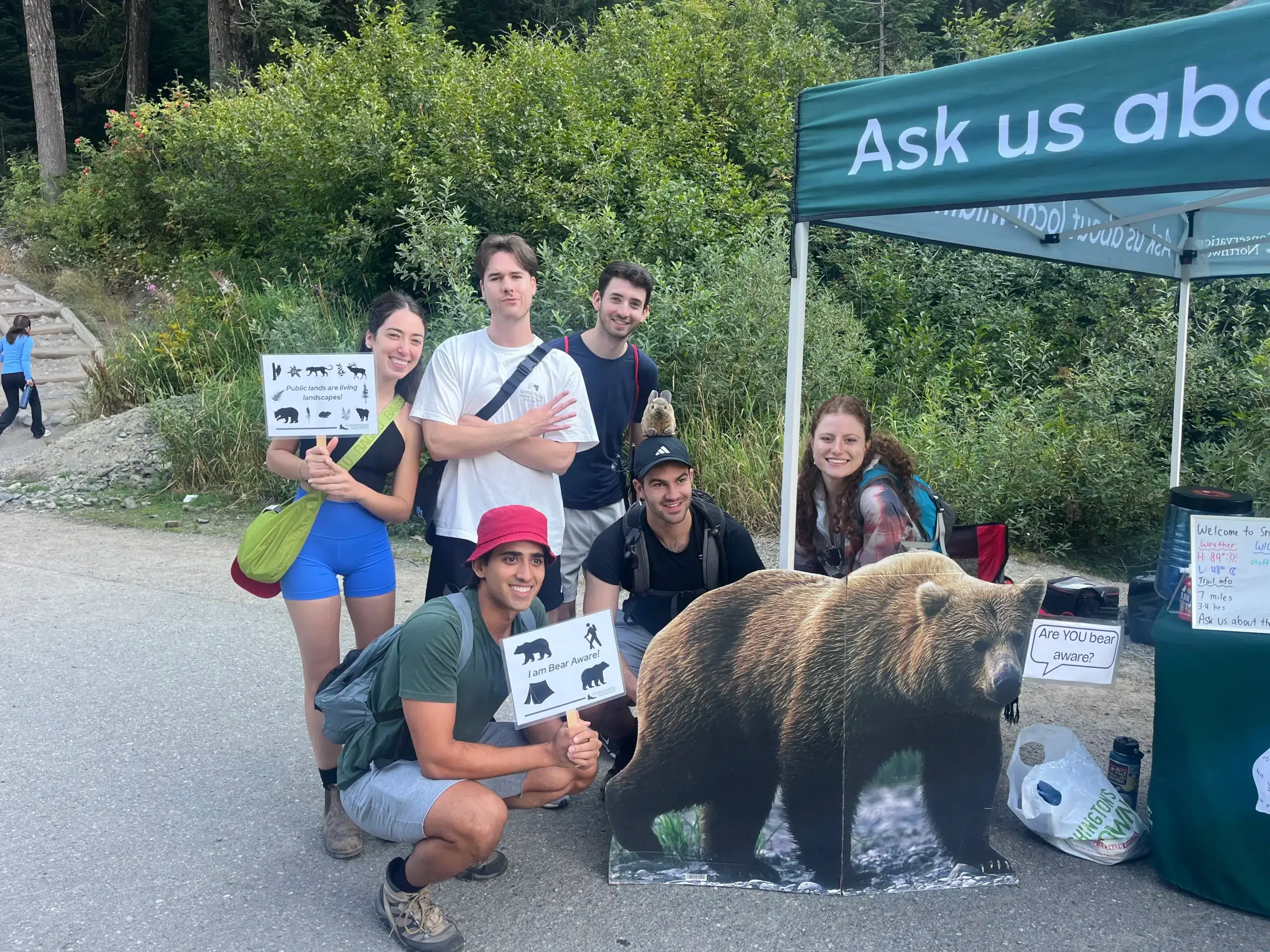
Three consecutive seasons at the Middle Fork Snoqualmie Campground have passed without human–wildlife conflict, supported by on site education and new bear proof infrastructure. Conservation Northwest also purchased two bear resistant dumpsters and food storage signage to help the campground reach full wildlife proofing.
Impact & Results

Our Key Accomplishments for the Wildlife Ambassador Project

From protecting critical landscapes to advancing collaborative forest restoration, these efforts deliver lasting benefits for wildlife, habitat connectivity, and climate resilience.

Public Lands Social Media Campaign scaled
Snow Lake 7 26 scaled
Bandanas scaled

There are no posts to show at this time. Please check back soon.