


Impact & Results
A History of Western Gray Squirrel Work
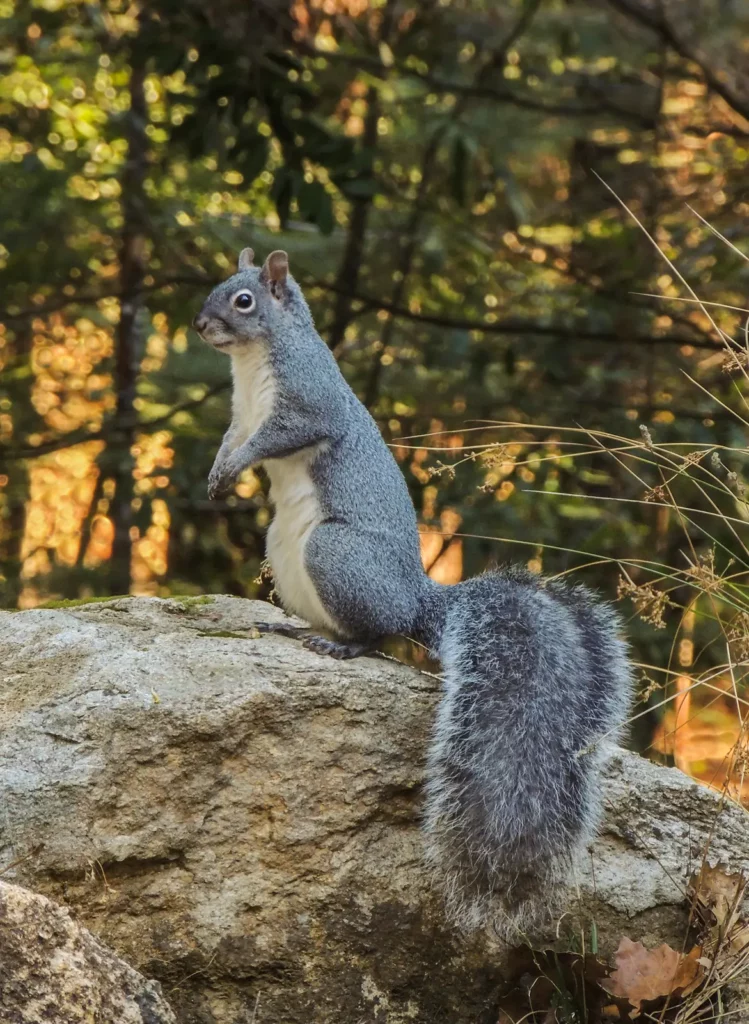
Western gray squirrel conservation in Washington has evolved through a series of coordinated policy actions, scientific studies, and collaborative working groups aimed at understanding population trends and improving habitat protection.
Establishment of Voluntary Conservation Measures for Habitat Protection in 2013
Formation of a Multi-Stakeholder Workgroup to Evaluate Conservation Progress in 2024
Implementation of Updated Occupancy Studies to Track Population Trends in 2024–2025
Establishment of Voluntary Conservation Measures for Habitat Protection in 2013
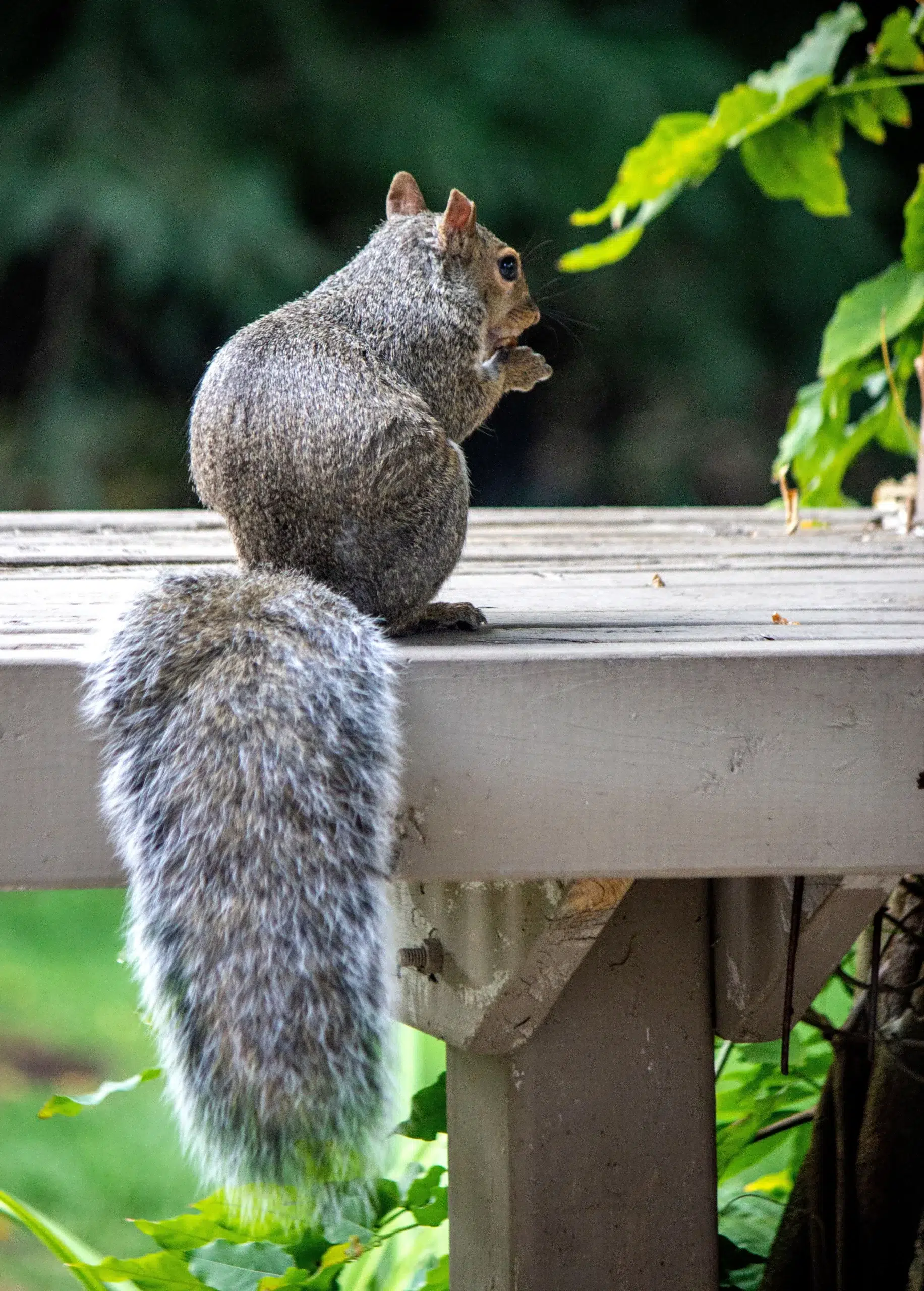
In 2013, WDFW and DNR adopted enhanced voluntary conservation measures for western gray squirrels, expanding protections for habitat features essential to the species’ persistence in Washington.
Formation of a Multi-Stakeholder Workgroup to Evaluate Conservation Progress in 2024
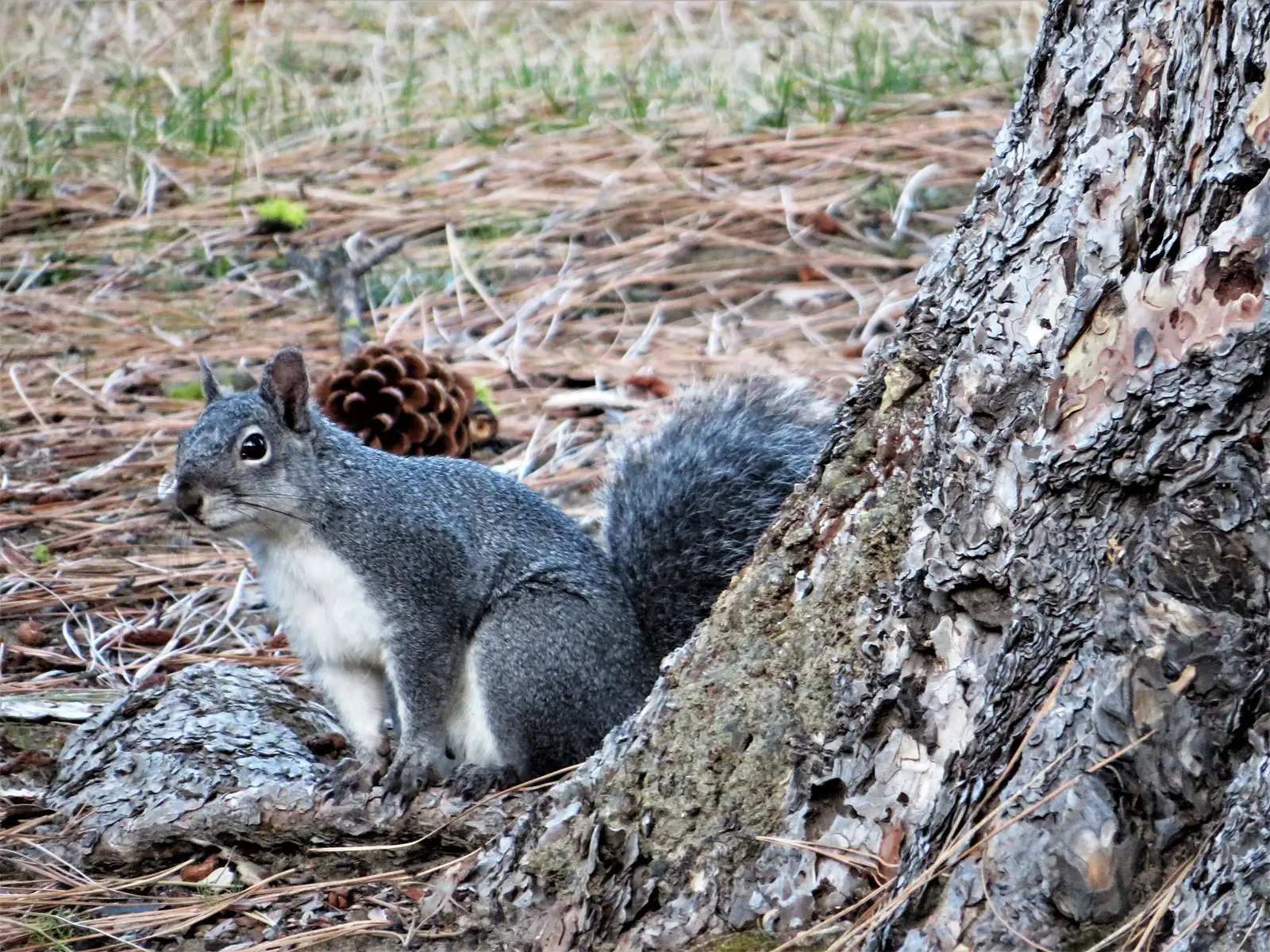
By 2024, the two agencies convened a new western gray squirrel workgroup, bringing together diverse stakeholders to evaluate how well those voluntary measures have performed over the past decade.
Implementation of Updated Occupancy Studies to Track Population Trends in 2024–2025
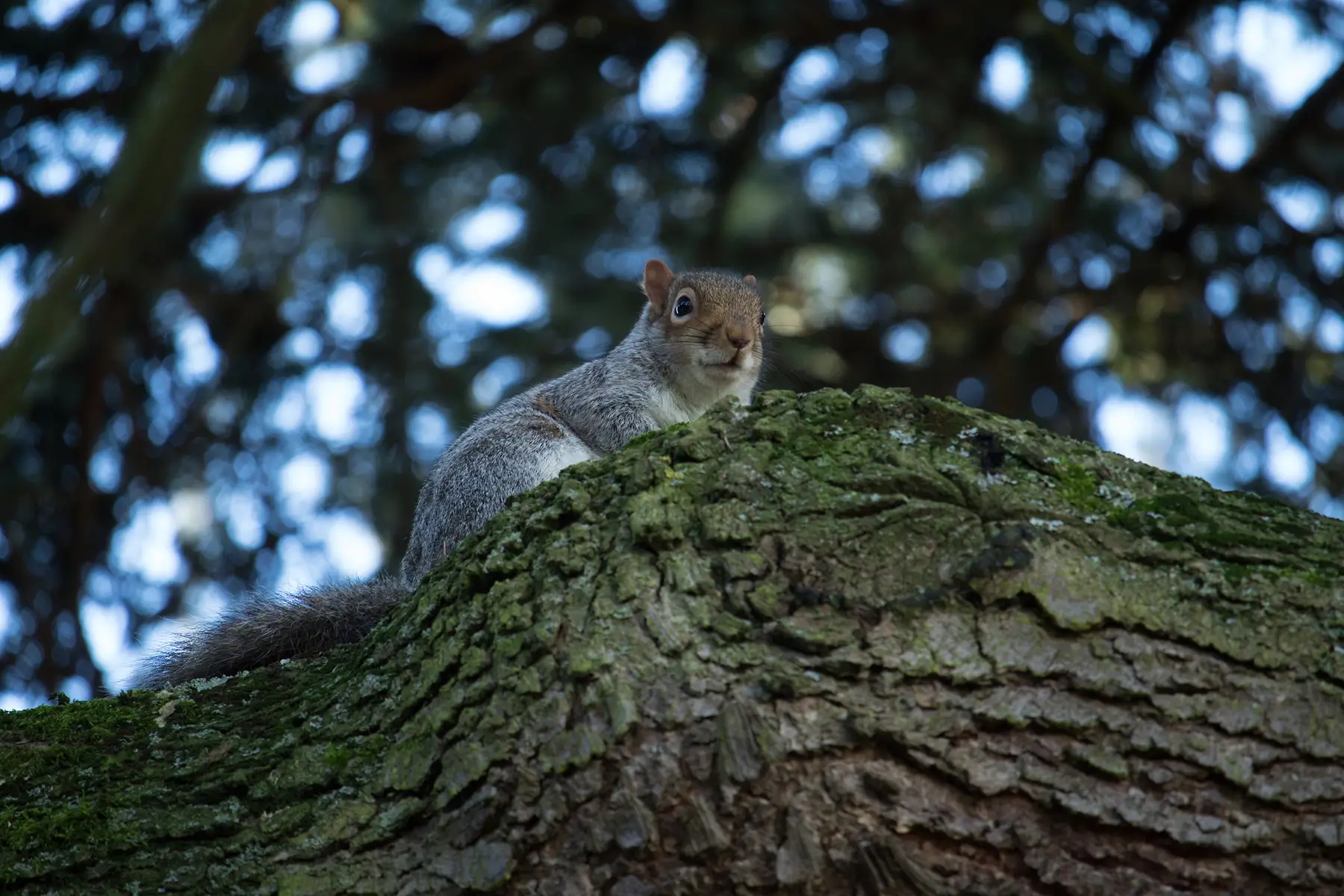
During 2024–2025, WDFW launched updated occupancy studies, generating new presence/absence data to compare against earlier surveys and assess population trends.
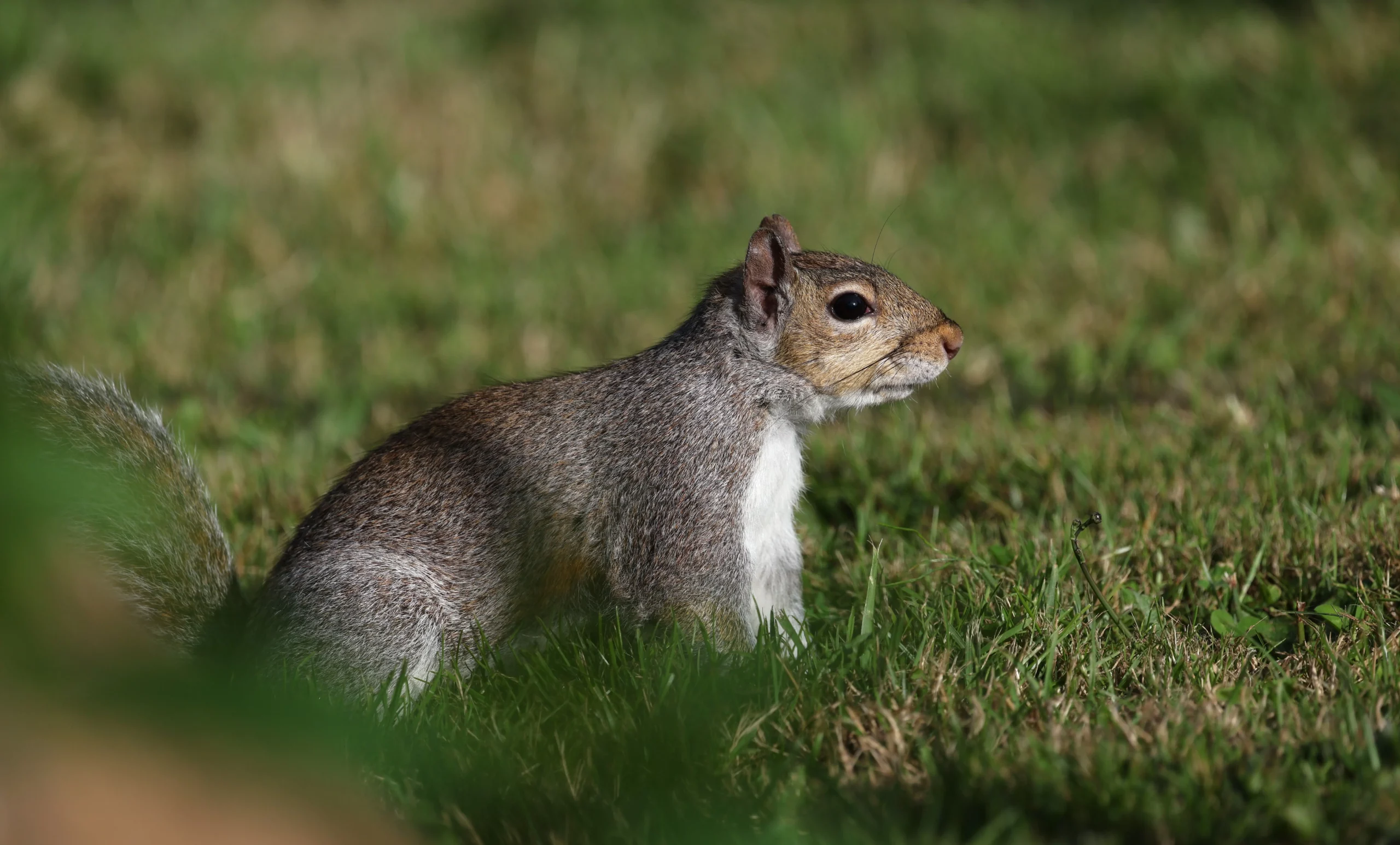
State Endangered Listing
Driving the 2023 uplisting to state endangered
Conservation Northwest publicly pushed for reclassification to reflect ongoing declines, helping elevate urgency and unlock stronger conservation tools at a time when only three isolated populations remain in Washington.
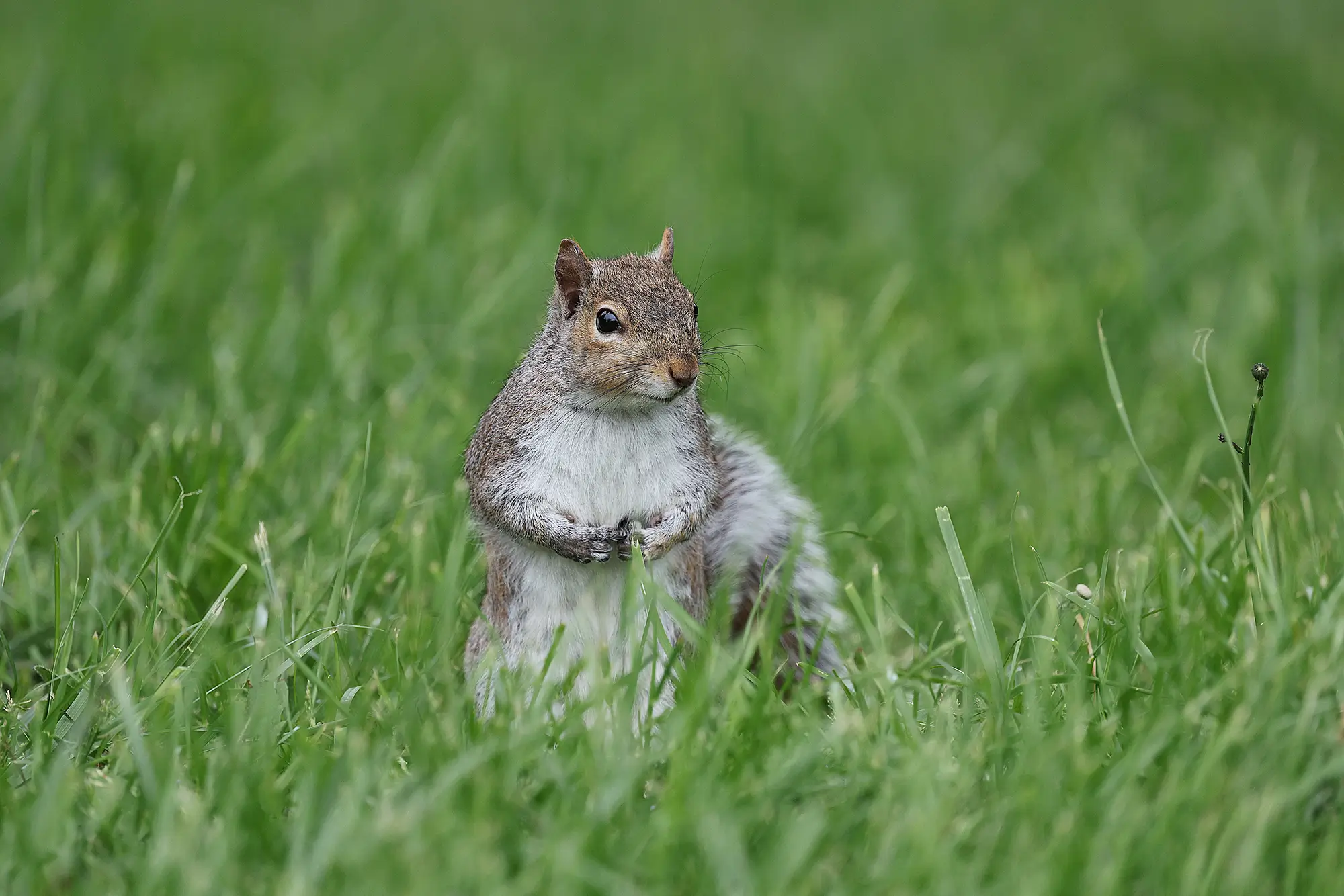
Ecological Indicator Role
Positioning the species as a forest health and climate indicator
Staff consistently framed western gray squirrels as essential to oak and mixed conifer ecosystems, highlighting their role in spreading beneficial fungi and supporting dry forest resilience—strengthening the case for broader habitat restoration.
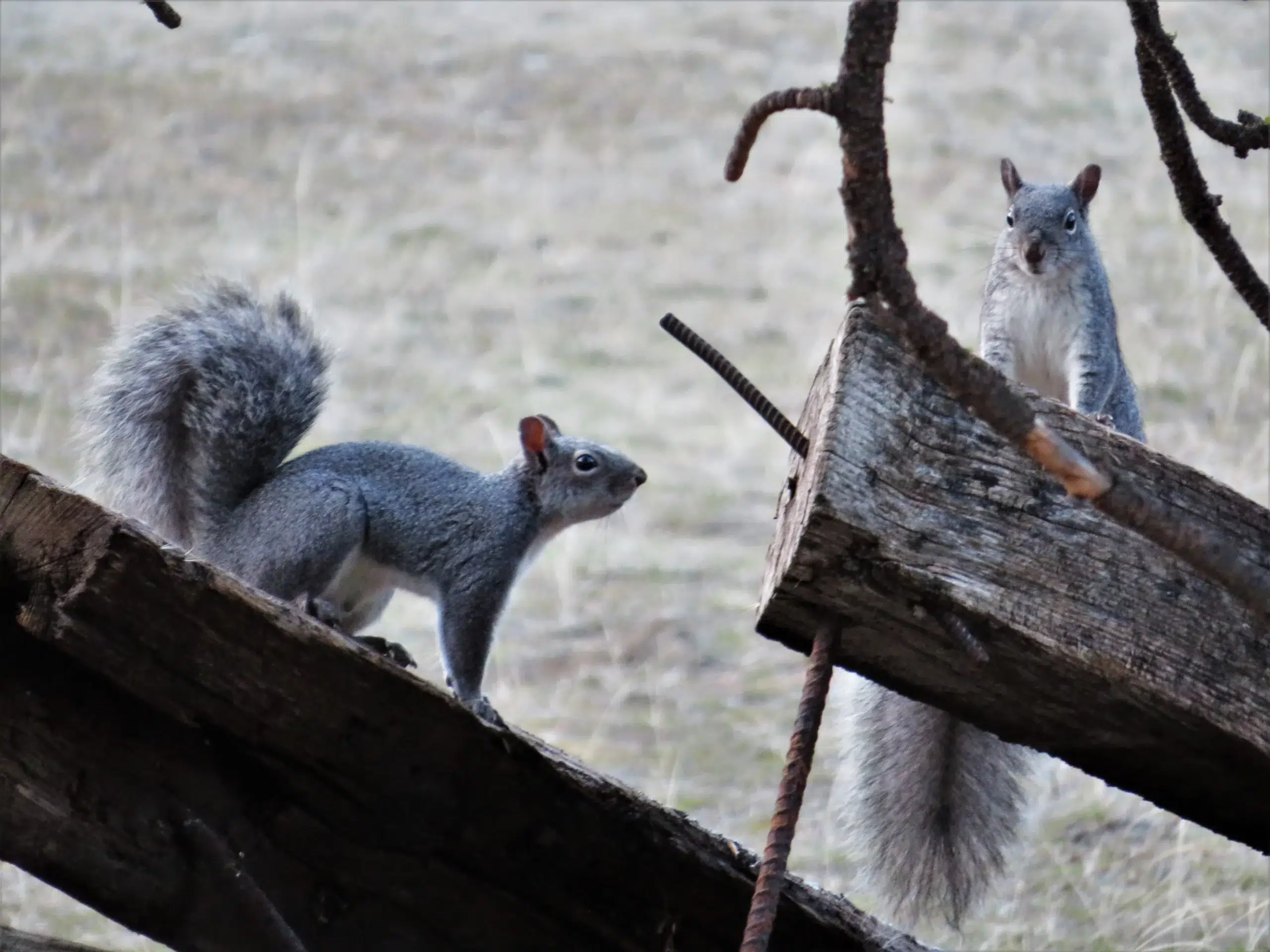
Forest Planning Integration
Embedding squirrel habitat needs into forest and oak woodland advocacy
Through Forest Field Program work, Conservation Northwest advanced management that retains mature canopy connectivity and oak components, integrating squirrel recovery into landscape scale forest planning rather than treating it as a niche issue.


