
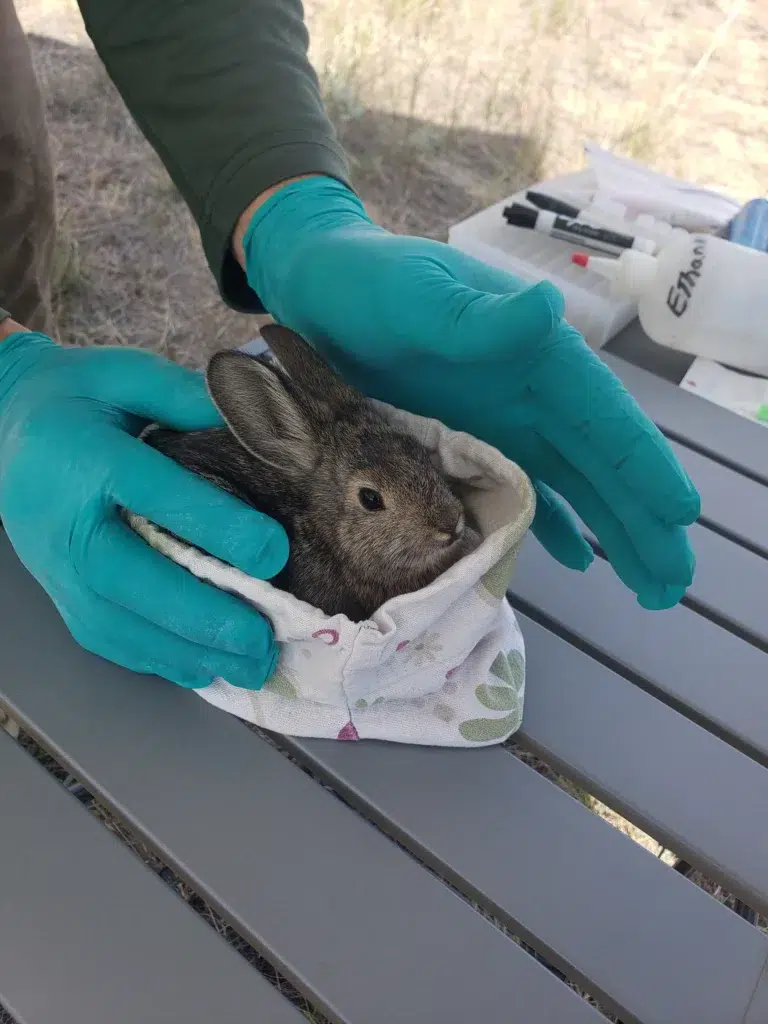


Impact & Results
A History of Pygmy Rabbits
Pygmy rabbit recovery in Washington has evolved through coordinated efforts to restore habitat, improve monitoring capacity, and support reintroduction work across the Columbia Basin.
Enhancing and expanding recovery areas
Conducting comprehensive surveys and field operations
Providing essential equipment and advancing monitoring tools
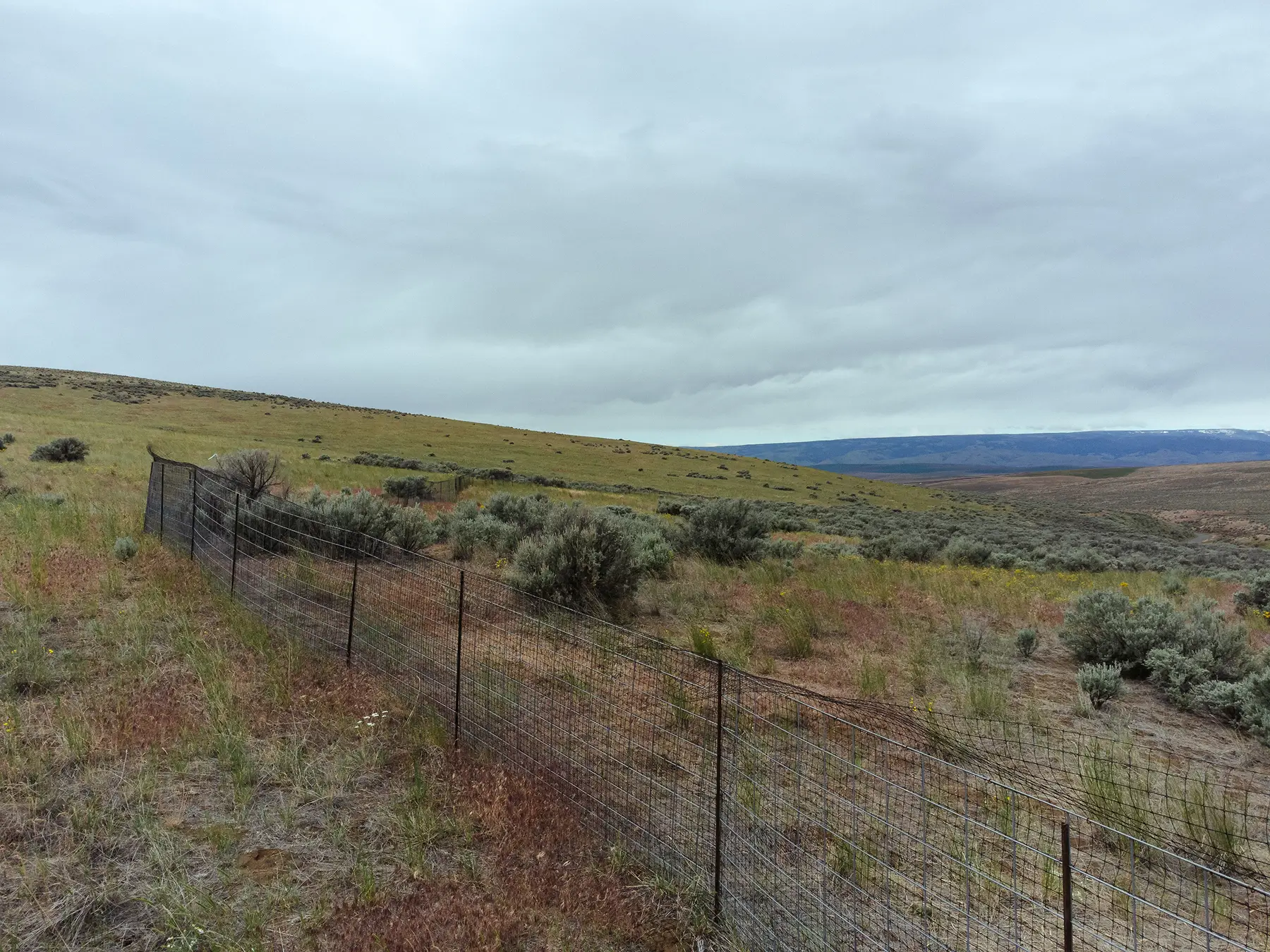
Enhancing and expanding recovery areas
Staff help identify, prepare, and improve suitable recovery sites by providing technical feedback, funding, and direct field support that strengthens habitat conditions for successful reintroduction.
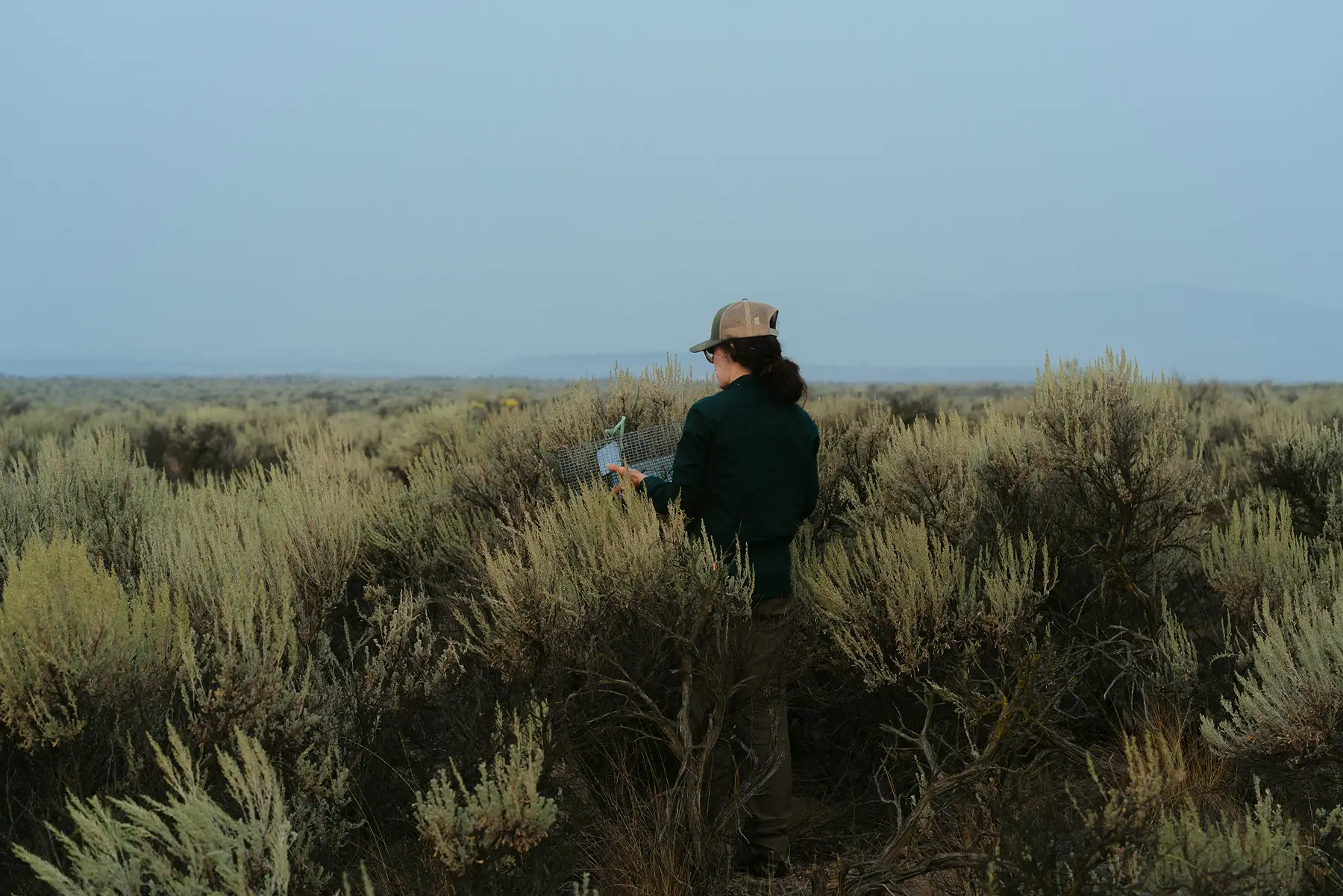
Conducting comprehensive surveys and field operations
SHP staff assist with monitoring and trapping, coordinate year round surveys, and work with CNW volunteers to construct enclosures that support safe holding and successful releases back into the wild.
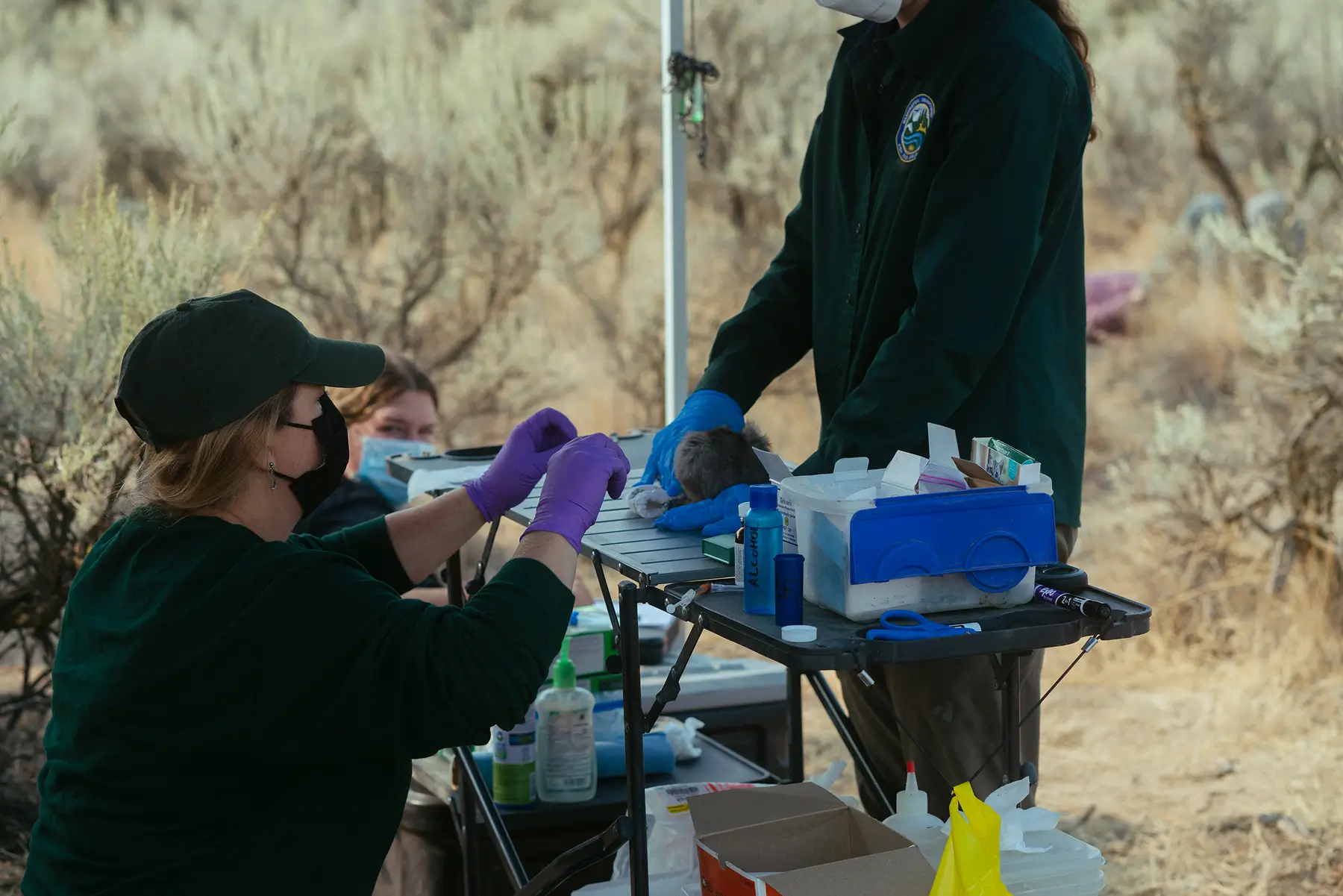
Providing essential equipment and advancing monitoring tools
The program supplies wildlife cameras, radios, GPS units, and other critical field gear for pygmy rabbit monitoring, while also supporting the development and deployment of advanced tools such as PIT tag readers expected to be operational by March 2026.
Population Recovery
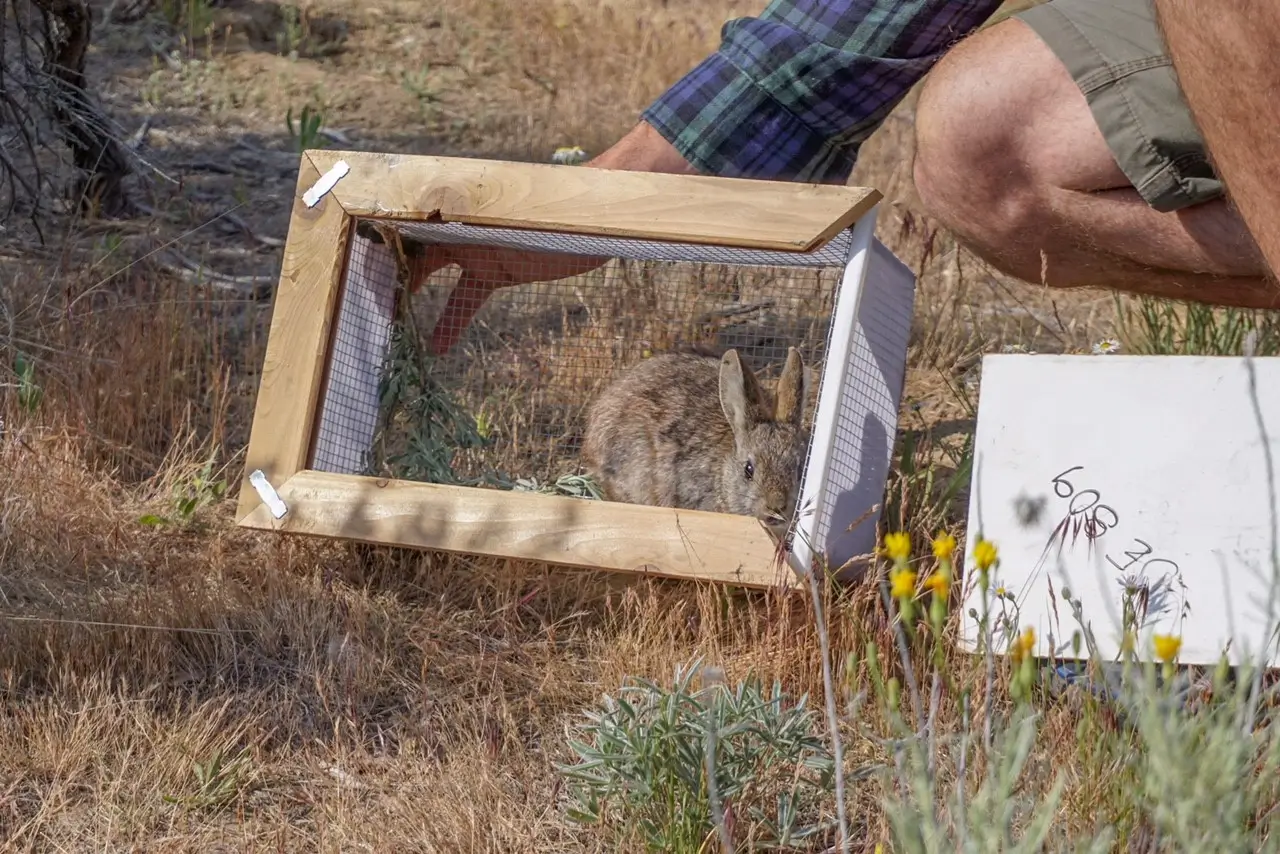
Rebuilding a wild population after near extirpation
The Columbia Basin pygmy rabbit recovery effort has rebuilt a wild population from near extirpation, following the early 2000s collapse that left only a few dozen genetically distinct rabbits in Washington.
Reintroduction Sites
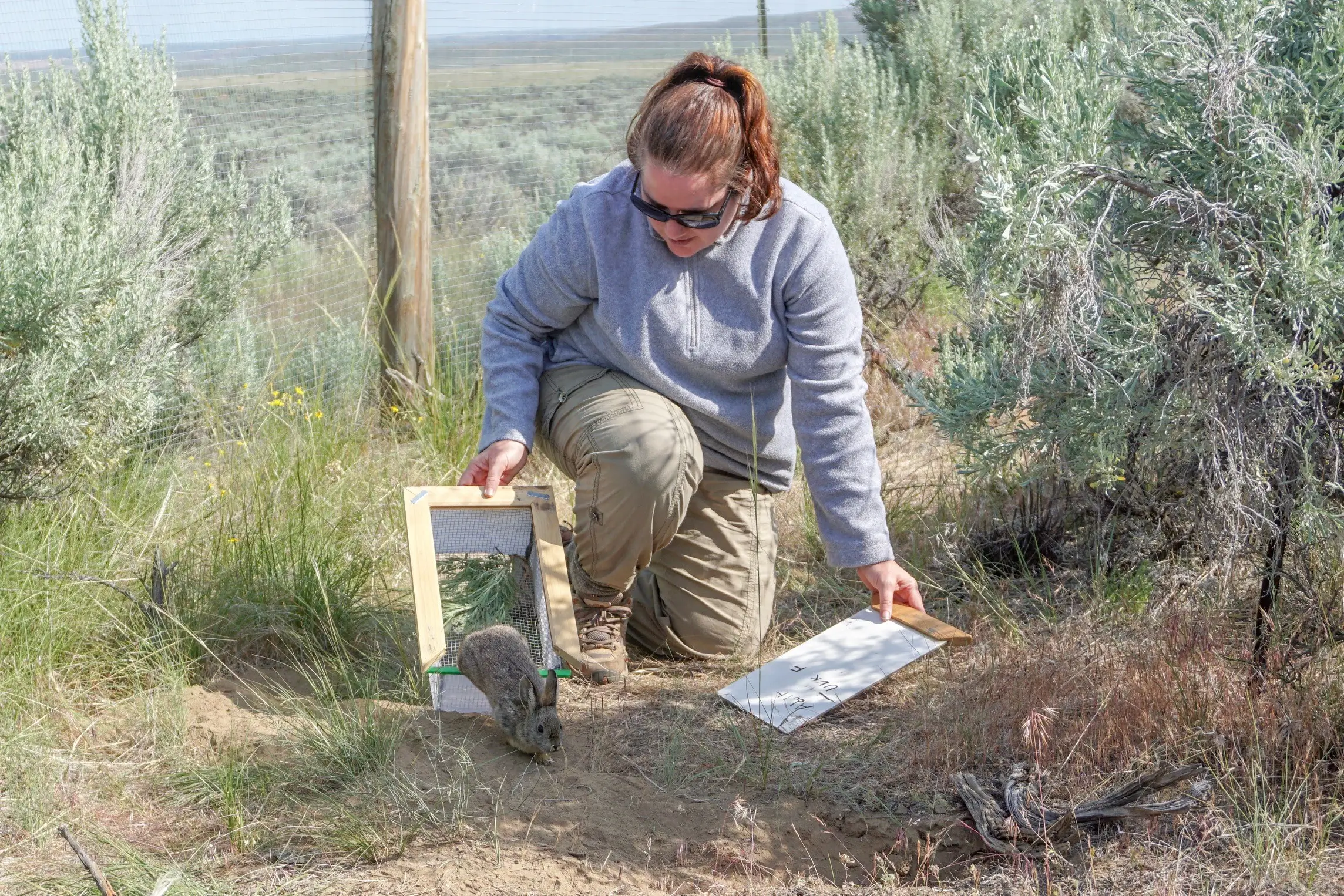
Expanding recovery through managed release sites
State and federal partners have reestablished multiple release sites across the Columbia Basin, combining captive breeding, soft release pens, predator management, and intensive monitoring to improve early survival and burrow establishment.
Habitat Restoration
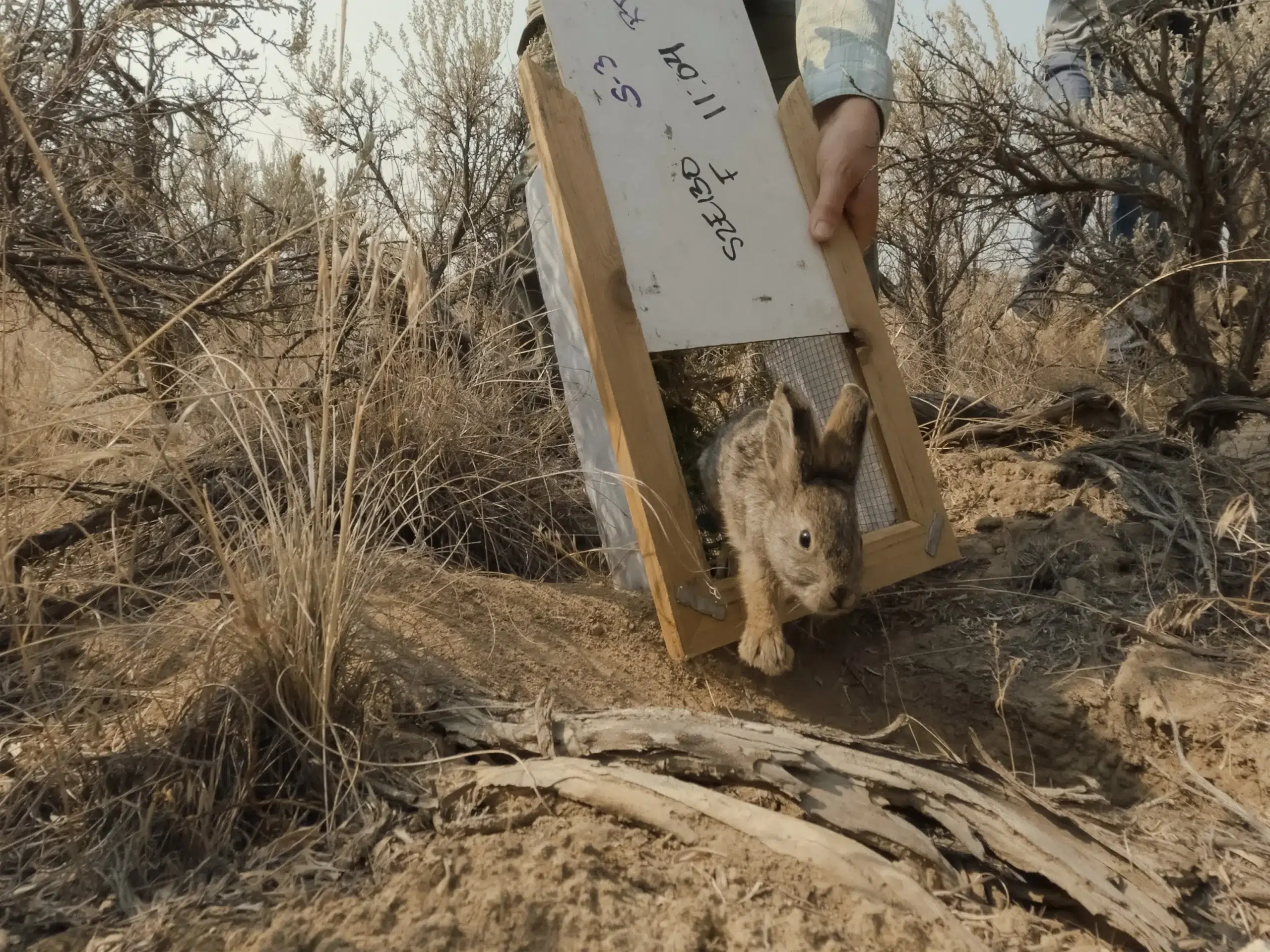
Restoring sagebrush landscapes for long-term recovery
Habitat restoration has expanded across key shrub steppe landscapes, with partners improving sagebrush cover, enhancing forbs and grasses, and reducing fragmentation to support long term persistence.
Health & Genetics
Protecting population health and genetic diversity
Disease prevention and genetic management remain central to the program, with agencies coordinating vaccination, health screening, and genetic mixing strategies to maintain a resilient population.


