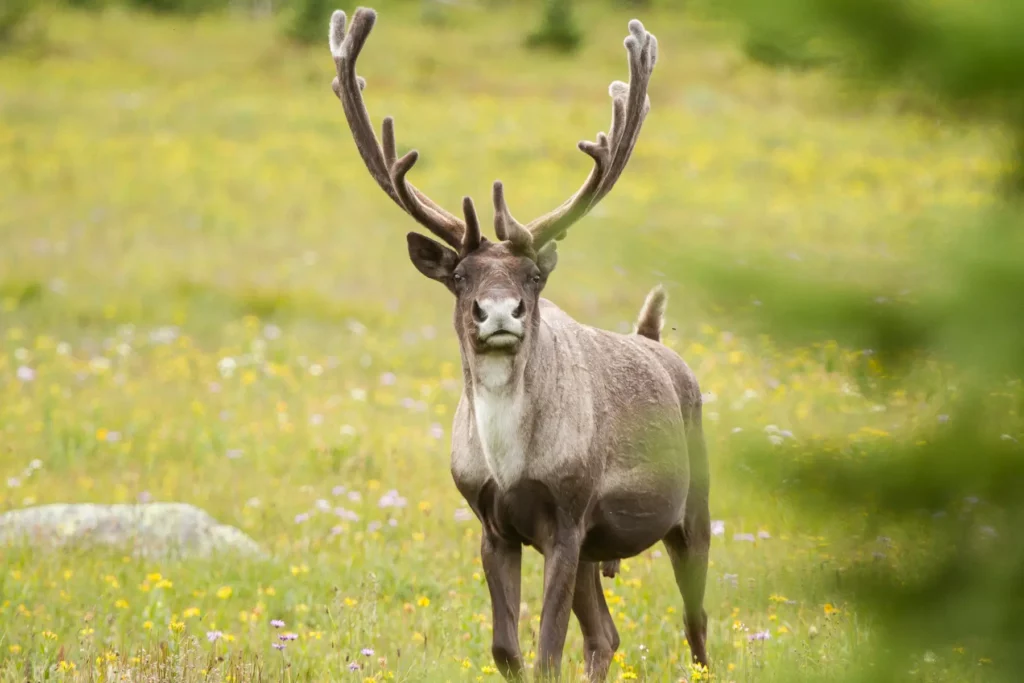
Mountain Caribou
Mountain caribou have disappeared from Washington, but recovery efforts continue across the border in British Columbia.
Once native to Washington’s high elevation rainforests, mountain caribou are now absent from the state after decades of habitat fragmentation and regional population decline.
Despite emergency conservation actions, the last Washington animals were relocated to British Columbia in 2019 to support recovery efforts for the remaining Southern Selkirk herds. Today, active recovery is centered in BC, where First Nations and provincial partners are stabilizing herds through maternal penning, habitat protections, and targeted restoration. Future return to Washington will depend on the success of these cross border efforts and on improving forest conditions and landscape connectivity within the species’ historical range.
Through our Cascades to Rockies initiative, we continue to support the long term habitat, policy, and partnership foundations needed for eventual recovery, while championing caribou conservation alongside WDFW, the Kalispel Tribe, and First Nations. Though the species is currently gone from our state, our commitment to its future remains steady and grounded in the long view.
Work We’re Doing to Achieve Mountain Caribou Goals
Recovery Support
Active recovery for southern mountain caribou is now being led in British Columbia by partners such as the Arrow Lakes Caribou Team, whose maternal penning program is helping stabilize critically endangered herds by protecting cows and calves during their most vulnerable months.
Conservation Northwest supports these efforts by focusing on the long-term landscape conditions caribou will need if they are ever to return to Washington. Through our Cascades to Rockies initiative, we work to protect and restore forest health, conserve large connected habitats, and reduce cumulative impacts that historically contributed to caribou decline.
We also collaborate with the Washington Department of Fish and Wildlife to maintain state endangered species protections and elevate recovery priorities that align with cross-border, Kalispel Tribe, and First Nations-led strategies.
Future Readiness
While the core recovery work is currently centered outside Washington, our commitment remains focused on preparing the ecological and policy foundations needed for future success.
We continue to track recovery progress, support habitat management that benefits caribou and other cold-forest species, and strengthen partnerships that will be essential if herds expand southward again.
By staying engaged, we help ensure that Washington remains a willing and ready partner in the long-term recovery of this iconic species. Our role is one of stewardship, alignment, and continuity, keeping the door open for caribou’s eventual return.
A History of Mountain Caribou Work
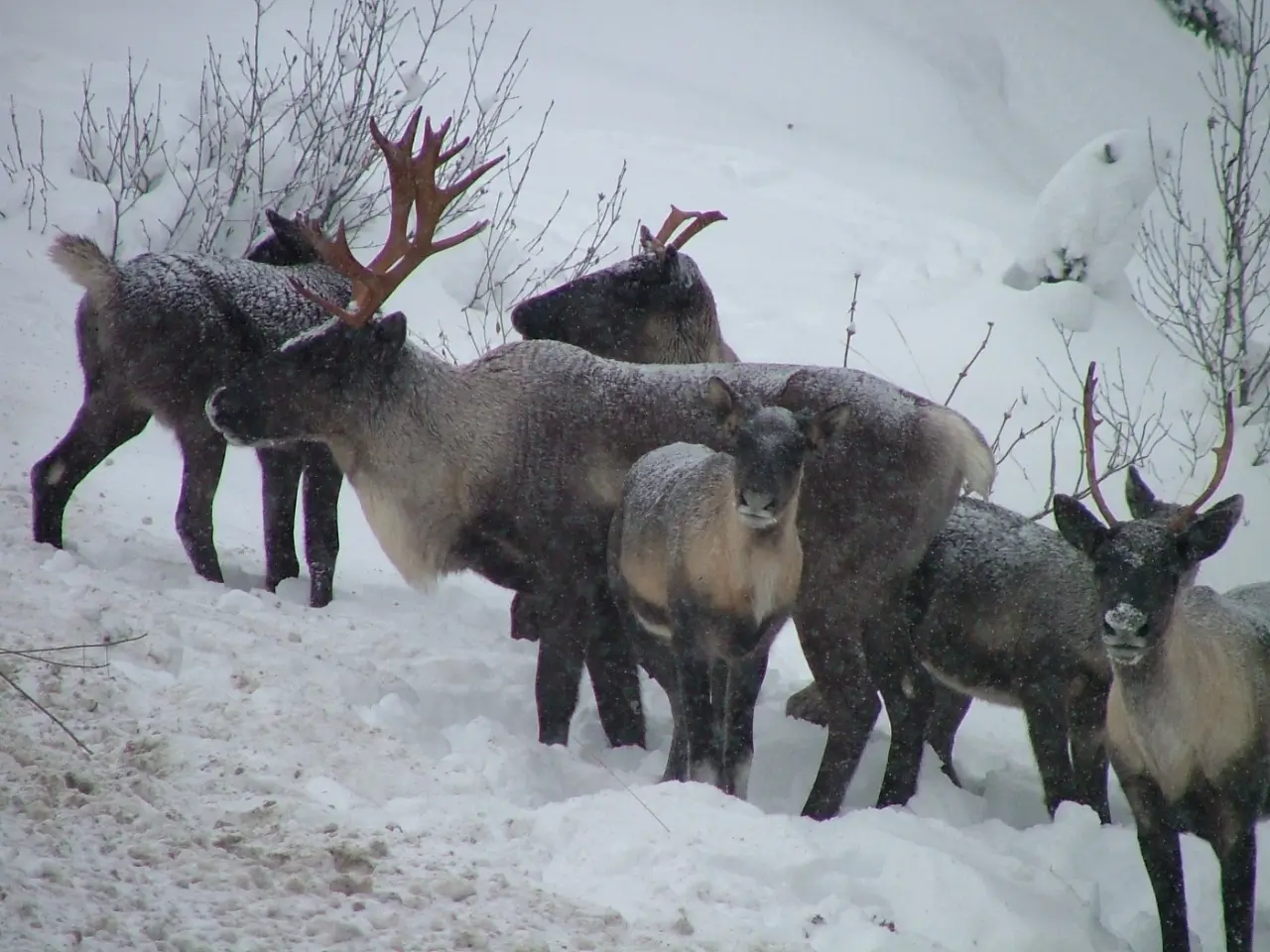
Secured Endangered Species Act uplisting (2019)
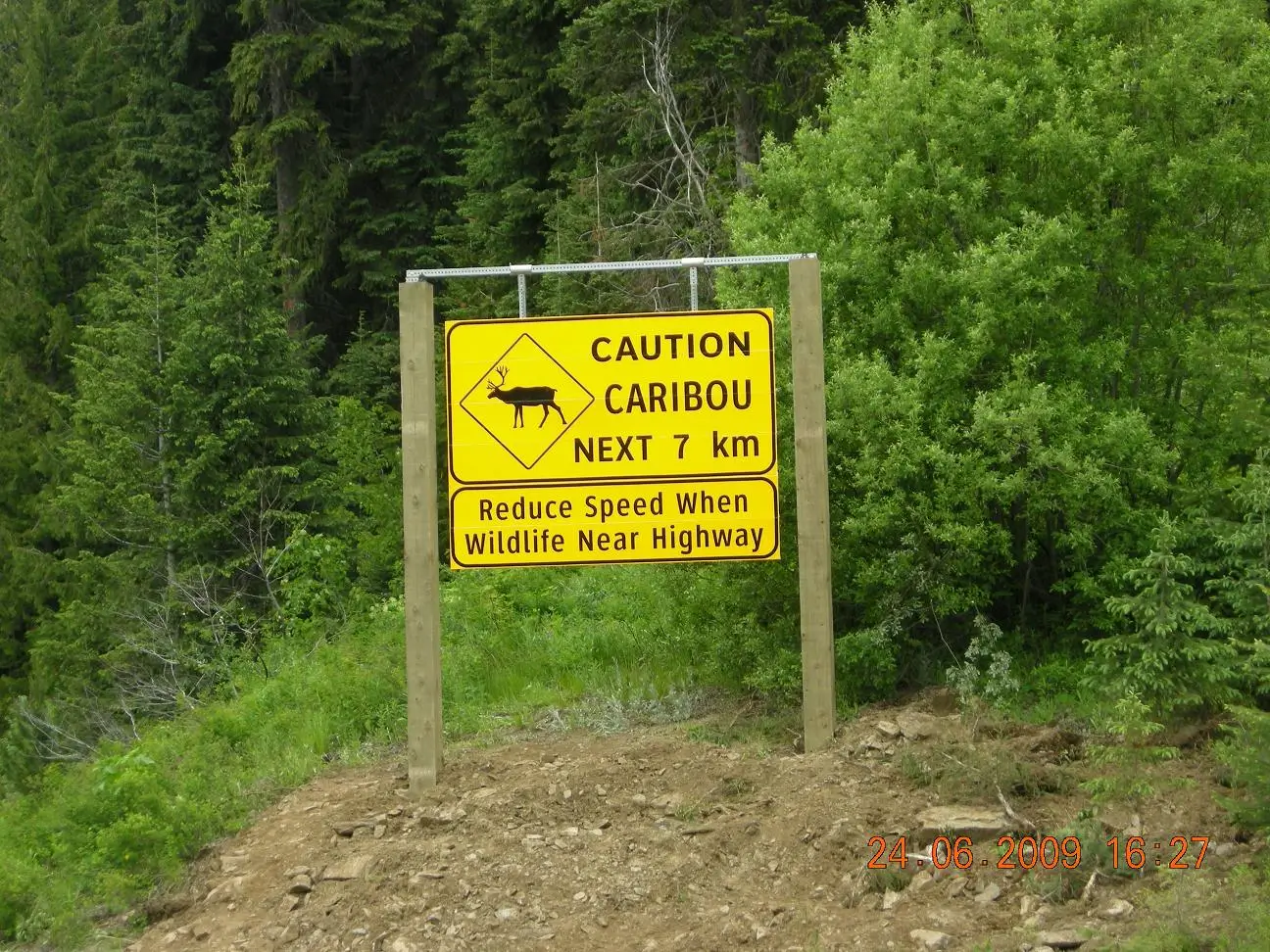
Coordinated the emergency translocation of the last U.S. caribou (2018–2019)
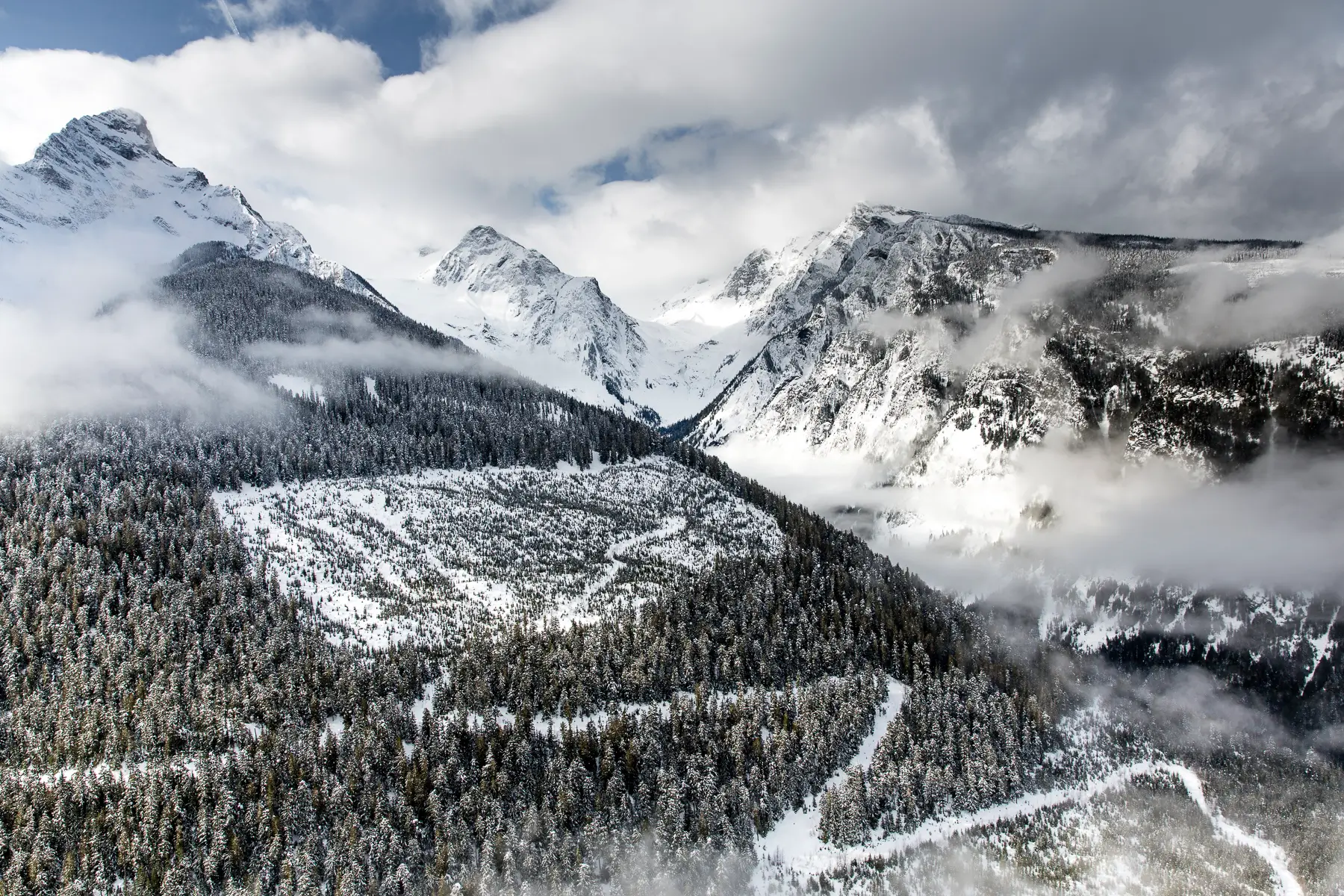
Supported Tribal led maternal penning efforts in the Southern Selkirks
Our Key Accomplishments in Forest Habitat
From protecting critical landscapes to advancing collaborative forest restoration, these efforts deliver lasting benefits for wildlife, habitat connectivity, and climate resilience.
Loomis Forest Protection
Securing the Loomis State Forest’s permanent conservation designation
Protected ~24,000 acres of high value habitat, prevented fragmentation, and established a durable conservation framework that maintains connectivity between the Cascades and Okanogan Highlands. Staff led the coalition building and policy work that made the designation possible.
Collaborative Forest Model
Pioneering one of the nation’s first durable forest collaborative models
Helped establish the Northeast Washington Forest Coalition (NEWFC), one of the earliest and most enduring forest collaboratives in the country. By uniting conservation, timber, counties, Tribes, and recreation partners, it moved large scale forest health projects from conflict to implementation and set a model now replicated widely. Staff provided the convening and infrastructure that keep it functioning.
Landscape-Scale Restoration
Advancing large scale forest health and connectivity projects in Northeast Washington
Supported restoration treatments across priority landscapes around the Kettle Crest and Colville region, improving habitat resilience for lynx, mule deer, and wide ranging carnivores while reducing catastrophic wildfire risk. Staff consistently bridged policy and implementation by securing funding, aligning partners, and moving projects through NEPA into on the ground action.
Related News
There are no posts to show at this time. Please check back soon.
Additional Resources
Media & Archive Resources