


Impact & Results
A History of Fish and Wildlife Management
We have played a long-term role in supporting Washington’s fish and wildlife management by contributing science-based input, policy guidance, and collaborative leadership within WDFW advisory processes.
Long standing service on WDFW advisory bodies
Budget and policy leadership within WDFW (since 2017)
Advancing understanding of Washington’s shifting wildlife values
Long standing service on WDFW advisory bodies
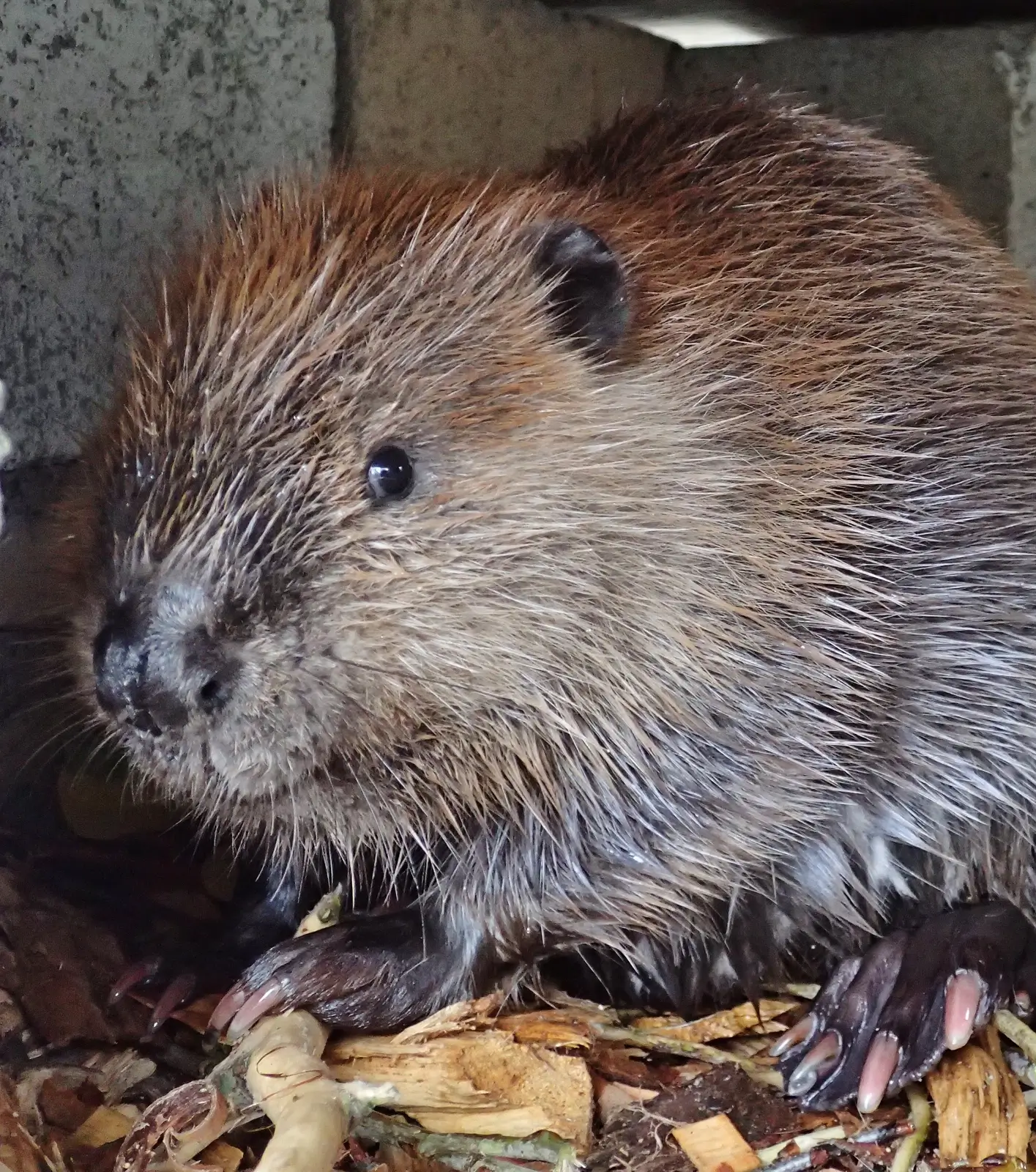
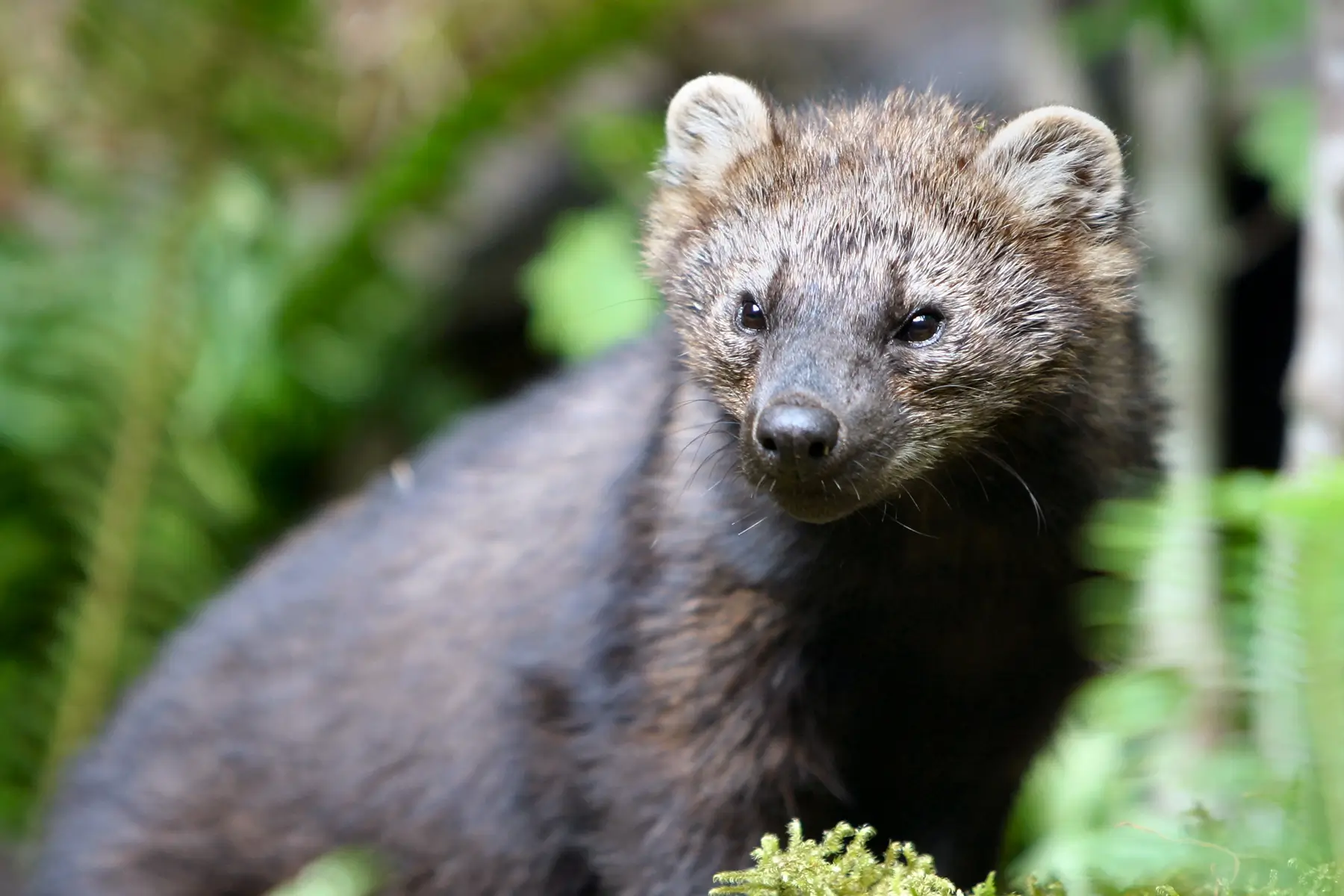
Conservation Northwest has held seats on the Wolf Advisory Group and the Wildlife Diversity Advisory Council since 2013, providing consistent, science informed input on carnivore management, wildlife diversity, and agency decision making.
Budget and policy leadership within WDFW (since 2017)
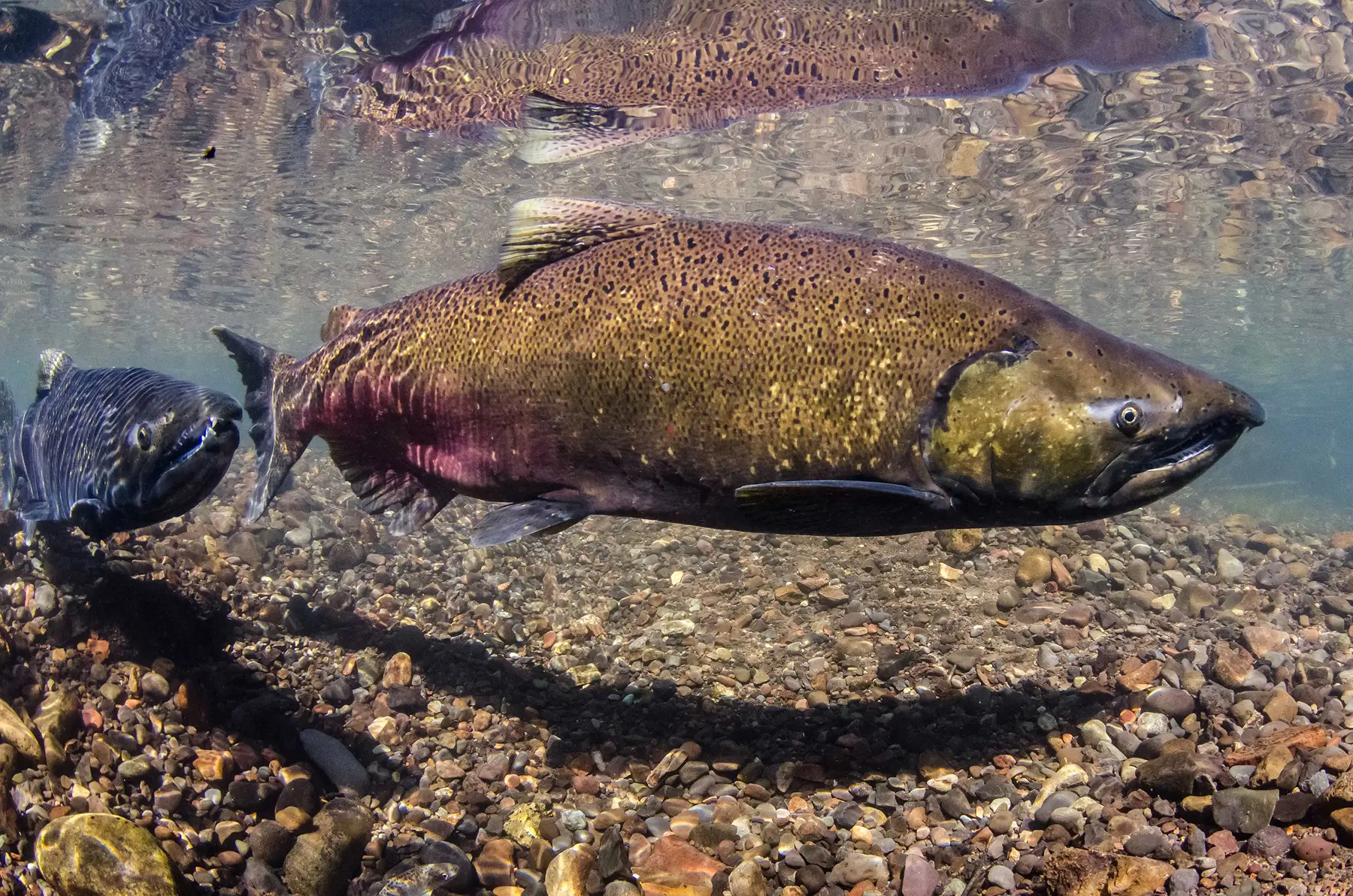
Service on the WDFW Budget and Policy Advisory Committee since 2017 has helped shape agency budget requests, policy proposals, and long term planning, strengthening the foundation for durable conservation outcomes.
Advancing understanding of Washington’s shifting wildlife values
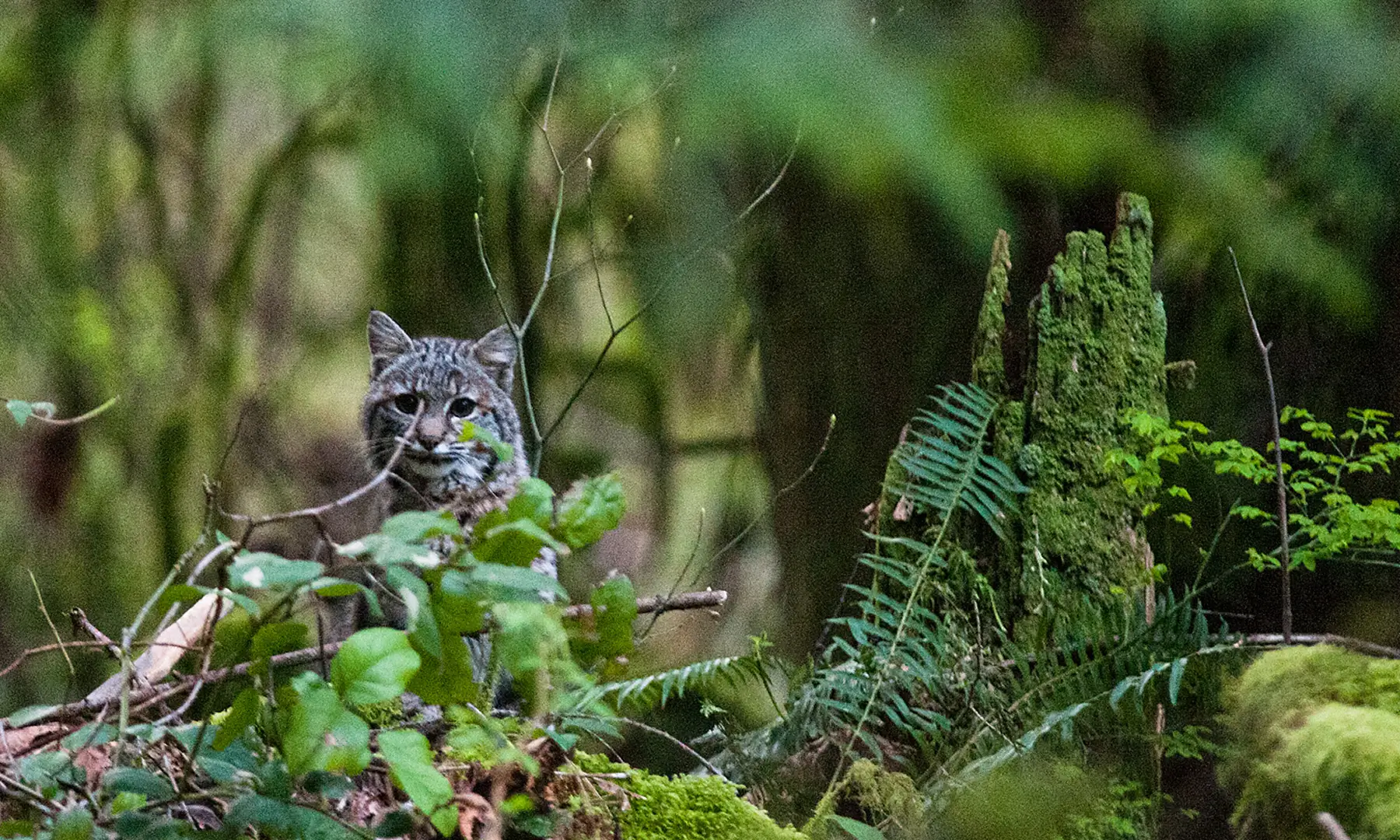
Collaboration with WDFW’s Conservation Social Scientist and Natural Resource Economist is helping illuminate changing public attitudes toward wildlife, informing both advocacy strategies and the search for alternative, sustainable funding sources.

Loomis Forest Protection
Securing the Loomis State Forest’s permanent conservation designation
Protected ~24,000 acres of high value habitat, prevented fragmentation, and established a durable conservation framework that maintains connectivity between the Cascades and Okanogan Highlands. Staff led the coalition building and policy work that made the designation possible.

Collaborative Forest Model
Pioneering one of the nation’s first durable forest collaborative models
Helped establish the Northeast Washington Forest Coalition (NEWFC), one of the earliest and most enduring forest collaboratives in the country. By uniting conservation, timber, counties, Tribes, and recreation partners, it moved large scale forest health projects from conflict to implementation and set a model now replicated widely. Staff provided the convening and infrastructure that keep it functioning.

Landscape-Scale Restoration
Advancing large scale forest health and connectivity projects in Northeast Washington
Supported restoration treatments across priority landscapes around the Kettle Crest and Colville region, improving habitat resilience for lynx, mule deer, and wide ranging carnivores while reducing catastrophic wildfire risk. Staff consistently bridged policy and implementation by securing funding, aligning partners, and moving projects through NEPA into on the ground action.


