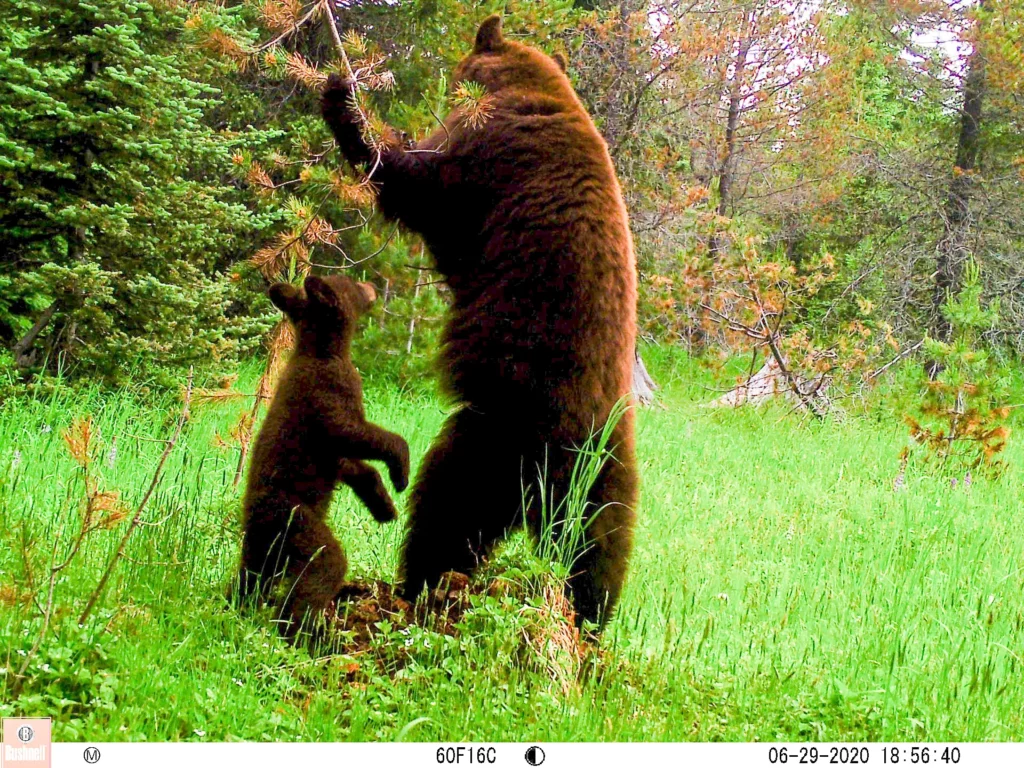
Community Wildlife Monitoring Project - Cascade Carnivores
The Cascade Carnivores program uses community science and cameras to track rare wildlife across the Cascades, helping improve understanding of carnivore movement and habitat use.
Since 2001, our Community Wildlife Monitoring Program has advanced wildlife data collection and collaborative stewardship through a network of dedicated volunteers.
The Cascades hold some of Washington’s most important wildlife habitat, but much of it is remote, rugged, and difficult for agencies to monitor consistently. Our wildlife monitoring in the North Cascades uses trained volunteers and remote cameras to detect species presence, track movement patterns, and identify how animals use these high value landscapes. By partnering with Wilderness Awareness School and working alongside state, federal, tribal, and independent biologists, we generate reliable data that supports recovery planning and habitat connectivity efforts.
This information helps shape where conservation investments are most needed and ensures decisions are grounded in real conditions on the ground. Through this work, we strengthen the scientific foundation behind long term wildlife stewardship in the Cascades.
Work We’re Doing to Achieve Cascade Carnivores Goals
Moist Forests
Our teams have deployed remote cameras and conducted winter snow‑tracking surveys in collaboration with WDFW, the U.S. Forest Service, the U.S. Fish and Wildlife Service, and other partners.
An Advisory Council of agency biologists and professional researchers helps guide our annual monitoring objectives and site selection, ensuring our work complements and strengthens ongoing wildlife recovery efforts.
Volunteers play a central role, providing on‑the‑ground observations that help refine site locations and interpret field conditions throughout the season.
Regional Collaboration
Our monitoring spans remote landscapes from the North Cascades to the Gifford Pinchot National Forest, generating data that informs conservation decisions for species including grizzly bears, wolverines, wolves, fishers, and Canada lynx.
In the Central Cascades, we partner with Wilderness Awareness School to conduct winter tracking and year‑round camera monitoring near new wildlife crossings along I‑90. In northeast Washington and southern British Columbia, we collaborate with B.C. Parks and the Skagit Environmental Endowment Commission to support a cross‑border monitoring program modeled in part after our own.
Across all these regions, we provide coordination, training, and scientific rigor that allow volunteers and partners to contribute to high‑value wildlife research at a landscape scale.
A History of of Cascade Carnivores
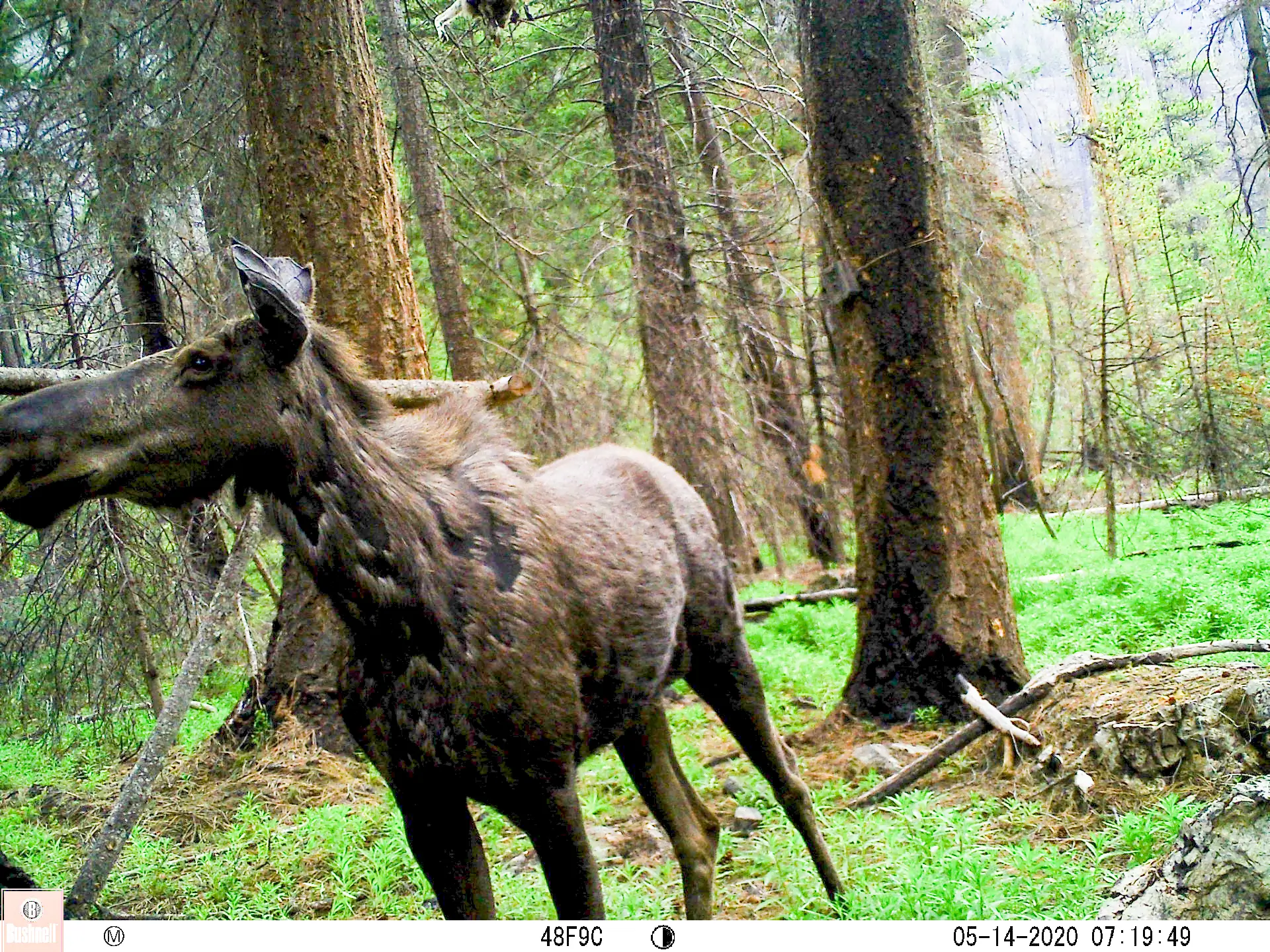
Cascades Carnivore Monitoring Program
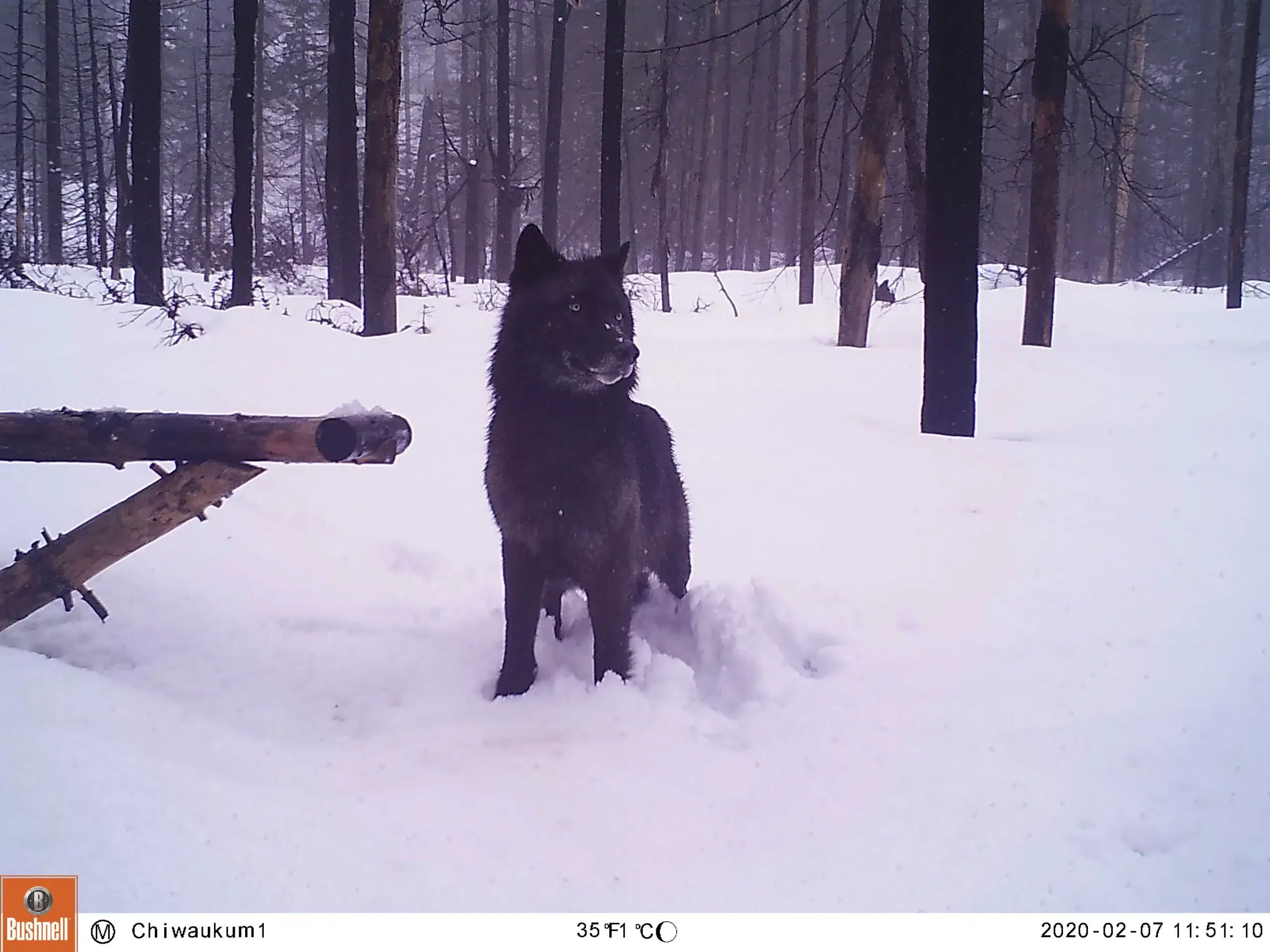
Cascades Carnivore Project collaboration
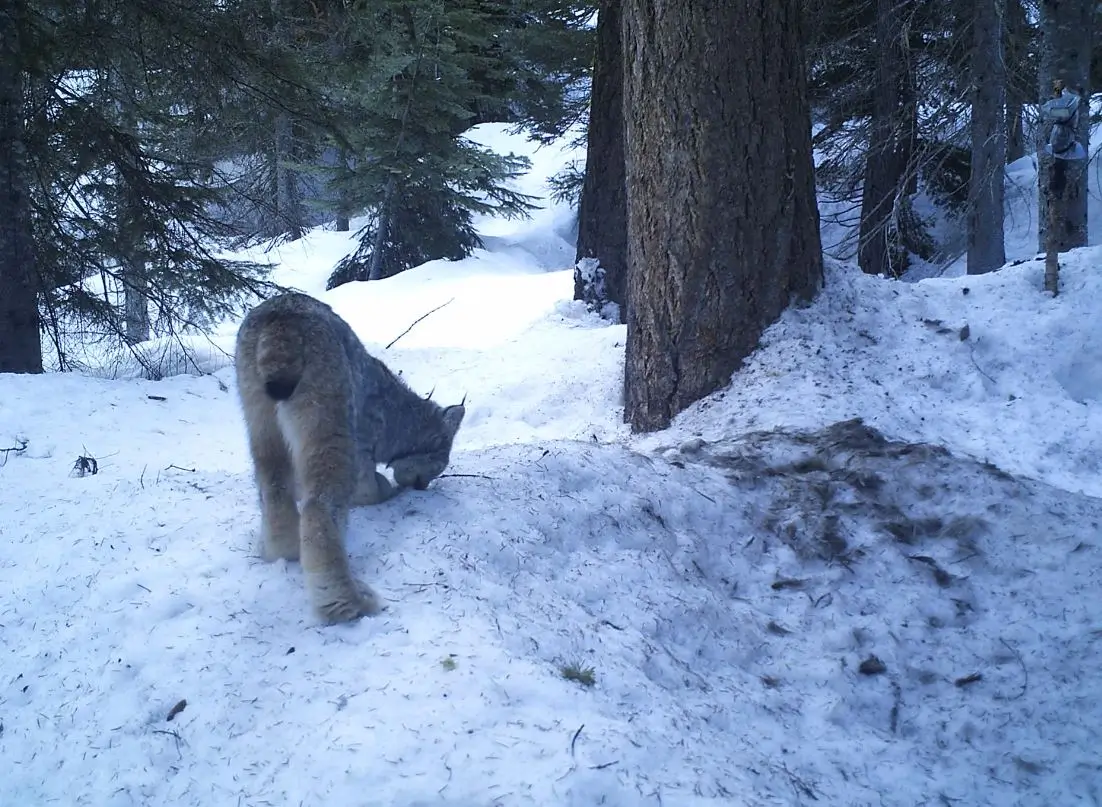
Long term community science monitoring
Our Key Accomplishments in Forest Habitat
From protecting critical landscapes to advancing collaborative forest restoration, these efforts deliver lasting benefits for wildlife, habitat connectivity, and climate resilience.
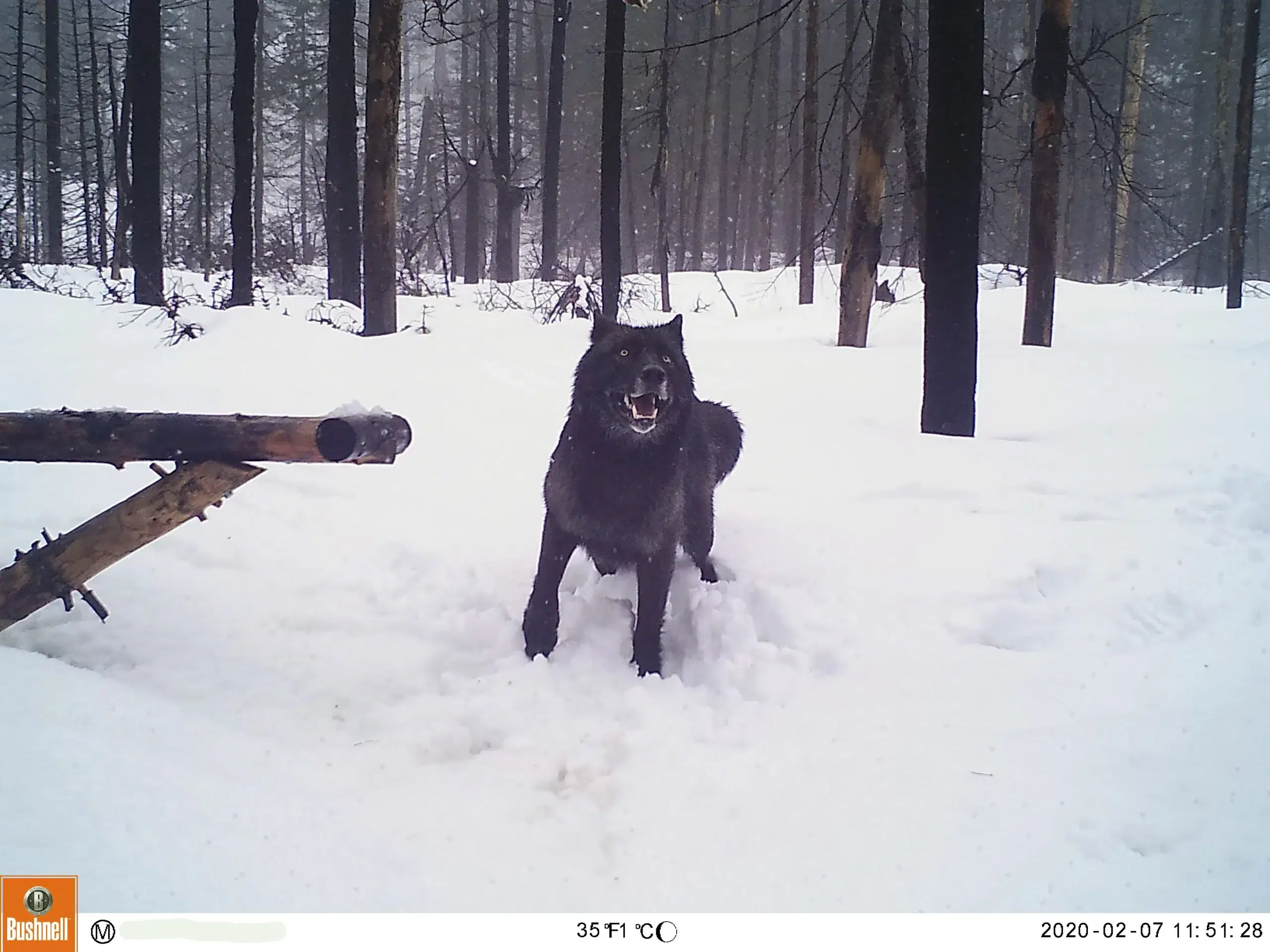
Wolf Recovery Documentation
Recording early signs of wolf recovery and pack establishment across Washington’s Cascade regions
In 2008, our volunteer-operated cameras documented the first wild wolf pups born in Washington in nearly 80 years in the Methow Valley, now called the Lookout Pack. In 2011, our teams documented a new wolf pack in the Teanaway, just 90 miles east of Seattle.
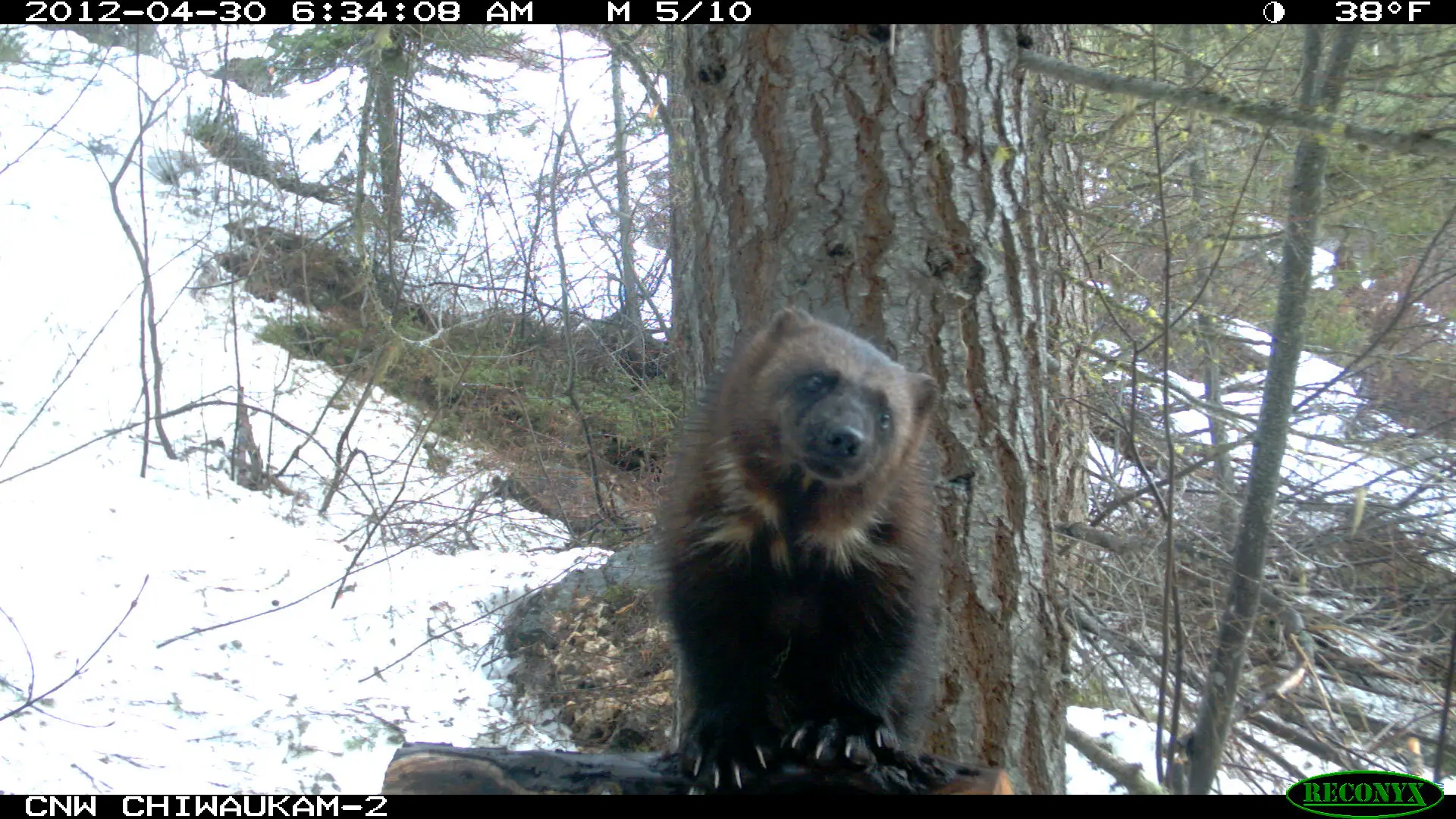
Wolverine Range Monitoring
Tracking wolverine presence and expanding confirmed distribution across the North and Central Cascades
In 2012, we helped document the recovery of wolverines north and east of Stevens Pass near Leavenworth. Our cameras continue to be an important part of inter-agency and inter-organizational efforts to monitor the return of wolverines to the Cascade Mountains.
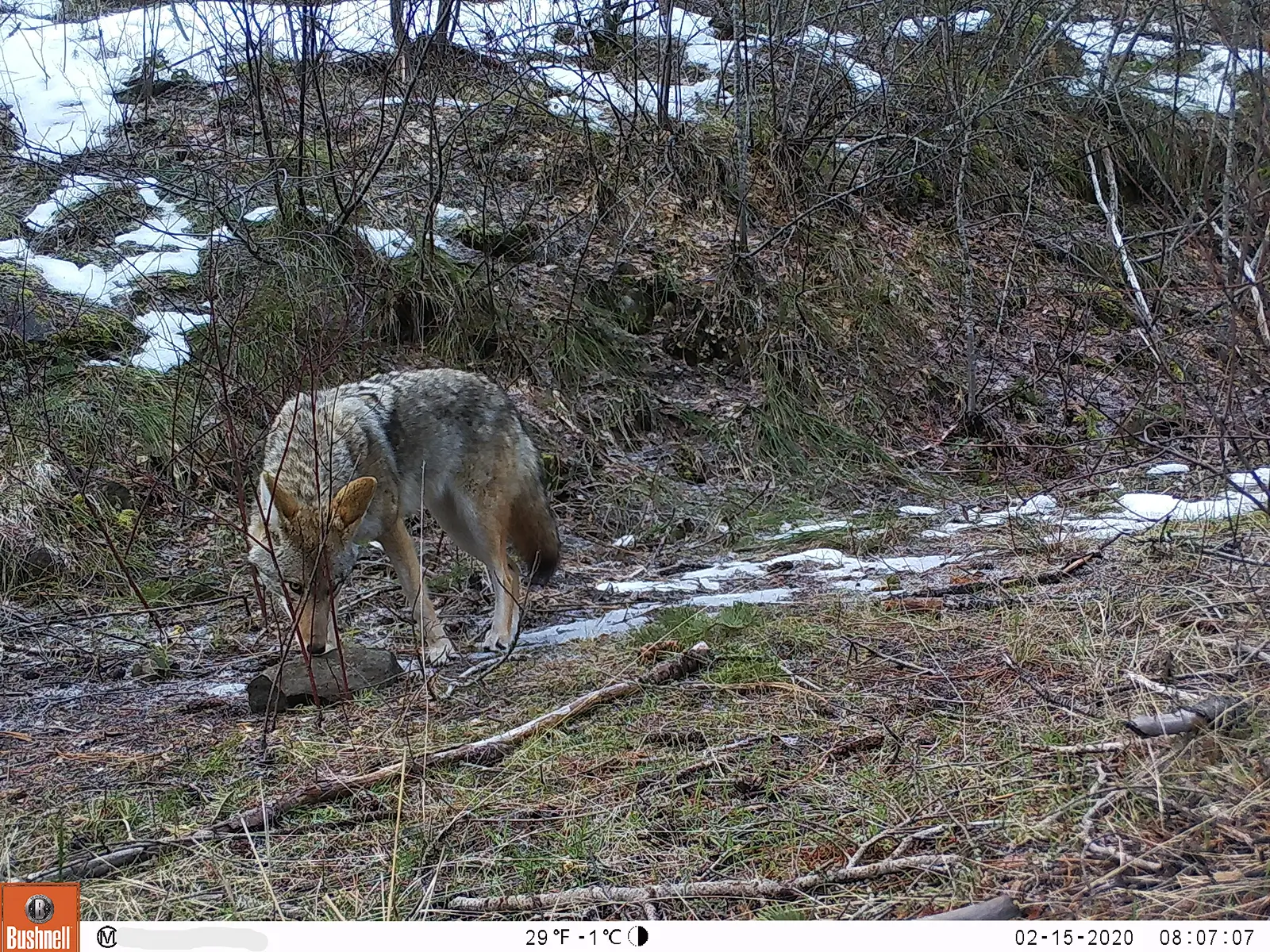
Wolf Detection Events
Capturing key photographic evidence of wolves reoccupying habitats between Stevens Pass and Leavenworth
In 2015, we captured the first images of a wolf documented between Stevens Pass and Leavenworth. Later in 2015, our cameras photographed a second wolf, a collared member of the Teanaway Pack, in the same area.
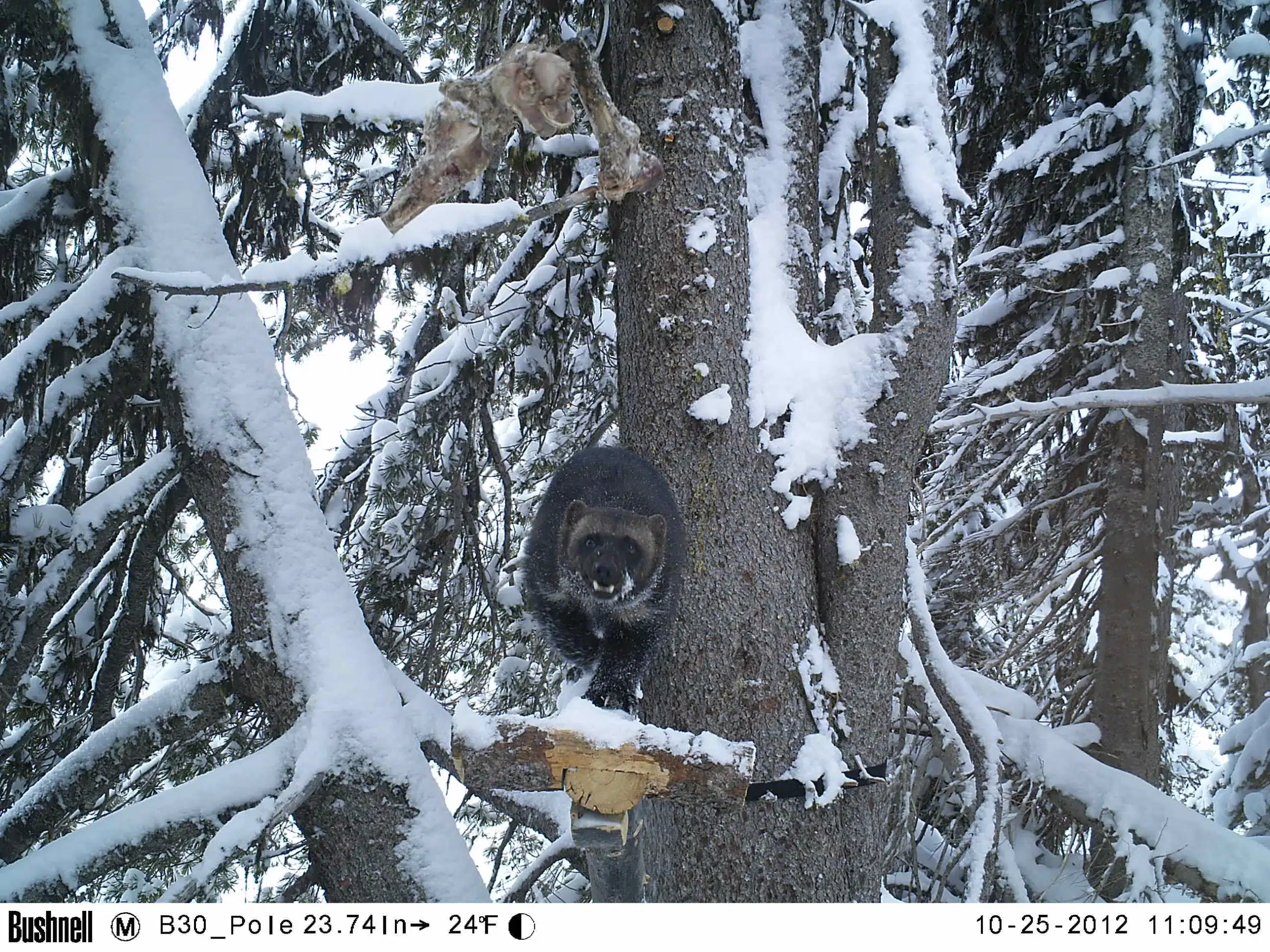
Connectivity Discoveries
Identifying new wolverine and wolf presence in previously undocumented Cascade wildlife corridors
In 2016, our program followed up on a report from a hiker and captured remote camera photos of a wolverine in a new area of Okanogan-Wenatchee National Forest north of Lake Wenatchee. The area had previously been a gap in the confirmed wolverine-occupied territory between known wolverine ranges near Leavenworth and above Lake Chelan. We also documented new wolverines just east of Stevens Pass, and another wolf near Leavenworth.
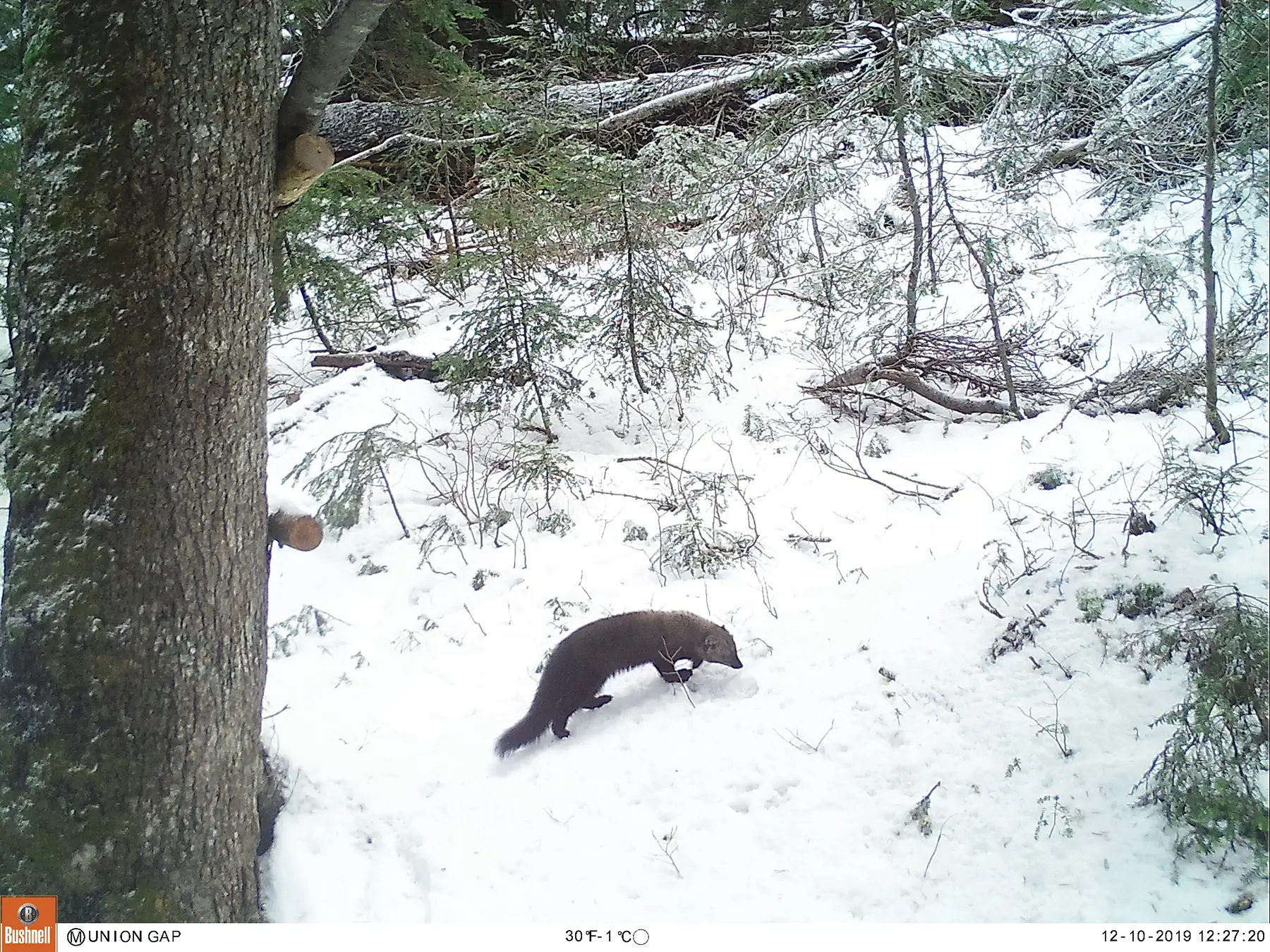
Fisher Monitoring
Documenting fisher presence and early expansion following Cascades reintroduction efforts
In 2016, shortly after fishers were reintroduced to the Cascade Mountains by Conservation Northwest, the Washington Department of Fish and Wildlife, and the National Park Service, our remote cameras documented fishers east of Mount Rainier. This and other fisher documentation show these native animals are surviving and expanding their range!
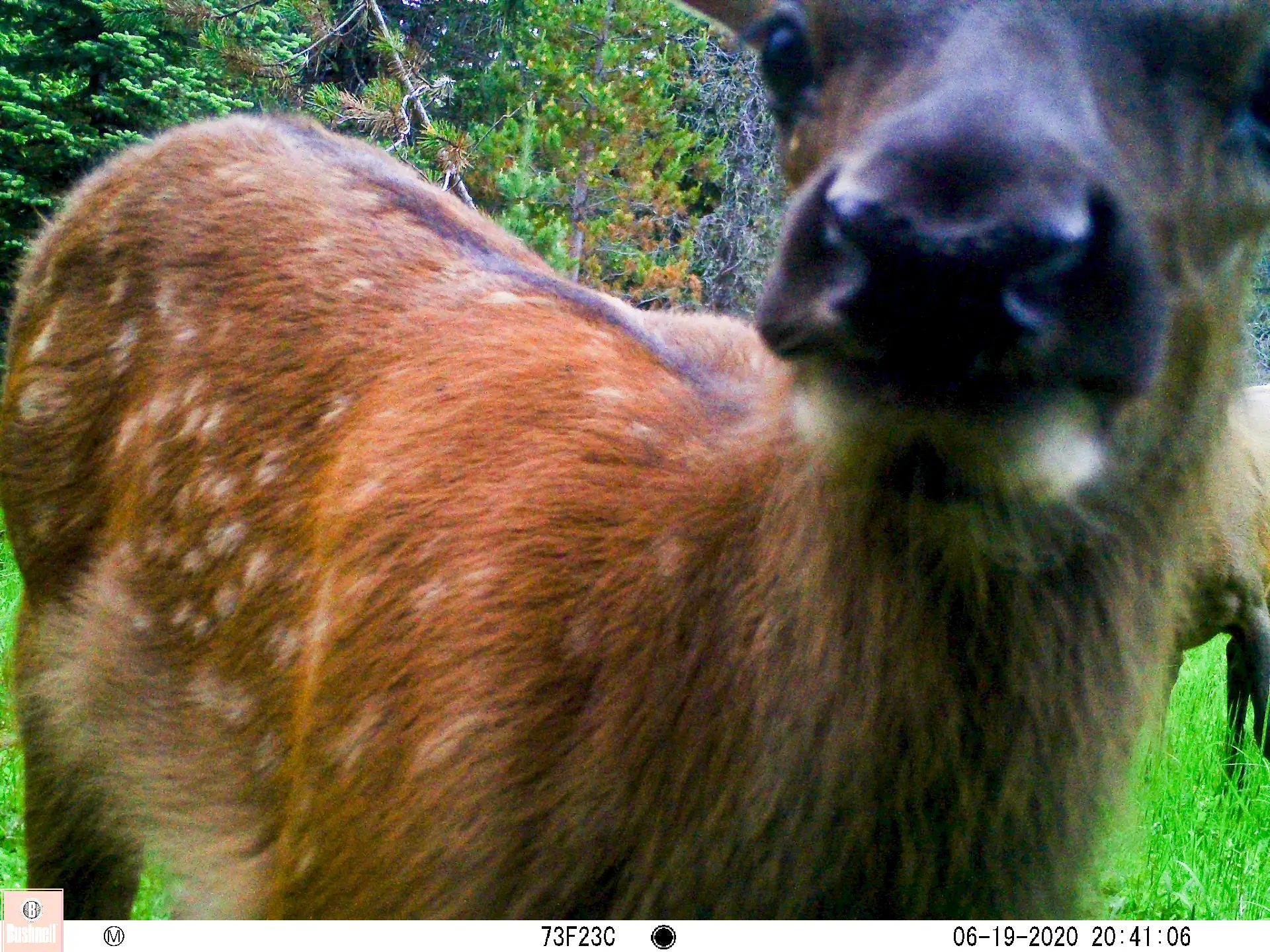
Multi-Species Recovery
Verifying continued recovery of wolverines, wolves, and fishers through coordinated monitoring efforts
In 2018, we documented wolverines in the North Cascades, and one citizen science team was lucky enough to visually observe two wolverines near a monitoring installation! We also documented fishers at two survey areas in the South Cascades, both close to the fisher release sites in and around Mount Rainier.
Related News
There are no posts to show at this time. Please check back soon.
Additional Resources
Media & Archive Resources