

Impact & Results
A History of Working Lands
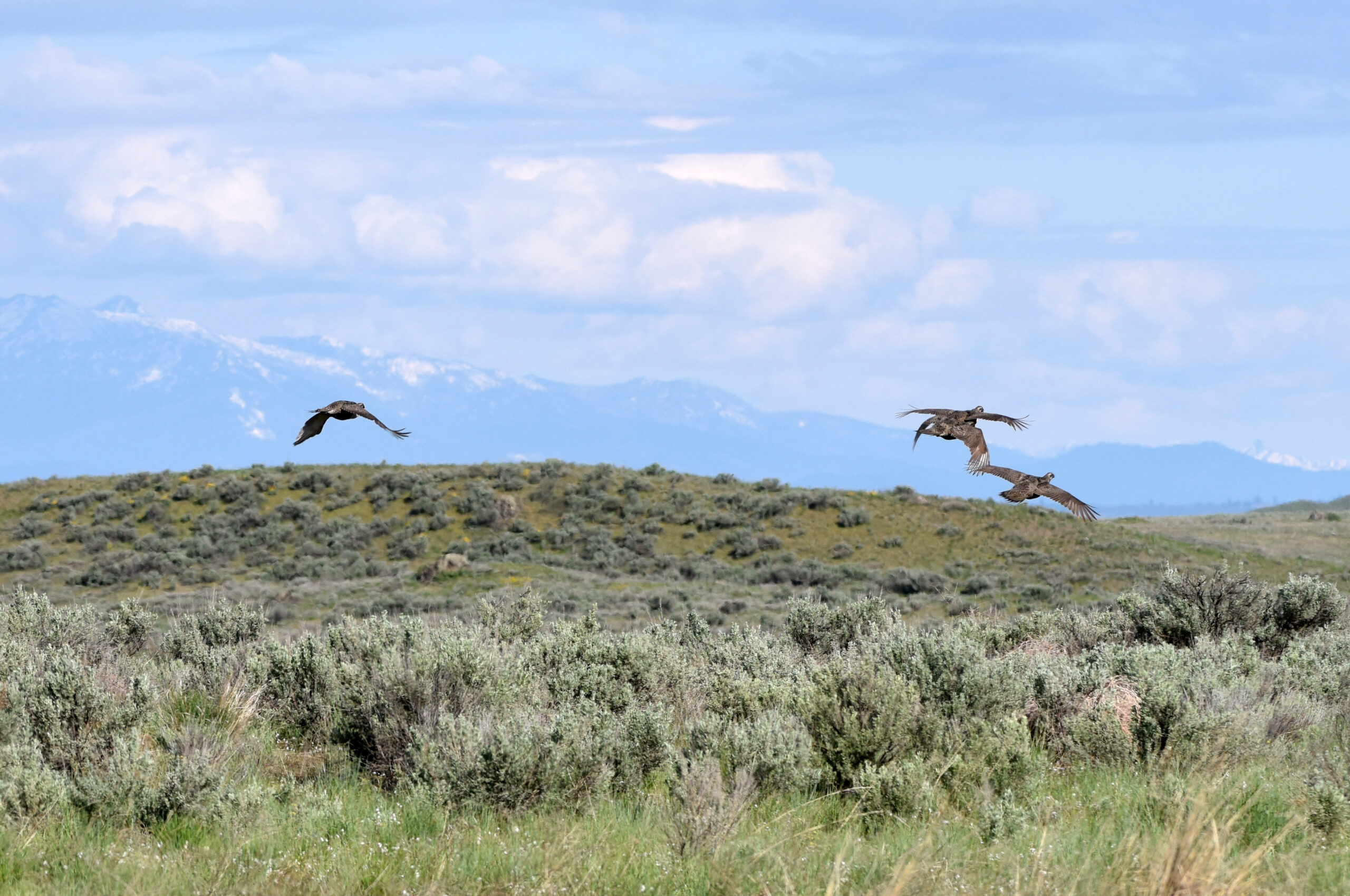
Working lands are essential for maintaining shrub steppe habitat in Washington. Through partnerships, the program supports stewardship, reduces key threats, and strengthens long-term resilience for wildlife and rural communities.
Supporting landowners and partners to maintain habitat on working lands
Addressing major threats to connectivity on working lands
Advancing wildfire recovery and long term landscape resilience
Supporting landowners and partners to maintain habitat on working lands
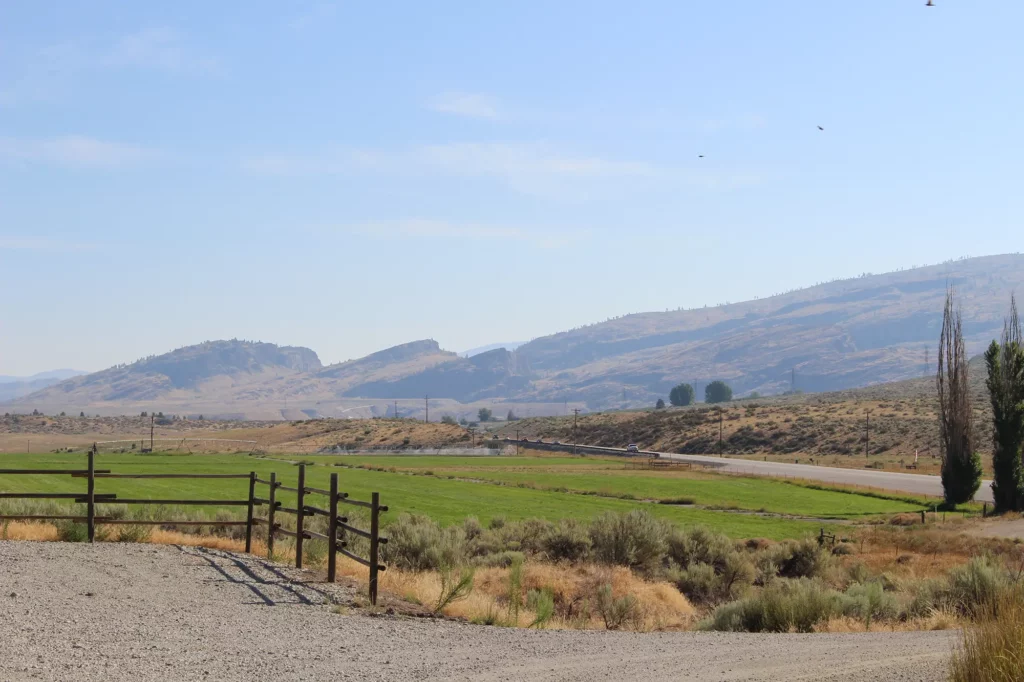
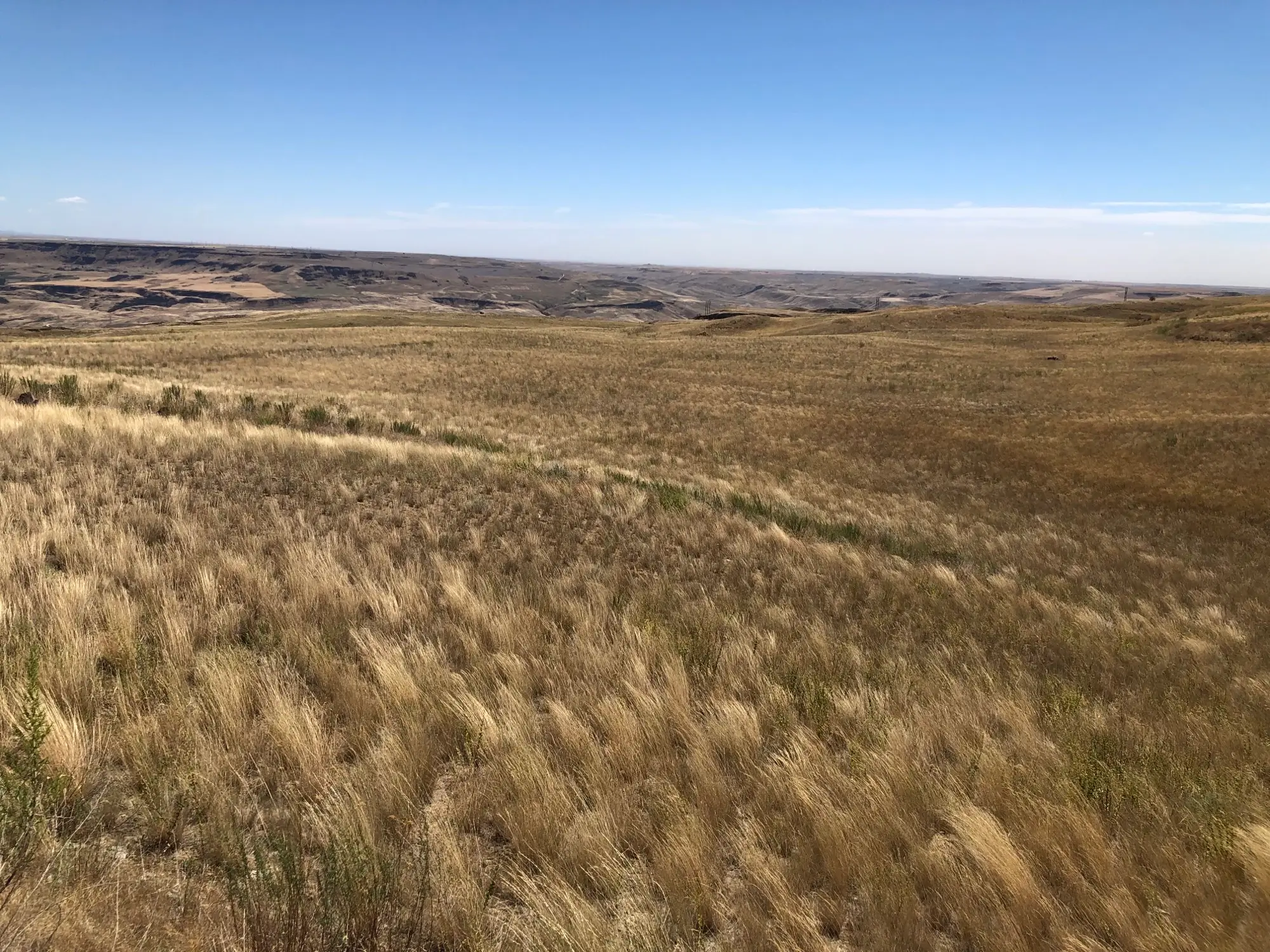
The program works with Conservation Districts, the Natural Resources Conservation Service, and private landowners—including lessees on Tribal lands—to implement conservation practices and recover from severe wildfires. The approach emphasizes maintaining good forage for livestock, encouraging rotational grazing, reducing fencing, and improving soil health to support both ranching operations and wildlife habitat.
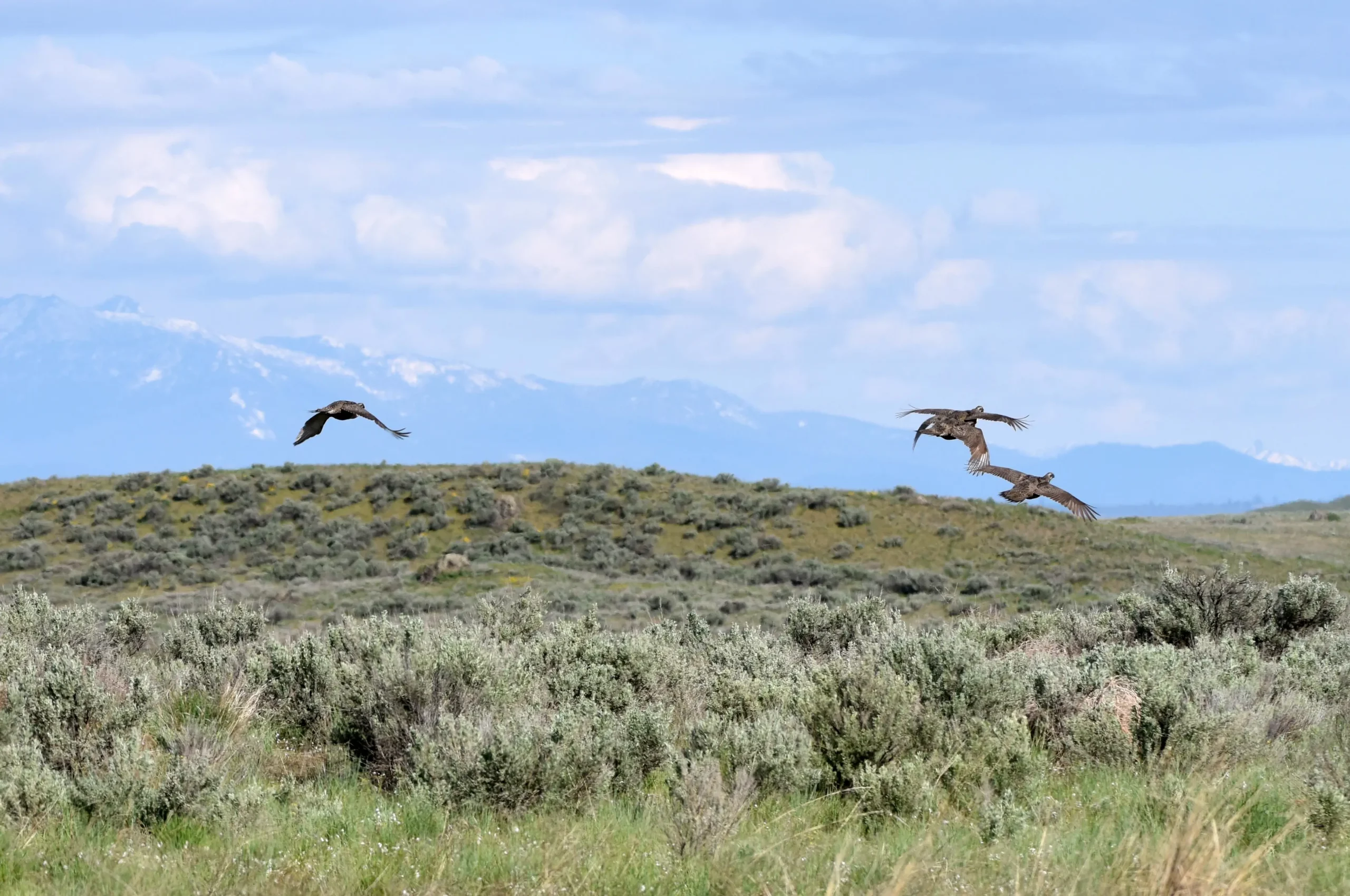
Addressing major threats to connectivity on working lands
Housing development, roads, fencing, catastrophic fires, and utility scale clean energy development pose significant risks to shrub steppe connectivity. The program focuses on removing unnecessary barbed wire fencing and replacing it with wildlife friendly or virtual fencing, and on steering solar development away from critical habitats toward least conflict sites.
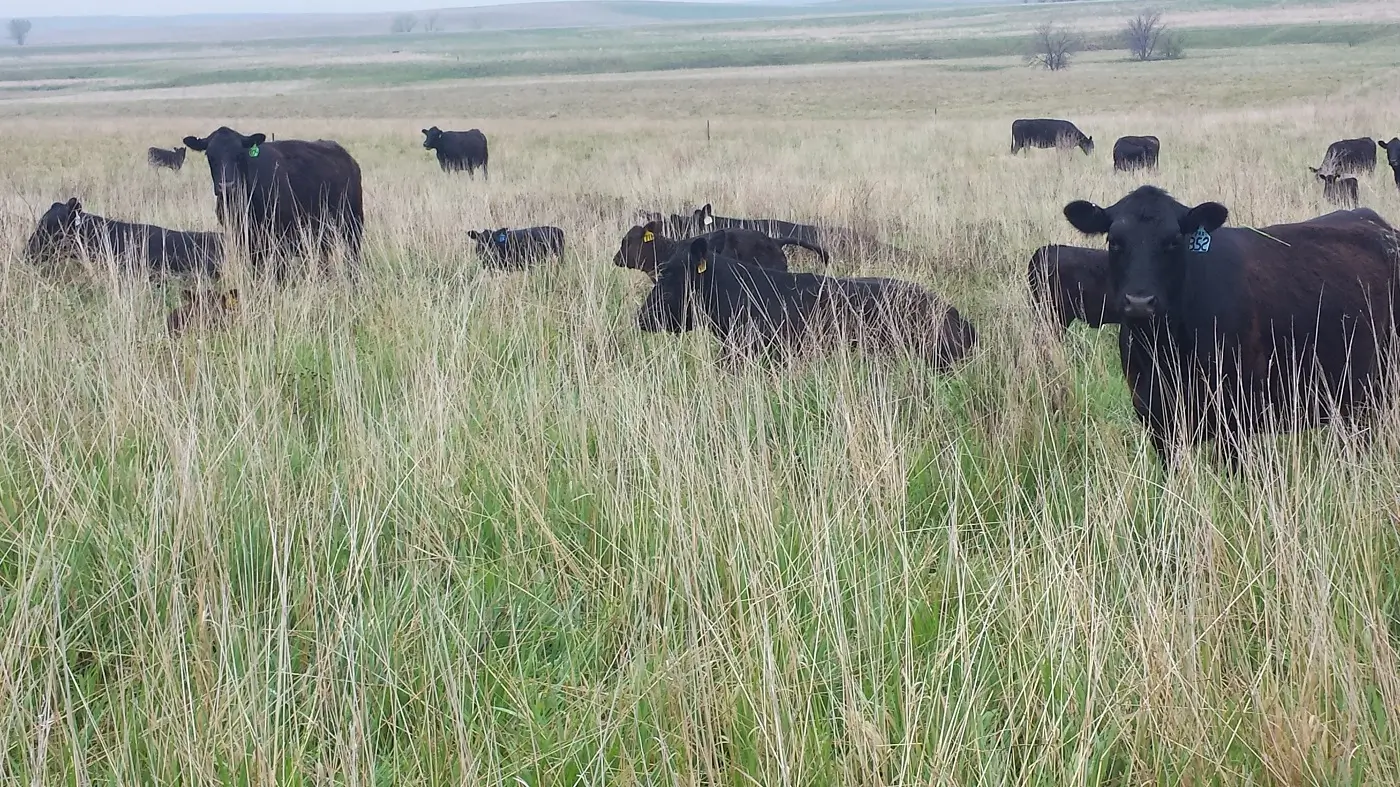
Advancing wildfire recovery and long term landscape resilience
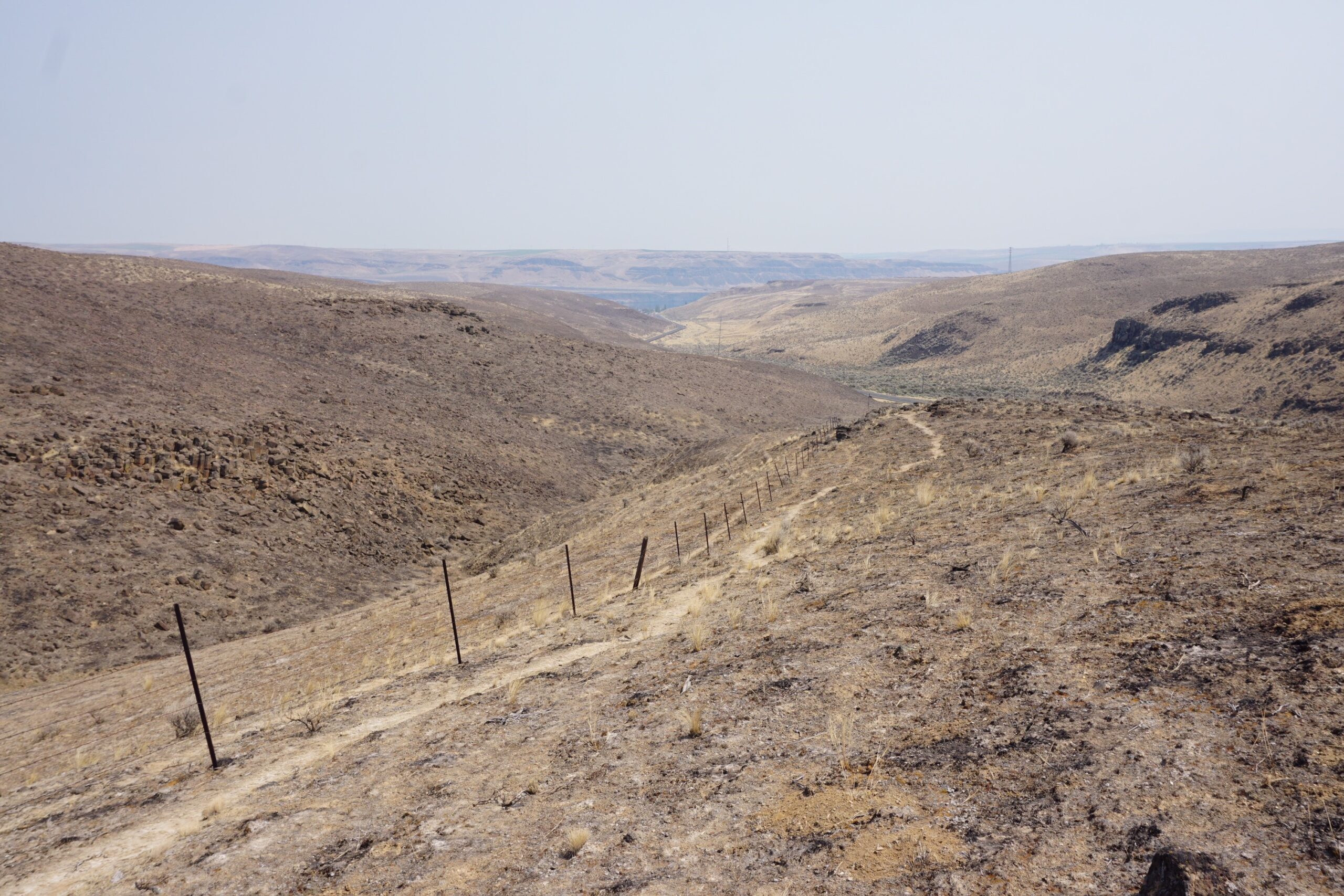
Following the 2020 Pearl Hill and Cold Springs fires, which burned nearly 400,000 acres of shrub steppe in a single night, the program helped establish a sustained state funding source for landowner and wildlife recovery. This effort became the Washington Shrub Steppe Restoration and Resiliency Initiative (WSRRI), jointly managed by WDFW, DNR, and the Conservation Commission. SHP staff continue to serve on WSRRI committees to ensure funds support key connectivity habitats across all landownerships, including working lands.
Policy & Program Defense
Protecting Federal Conservation Programs During the 2023–2024 Farm Bill Cycle
In the 2023–2024 Farm Bill cycle, the program helped defend the Conservation Reserve Program and SAFE habitat in eastern Washington, working with agricultural producers, partners, and congressional offices to secure continued funding and elevating landowner voices through a widely shared advocacy video.
Land Protection Impact
Securing High-Value Working Lands to Maintain Shrub Steppe Connectivity
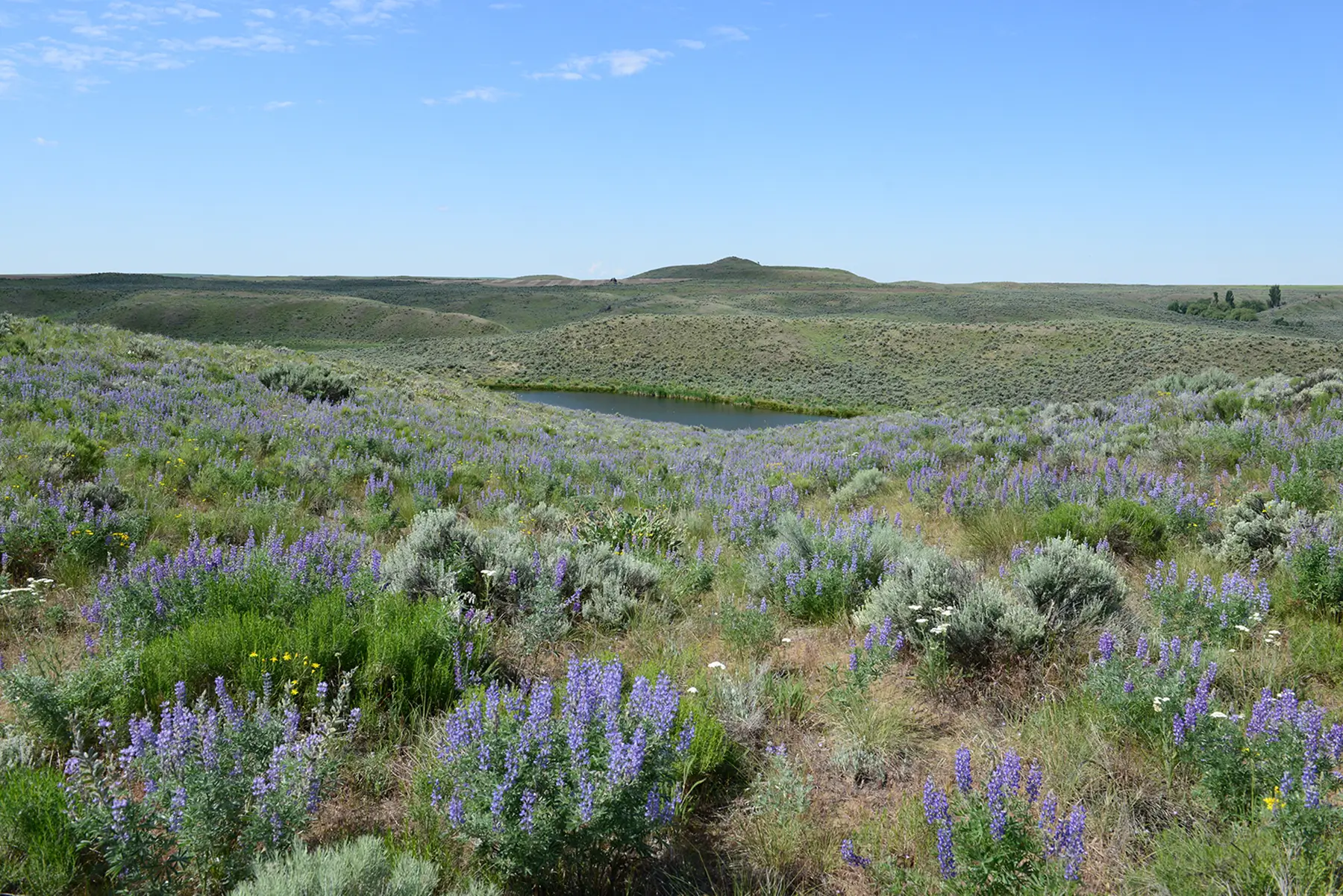
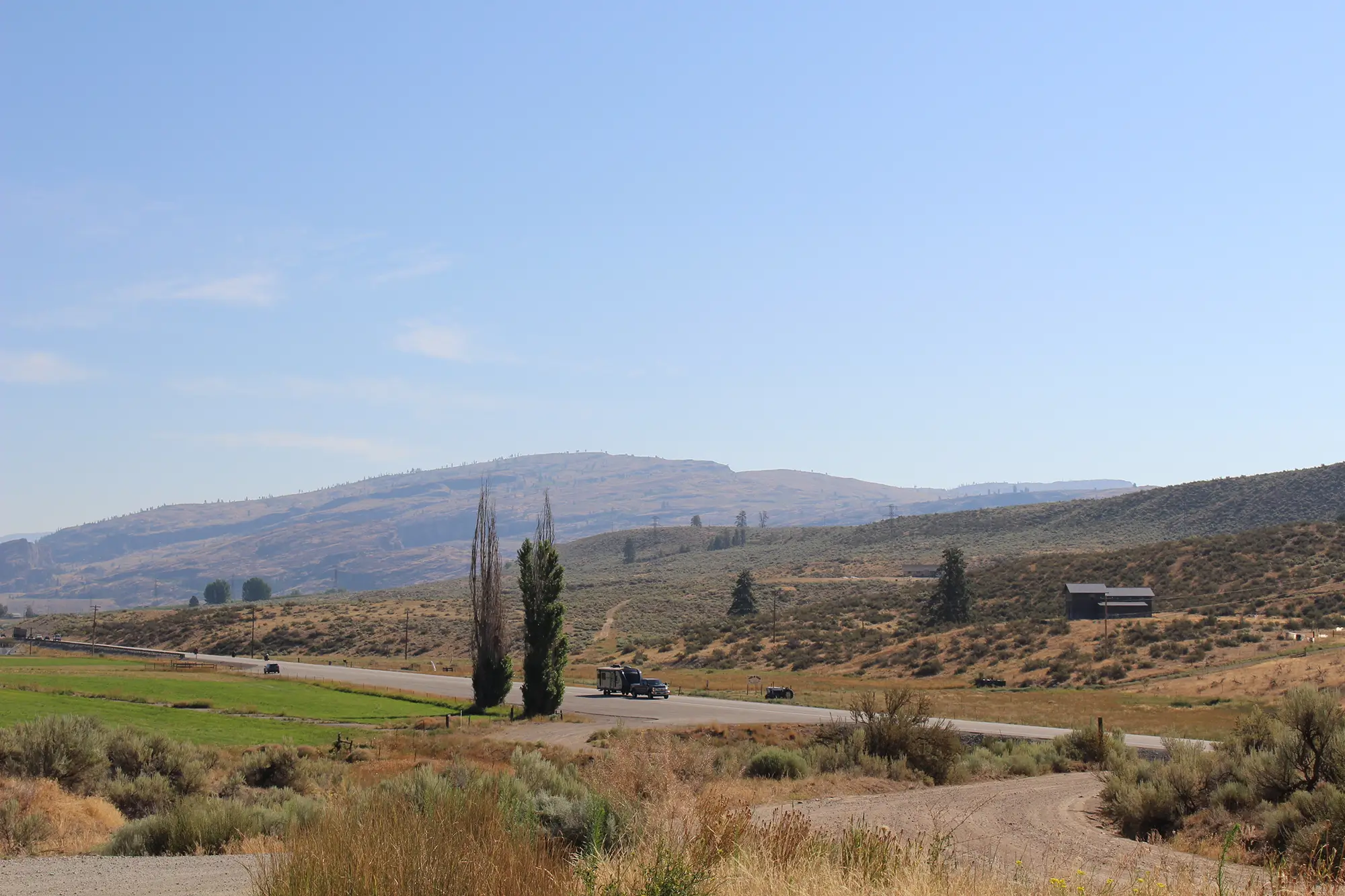
The program has protected high value working lands that maintain shrub steppe connectivity, including the 10,000 acre Figlinski Ranch, which was purchased and transferred to the Confederated Tribes of the Colville Reservation and enhanced with virtual fencing to keep this Kettles to Cascades pathway open.
Restoration Partnerships
Collaborative Habitat and Watershed Restoration with Local Producers
Since the early 2020s, the program has partnered with the Methow Okanogan Beaver Project and local producers to improve riparian and upland habitat, groundwater recharge, and ecological function across several thousand acres through instream restoration, native plant recovery, and virtual fence supported rotational grazing.