


Impact & Results
A History of Virtual Fencing
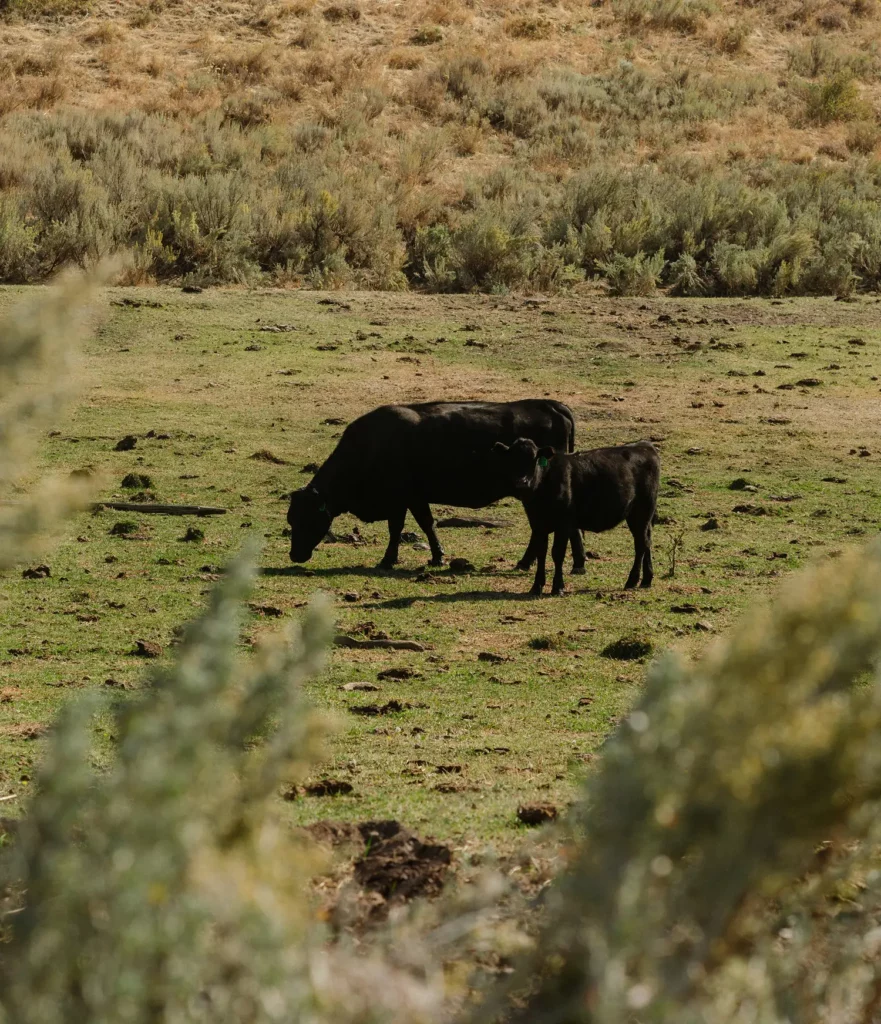
Virtual fencing has emerged as an innovative tool that supports both wildlife connectivity and sustainable ranching. Through partnerships, research, and on-the-ground implementation, Conservation Northwest has helped advance its adoption across the Northwest.
Recognizing and advancing the landscape scale potential of virtual fencing
Supporting landowners with practical, ecological, and economic benefits
Providing leadership through research and statewide guidance
Recognizing and advancing the landscape scale potential of virtual fencing
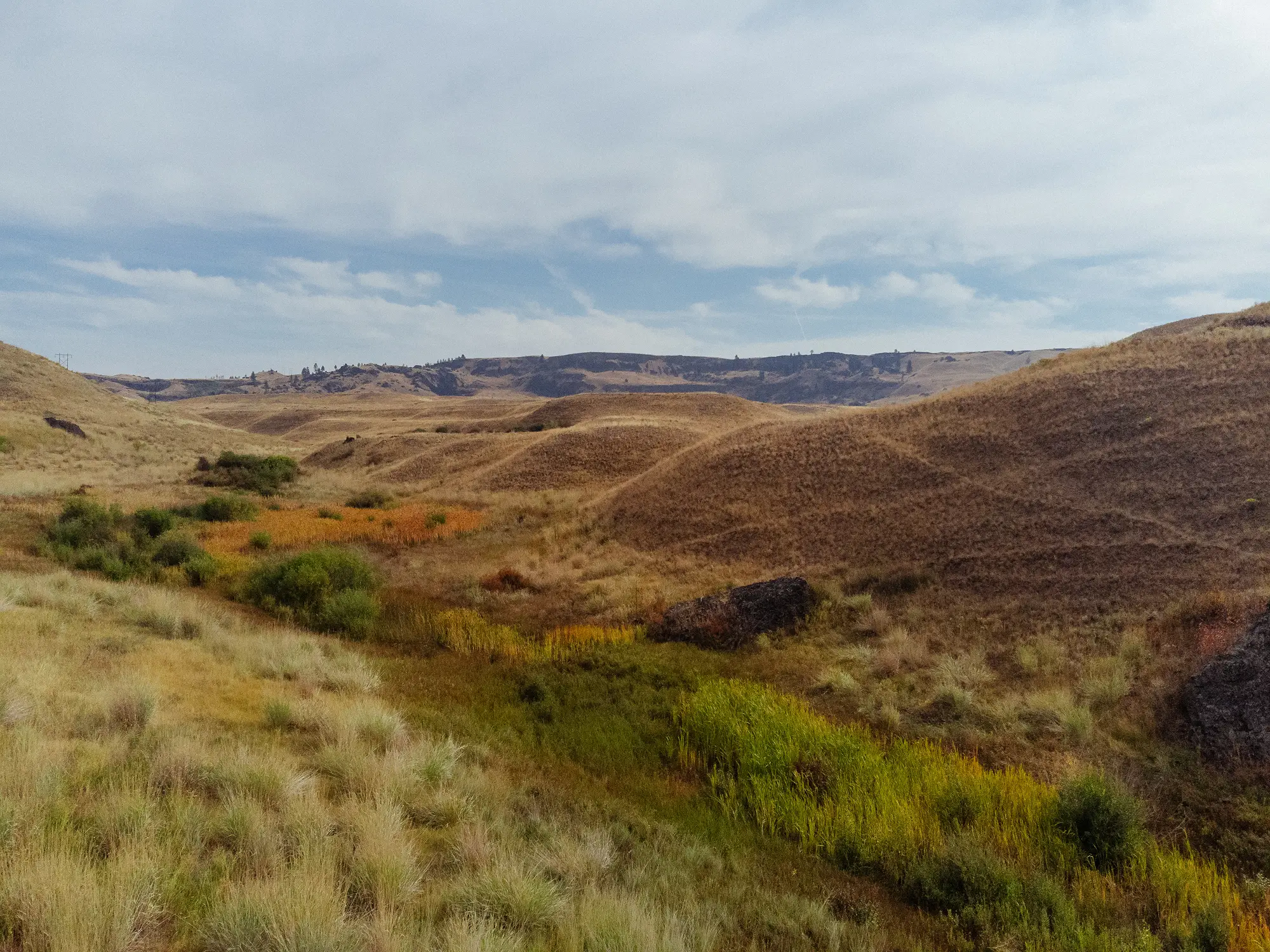
CNW quickly became an early leader in virtual fence technology, promoting it for its wildlife connectivity benefits and its value to ranchers recovering from wildfire. Staff acted as a bridge between vendors, funders, and producers, viewing virtual fencing as a rare win win that supports major connectivity goals while strengthening long term partnerships with landowners.
Supporting landowners with practical, ecological, and economic benefits
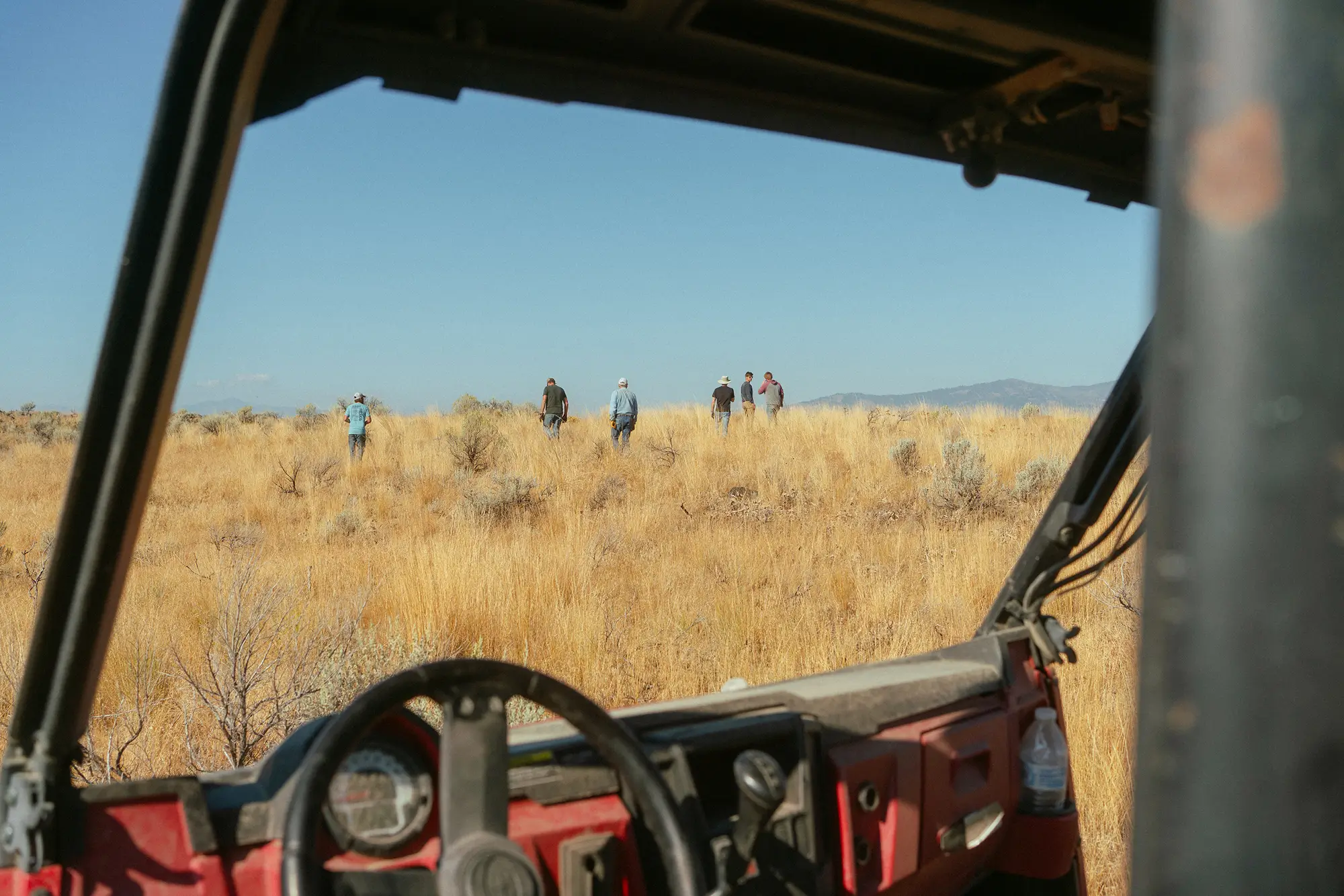
Virtual fencing reduces the need for hard fencing and gives landowners an affordable tool for managing grazing across large landscapes. It helps protect sensitive habitats, improve native vegetation and soil health, increase carbon sequestration, target invasive weeds, and lower labor and fencing costs. Herd management tools allow ranchers to track livestock locations, seasonal movements, and forage use, and to exclude animals from recently burned areas to support recovery.
Providing leadership through research and statewide guidance
In 2025, at WSRRI’s request, SHP staff produced an extensive report—Virtual Fence Information Gathering and Synthesis of Management Recommendations—based on interviews with dozens of ranchers, researchers, and three virtual fence vendors. The report is now widely distributed, helping landowners match products to their needs and giving funders clarity on vendor differences. This work reflects SHP’s long term commitment to advancing virtual fencing as a tool for improving connectivity.
Expanding Adoption
Scaling Virtual Fencing Across Hundreds of Thousands of Acres
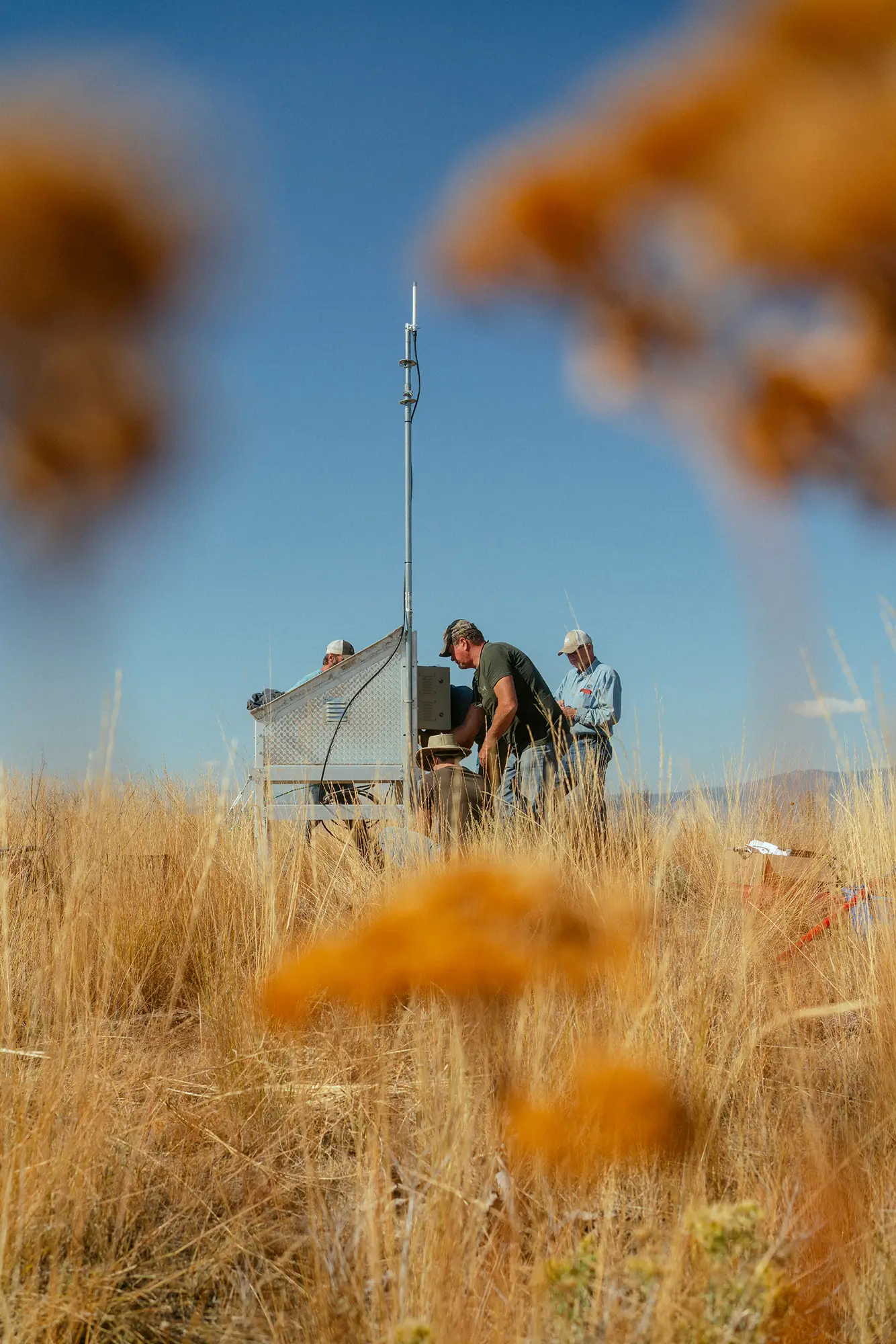
Between 2021 and 2026, the program funded or facilitated virtual fencing with 11 landowners across more than 400,000 acres, collaring over 3,500 cattle on private, Tribal, state, federal, and NGO lands, and helping spur more than 25 additional projects statewide while advancing NRCS and WSRRI cost share support for virtual fence adoption.
British Columbia Pilot
Launching the First Virtual Fence Project in British Columbia
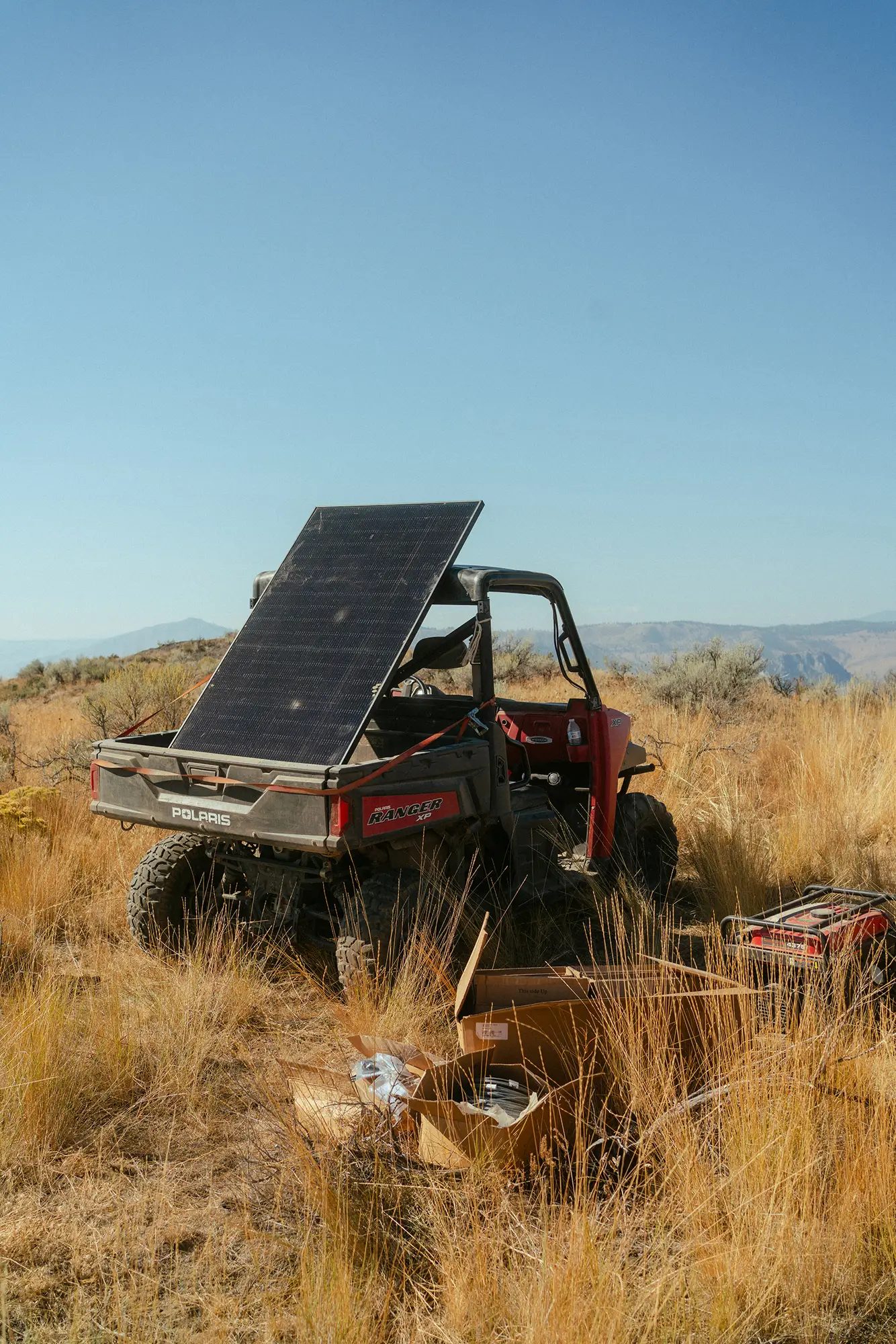
In 2024, the program enabled the first virtual fence project in British Columbia by purchasing base stations for a rancher managing 8,000 hectares of post fire grazing lands, preventing more than 15 miles of burned fence from being rebuilt and accelerating virtual fence adoption across the province.
Outreach & Education
Building Regional and National Support for Virtual Fencing
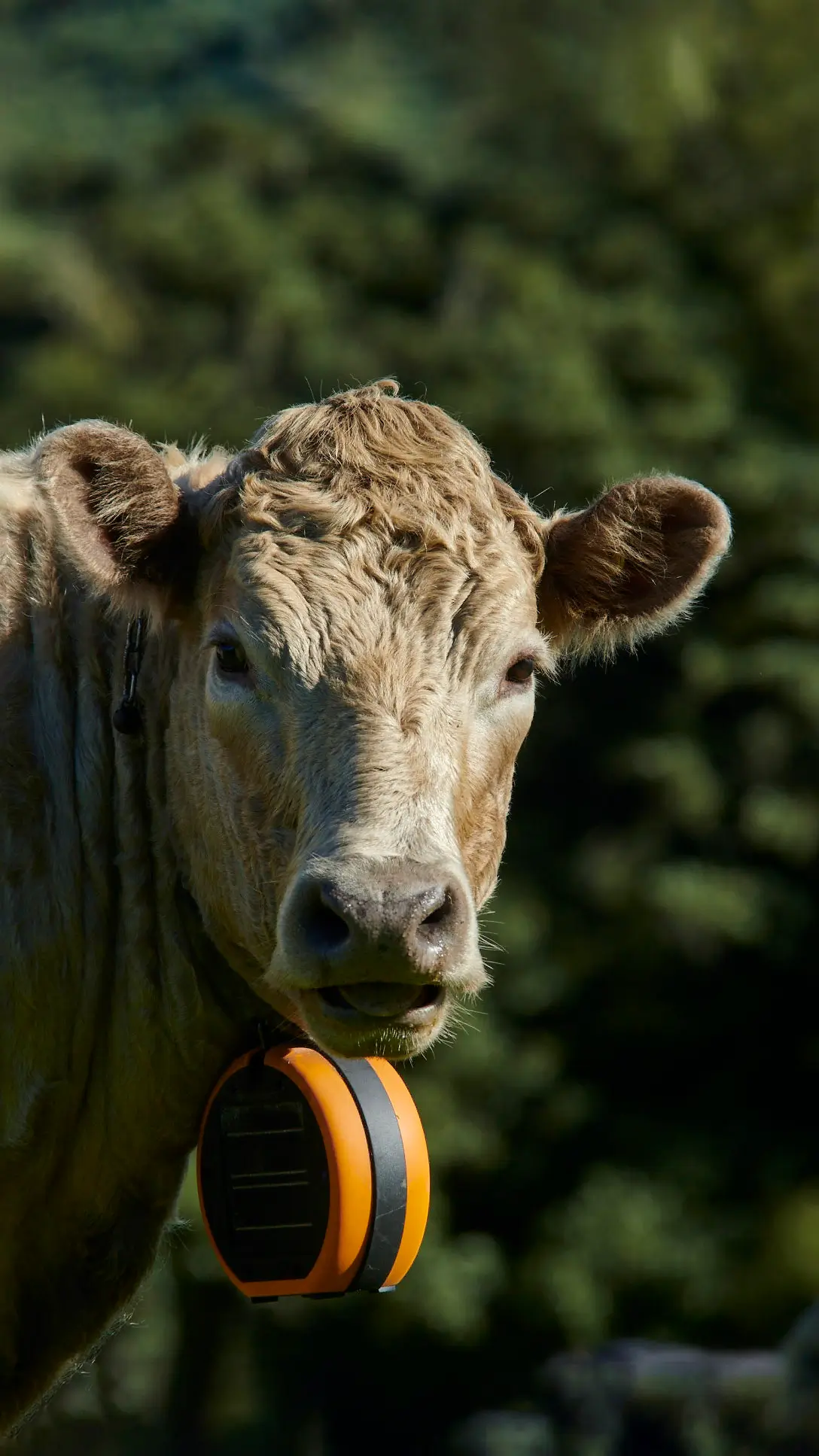
Since the early 2020s, the program has led regional and national outreach to scale virtual fencing, reaching thousands through workshops, presentations, and a National Fish and Wildlife Foundation–supported pilot project and video, and sharing lessons with researchers, ranchers, Tribes, and conservation partners across the U.S. and Canada.
