


Impact & Results
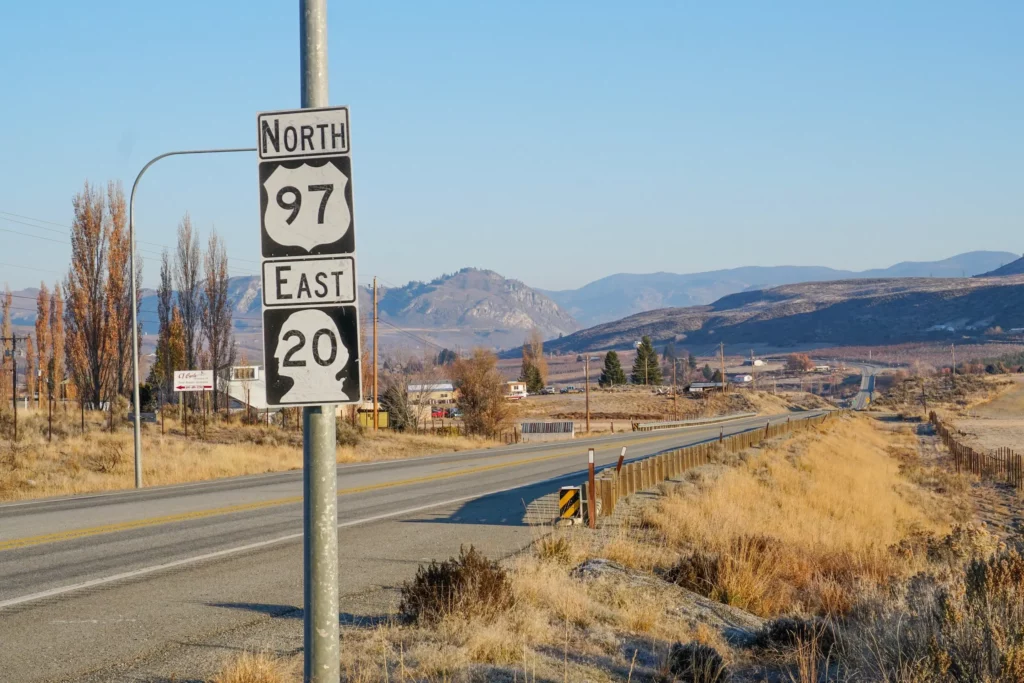
A History of of Safe Passage - Highway 97
Safe Passage 97 has grown through long-term collaboration to reduce wildlife collisions and improve connectivity. Early successes like the Janis Bridge retrofit and secured funding have supported expansion toward a full corridor crossing network.
Building broad public, political, and Tribal support
Phase I success: Janis Bridge retrofit and dramatic collision reduction
Securing major funding to advance Phase II
Building broad public, political, and Tribal support
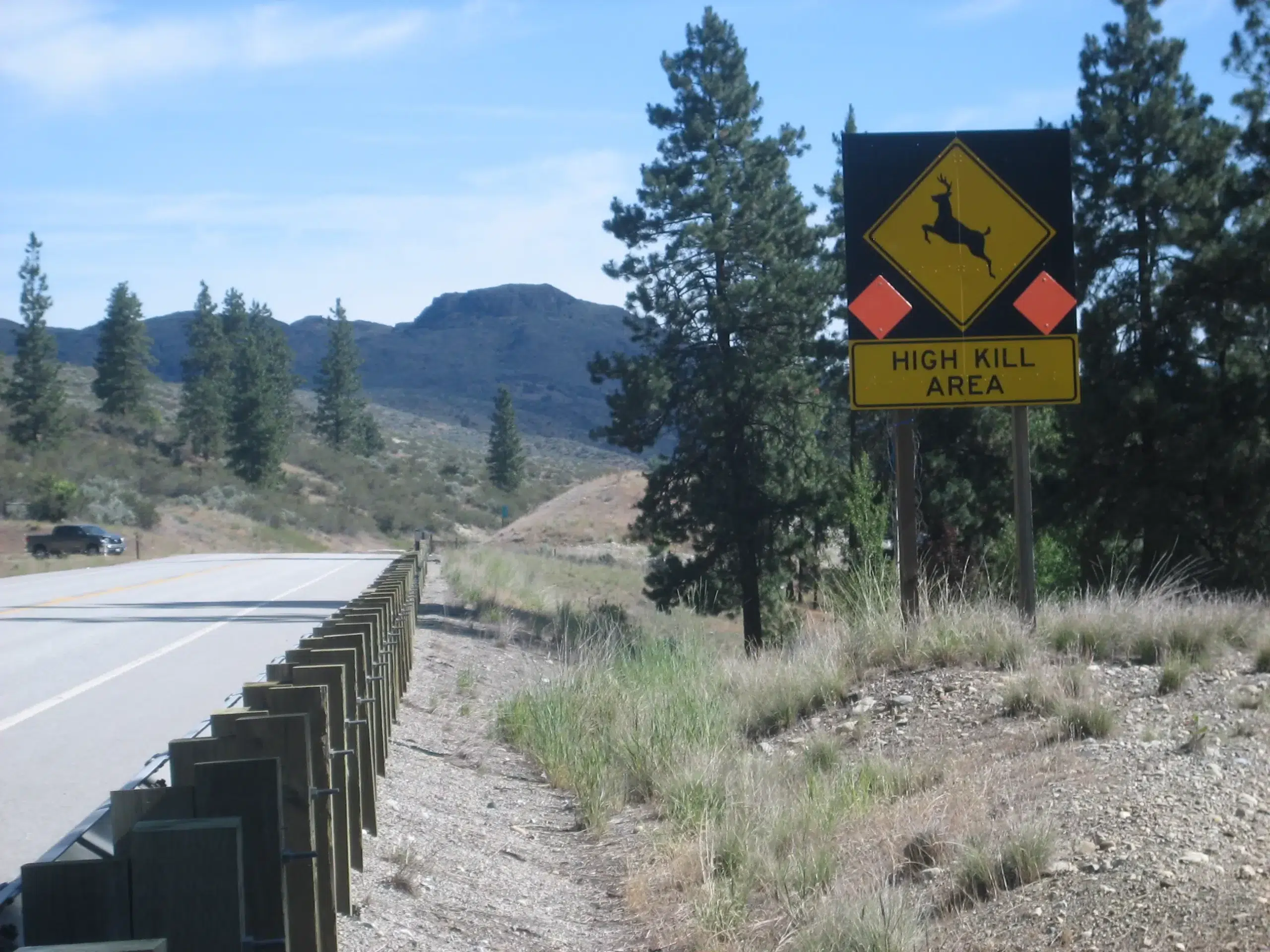
For more than a decade, Conservation Northwest has built strong backing for Safe Passage 97 by partnering with groups like the Mule Deer Foundation and Backcountry Hunters & Anglers and engaging thousands of community members across the region and state.
Phase I success: Janis Bridge retrofit and dramatic collision reduction
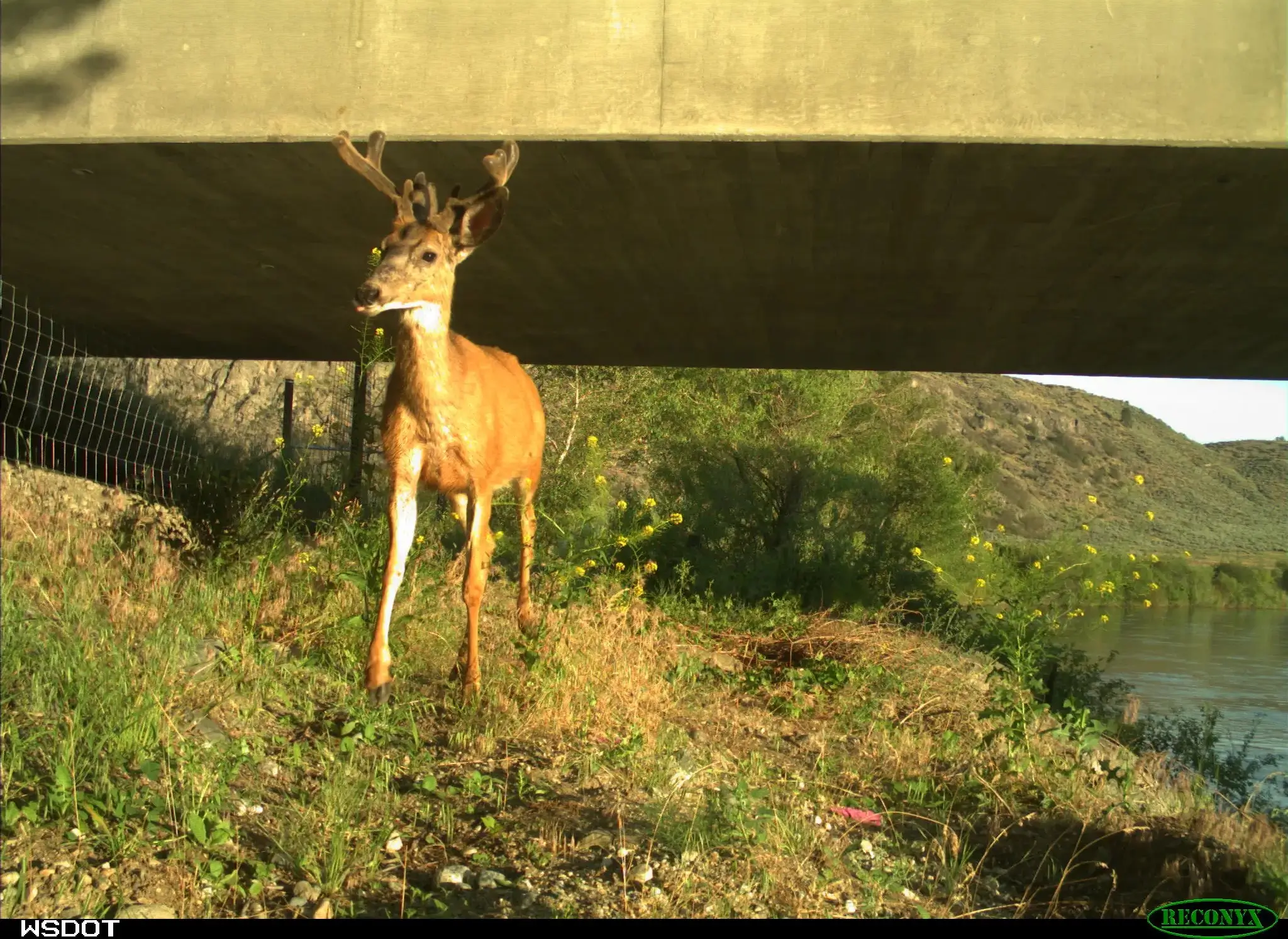
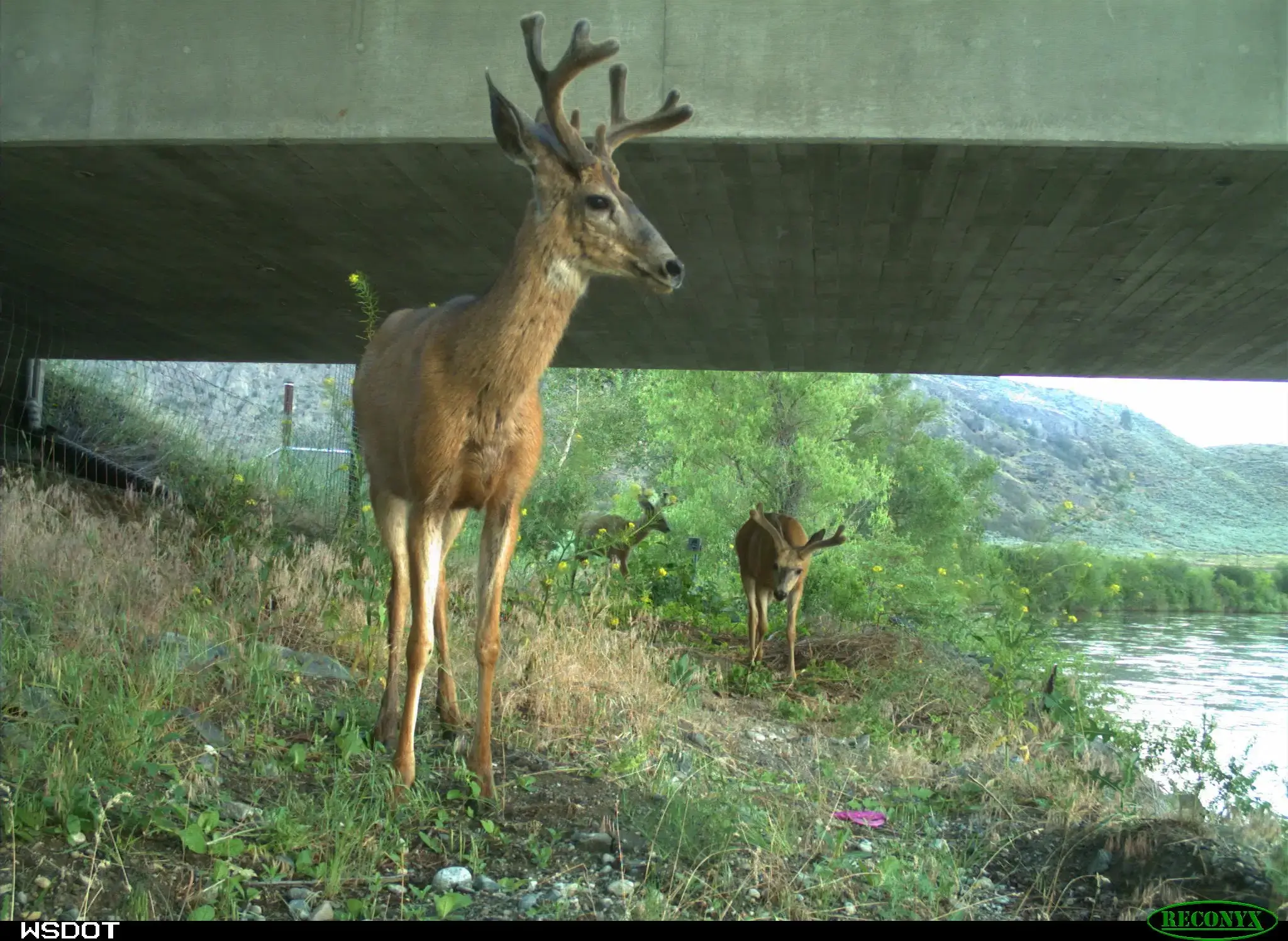
In 2020, $220,000 in donor contributions funded the retrofit of Janis Bridge into a wildlife undercrossing and one mile of directional fencing. Within two years, wildlife vehicle collisions in that segment dropped by 91%, and cameras now document more than 2,000 wildlife crossings per year under the bridge.
Securing major funding to advance Phase II
In 2022, the success of Phase I helped secure $3.7 million from the Washington Legislature, which is now being used as match for an additional $14 million in grant applications to extend the project another five miles south. Staff will continue pursuing all available funding to ultimately complete the full 12 mile corridor and protect both people and wildlife.
Phase I Results
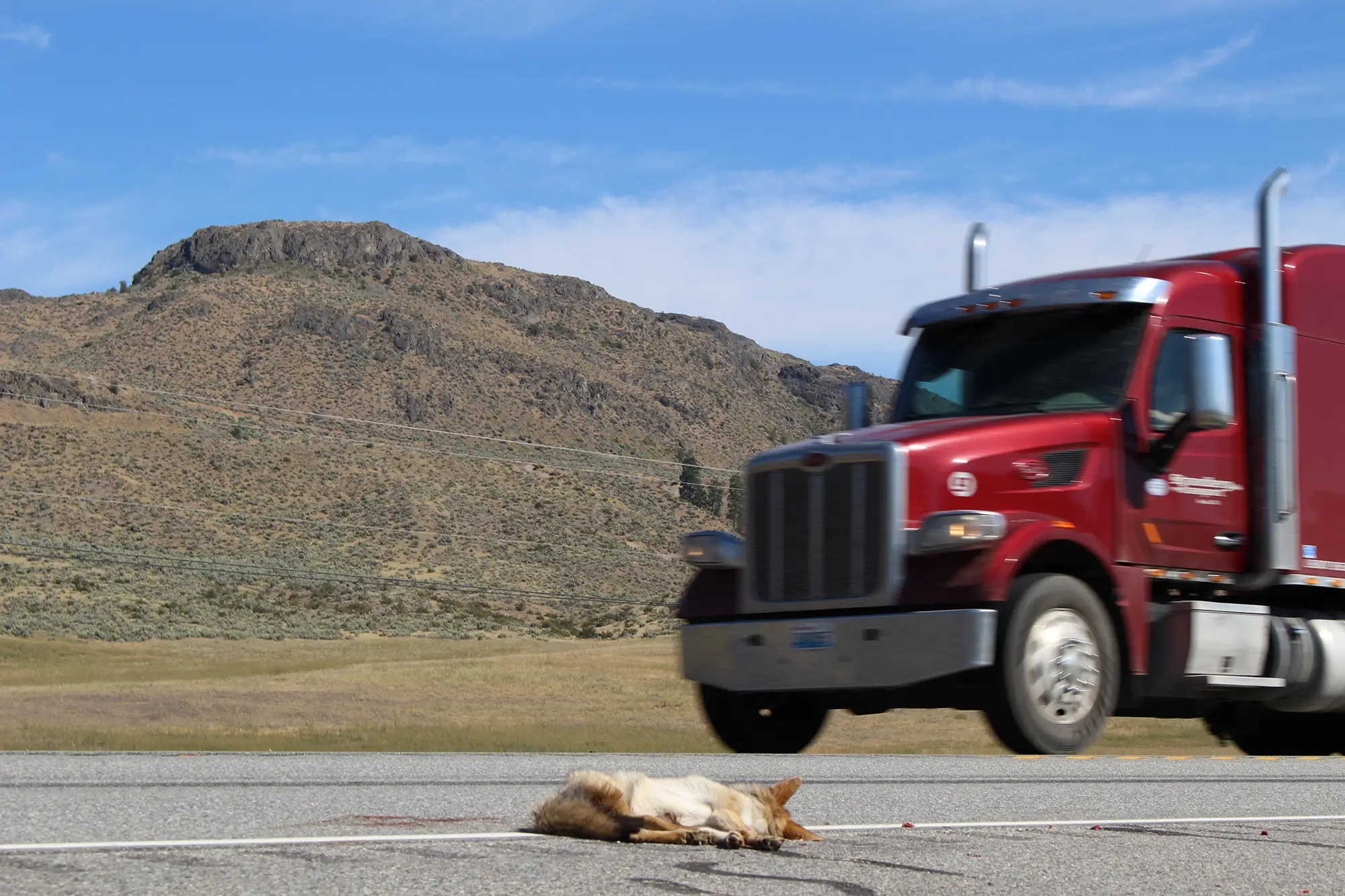
Dramatic Reduction in Wildlife Vehicle Collisions Through Janis Bridge Crossing
In Phase I (completed mid 2020s), the program reduced wildlife vehicle collisions from roughly 40 per year to three or fewer, demonstrating the effectiveness of the Janis Bridge undercrossing and associated fencing for mule deer, lynx, and other species.
Wildlife Connectivity Validation
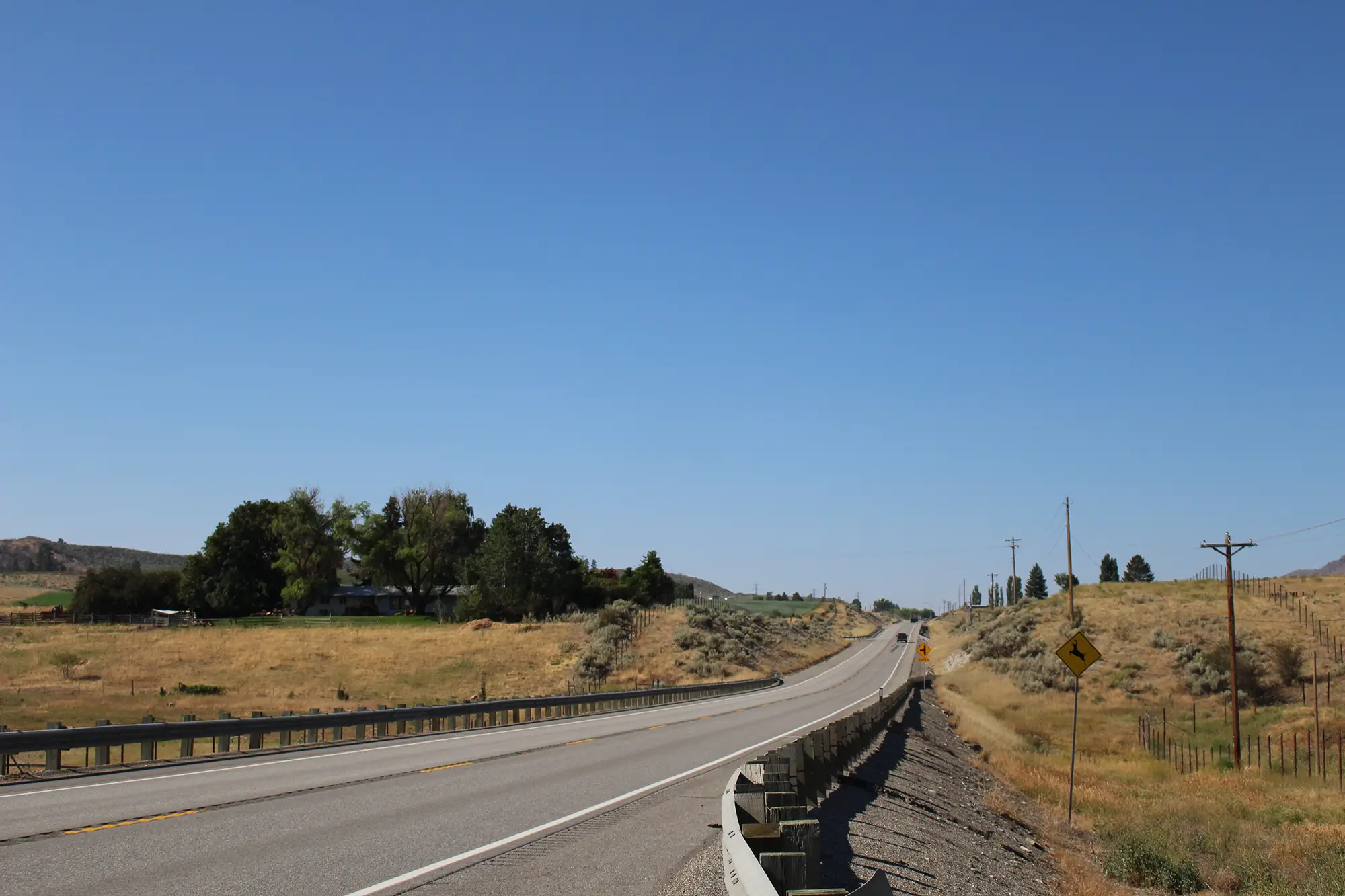
GPS Collared Lynx Confirm Landscape-Scale Movement Across Highway 97
In 2025, GPS collared lynx successfully crossed Highway 97 within the project area, providing clear evidence that this corridor supports landscape-scale connectivity between the Colville Reservation and the Loomis.
Phase II Expansion
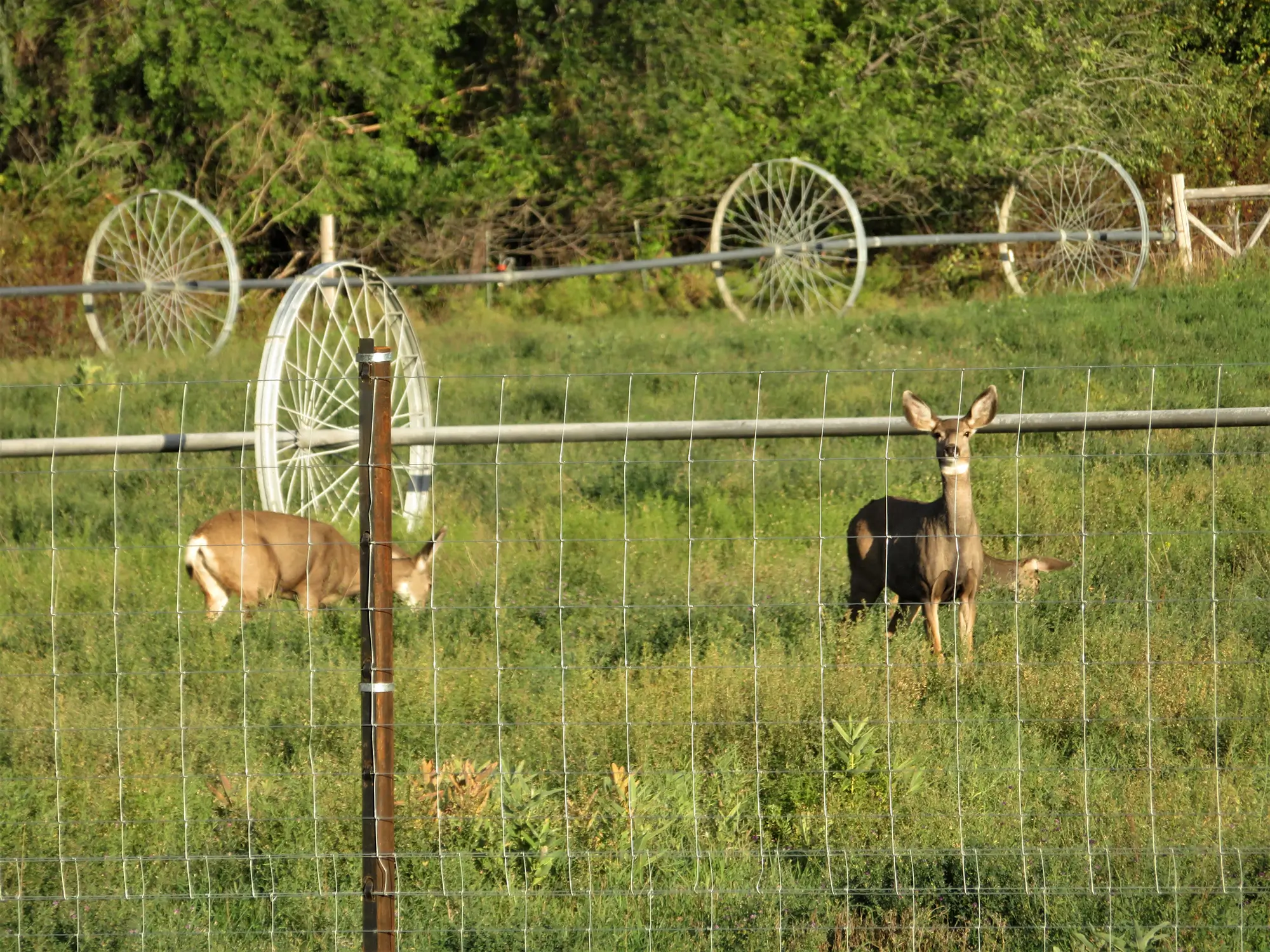
Advancing Funding and New Wildlife Crossing Infrastructure
The program has advanced Phase II by refining federal funding applications and building bipartisan support for permanent Wildlife Crossing Pilot Program funding, while identifying two additional crossing structures and more than five miles of planned fencing to extend safe passage along the corridor.


