

Impact & Results
A History of Central Cascades Watershed Restoration
Two decades of work in the Central Cascades has focused on restoring habitat connectivity around Snoqualmie Pass. Through partnerships, the program has supported restoration, land protection, and wildlife crossings across this key corridor.
Two decades of work restoring the Central Cascades “bottleneck”
Expanding restoration across adjacent public lands and watershed groups
Centering Tribal coordination and strong NGO partnerships
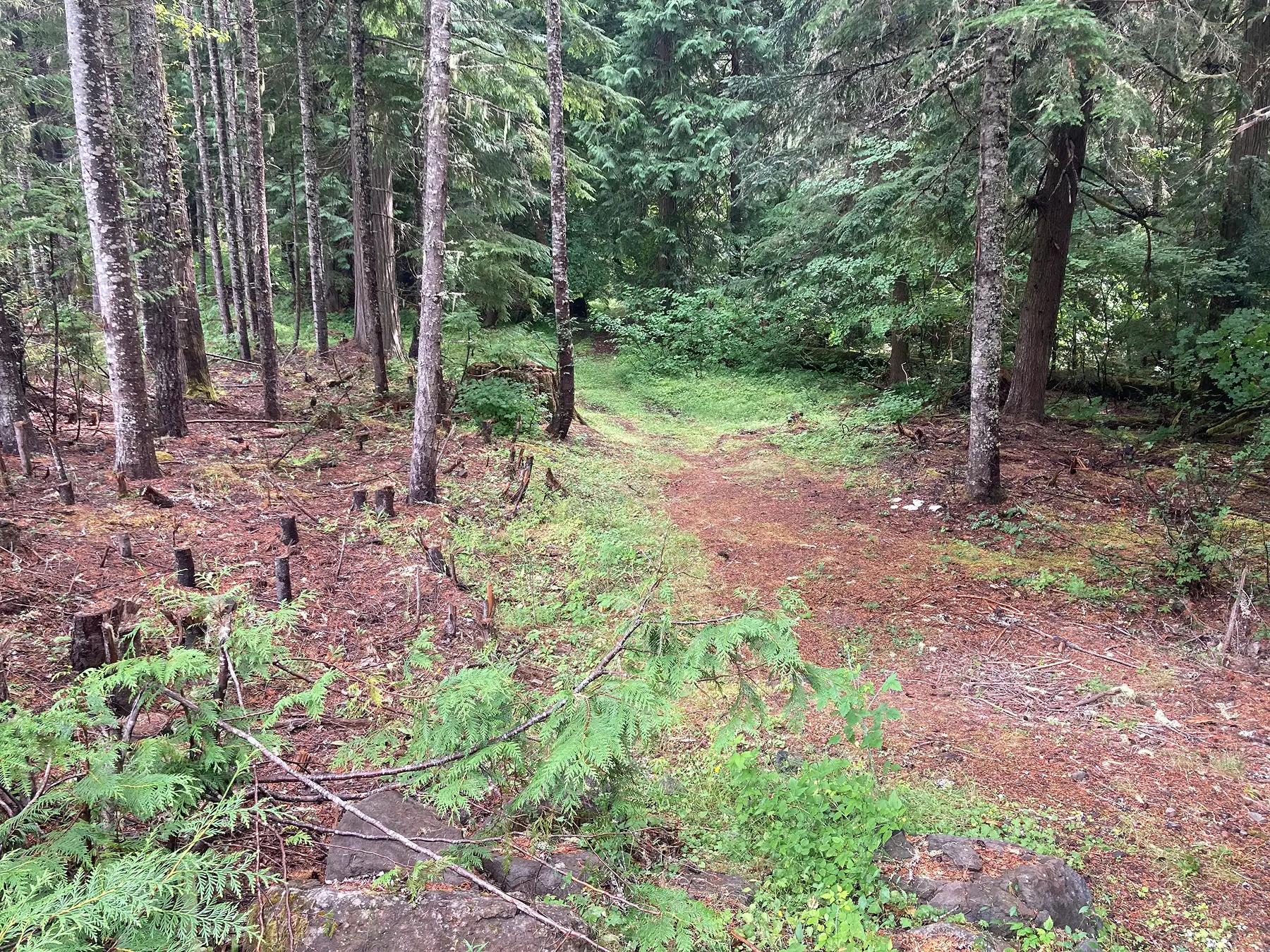
Two decades of work restoring the Central Cascades “bottleneck”
For more than 20 years, the program has focused on maintaining and restoring habitat connectivity around Snoqualmie Pass—the primary north–south linkage in Washington’s Cascade Mountains. Through The Cascades Conservation Partnership, 45,000 acres of private forest threatened by development were purchased and protected as public land. Through the I 90 Wildlife Corridor Campaign, staff led a coalition that secured more than twenty wildlife crossings, while also conducting wildlife monitoring and habitat restoration in key areas near the interstate.
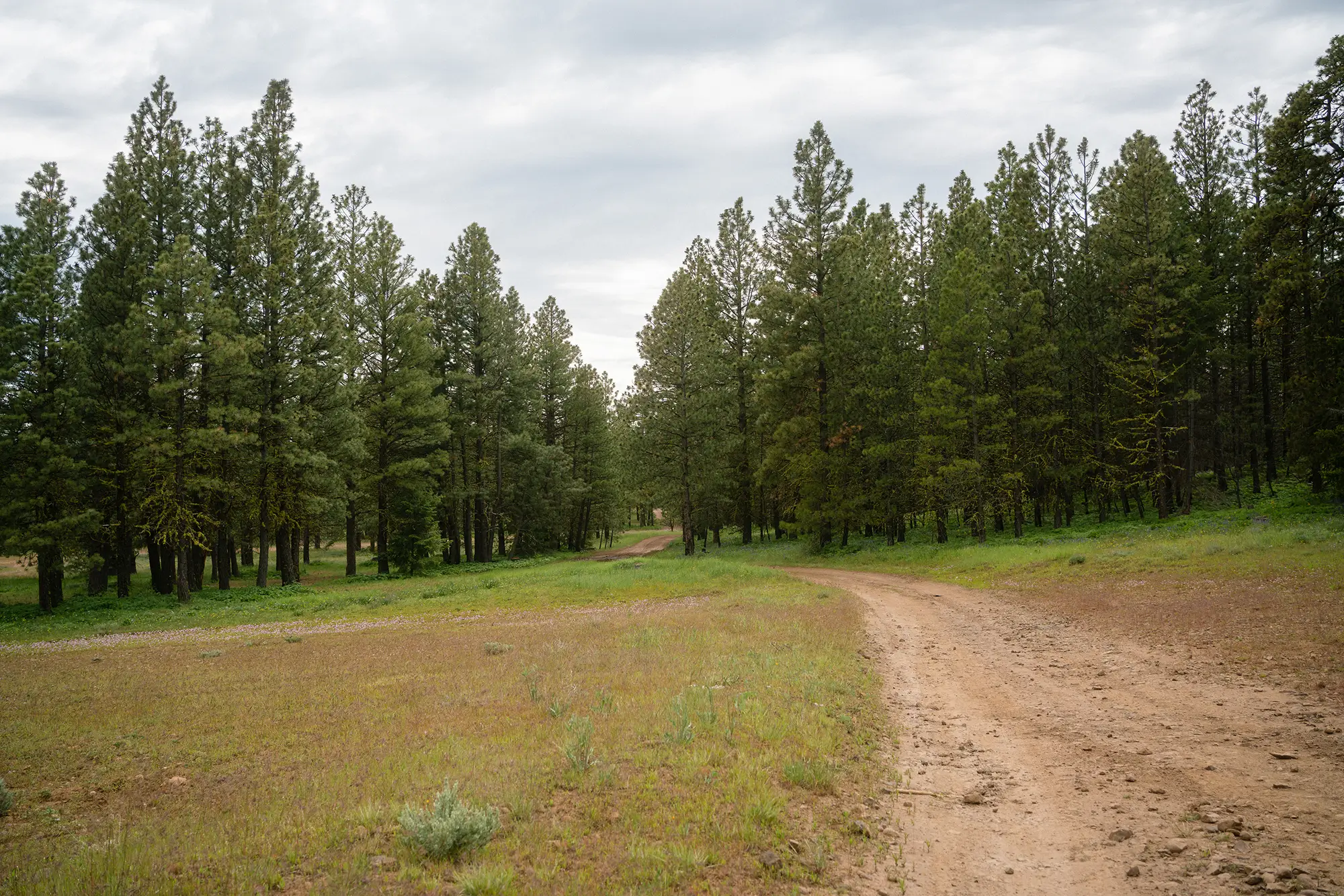
Expanding restoration across adjacent public lands and watershed groups
Cascade Watershed Restoration builds on this foundation by connecting and restoring high quality habitat across the surrounding public lands that wildlife depend on to move through the landscape. While the primary focus is on upland watershed areas most important for north–south connectivity, the program also works through collaborative watershed groups—including the Naches Forest Partnership, Tacoma Water, and WRIA planning bodies for the Green Duwamish and Puyallup White—to ensure restoration efforts contribute meaningfully across the broader landscape.
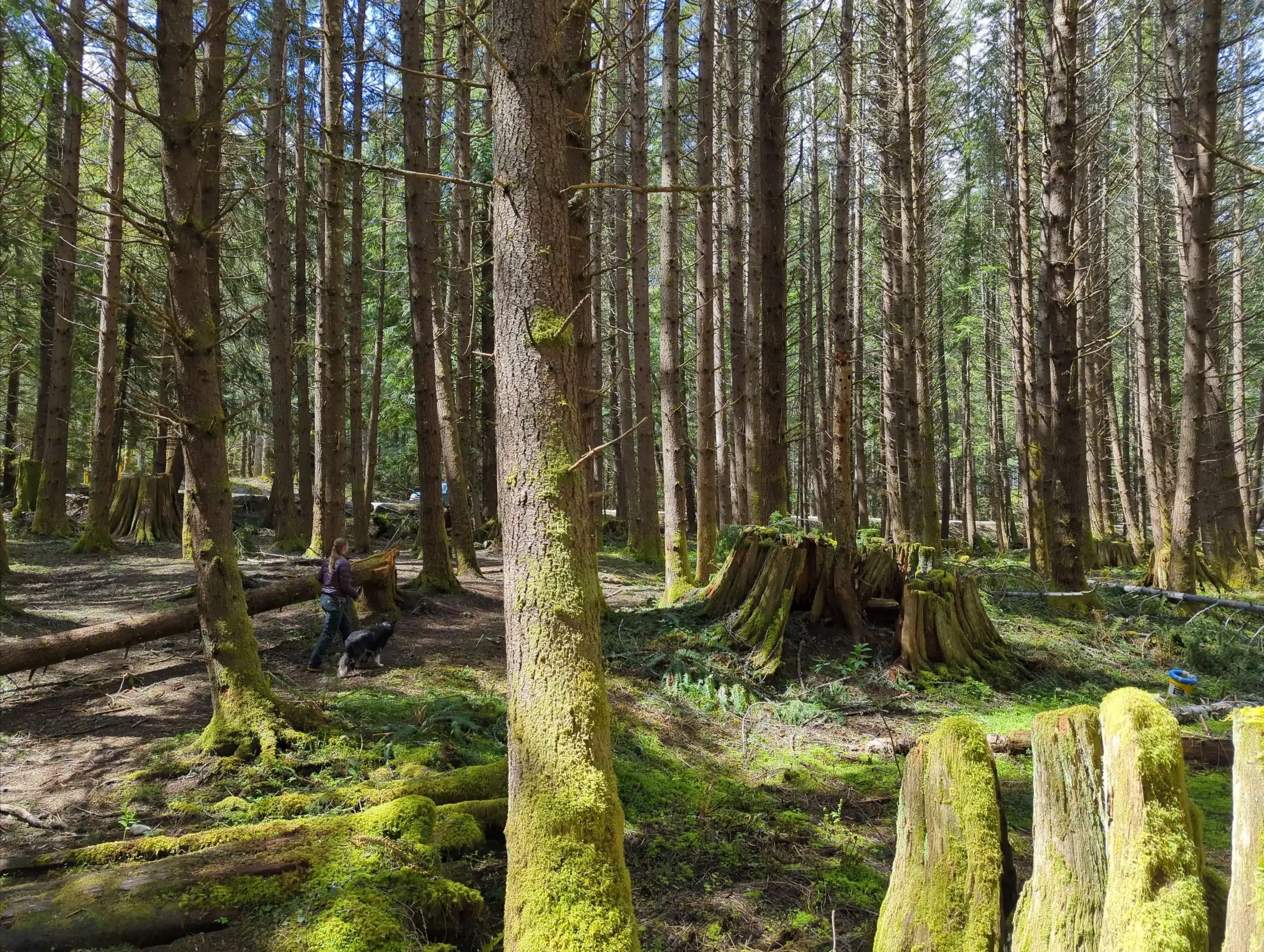
Centering Tribal coordination and strong NGO partnerships
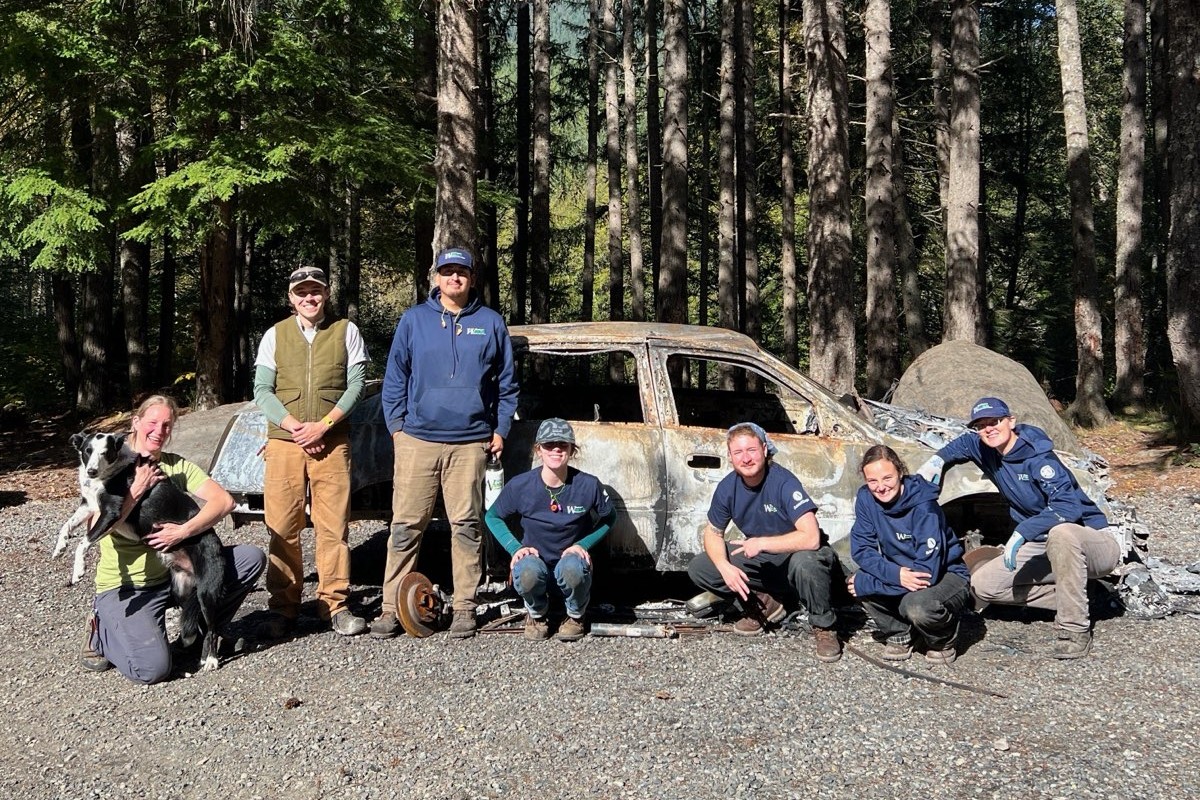
A core component of the work is coordination with the Yakama Nation, Muckleshoot, Tulalip, and Snoqualmie Tribes, along with other Indigenous peoples whose homelands and stewardship shape this region. Key NGO partners include Trout Unlimited, EarthCorps, Washington Conservation Corps, Ruffed Grouse Society, Rocky Mountain Elk Foundation, Washington Trails Association, The Nature Conservancy, and Forterra—organizations that help advance restoration, monitoring, and sustainable recreation across the Central Cascades.
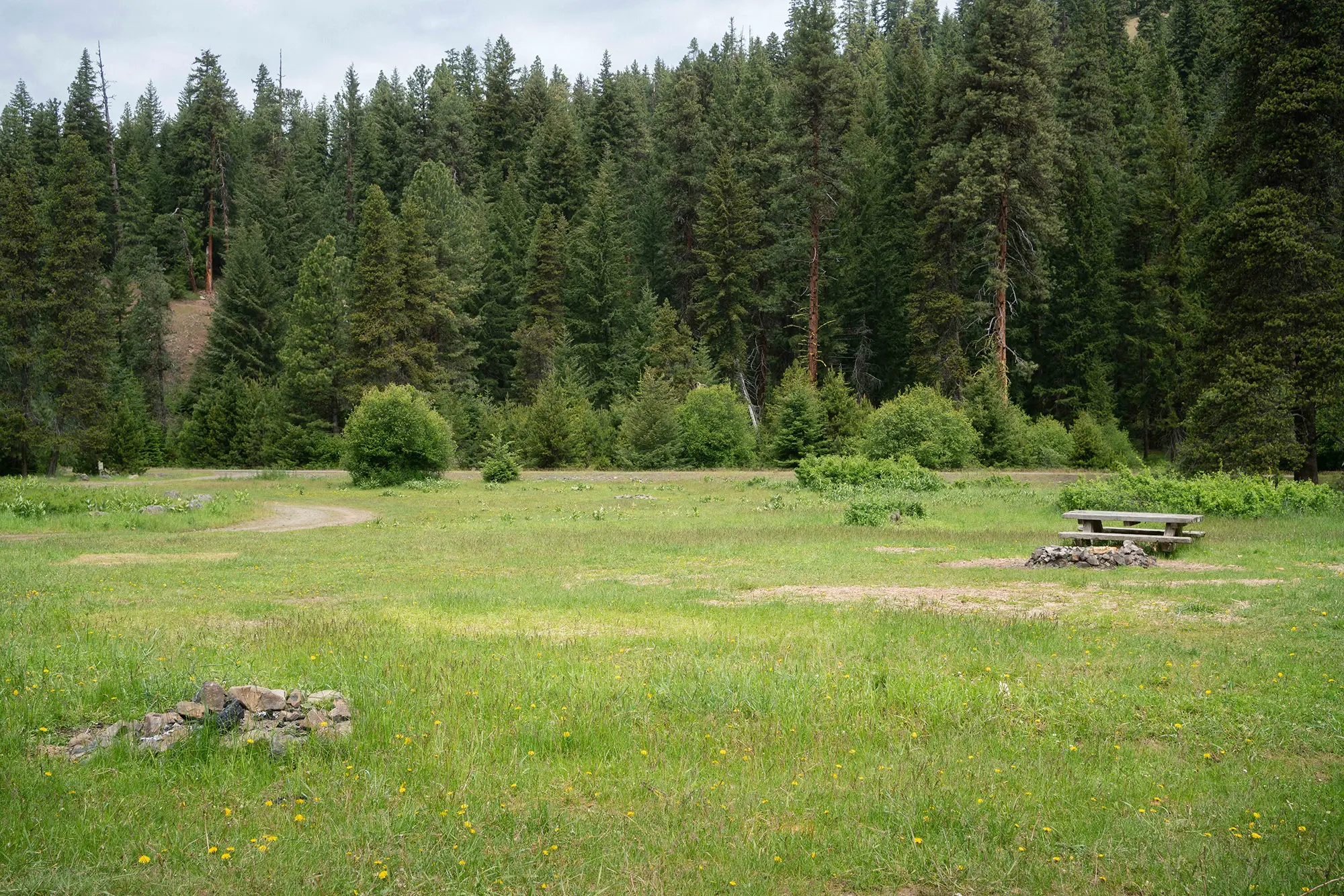
Snoquera Landscape Restoration Project
Large-Scale Watershed Restoration Investment
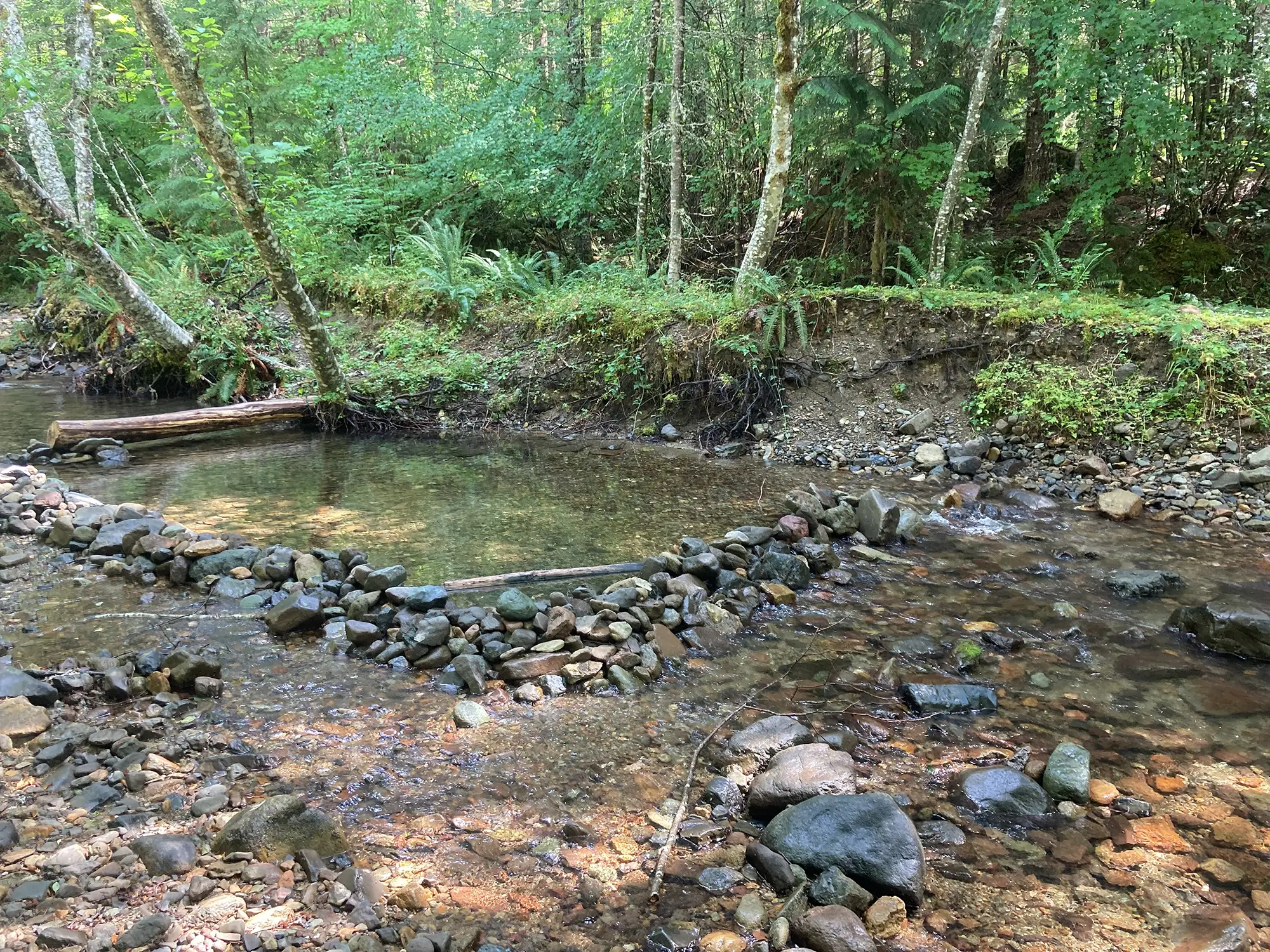
Since the early 2020s, the program has secured nearly $1 million for the Snoquera Landscape Restoration Project, advancing large-scale forest, riparian, and aquatic restoration across 191,000 acres in partnership with the Muckleshoot Indian Tribe and Trout Unlimited.
Upper Green River Watershed Collaboration
Protecting Drinking Water and Wildlife Habitat
The program has strengthened multi-agency collaboration in the Upper Green River watershed, supporting conservation across a 231 square mile landscape that supplies drinking water to nearly one million residents and anchors critical habitat and wildlife connectivity.