

Impact & Results
A History in the Cascades to Olympics Region
For decades, the Cascades to Olympics region has been recognized as one of Washington’s most important wildlife connectivity landscapes. Through partnerships and science based planning, Conservation Northwest has helped reconnect habitats, improve wildlife movement, and advance ecological restoration across the region.
Long-term landscape vision (pre-I-5 focus)
Coalition and partner mobilization
Mainstreaming connectivity into basin-scale planning
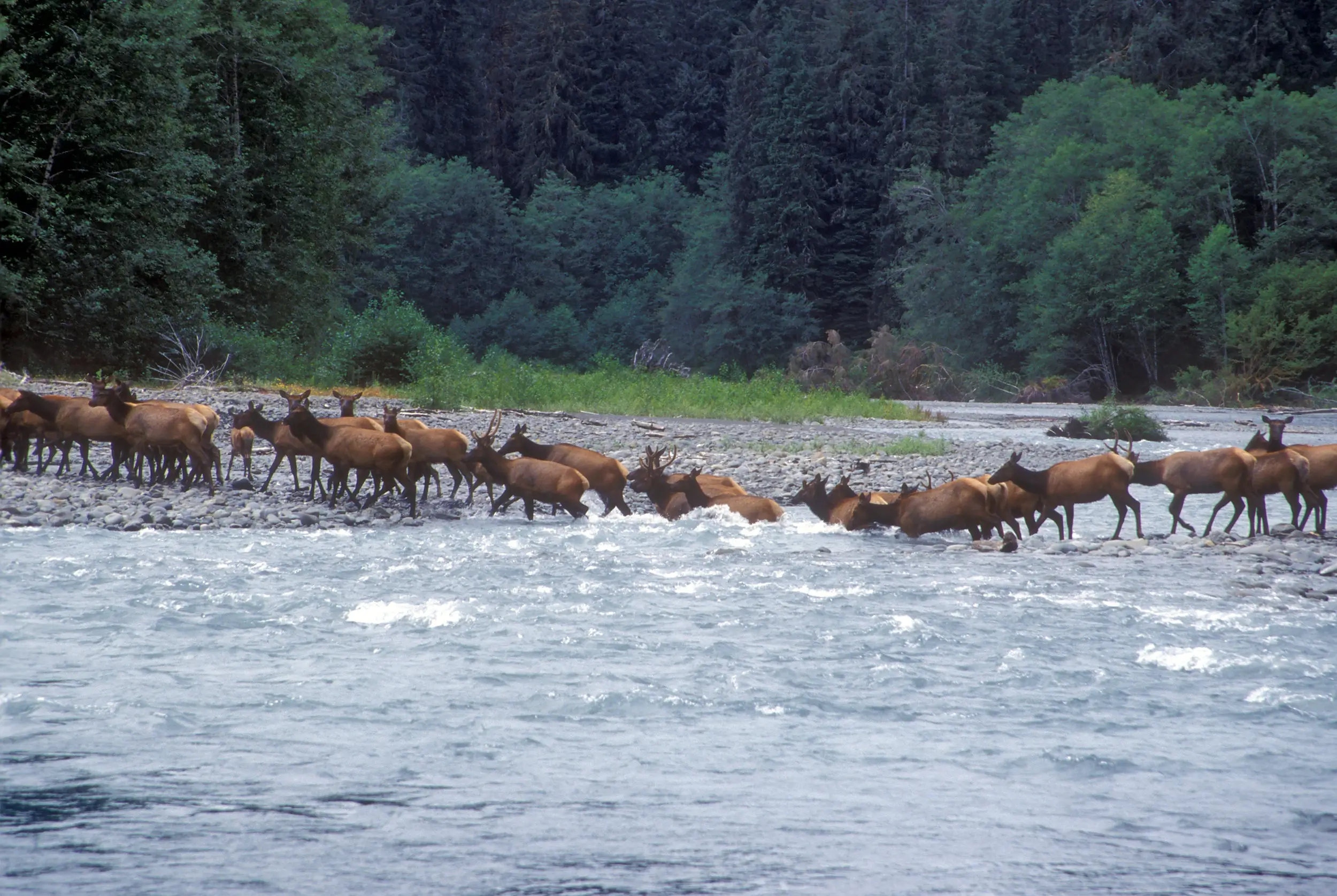
Long-term landscape vision (pre-I-5 focus)
Conservation Northwest helped elevate the Cascades–Olympics linkage as one of Washington’s highest-priority wildlife connectivity gaps well before major state investment, positioning the corridor alongside the better-known Cascades-to-Canada work.
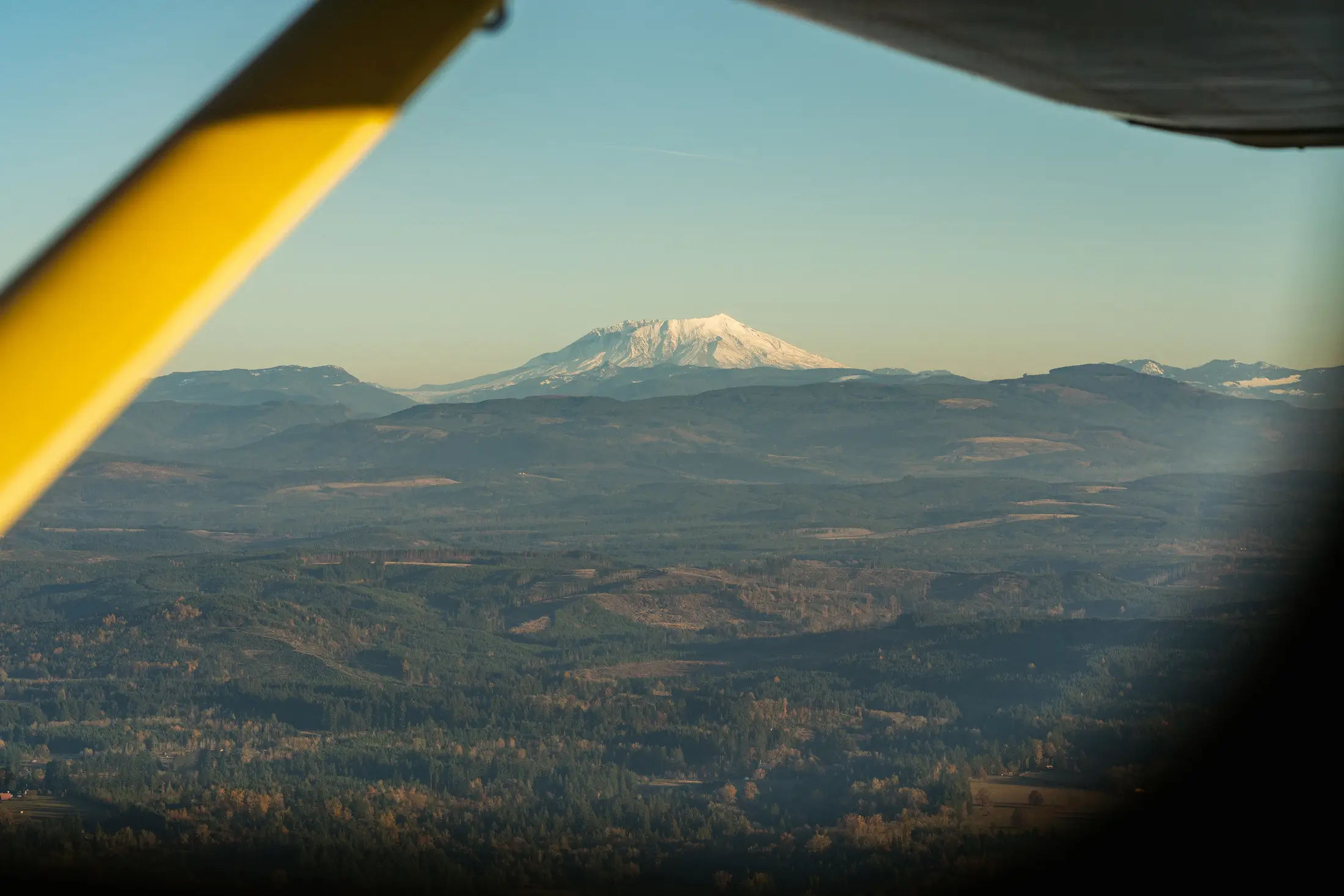
Coalition and partner mobilization
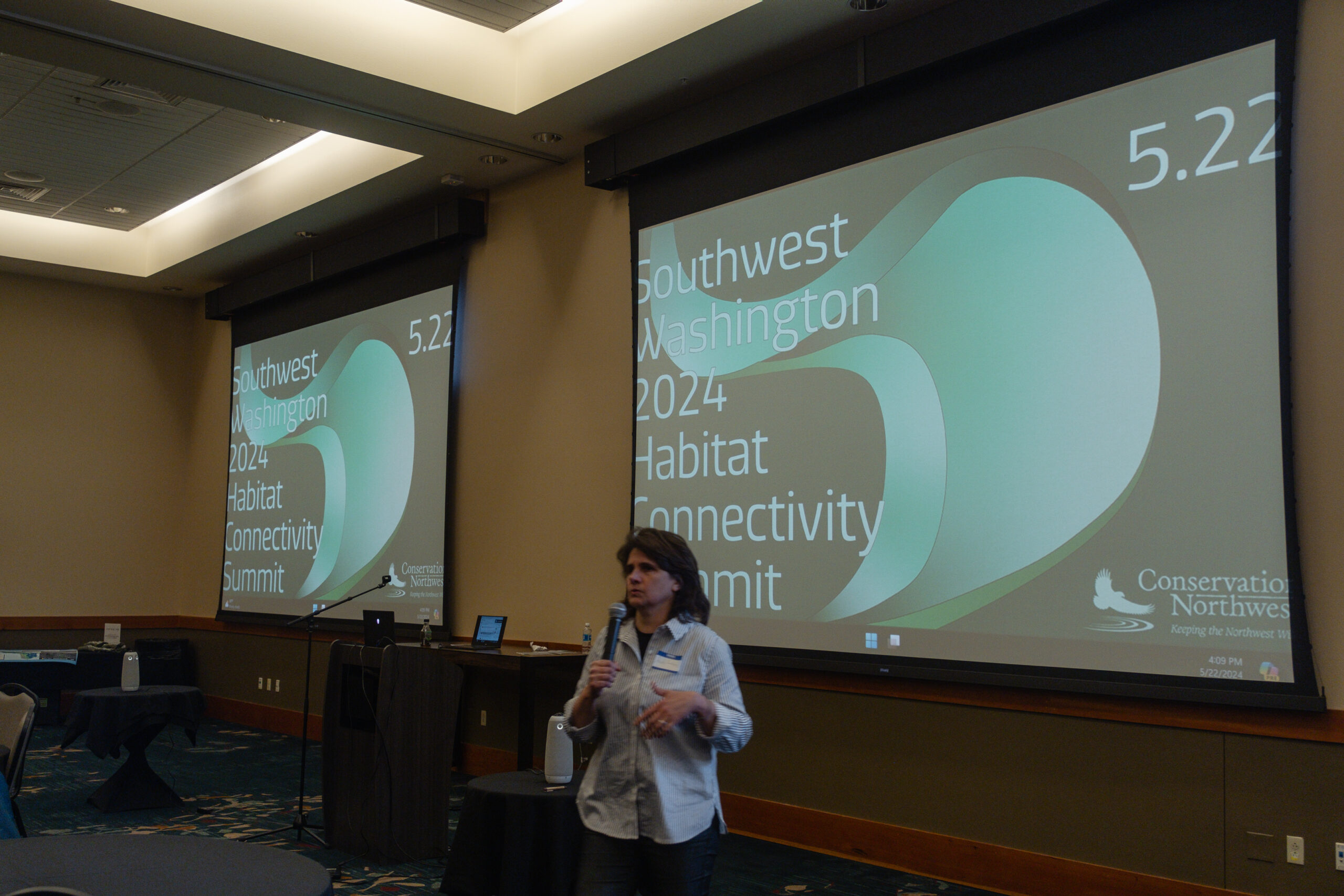
The program has played a key convening role with Tribes, transportation agencies, and regional collaboratives (including the Cascades to Coast effort) to build the political and technical support needed for large-scale crossing and habitat investments.
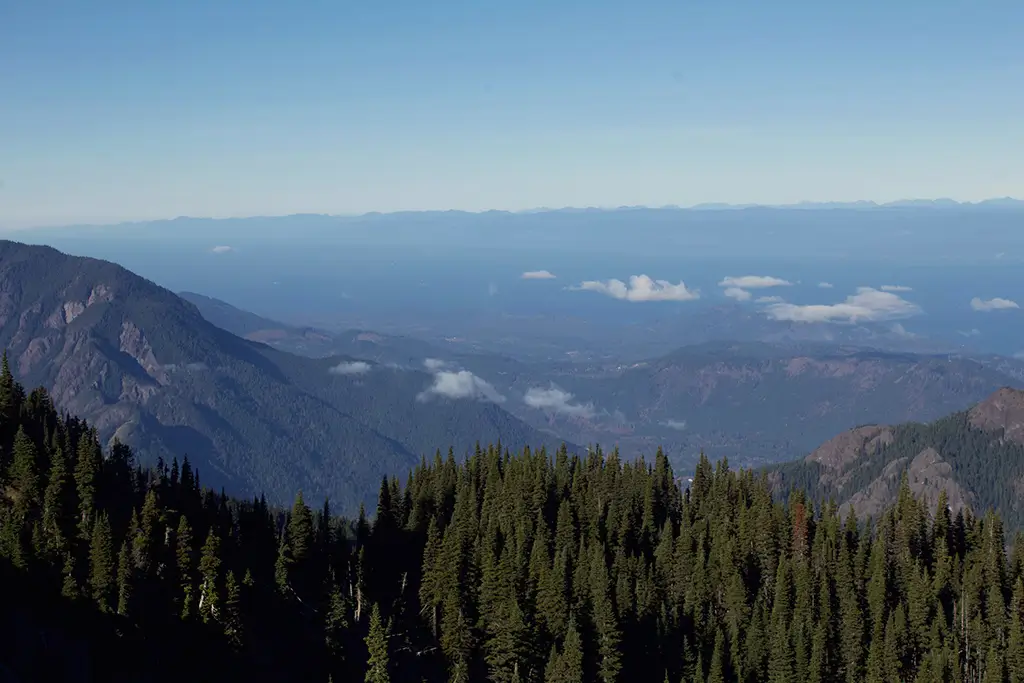
Mainstreaming connectivity into basin-scale planning
Through sustained engagement in the Chehalis Basin process, CNW helped embed wildlife connectivity and habitat function into what was historically a flood-control-dominated conversation — broadening the policy lens beyond single-purpose infrastructure.
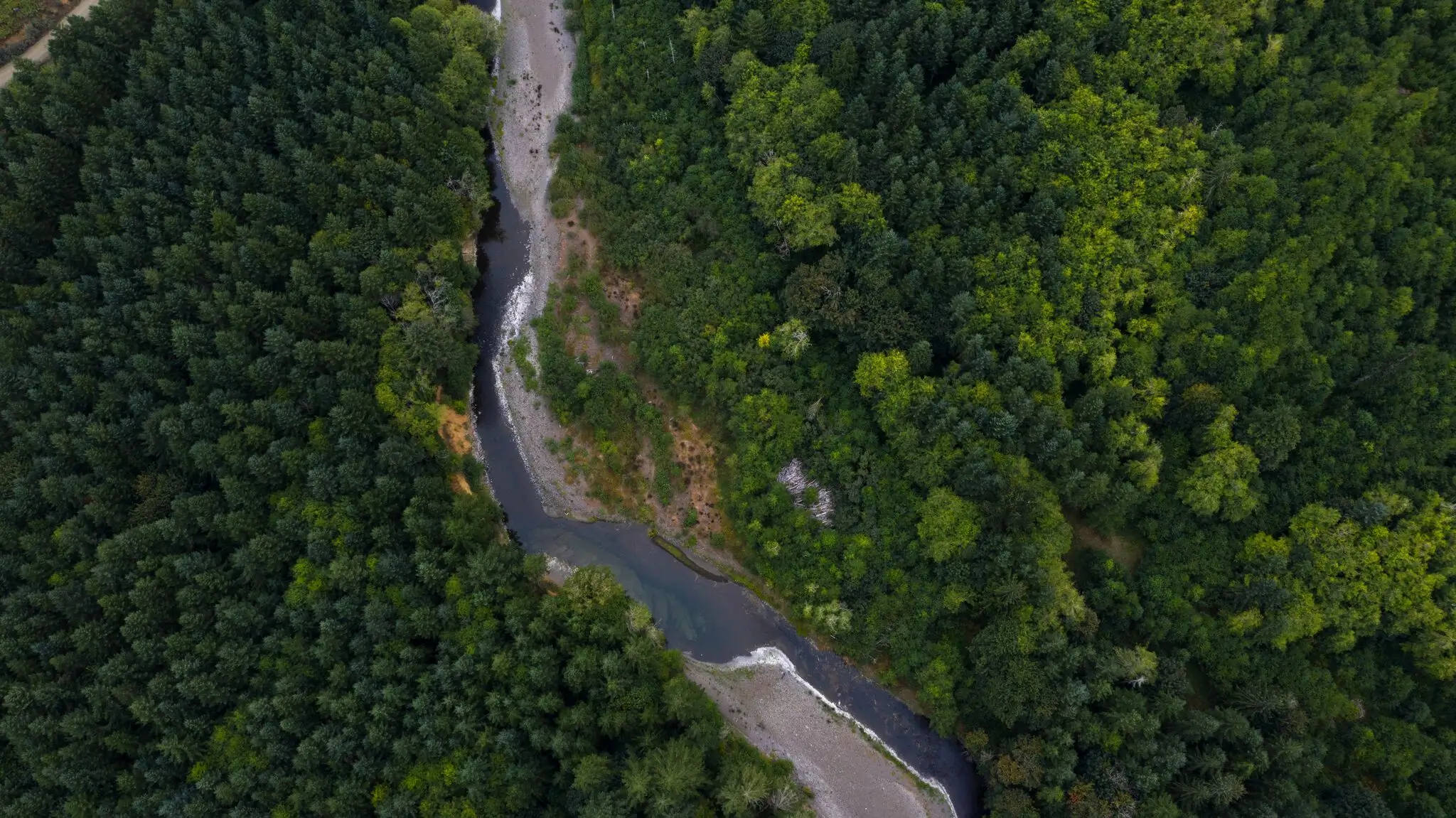
I-5 Wildlife Crossings
Science-Based Connectivity Planning
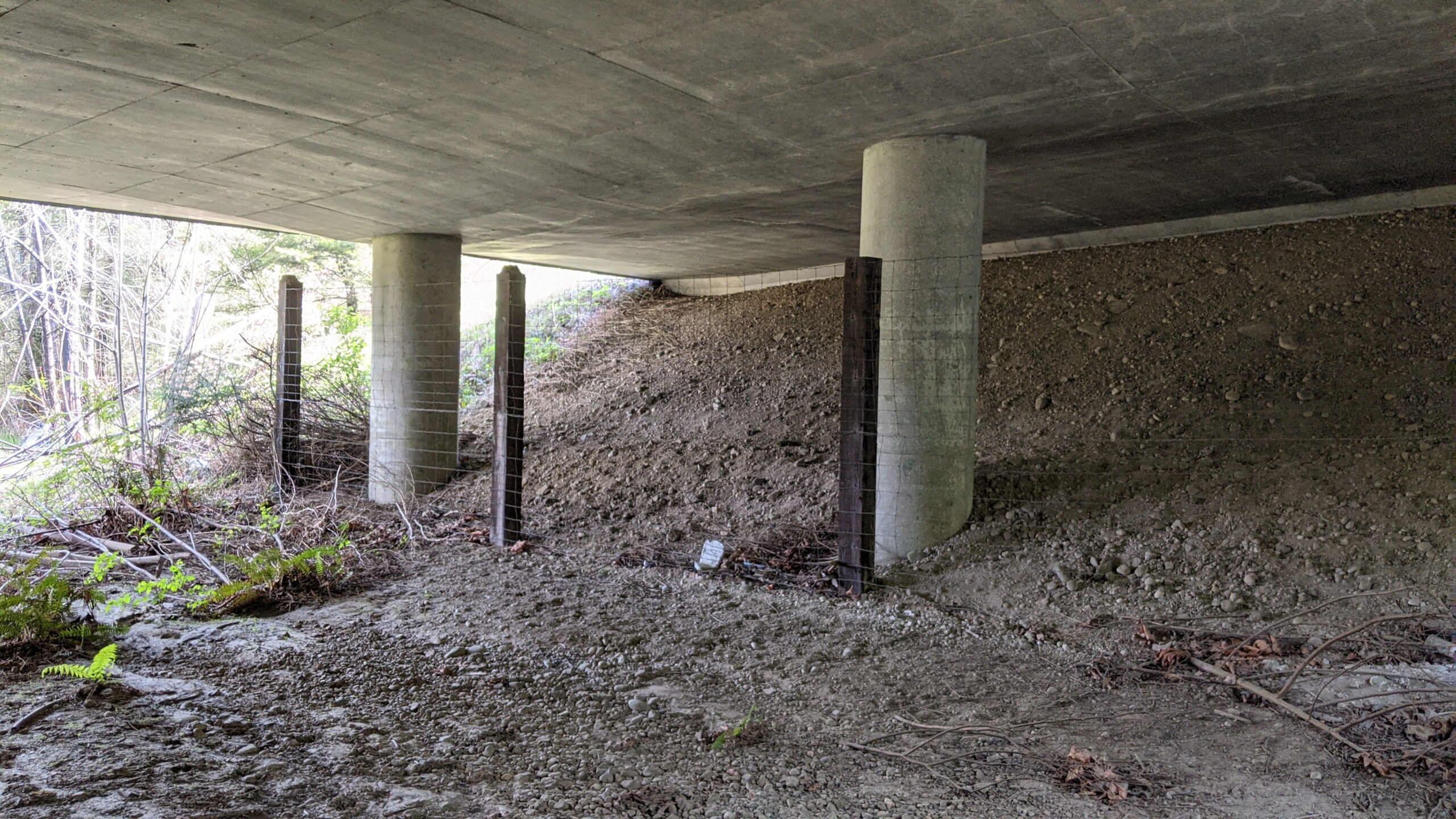
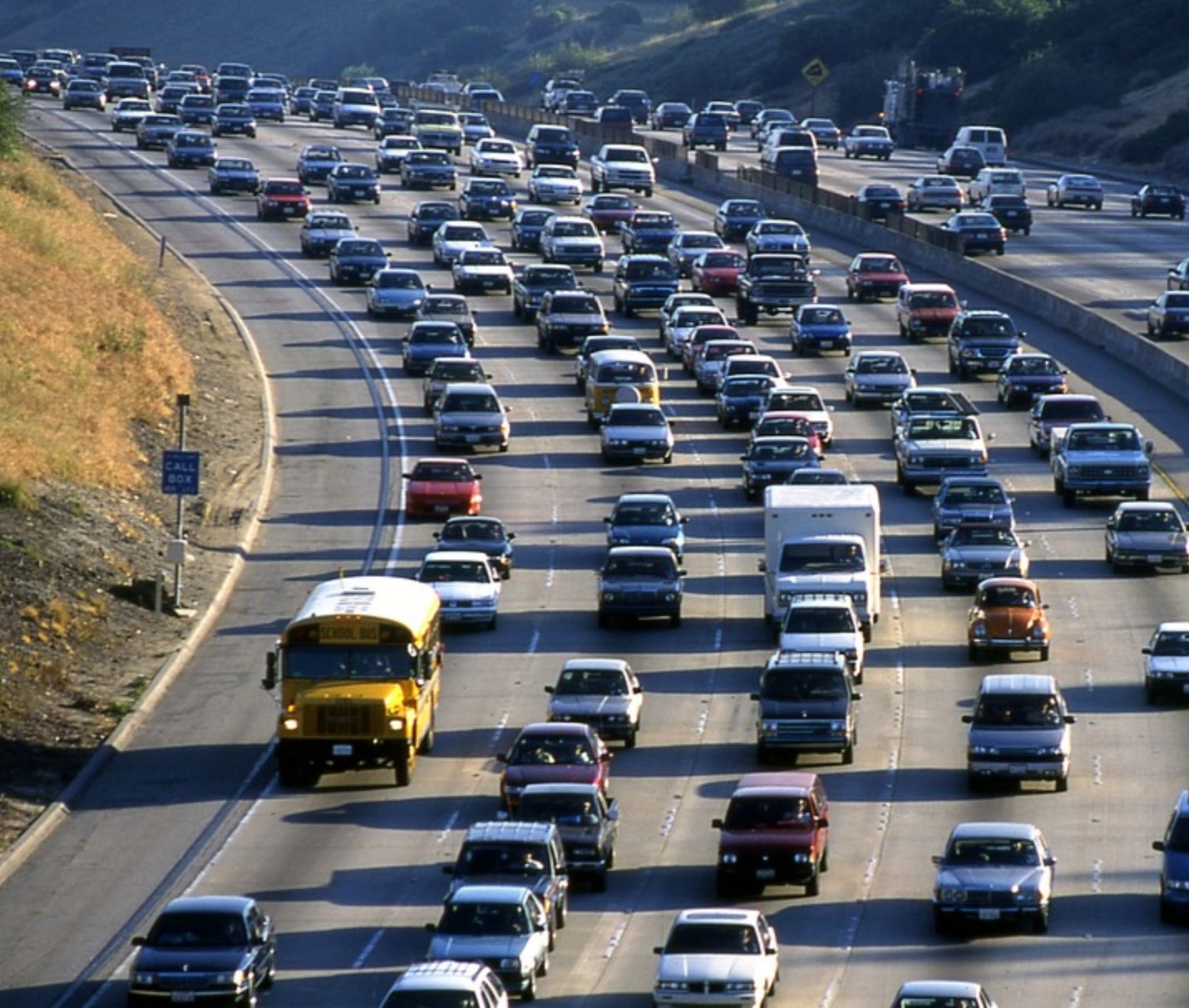
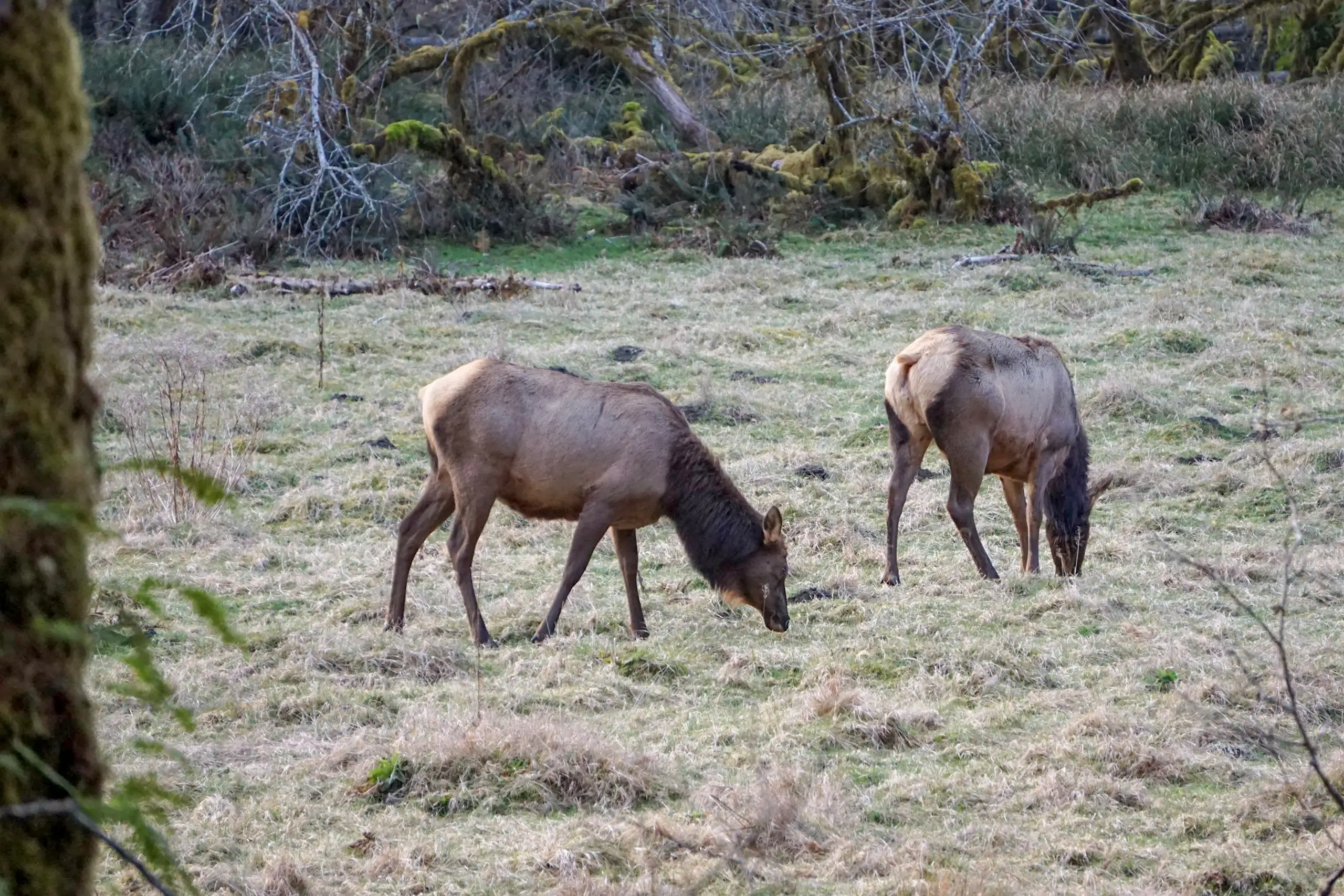
In 2024, the program helped complete the I-5 wildlife crossing feasibility study, delivering the first science-based assessment of priority locations needed to reconnect the Cascades and the Olympic Peninsula.
Securing Key Wildlife Linkages
Land Protection for Connectivity
Since the early 2020s, the program has supported land acquisitions for Tribes and conservation partners in key linkage zones crossing I-5, protecting habitat essential for long-term wildlife movement.
Chehalis Basin Restoration Planning
Science-Driven Flood and Habitat Solutions
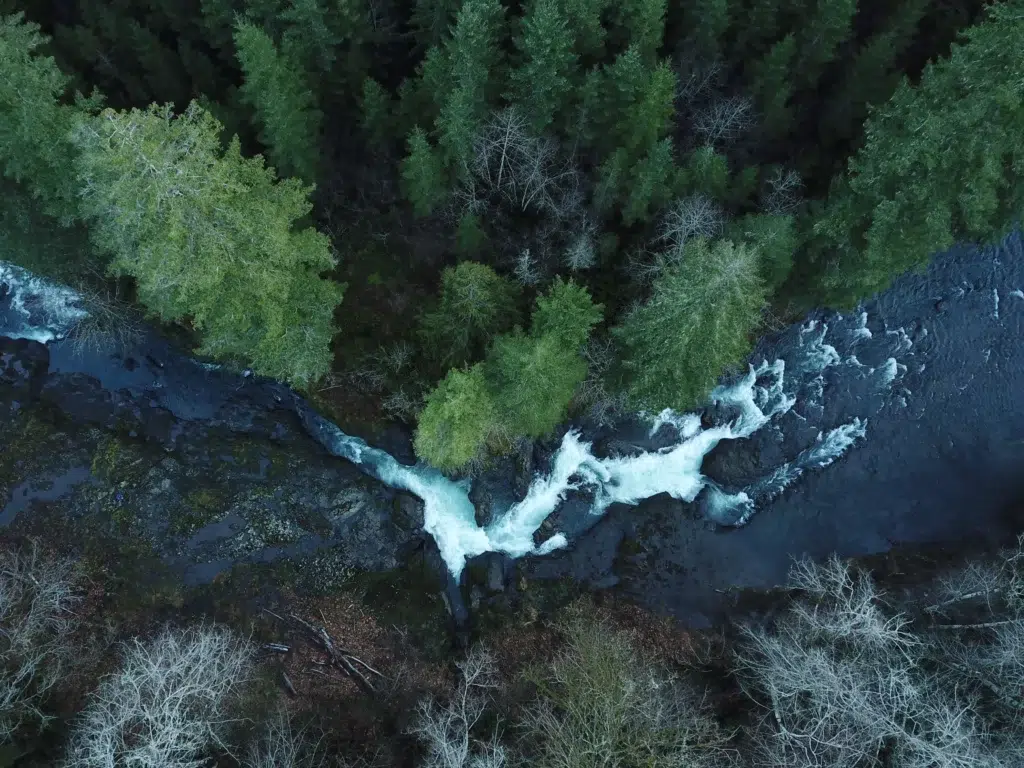
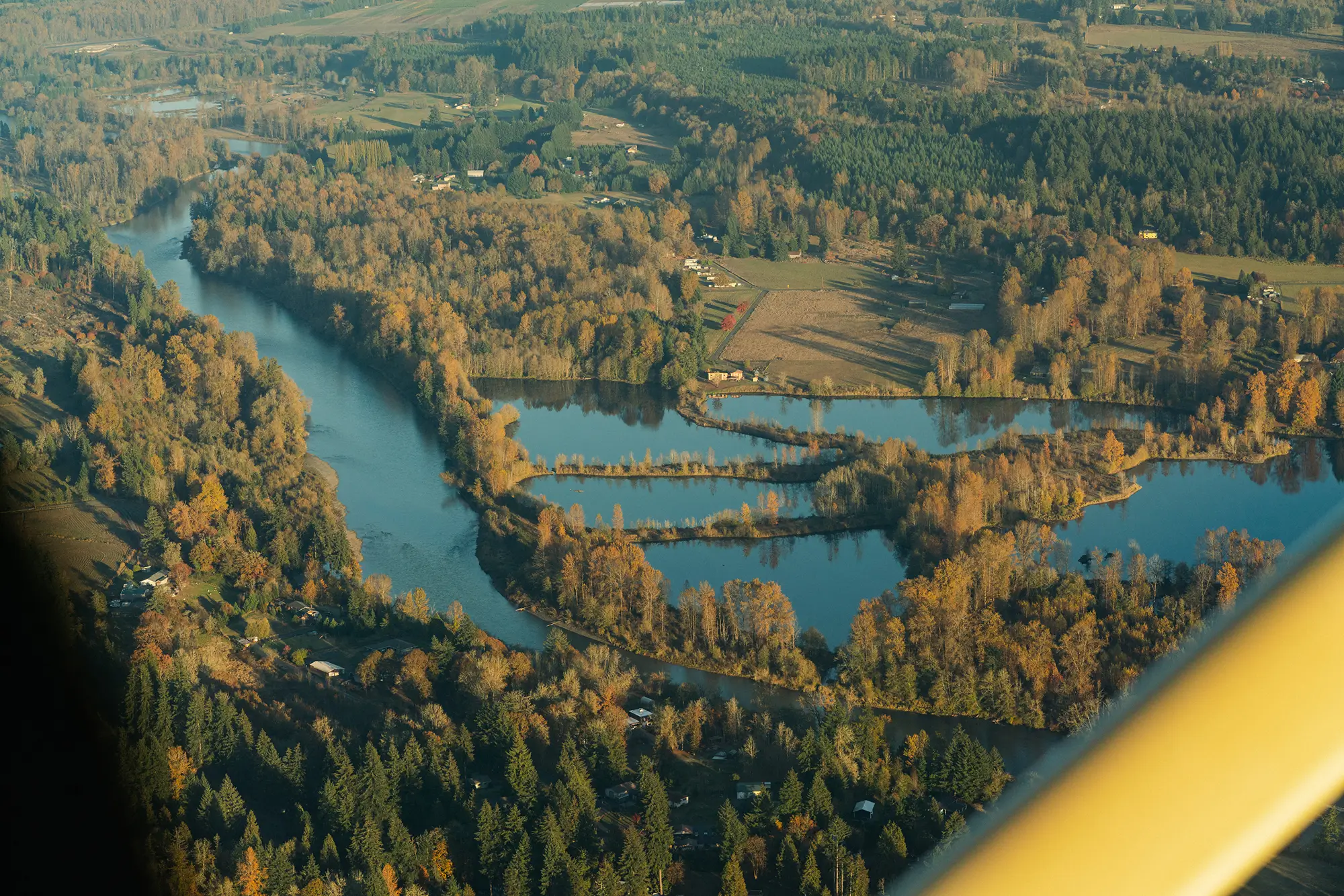
The program contributed to development of the Local Actions Non-Dam Alternative for the Chehalis Basin Strategy, advancing a science-driven approach to flood mitigation and habitat restoration without new dam construction.