Washington’s wildest country needs your voice today- Defend the Roadless Rule

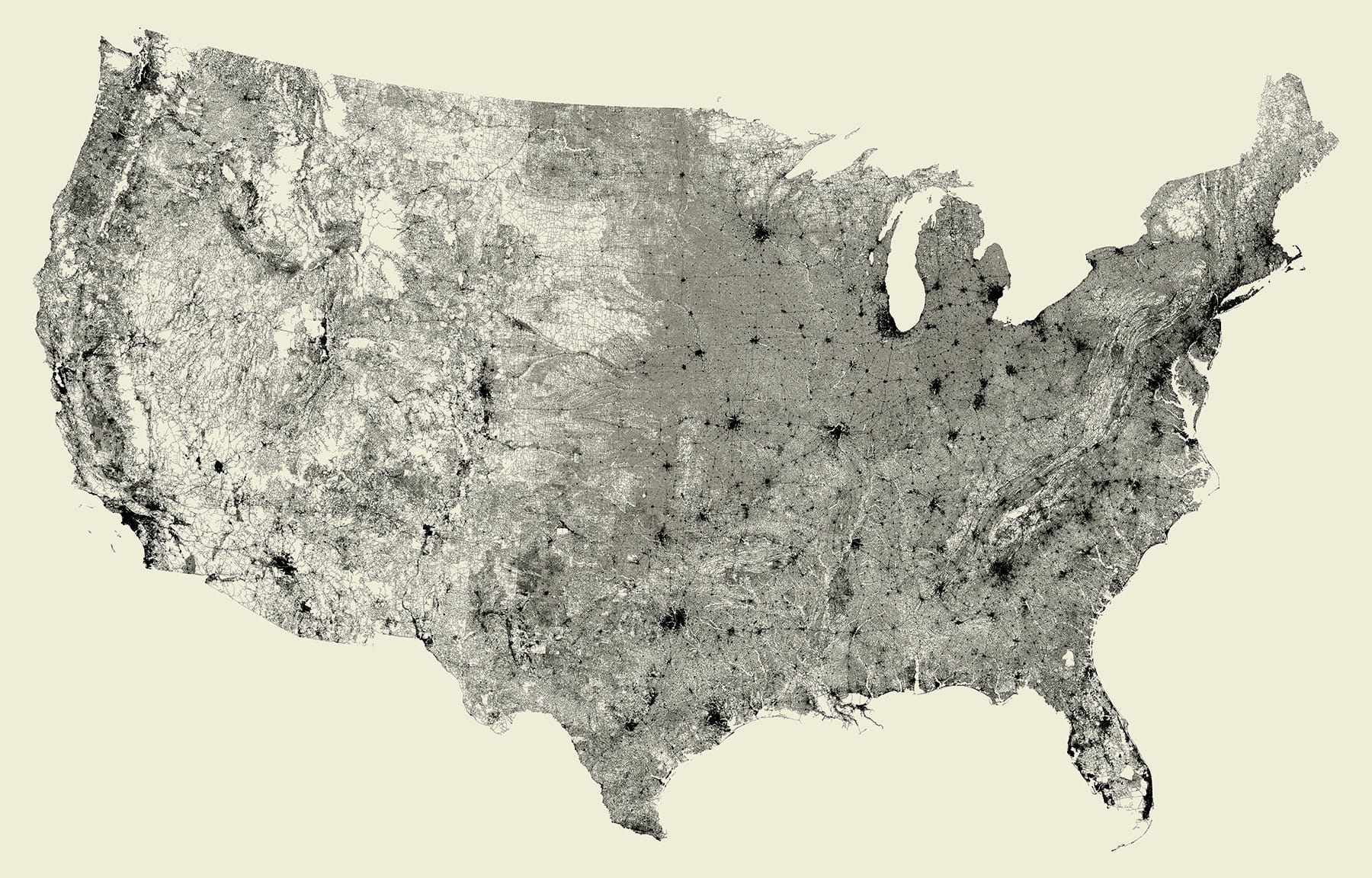
On August 18, the U.S. Department of Agriculture announced that the Forest Service had filed a proposal to rescind the 2001 Roadless Area Conservation Rule. If finalized, the repeal would lift ecologically-necessary prohibitions on road construction and development across 44.7 million acres of national forest nationwide, including roughly 2 million acres here in Washington.
The comment period closes September 21. This is the public’s last chance to weigh in before the agency moves ahead.
Roadless areas are large, wild landscapes, and some of the last places on public lands free from industrial development. In Washington, that means country like the Dark Divide in the Gifford Pinchot National Forest, Liberty Bell in the Okanogan-Wenatchee National Forest, and Abercrombie-Hooknose in the Colville National Forest. They provide crucial ecological functions: landscape habitat connectivity for wide-ranging species like wolverine and Canada lynx, and clean, cold water for downstream communities. Much of the wildlife we work to protect lives in these areas and depends on habitat free from human development. Roadless areas also support cultural and subsistence practices and offer some of the best backcountry recreation in the state.
The proposal makes little sense ecologically or economically. There are already more roads on national forests than can be affordably maintained. The Forest Service manages a 380,000-mile road system with a growing $10.8 billion maintenance backlog that has persisted for decades, and it receives funding to maintain only a fraction of that system.
The proposal also misstates what the rule already allows. Restoration thinning and prescribed burning are both permitted in roadless areas. The rule limits commercial timber harvest, but hauling logs out of steep backcountry terrain was never going to pencil out for mills in the first place. The constraint here is economics and topography, not regulation.
Roads are expensive to build and maintain. They fragment and degrade wildlife habitat, act as vectors for human fire ignitions, and dump many tons of sediment into fish habitat and spawning beds each year. In Washington, about 85% of fires are caused by people each year.
We need our wild country more than we need new forest roads.
How to get involved
- Go to the official comment portal
- Use the sample letter below, or personalize your comments to defend roadless lands
- Fill in the required information and submit
Sample letter for Comment Portal:
I am writing in opposition to the proposal to rescind the Roadless Area Conservation Rule [FS-2025-0001]. For nearly 25 years this rule has reliably protected backcountry habitat, clean headwaters, and quiet recreation areas from industrial road-building and commercial extraction, and it should remain in place.
These roadless landscapes matter for practical reasons, not just scenic ones. They provide unbroken habitat corridors that wide-ranging species like wolverine and lynx depend on to move and persist. They protect the cold, clean headwaters that downstream communities and fisheries rely on. Washington alone holds more than 2 million roadless acres across the Cascades, Kettles, Selkirks, Olympics and Blue Mountains. These are landscapes that also support hunting, fishing, and other backcountry traditions.
Rolling back this rule would mean more roads cut into fragile terrain, more fragmented and degraded habitat, and diminished water quality downstream. It would also raise fire risk rather than lower it: most wildfire ignitions are human-caused, and more roads into these areas means more opportunity for fire starts in these ecologically important lands. Meanwhile, the Forest Service is already unable to keep up with maintenance on the roads it has; adding thousands of new miles would only deepen that backlog.
Undoing this rule would do generational damage to our natural heritage and put at risk a conservation legacy that benefits all Americans. I urge you to conserve our nation’s roadless forests and keep the Roadless Area Conservation Rule in place.
Sincerely, [First and Last Name] [City, State, Zip Code]