Poaching Reward

A confidential reward program supporting wildlife law enforcement by encouraging the reporting of poaching incidents involving vulnerable and protected species.

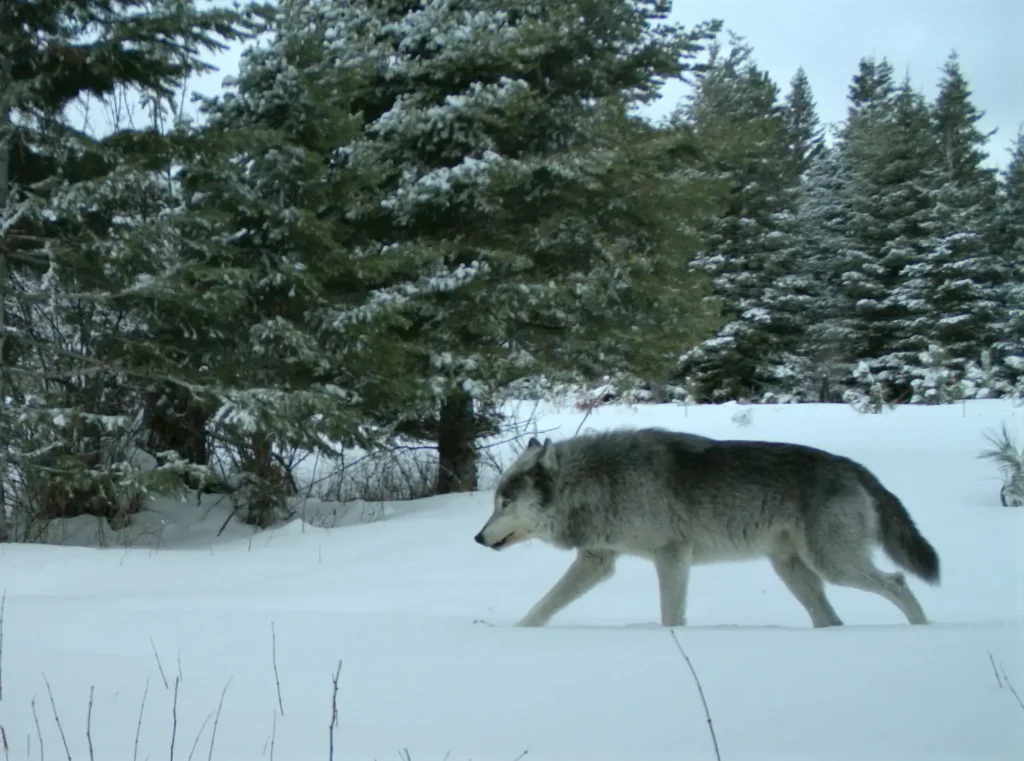
Walla Walla wolf pack alpha male. Photo ODFW 2019
Our Approach

Poaching threatens vulnerable and recovering species, undermines legal hunting and fishing opportunities, and erodes public trust in wildlife management.

Poaching is theft of our shared wildlife resources. Through a formal Memorandum of Understanding with the Washington Department of Fish and Wildlife (WDFW), Conservation Northwest offers standing rewards for information that leads to poaching convictions, particularly in cases involving rare, protected, or iconic wildlife.

Funded by our members and supporters, this initiative strengthens enforcement, supports ethical hunting and recreation, and reinforces the shared responsibility to protect wildlife and uphold the rule of law.

Current Focus

Work We’re Doing to Achieve Poaching Reward Goals

Capa 1 1

Wolf & Protected Species Rewards

Tiered rewards are available for information that leads to successful convictions in cases involving illegally killed wolves and other protected wildlife species in Washington.

Up to $7,500
For information leading to a conviction for the illegal killing of a gray wolf in Washington.

Up to $5,000
For cases involving protected species, including grizzly bear, wolverine, lynx, pronghorn, mountain caribou, or fisher.

icon 8

Wildlife Violations & Bonus Rewards

Additional rewards are offered for serious wildlife violations involving common game species and especially severe poaching cases.

Up to $3,000
For egregious violations involving deer, elk, moose, or other iconic or threatened wildlife, including spree killing.

Additional Rewards
In certain circumstances, Conservation Northwest may offer increased rewards of $10,000 or more, depending on the severity of the violation.

Impact & Results

A History of Forest Habitat Goals
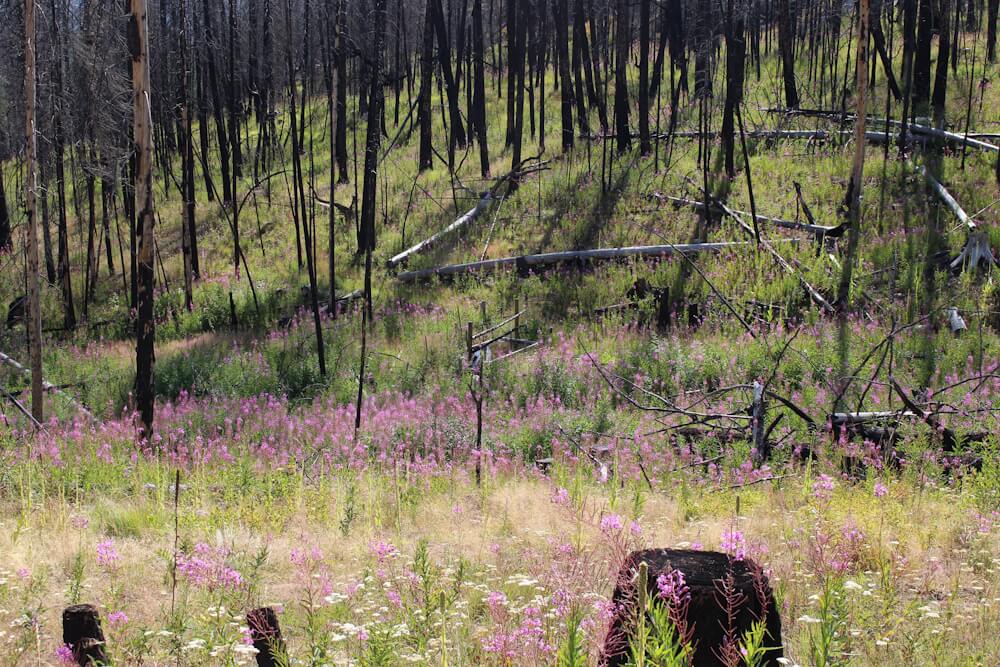
Our forest habitat management strategy is rooted in collaboration with federal, state, and regional conservation leaders and strategy. Together, we aim to conserve diverse forest habitat through science-based work and community partnerships.
Engaging in major forest planning frameworks
Supporting Washington’s 20 Year Forest Health Strategic Plan
Shaping restoration and management across Washington’s forest landscapes
conservationnw image

Engaging in major forest planning frameworks

Work in forest habitat is anchored in the Northwest Forest Plan and related federal and state planning processes that shape how mature forests, old growth, and critical wildlife habitat are managed across Washington. Engagement focuses on ensuring these plans protect ecological integrity and maintain habitat connectivity.
conservationnw image

Supporting Washington’s 20 Year Forest Health Strategic Plan

Participation in the state’s long term forest health strategy helps guide restoration, thinning, and fire adaptation work across eastern Washington. The emphasis is on science based treatments that improve forest resilience and sustain habitat for species that depend on these landscapes.
conservationnw image

Shaping restoration and management across Washington’s forest landscapes

Staff engage broadly across Washington’s forest plans, collaboratives, and project level processes - from the Okanogan Wenatchee to the Colville, Mt. Baker -Snoqualmie, Gifford Pinchot, and state managed forests. This includes involvement in multi stakeholder groups, commenting on forest plans and projects, and supporting restoration that improves habitat quality and connectivity across the state’s diverse forest ecosystems.
Impact & Results

Our Key Accomplishments in Forest Habitat

From protecting critical landscapes to advancing collaborative forest restoration, these efforts deliver lasting benefits for wildlife, habitat connectivity, and climate resilience.

conservationnw image

There are no posts to show at this time. Please check back soon.