Effective Wolf Management
Supporting policies, funding, and collaborative solutions that reduce conflict and strengthen coexistence between wolves, livestock producers, and rural communities.
We support policies and funding strategies surrounding wolf recovery that reduces conflict, strengthens coexistence, and ensures the long-term recovery of wolves across our landscape.
Wolves naturally returned to Washington in the late 2000s after decades of absence, reshaping long standing relationships between wildlife, ranching, and rural communities. Their recovery requires durable tools like range riding, conflict prevention practices, and responsive management that depend on stable funding and clear policy direction.
Our role is to help secure those resources, improve the policy framework that guides management, and ensure the Wolf Advisory Group and Commission decisions reflect both ecological realities and the needs of people who share the landscape with wolves.
Work We’re Doing to Achieve Effective Wolf Management Goals
Coexistence Solutions
We advance effective wolf management by supporting coexistence strategies, strengthening policy frameworks, and promoting practical tools like range riding to reduce livestock-wolf conflicts.
Through legislative advocacy and partnerships with producers, conservationists, and agencies, we help ensure effective conflict prevention programs have the resources they need to succeed.
Collaborative Leadership
We play an active role on the Wolf Advisory Group (WAG), helping facilitate dialogue among diverse stakeholders and shape policies that balance wolf recovery with the needs of rural communities.
Through collaboration, transparency, and shared problem-solving, we support long-term wolf conservation rooted in coexistence.
A History of Effective Wolf Management
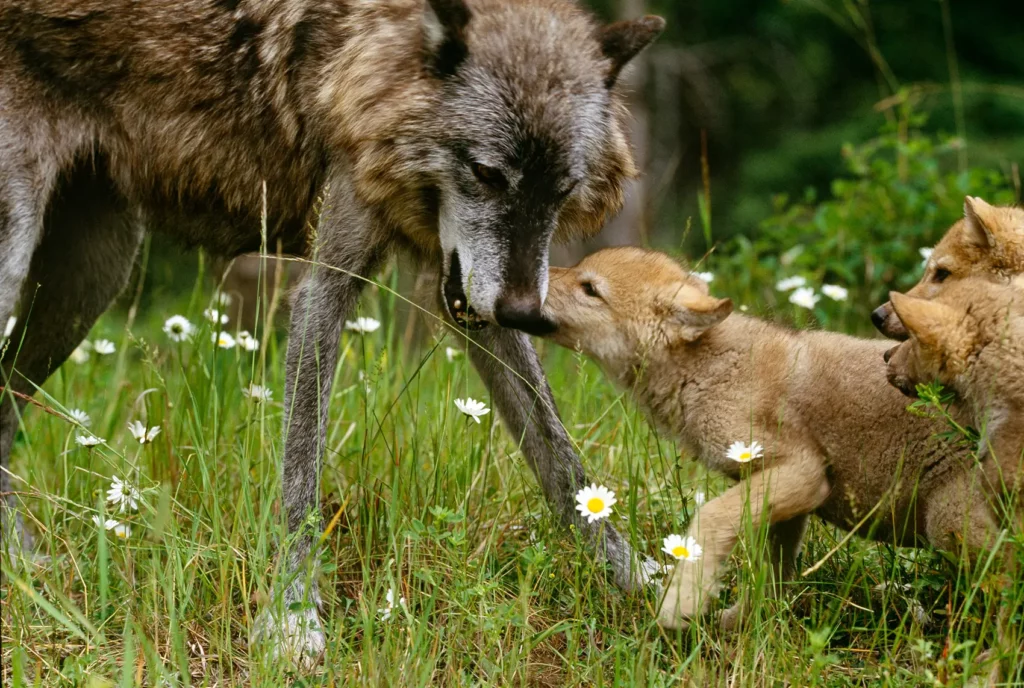
Gray wolves have naturally recolonized Washington after decades of absence.
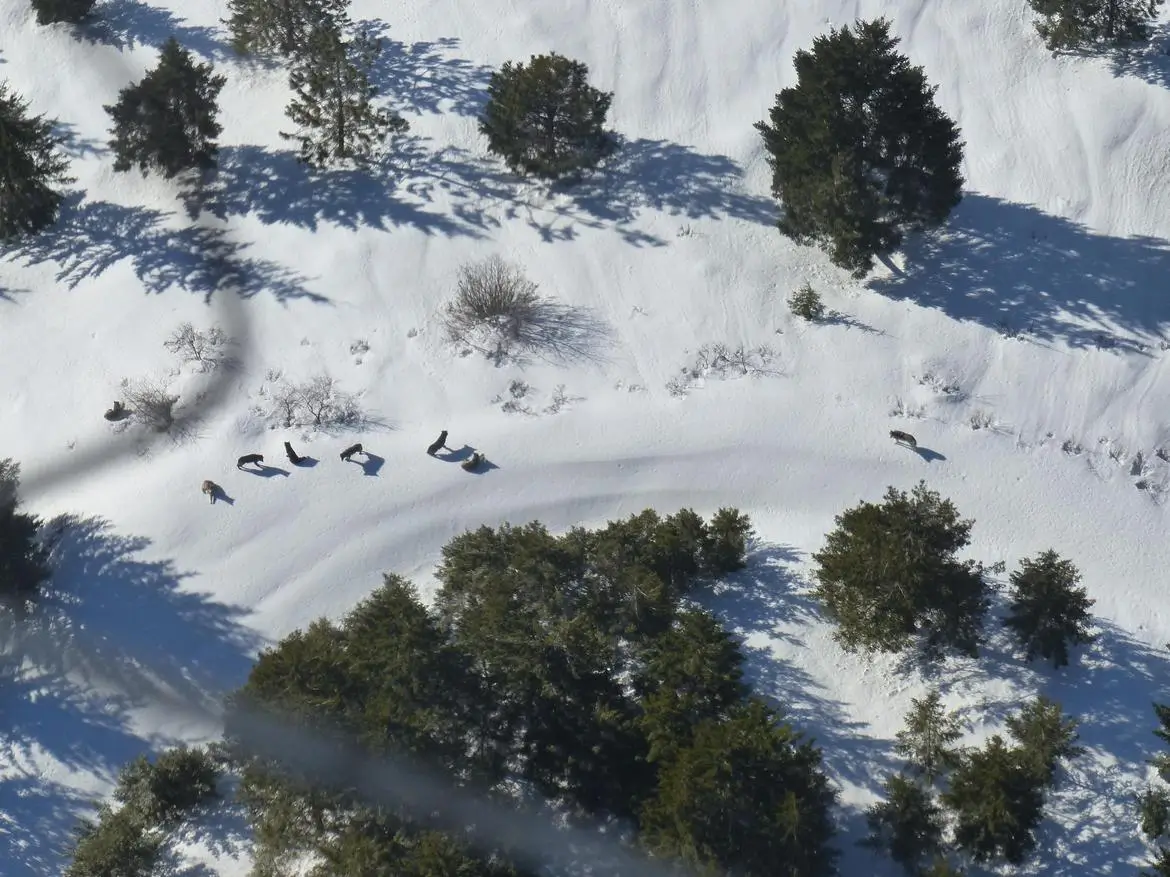
The state manages recovery through a science-based plan.
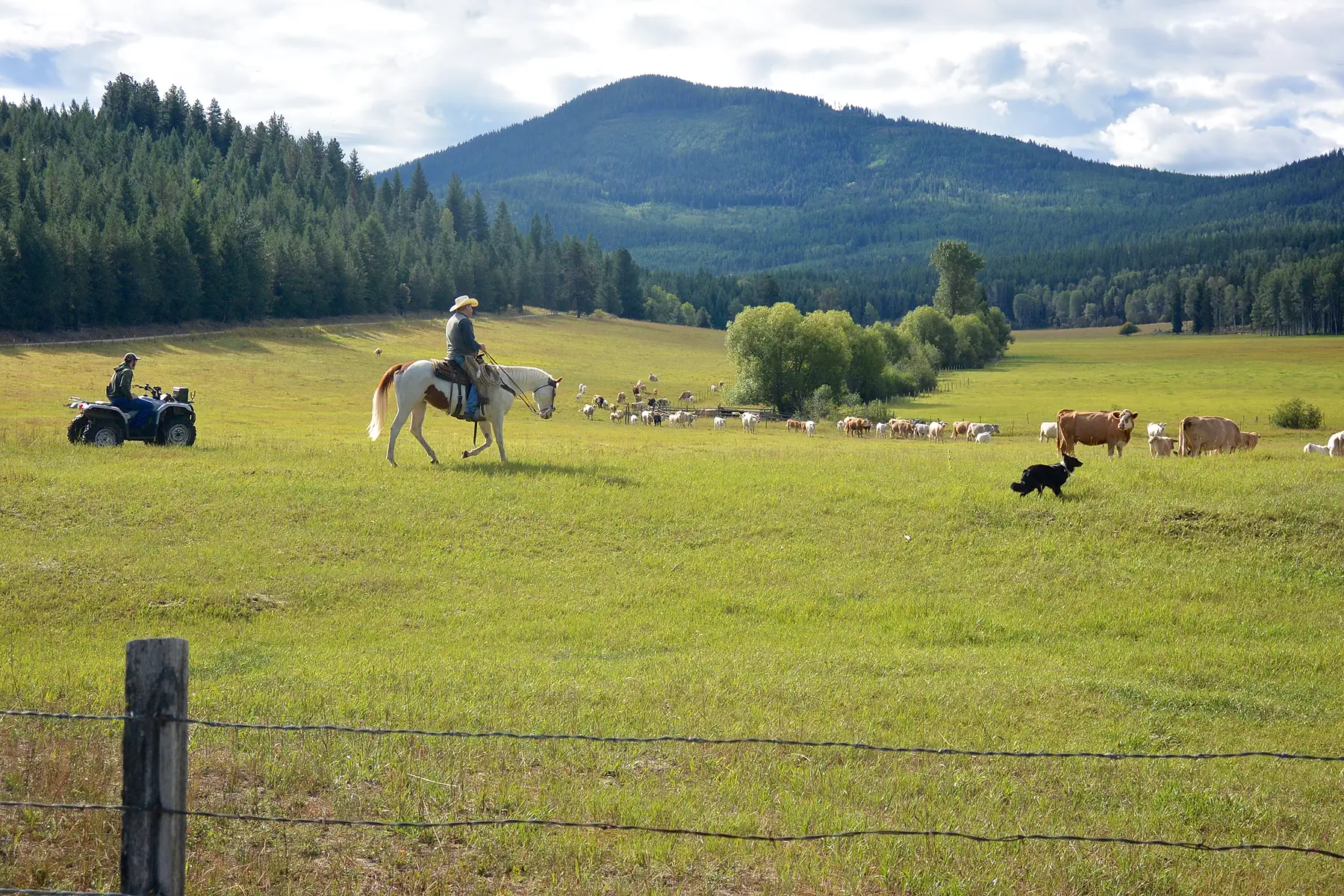
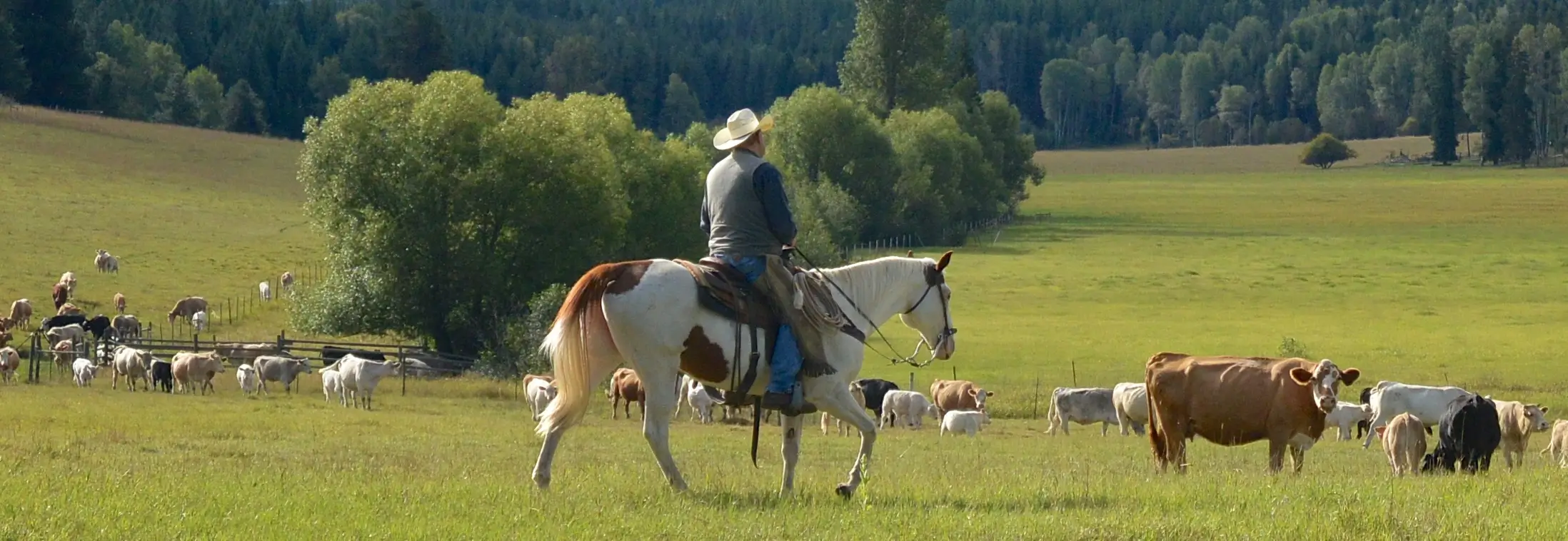
Recovery depends on coexistence with rural communities and livestock producers.
Our Key Accomplishments for Effective Wolf Management
From protecting critical landscapes to advancing collaborative forest restoration, these efforts deliver lasting benefits for wildlife, habitat connectivity, and climate resilience.
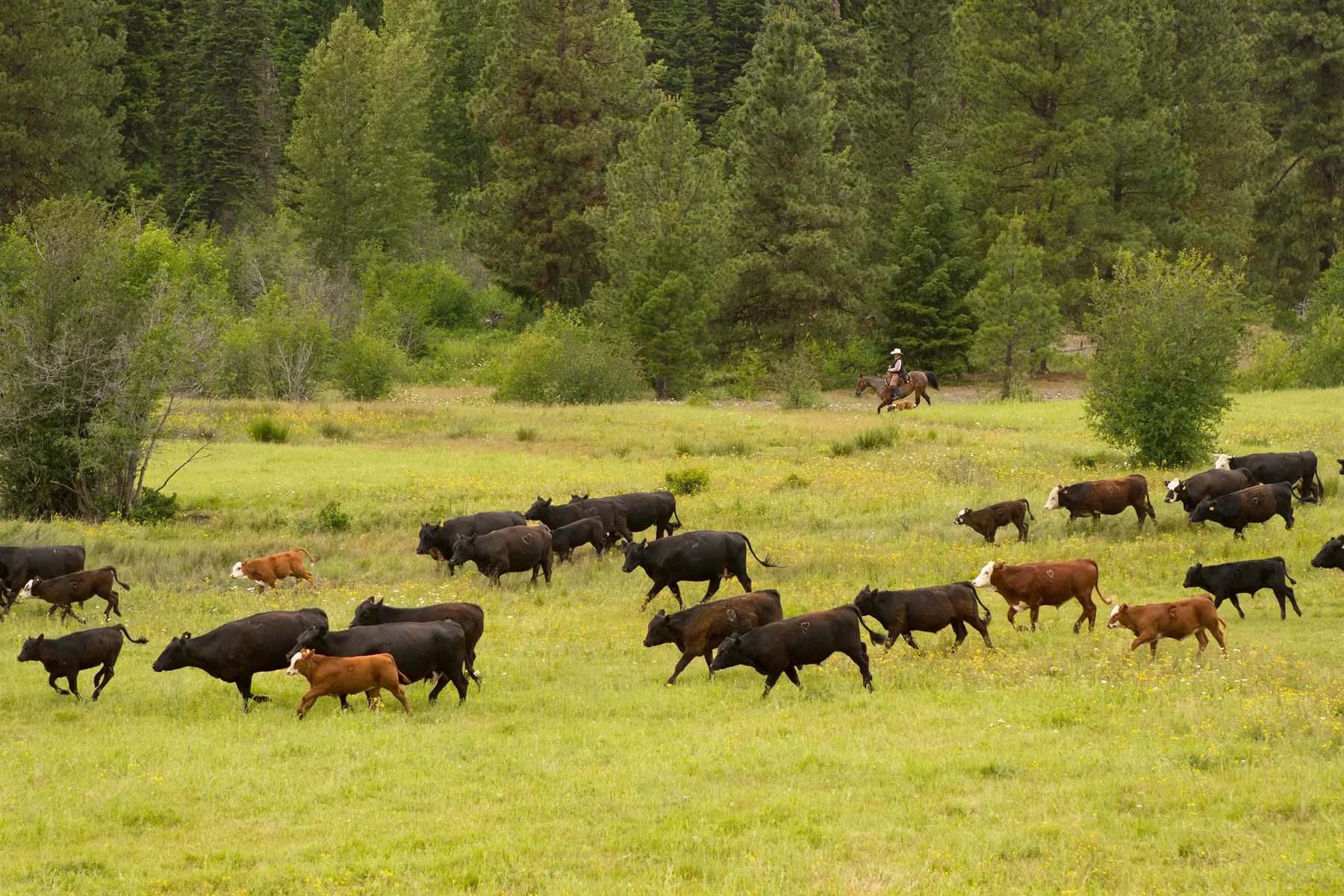
Range Riding Leadership
Established one of the region’s first collaborative range riding programs.
Conservation Northwest helped launch the Range Rider Pilot Project and helped support collaborative efforts such as the Northeast Washington Wolf-Cattle Collaborative to place trained riders with livestock herds in wolf country. These programs demonstrate how proactive herd supervision and non-lethal deterrence can reduce wolf–livestock conflict and build tolerance for wolves among ranchers.
Policy Collaboration
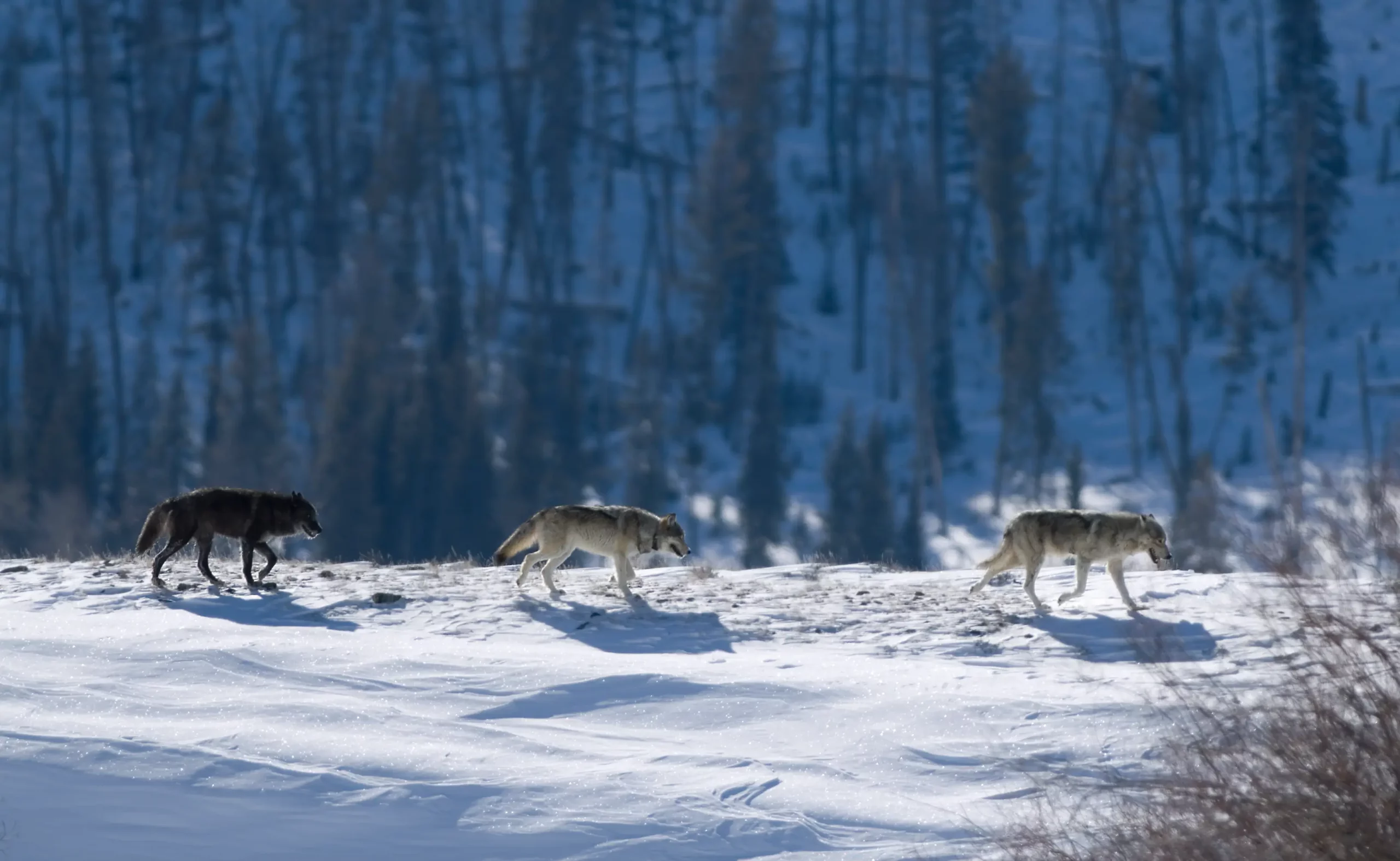
Played a central role in state wolf policy and collaborative management.
Conservation Northwest has long served on the Washington Department of Fish and Wildlife’s Wolf Advisory Group and helped shape the implementation of Washington’s science-based wolf management framework, bringing together ranchers, hunters, conservationists, and agencies to find workable solutions for wolf recovery and coexistence.
Recovery Success
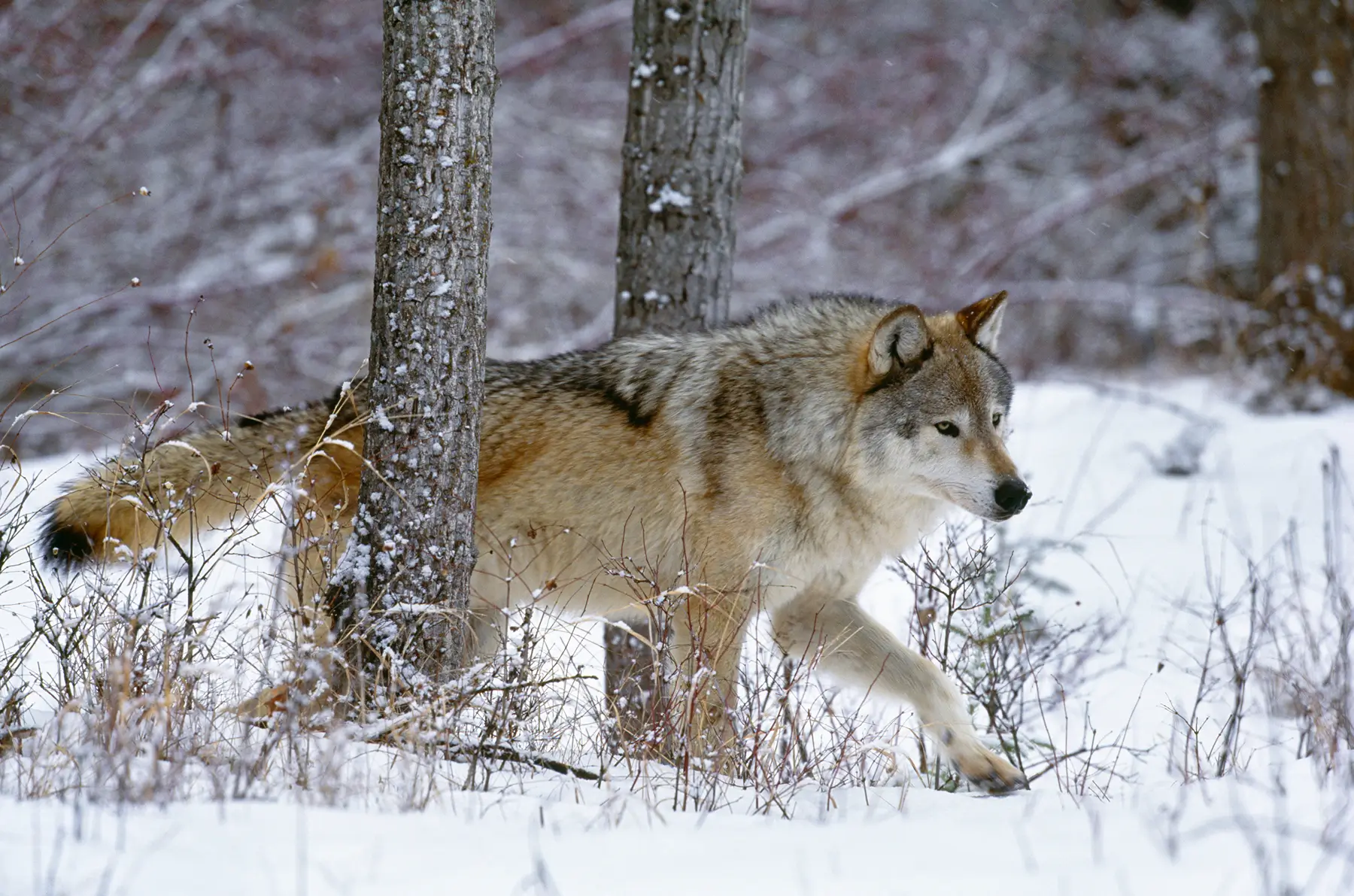
Helped achieve one of the most successful wolf recovery outcomes in the western U.S.
Washington has maintained exceptionally low levels of lethal wolf removal during recovery, with fewer than 3% of wolves killed in a recent year due to livestock conflicts—far lower than mortality levels seen in states like Idaho, Montana, and Wyoming at similar stages of recovery. Conservation Northwest’s emphasis on proactive deterrence and collaboration has been a major factor supporting this outcome.
Related News
There are no posts to show at this time. Please check back soon.
Additional Resources
Media & Archive Resources