

Impact & Results
A History of Advancing Landscape Connectivity
For decades, Conservation Northwest has helped advance habitat connectivity across Washington by convening partners, building shared science, and turning collaborative planning into on-the-ground action.
Coordinating cross agency and cross sector collaboration
The annual WildLinks conference
Operationalizing the Washington Habitat Connectivity Action Plan

Coordinating cross agency and cross sector collaboration
Conservation Northwest organizes meetings, workshops, and summits that bring agency leaders, scientists, and practitioners together to share knowledge, align priorities, and mobilize actions that restore habitat corridors and build wildlife crossings in key locations across Washington.

The annual WildLinks conference
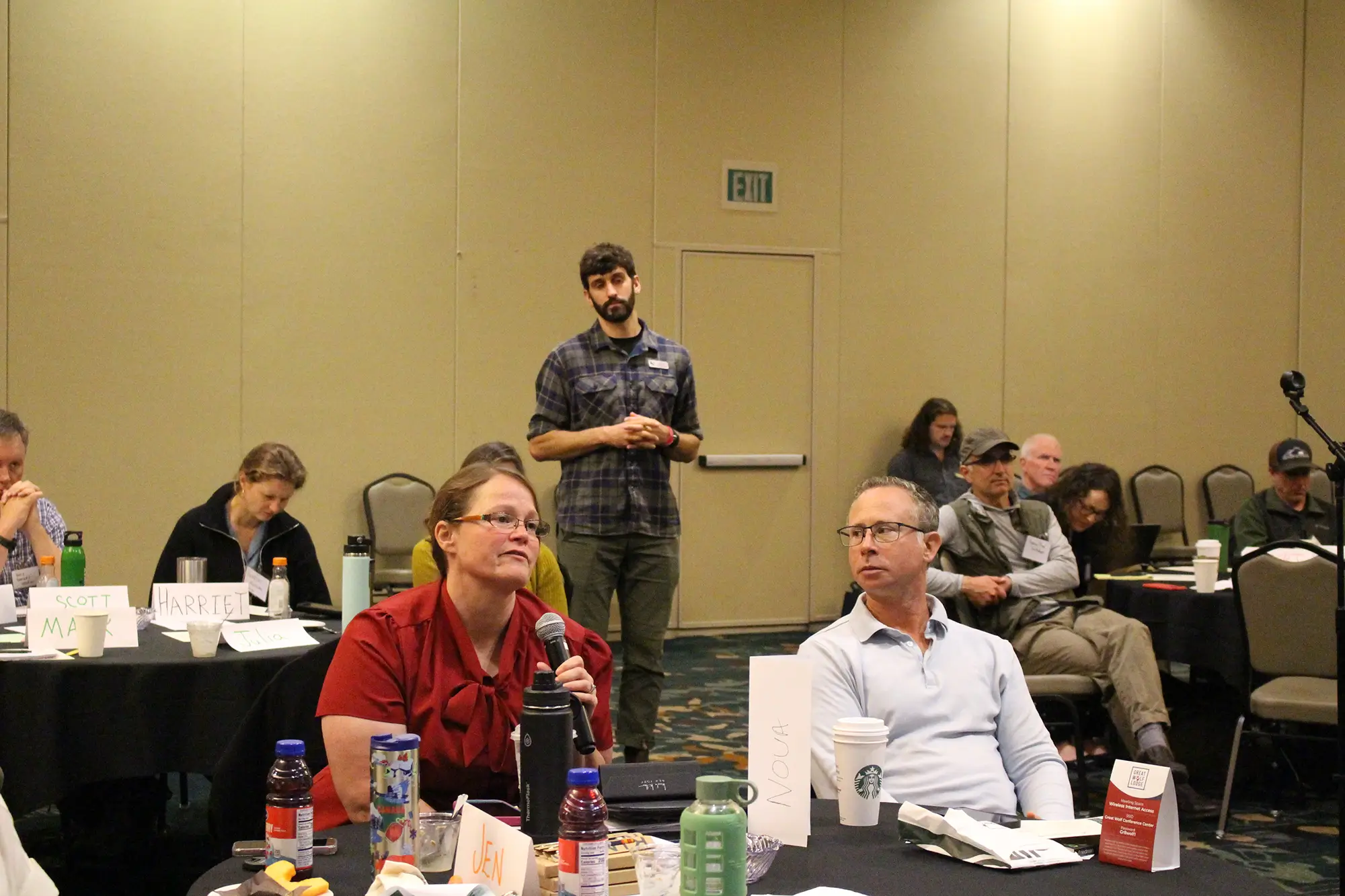
The annual WildLinks conference brings together conservationists, land managers, government officials, Tribal and First Nations leaders and knowledge holders, researchers, and other connectivity experts from across the Pacific Northwest to advance shared strategies for ecological connectivity.

Operationalizing the Washington Habitat Connectivity Action Plan
Conservation Northwest is helping move the plan from science to implementation by building political will, securing funding, and engaging the public around reconnecting fractured and degraded landscapes—linking ecological, political, and social efforts to protect, connect, and restore habitat for wildlife

Statewide Policy & Connectivity Advancement
SB 5203 advancing coordinated wildlife connectivity implementation
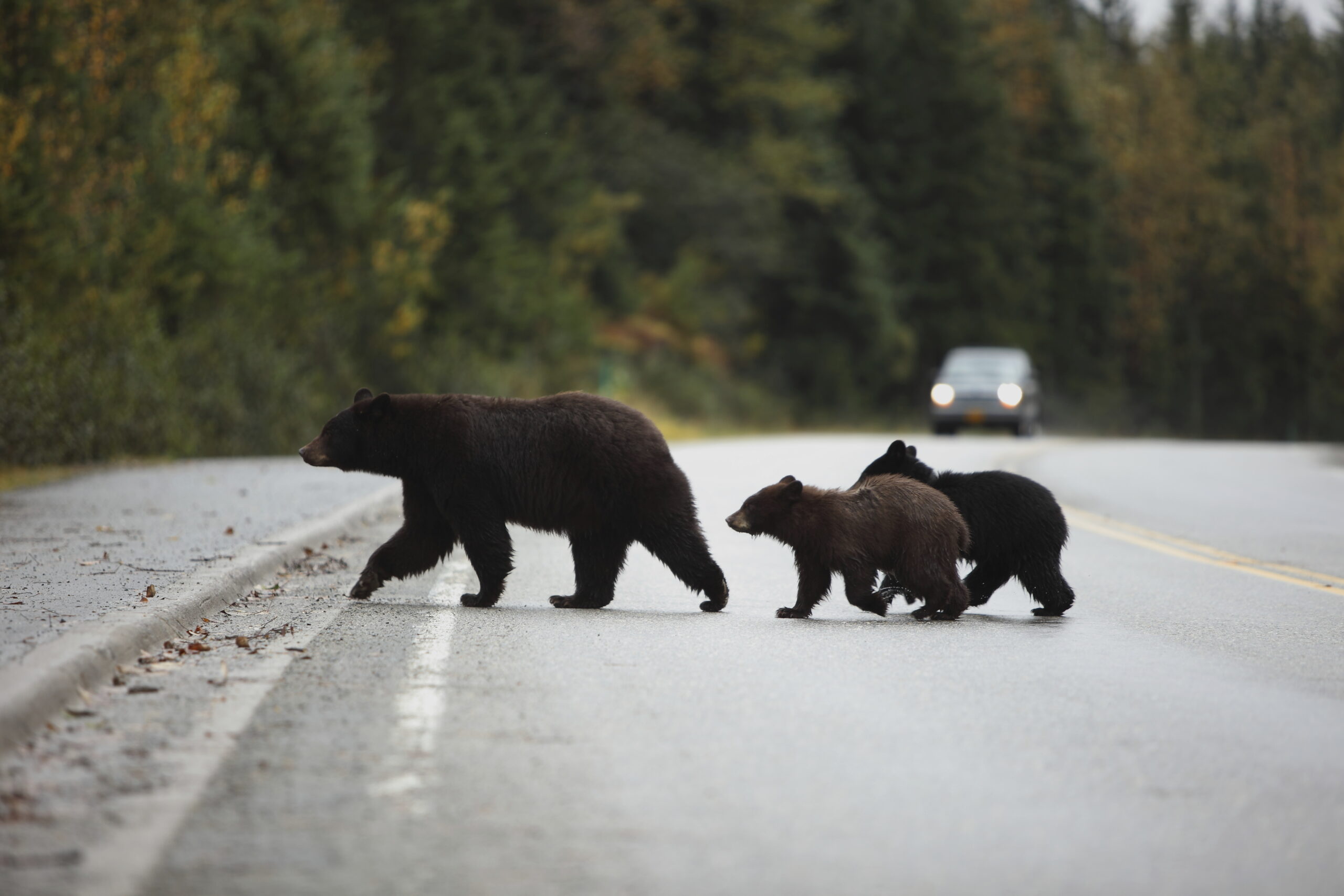
SB 5203 was introduced to strengthen statewide wildlife connectivity, advancing coordinated implementation of Washington’s Habitat Connectivity Action Plan and supporting the development of wildlife crossings and movement corridor protections that reduce costly wildlife vehicle collisions.

Scientific Foundations for Connectivity Planning
15+ years of contributions to Washington’s connectivity science
The program has contributed to every major statewide and regional connectivity analysis over the past 15 years, including the 2010 Washington Connected Landscapes Project, subsequent regional studies, and the development of the 2025 Washington Habitat Connectivity Action Plan.
Long-Term Leadership in Collaborative Science
Convening the Washington Wildlife Habitat Connectivity Working Group since 2007
Since 2007, the program has convened and facilitated the Washington Wildlife Habitat Connectivity Working Group, sustaining one of the nation’s longest running, science-driven collaborations focused on landscape connectivity.