

Impact & Results
A History of Forest Habitat
Our forest habitat management strategy is rooted in collaboration with federal, state, and regional conservation leaders and strategy. Together, we aim to conserve diverse forest habitat through science-based work and community partnerships.
Engaging in Major Forest Planning Frameworks
Supporting Washington’s 20 Year Forest Health Strategic Plan
Shaping Restoration and Management Across Washington’s Forest Landscapes
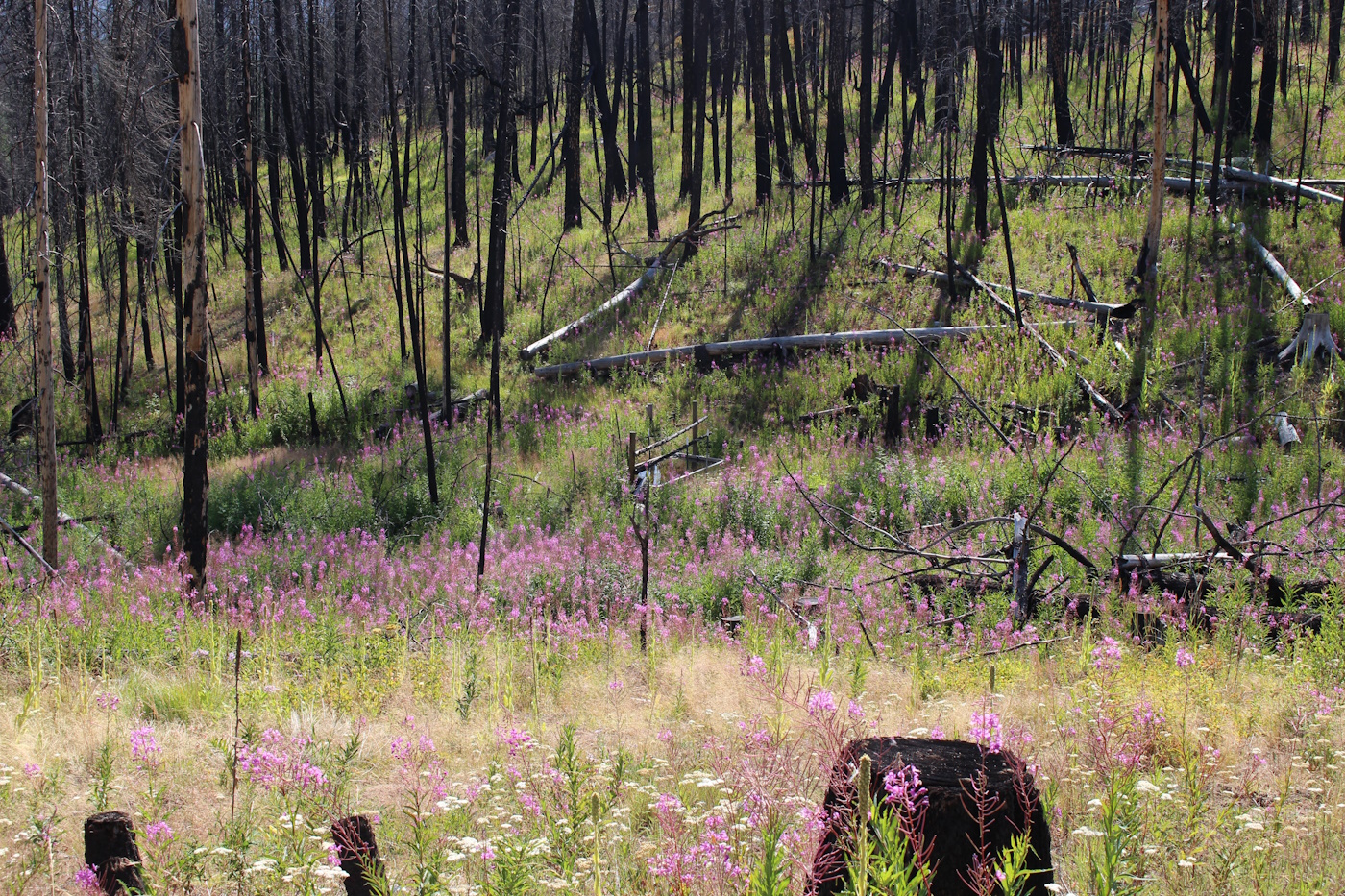
Engaging in Major Forest Planning Frameworks
Work in forest habitat is anchored in the Northwest Forest Plan and related federal and state planning processes that shape how mature forests, old growth, and critical wildlife habitat are managed across Washington. Engagement focuses on ensuring these plans protect ecological integrity and maintain habitat connectivity.
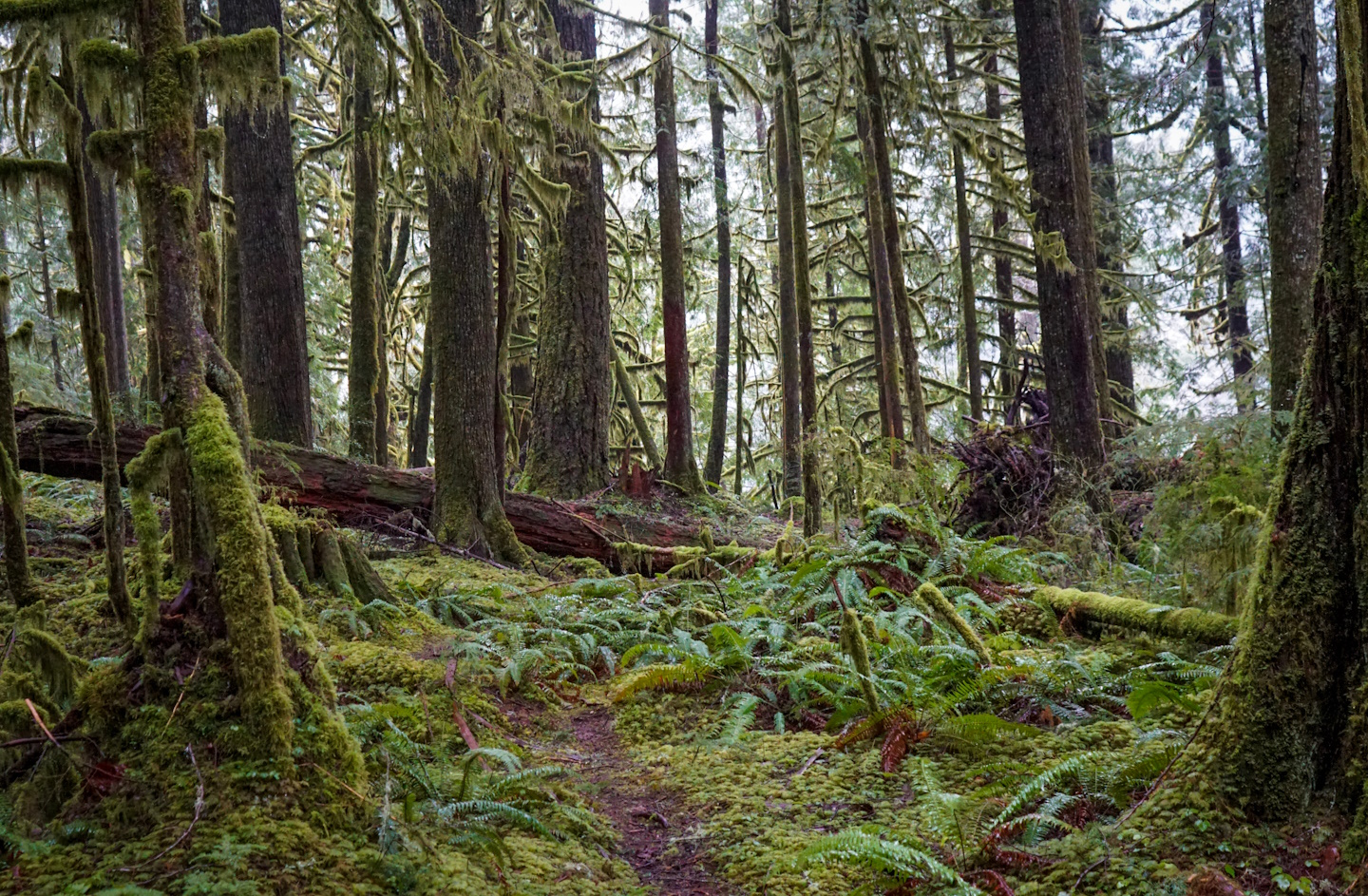
Supporting Washington’s 20 Year Forest Health Strategic Plan
Participation in the state’s long term forest health strategy helps guide restoration, thinning, and fire adaptation work across eastern Washington. The emphasis is on science based treatments that improve forest resilience and sustain habitat for species that depend on these landscapes.
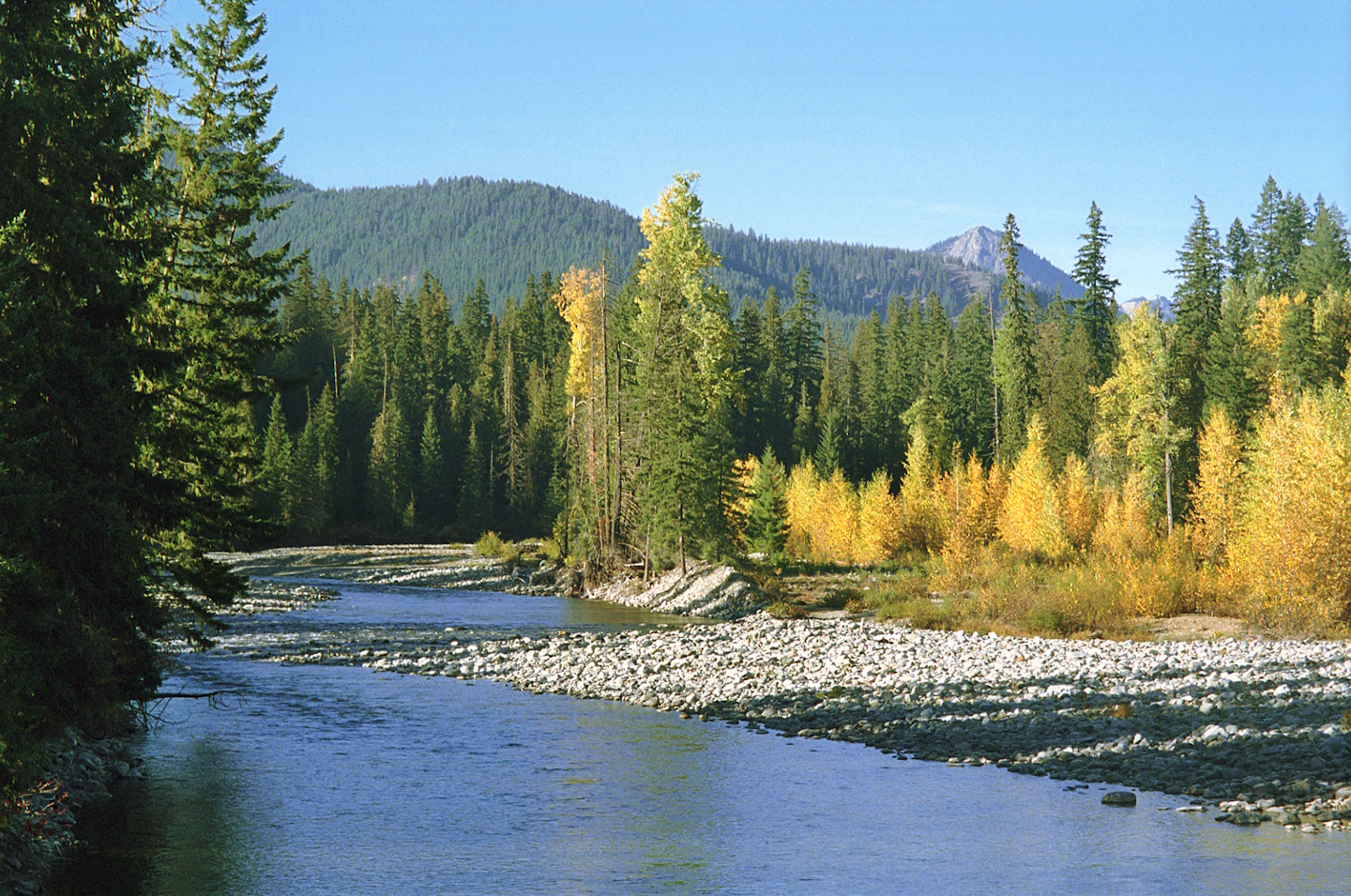
Shaping Restoration and Management Across Washington’s Forest Landscapes
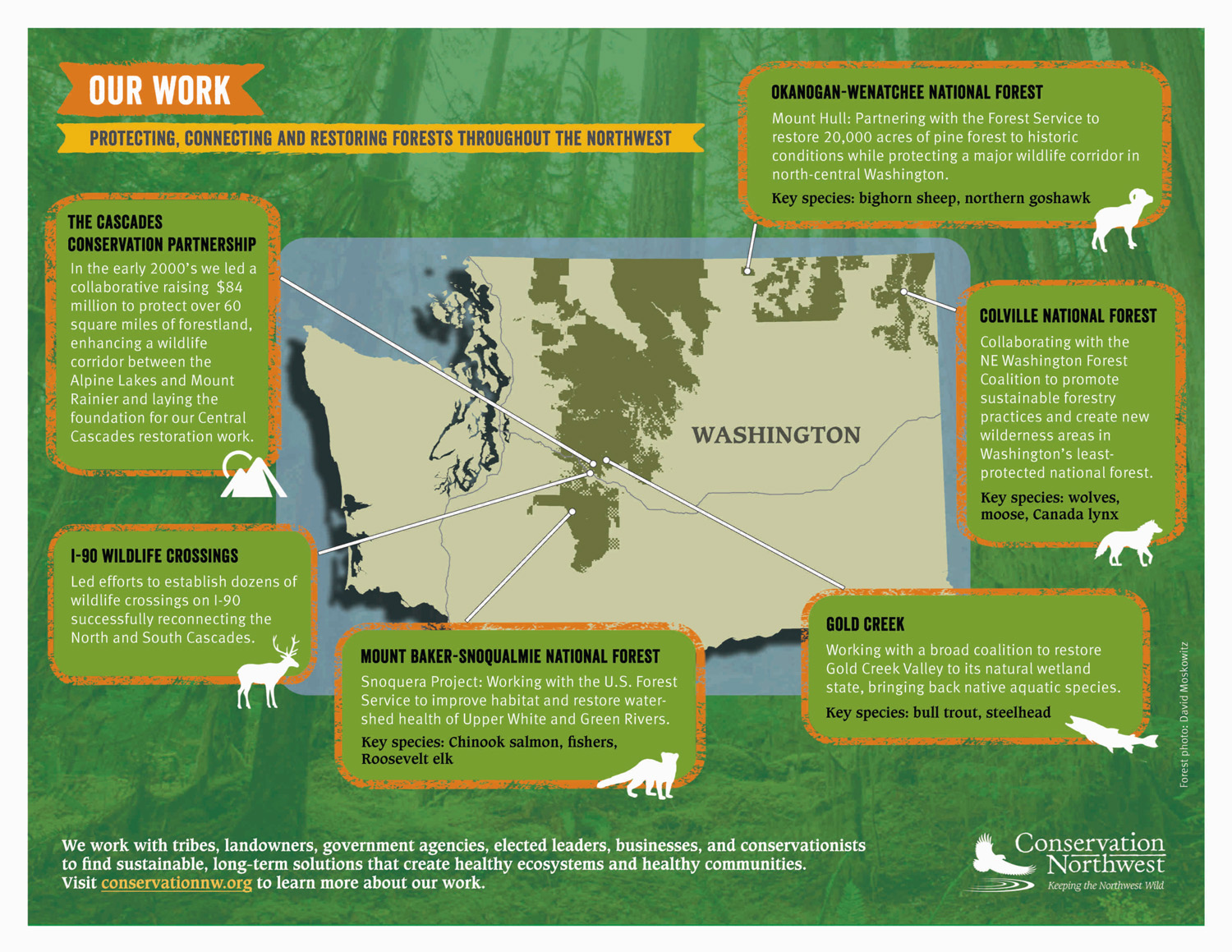
Staff engage broadly across Washington’s forest plans, collaboratives, and project level processes - from the Okanogan Wenatchee to the Colville, Mt. Baker -Snoqualmie, Gifford Pinchot, and state managed forests. This includes involvement in multi stakeholder groups, commenting on forest plans and projects, and supporting restoration that improves habitat quality and connectivity across the state’s diverse forest ecosystems.
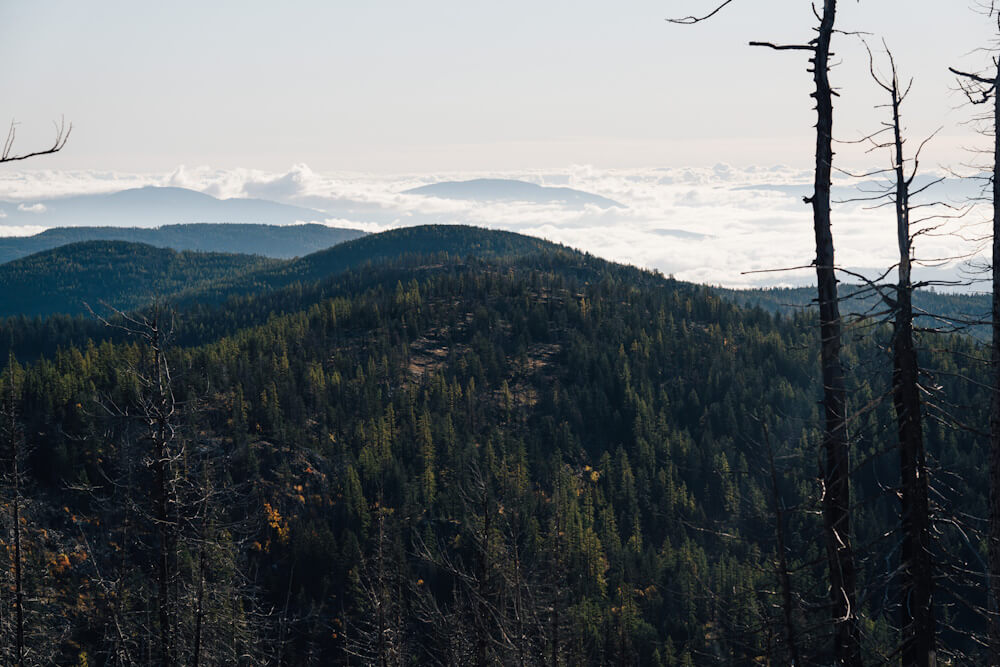
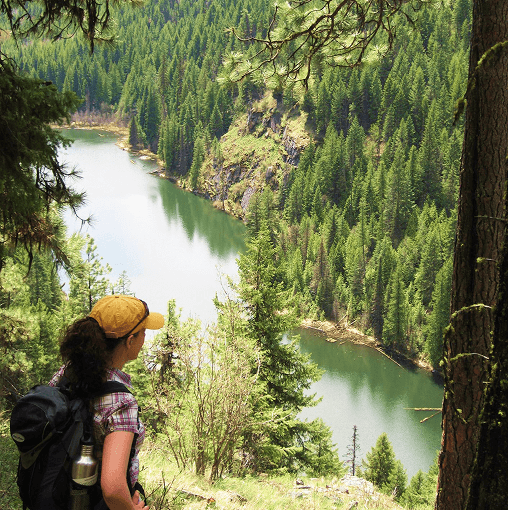
Loomis Forest Protection
Securing the Loomis State Forest’s permanent conservation designation
Protected ~24,000 acres of high value habitat, prevented fragmentation, and established a durable conservation framework that maintains connectivity between the Cascades and Okanogan Highlands. Staff led the coalition building and policy work that made the designation possible.
Collaborative Forest Model
Pioneering one of the nation’s first durable forest collaborative models
Helped establish the Northeast Washington Forest Coalition (NEWFC), one of the earliest and most enduring forest collaboratives in the country. By uniting conservation, timber, counties, Tribes, and recreation partners, it moved large scale forest health projects from conflict to implementation and set a model now replicated widely. Staff provided the convening and infrastructure that keep it functioning.
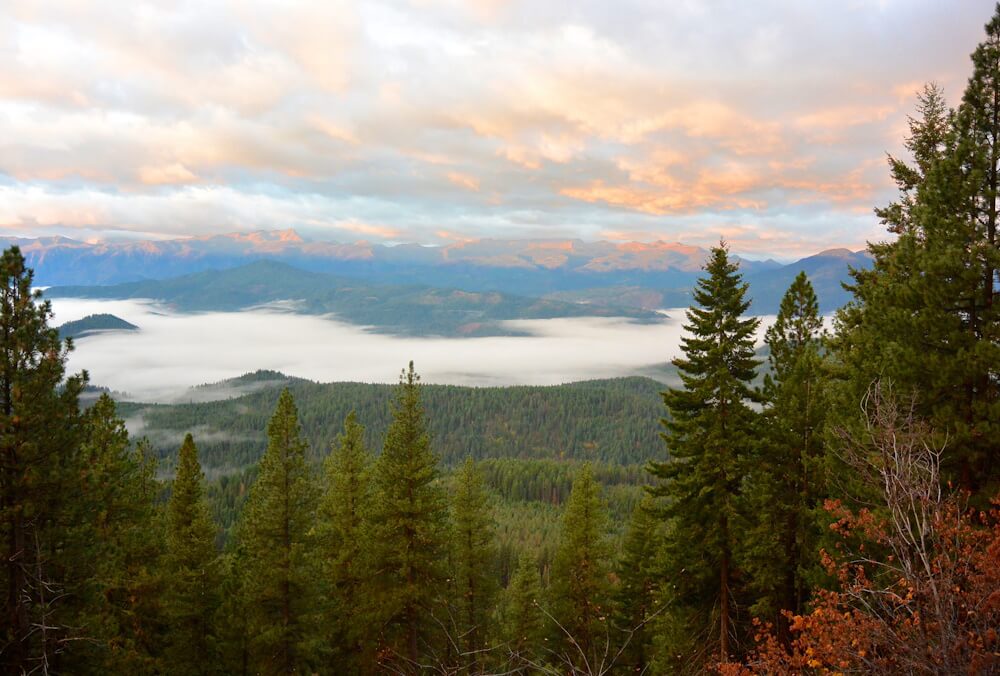
Landscape-Scale Restoration
Advancing large scale forest health and connectivity projects in Northeast Washington
Supported restoration treatments across priority landscapes around the Kettle Crest and Colville region, improving habitat resilience for lynx, mule deer, and wide ranging carnivores while reducing catastrophic wildfire risk. Staff consistently bridged policy and implementation by securing funding, aligning partners, and moving projects through NEPA into on the ground action.