Wolverine

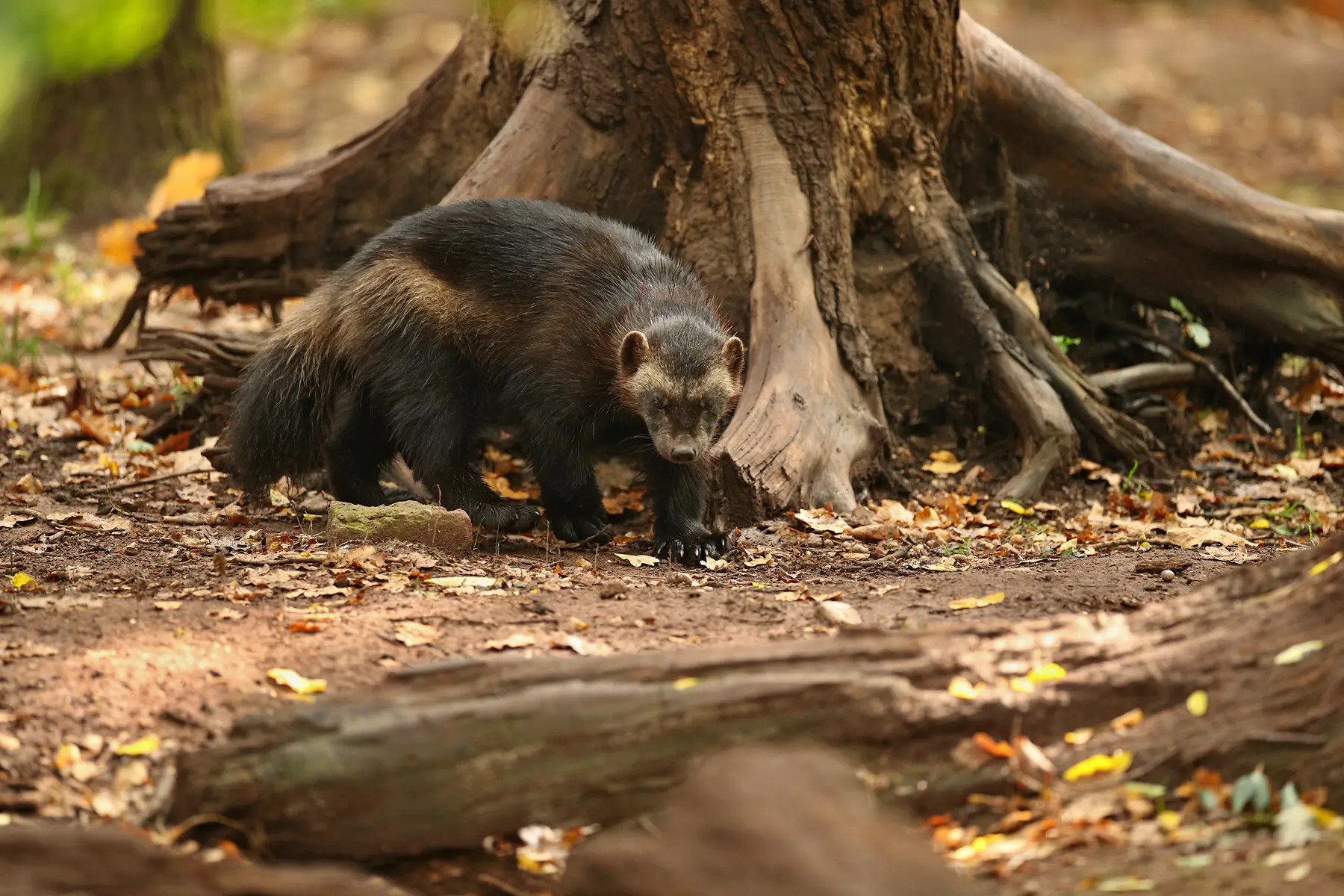
Wolverines are rare mountain carnivores returning to Washington’s high elevations. We support their recovery through habitat protection, monitoring, and conservation advocacy.

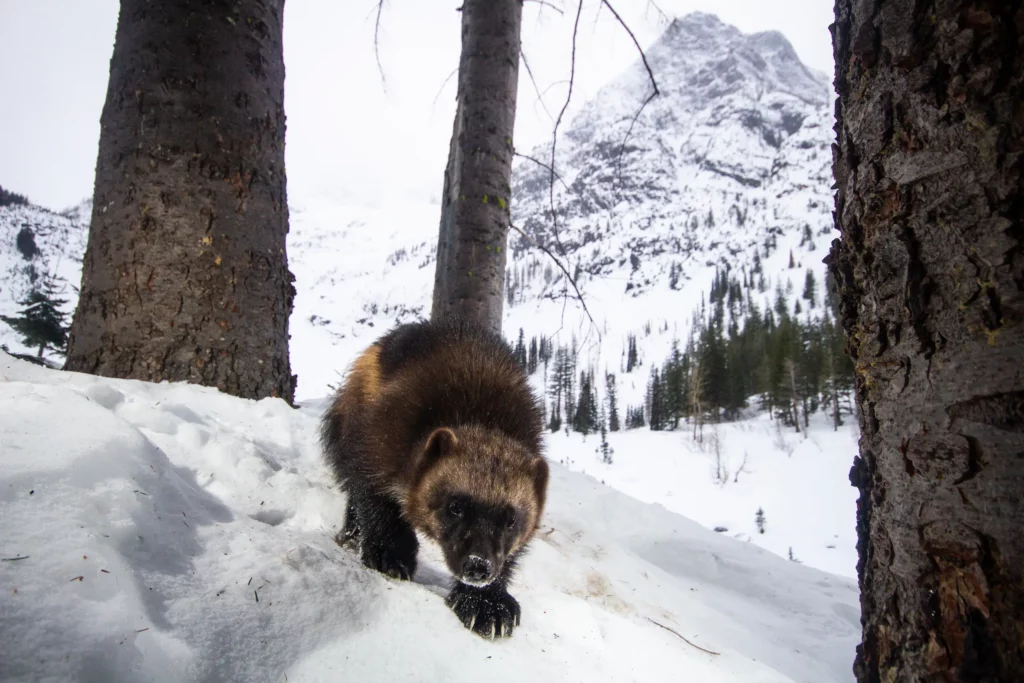
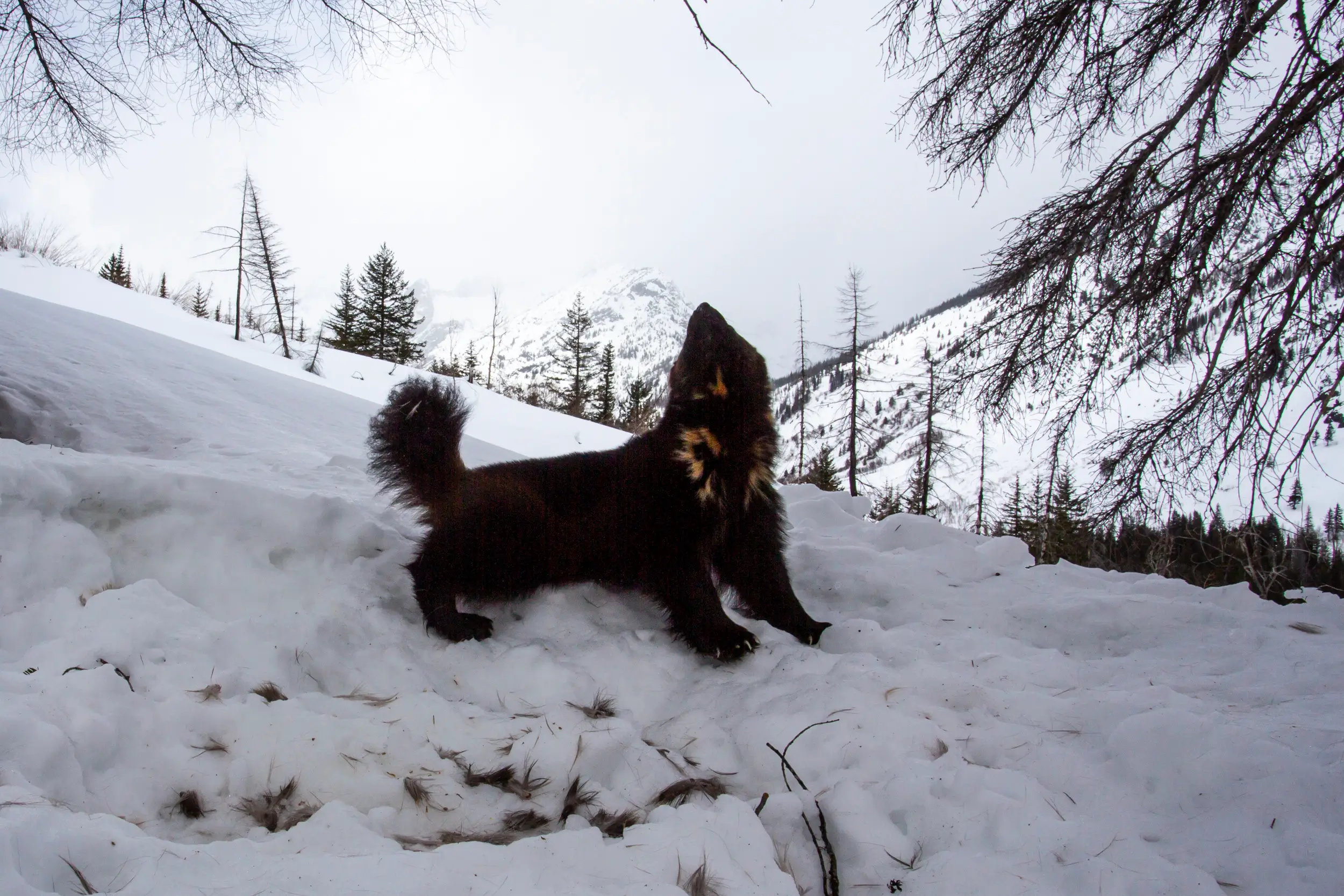
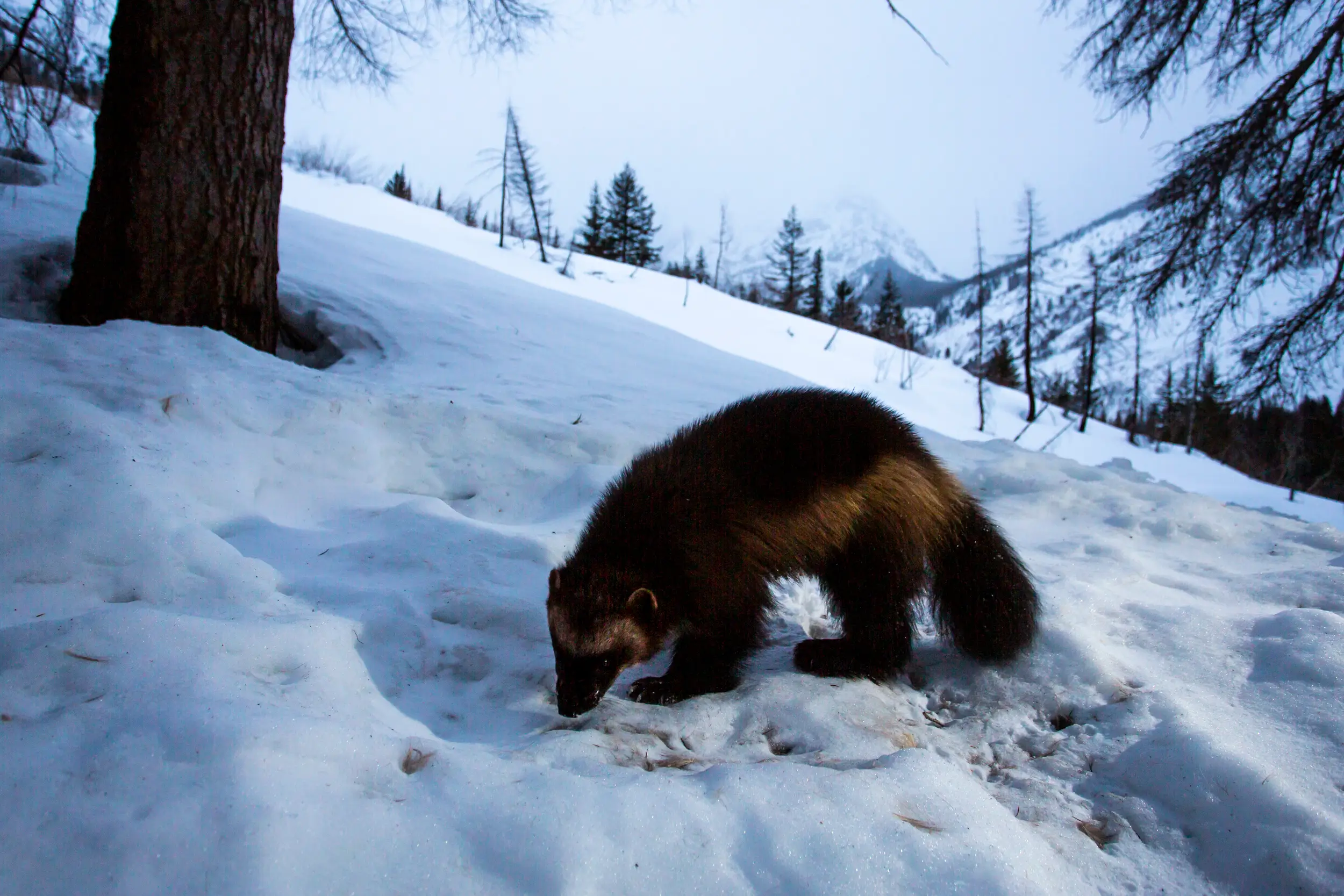
Holden area wolverine winter 2021 2. Photo David Moskowitz Cascades Wolverine Project
Our Approach

Wolverines are slowly returning to Washington’s mountains, but their recovery remains fragile as shrinking spring snowpack and a warming climate threaten the habitats they rely on.

Once reduced by trapping and poison campaigns, wolverines now number only a few dozen in the state, with most occupying remote, high elevation terrain between I 90 and the Canadian border. Long term recovery depends on maintaining persistent snowpack for denning, protecting connected alpine habitat, and strengthening monitoring across rugged landscapes.

Our work supports these needs through Endangered Species Act advocacy, collaborative field research, and habitat protection efforts on national forests and other wildlands. By advancing science based policy and contributing to on the ground monitoring, we help ensure that the cautious progress wolverines are making can continue in the face of rapid environmental change.

Current Focus

Work We’re Doing to Achieve Wolverine Goals

Capa 1 1

Legal Protection

We support wolverine recovery by advancing Endangered Species Act protections through legal action and sustained engagement with state and federal agencies.

These protections are essential for a species facing shrinking snowpack, fragmented habitat, and increasing disturbance across its high-elevation range. Our field research contributes directly to understanding wolverine distribution and habitat use in Washington, including through the Community Wildlife Monitoring Program and the Cascades Wolverine Project, a partner effort we help administer.

These projects generate high-value data that inform conservation planning and support agency decisions.

icon 8

Habitat Restoration

We also work to protect and restore wolverine habitat through our Forest Field Program, engaging in forest planning, project review, and landscape-scale restoration across national forests and other wildlands.

By collaborating with Tribes, researchers, and land managers, we help ensure that habitat connectivity, denning needs, and climate resilience are prioritized in management decisions. Our efforts combine policy advocacy, scientific monitoring, and on-the-ground restoration to support a long-term vision for wolverine recovery in the Cascades.

Through this integrated approach, we help secure the conditions wolverines need to persist in a rapidly changing climate.

Impact & Results

A History of of Wolverine Work
Wolverine conservation in Washington reflects a history of near-extirpation, slow natural recolonization, and ongoing efforts to secure long-term survival in a changing climate. Understanding this context is key to guiding current recovery and habitat protection strategies.
Near-Extirpation and Natural Recolonization from British Columbia
Federal Threatened Status and Climate-Driven Habitat Loss
Alpine Connectivity and Cross-Border Population Survival
conservationnw image

Near-Extirpation and Natural Recolonization from British Columbia

Wolverines were nearly extirpated in Washington by the early 1900s due to over trapping and predator control, and their current population represents a slow natural recolonization from British Columbia rather than a fully recovered native population. Today they persist in small numbers across the North Cascades and are considered one of the rarest carnivores in the Lower 48.
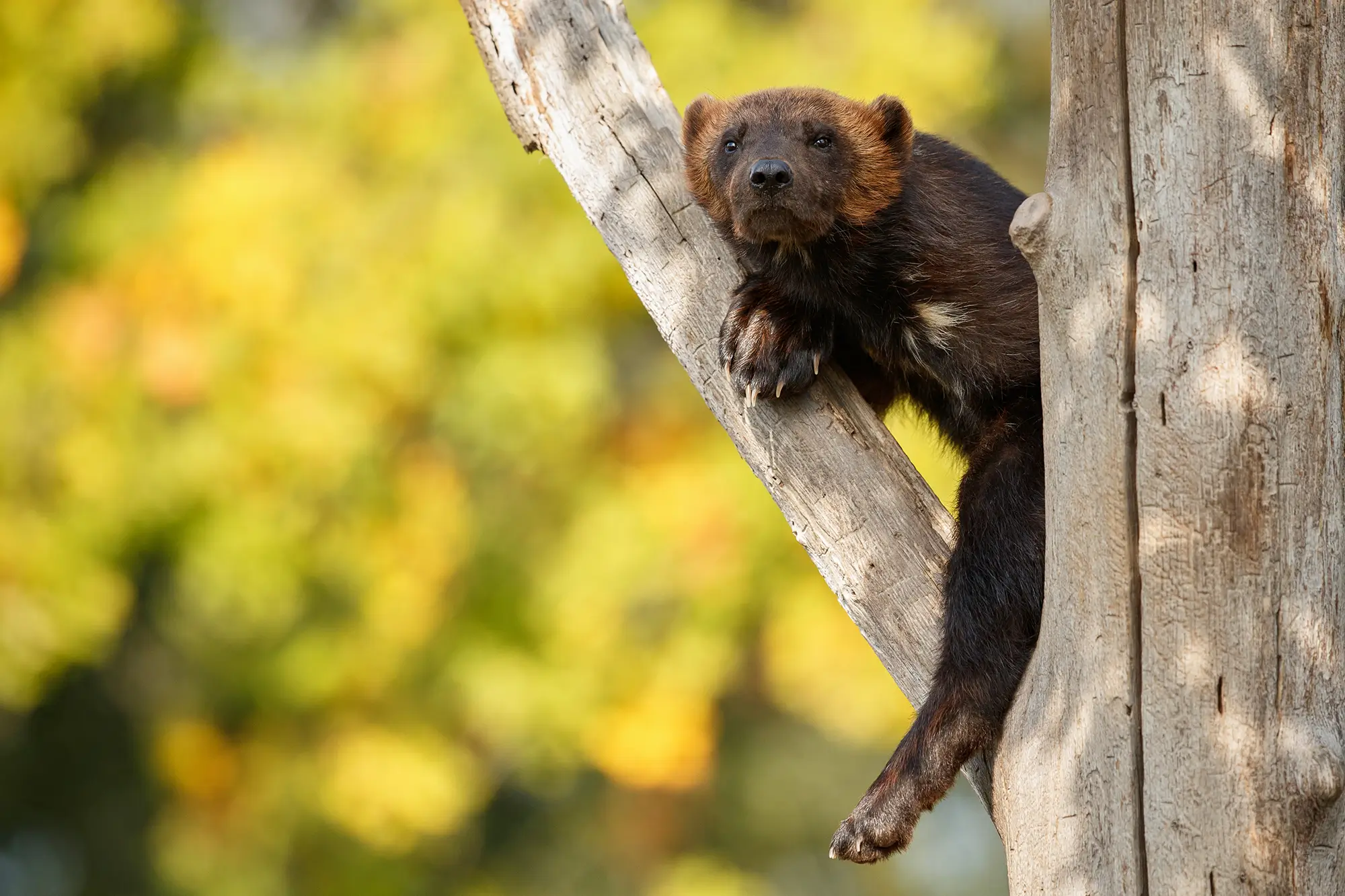
majestic wolverine hang tree front colorful nature 1 1

Federal Threatened Status and Climate-Driven Habitat Loss

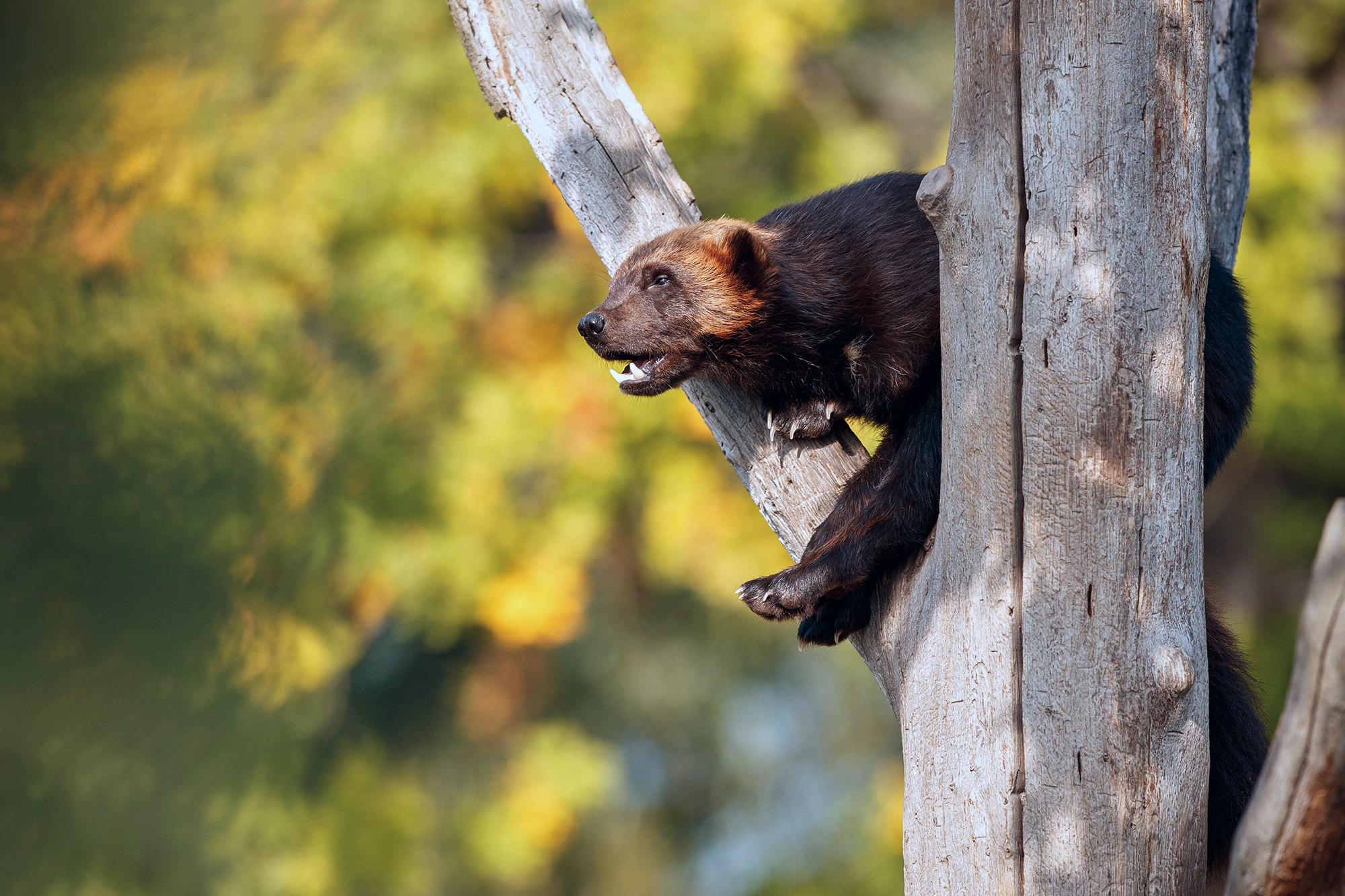
The species is now federally listed as Threatened under the Endangered Species Act, following scientific review and legal action recognizing their vulnerability to shrinking spring snowpack and climate-driven habitat loss. This listing establishes a formal recovery framework and requires federal agencies to consider wolverine needs in land management decisions.
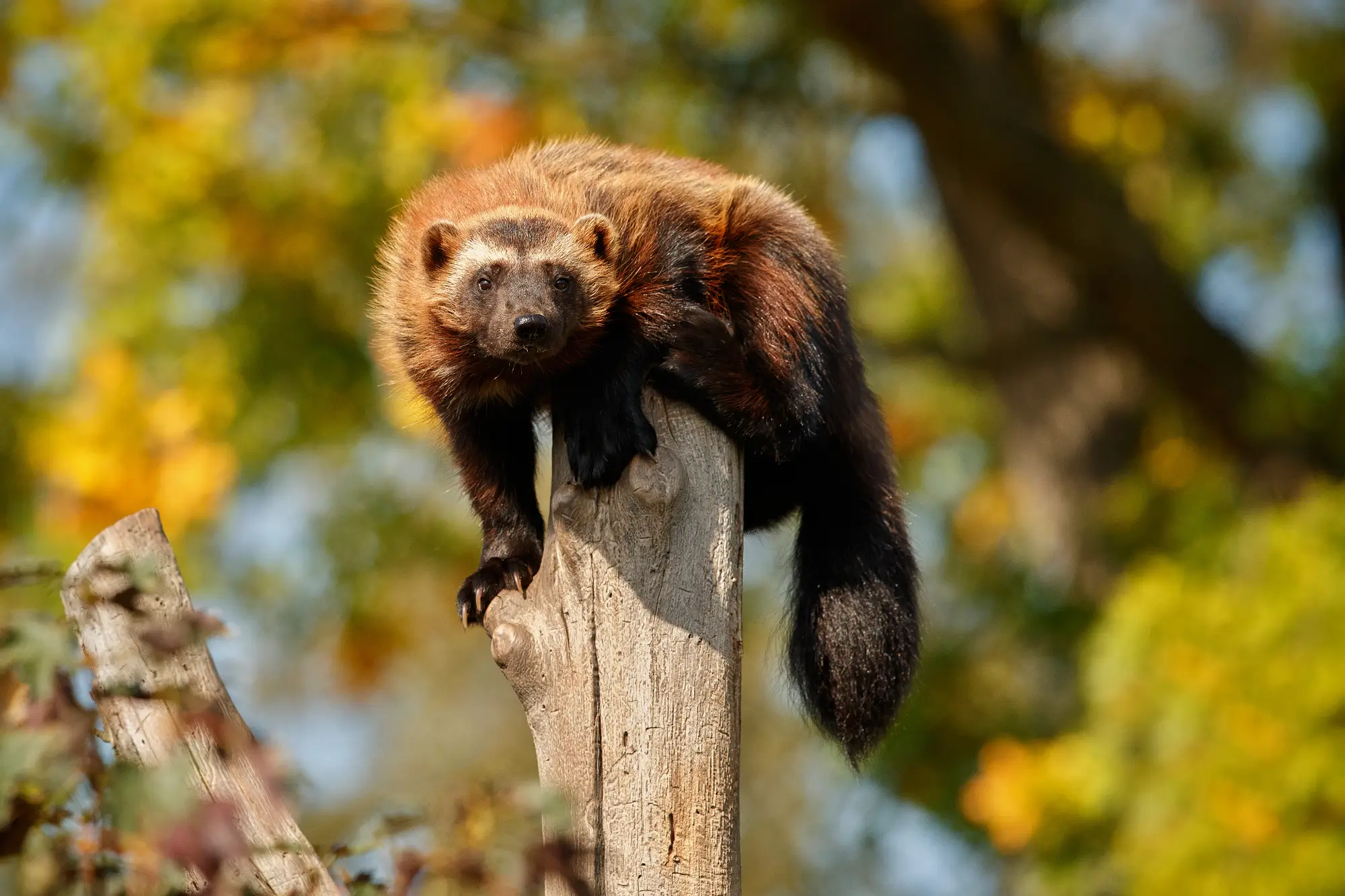
majestic wolverine hang tree front colorful nature 1

Alpine Connectivity and Cross-Border Population Survival

Washington’s wolverine population depends on large, connected, high-elevation landscapes with persistent spring snow, and the greatest long-term threat is habitat fragmentation from climate change. Maintaining connectivity with populations in southern British Columbia is essential for genetic exchange and long-term viability.
Impact & Results

Our Key Accomplishments for Wolverines

From protecting critical landscapes to advancing collaborative forest restoration, these efforts deliver lasting benefits for wildlife, habitat connectivity, and climate resilience.

conservationnw image
majestic wolverine front colourful background 1
majestic wolverine hang tree front colorful nature 2

There are no posts to show at this time. Please check back soon.